Topic Overview
Enterprise AI agent platforms bring conversational LLMs, multi‑agent orchestration, and automation tooling together to let organizations surface knowledge, automate workflows, and embed domain logic at scale. As of late 2025, buyers are evaluating not just raw model capability but the ecosystems that surround models: agent marketplaces, developer frameworks, tool registries, and operations/observability layers that enable production reliability and governance. Key vendor and developer components include vendor-managed enterprise offerings (ChatGPT Enterprise, Google Gemini Enterprise, Anthropic’s agent suites) that provide hosted models and enterprise controls; platform services such as Google’s Vertex AI for model training, deployment and Model Garden discovery; and IBM watsonx Assistant for no‑code and developer-driven virtual agents and multi‑agent orchestrations. Open and integrative engineering stacks are represented by LangChain (agent frameworks, LangGraph state management), LlamaIndex (document agents and RAG pipelines), and no/low‑code design platforms like MindStudio. Market and deployment layers include agent marketplaces and listing platforms (Agentverse) and AI‑native developer tools — Windsurf’s agentic IDE and JetBrains AI Assistant for in‑IDE copilots — that speed iteration and production rollouts. Common trends shaping evaluations are retrieval‑augmented generation (RAG) for enterprise context, composable multi‑agent workflows, emphasis on data privacy and governance, and the need for observability and cost controls. Decisions increasingly hinge on integration with existing data stacks, support for hybrid/cloud deployment, and the maturity of tooling for testing, evaluation and monitoring. This topic compares those platform archetypes and tooling patterns to help enterprise teams weigh tradeoffs between turnkey managed agents, composable frameworks, and marketplace ecosystems.
Tool Rankings – Top 6

Enterprise virtual agents and AI assistants built with watsonx LLMs for no-code and developer-driven automation.

Unified, fully-managed Google Cloud platform for building, training, deploying, and monitoring ML and GenAI models.

Engineering platform and open-source frameworks to build, test, and deploy reliable AI agents.

Developer-focused platform to build AI document agents, orchestrate workflows, and scale RAG across enterprises.

No-code/low-code visual platform to design, test, deploy, and operate AI agents rapidly, with enterprise controls and a
Cloud platform and marketplace for building, deploying, listing and monitoring autonomous AI agents.
Latest Articles (75)
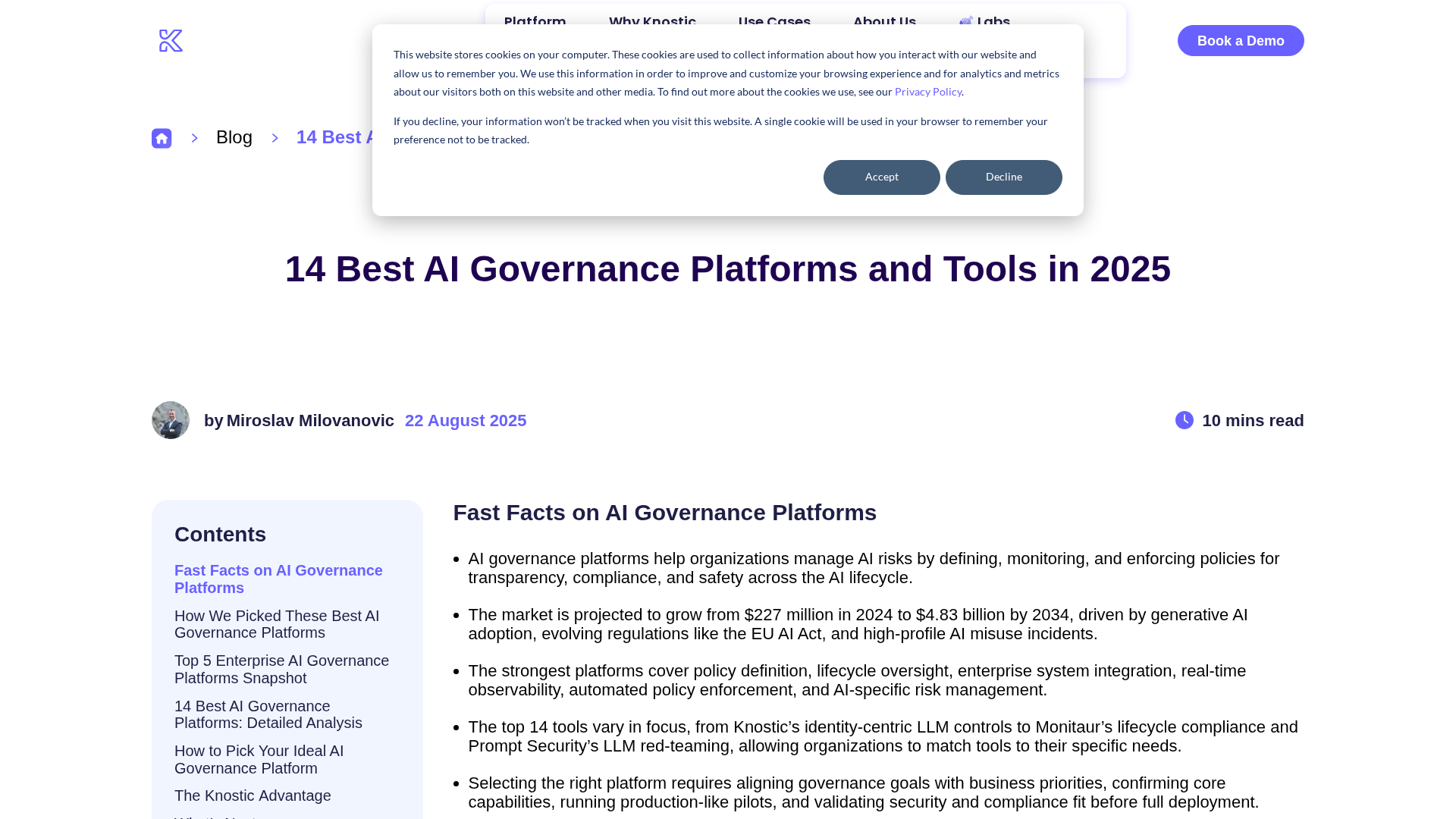
A vendor‑agnostic guide to the 14 best AI governance platforms in 2025, with criteria, comparisons, and practical buying guidance.
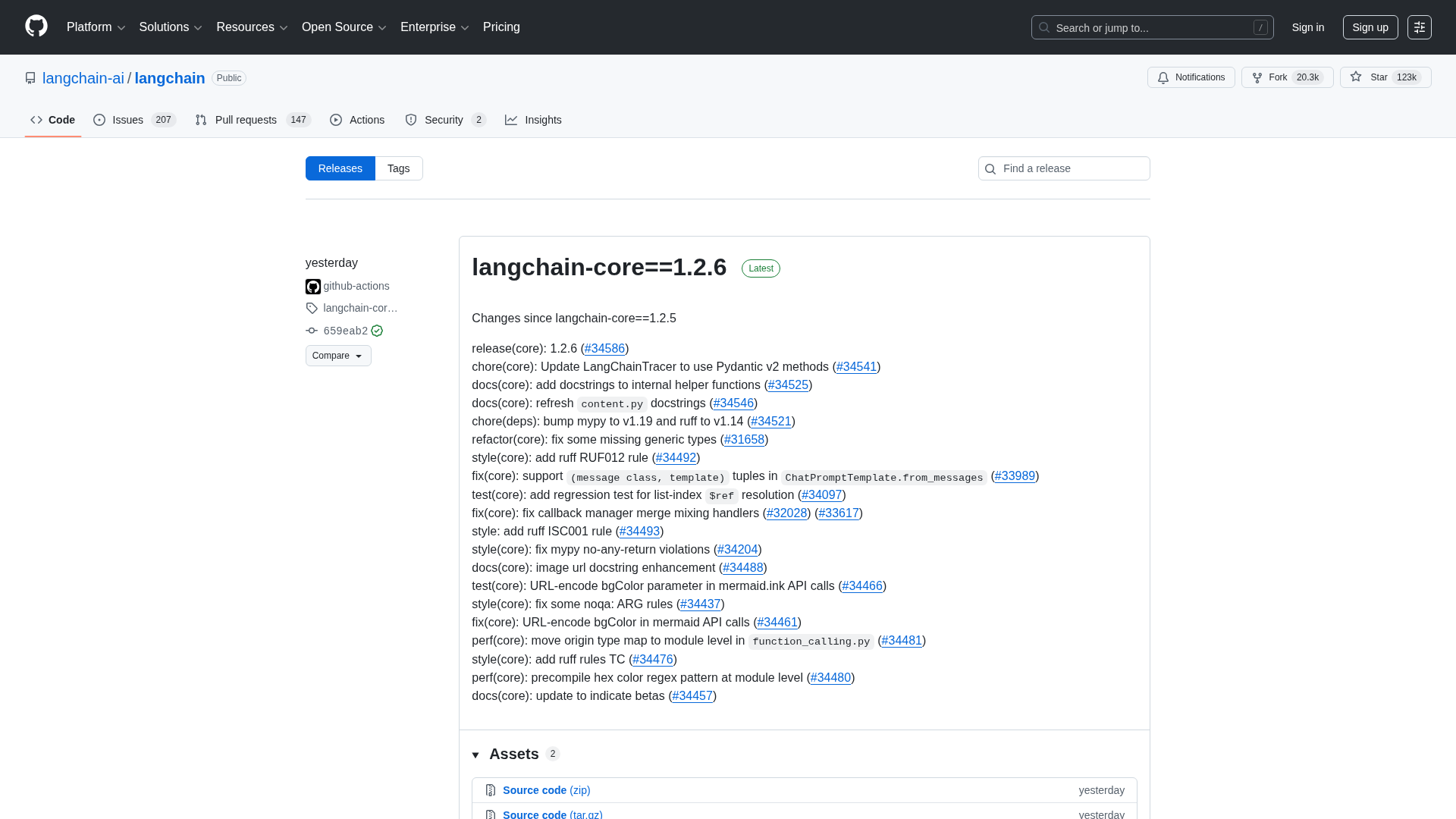
A comprehensive LangChain releases roundup detailing Core 1.2.6 and interconnected updates across XAI, OpenAI, Classic, and tests.
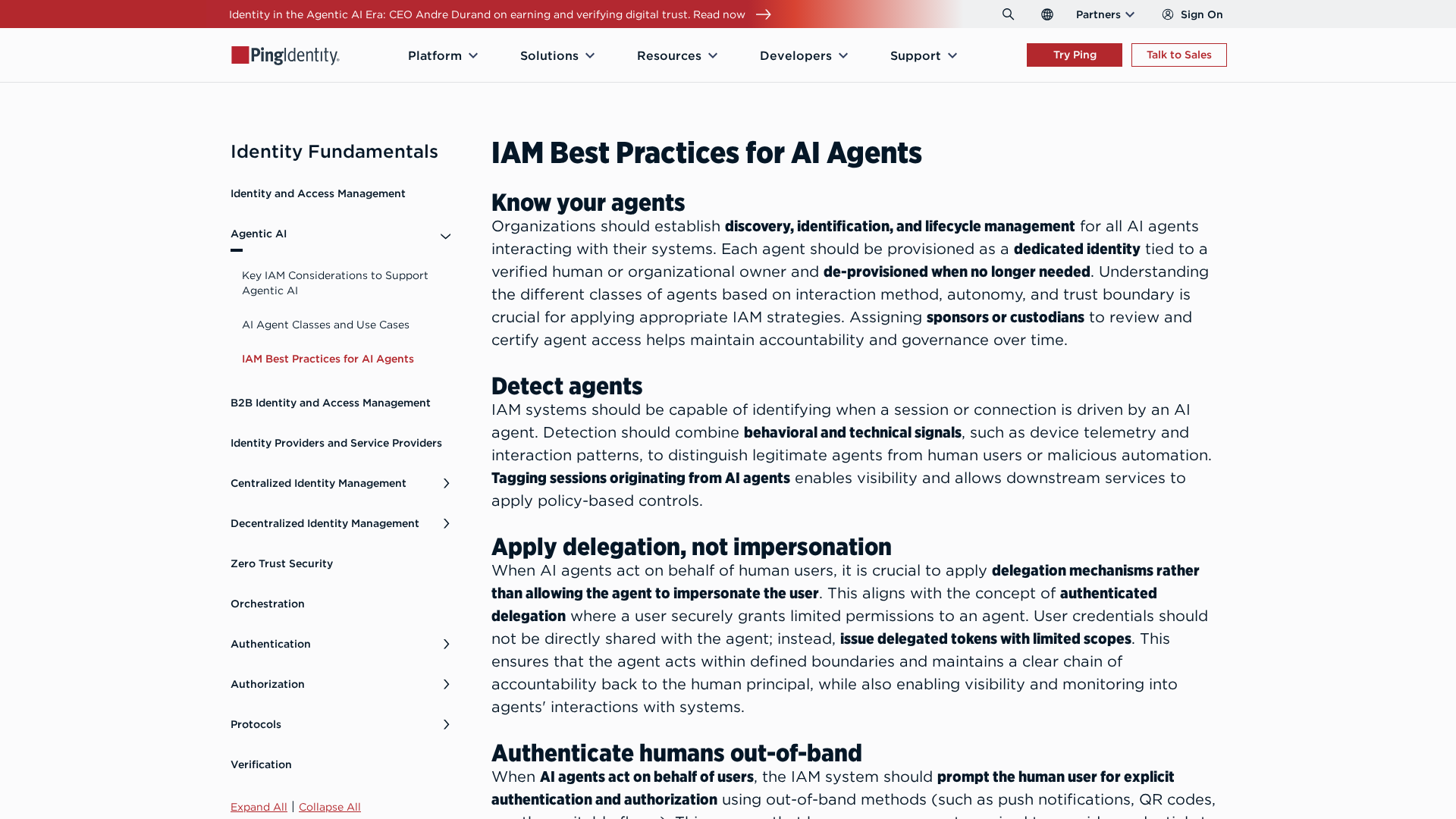
Best-practices for securing AI agents with identity management, delegated access, least privilege, and human oversight.

Cannot access the article content due to an access-denied error, preventing summarization.
Adobe nears a $19 billion deal to acquire Semrush, expanding its marketing software capabilities, according to WSJ reports.