Topic Overview
This topic covers how organizations in regulated industries deploy and govern AI so it meets legal, privacy, and operational requirements — with emphasis on sovereign deployment (on‑premises or regionally isolated clouds), data governance, and measurable trust features (observability, audit trails, access controls). As of 2026-05-24, tightening regulation, increased enterprise adoption of multi-agent workflows, and demand for private/customizable models make governance, provenance, and data residency central to AI programs. Key tool categories and representative capabilities: Regulatory Compliance Tools support recordkeeping, auditability, and sector-specific controls (e.g., bookkeeping and transaction provenance). AI Security Governance tools provide policy enforcement, access controls, and threat monitoring. Rights-Cleared Data Platforms manage licensing, provenance, and consent for training and retrieval. AI Governance Tools deliver observability, logging, and explainability for models and agentic systems. Representative tools reflect these roles: Xilos offers infrastructure focused on visibility into connected services and agentic activity; Kore.ai provides orchestration for multi-agent workflows with governance and observability; Cohere supplies enterprise-focused private LLMs, embeddings, and retrieval to reduce external data exposure; Notion acts as an AI-enabled knowledge workspace where access controls and data lineage matter; DeepL and SenseResponse illustrate domain needs for secure translation and conversational intake workflows; Bookeeping.ai exemplifies vertical apps that must combine automation with auditability. Enterprises should evaluate combinations of these capabilities — private/custom models, rights-cleared data, strong observability, and sovereign hosting — to meet regulation and operational risk requirements. The emphasis is on measurable controls (logs, provenance, policy enforcement) rather than opaque claims, enabling defensible AI use in regulated contexts.
Tool Rankings – Top 6
Intelligent Agentic AI Infrastructure

Enterprise AI agent platform for building, deploying and orchestrating multi-agent workflows with governance, observabil

Enterprise-focused LLM platform offering private, customizable models, embeddings, retrieval, and search.
Your AI Accountant Paula

Machine translation, writing assistant, APIs and voice/desktop products with Pro subscriptions and API pricing.
A single, block-based AI-enabled workspace that combines docs, knowledge, databases, automation, and integrations to sup
Latest Articles (49)
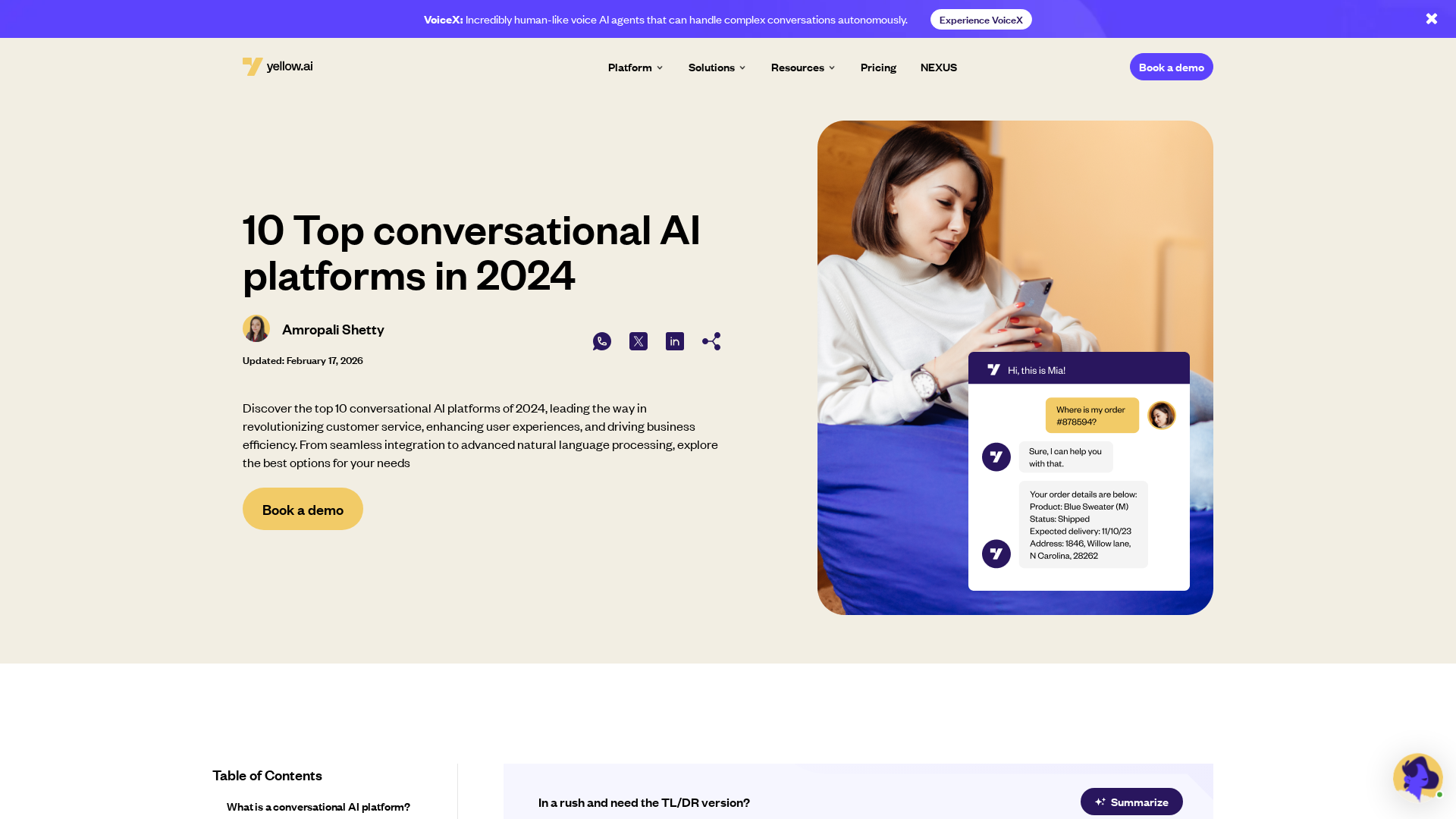
A concise guide to the top 10 conversational AI platforms in 2024, with features, benefits, and use cases.

Enterprise page promoting Paula AI Accountant to automate 95% of bookkeeping tasks.
OpenAI’s bypass moment underscores the need for governance that survives inevitable user bypass and hardens system controls.
Profile of the Devi AI-powered team behind Bookeeping.ai, highlighting US roots, awards, and related Visadb.io products.
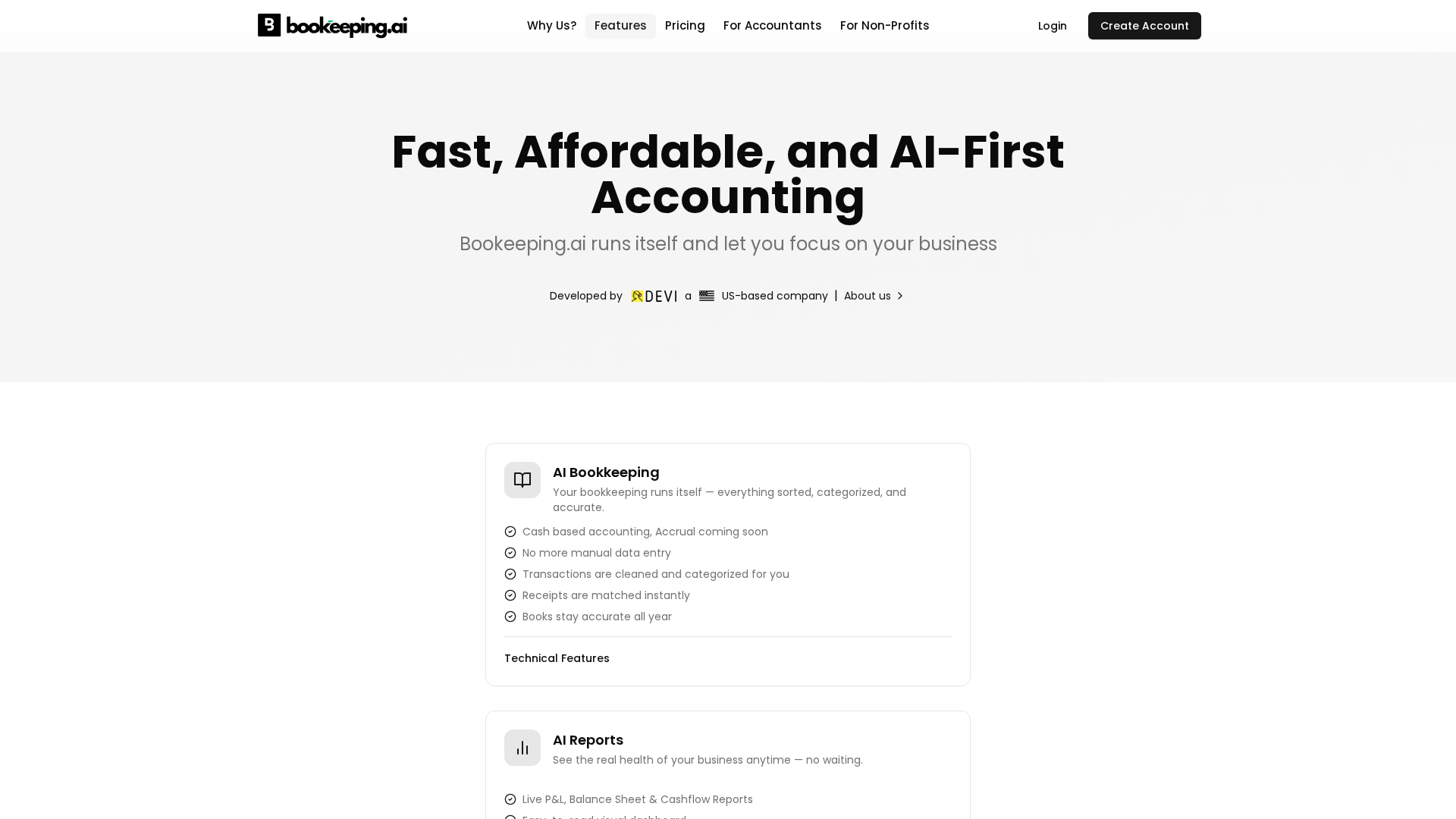
AI-powered, end-to-end bookkeeping with Paula, real-time reports, invoicing, and secure integrations for small businesses.