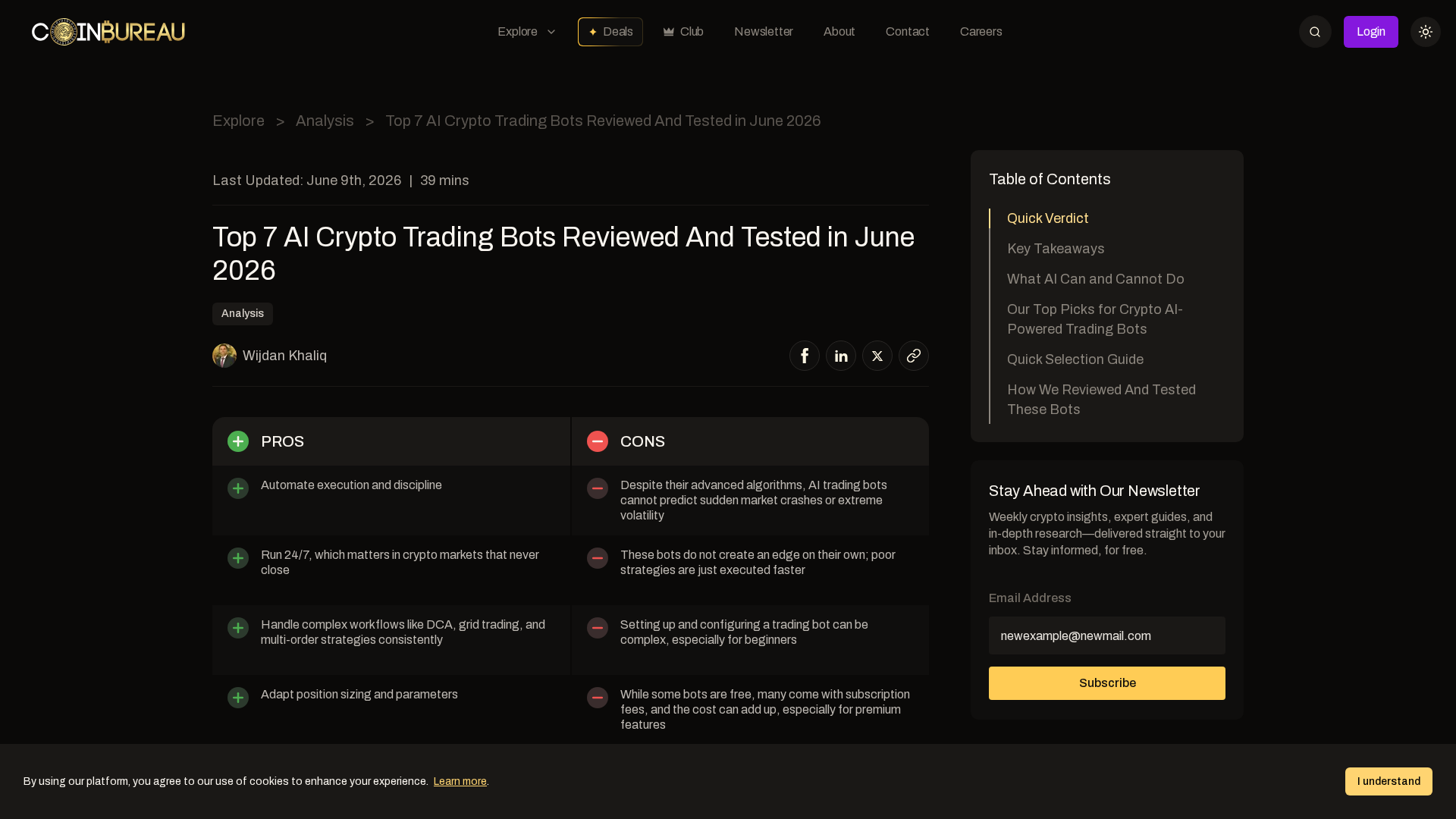
Topic Overview
AI Trading Automation & Workflow Playbooks cover the set of agent-led architectures, low-code workflows and developer frameworks used to automate crypto and quantitative trading tasks — from signal ingestion and strategy execution to risk checks, backtests and post-trade analysis. As of mid‑2026 this area is driven by two parallel trends: the rise of exchange-integrated “playbooks” that package prebuilt connectors and trading recipes, and more general-purpose agent platforms that let teams compose, observe and deploy bespoke multi‑step automation. Key tool classes and examples include: developer-first agent frameworks (e.g., LangChain) for building, testing and deploying LLM-powered agents; agentic interface learners (e.g., Adept/ACT‑1) that can observe and act inside software; enterprise no-code/low-code platforms (e.g., Relevance AI) for assembling, scaling and governing multi-agent workflows; and LLM providers (Claude, Google Gemini) for core reasoning and natural‑language orchestration. Lightweight utilities (e.g., GPTGO) surface search-style context for agents or analysts. When comparing a focused playbook like Bitget’s GetAgent to other solutions, practical differentiators are connectors to exchange APIs and on‑chain data, backtesting and simulation support, observability and audit trails, risk/safety controls, latency and execution guarantees, plus whether the platform is low‑code (business‑friendly) or developer‑centric (customizable). Buyers should weigh composability, governance, cost and vendor lock‑in against time‑to‑market. This comparison helps practitioners choose between turn‑key trading playbooks and flexible agent frameworks depending on their operational, compliance and research needs.
Tool Rankings – Top 6

An open-source framework and platform to build, observe, and deploy reliable AI agents.
Agentic AI (ACT-1) that observes and acts inside software interfaces to automate multistep workflows for enterprises.

Enterprise-grade no-code/low-code platform to build, deploy, and manage autonomous AI agents and workflows.

A free AI-enabled search tool that combines Google search results with ChatGPT-style answers.
Anthropic's Claude family: conversational and developer AI assistants for research, writing, code, and analysis.

Google’s multimodal family of generative AI models and APIs for developers and enterprises.
Latest Articles (55)
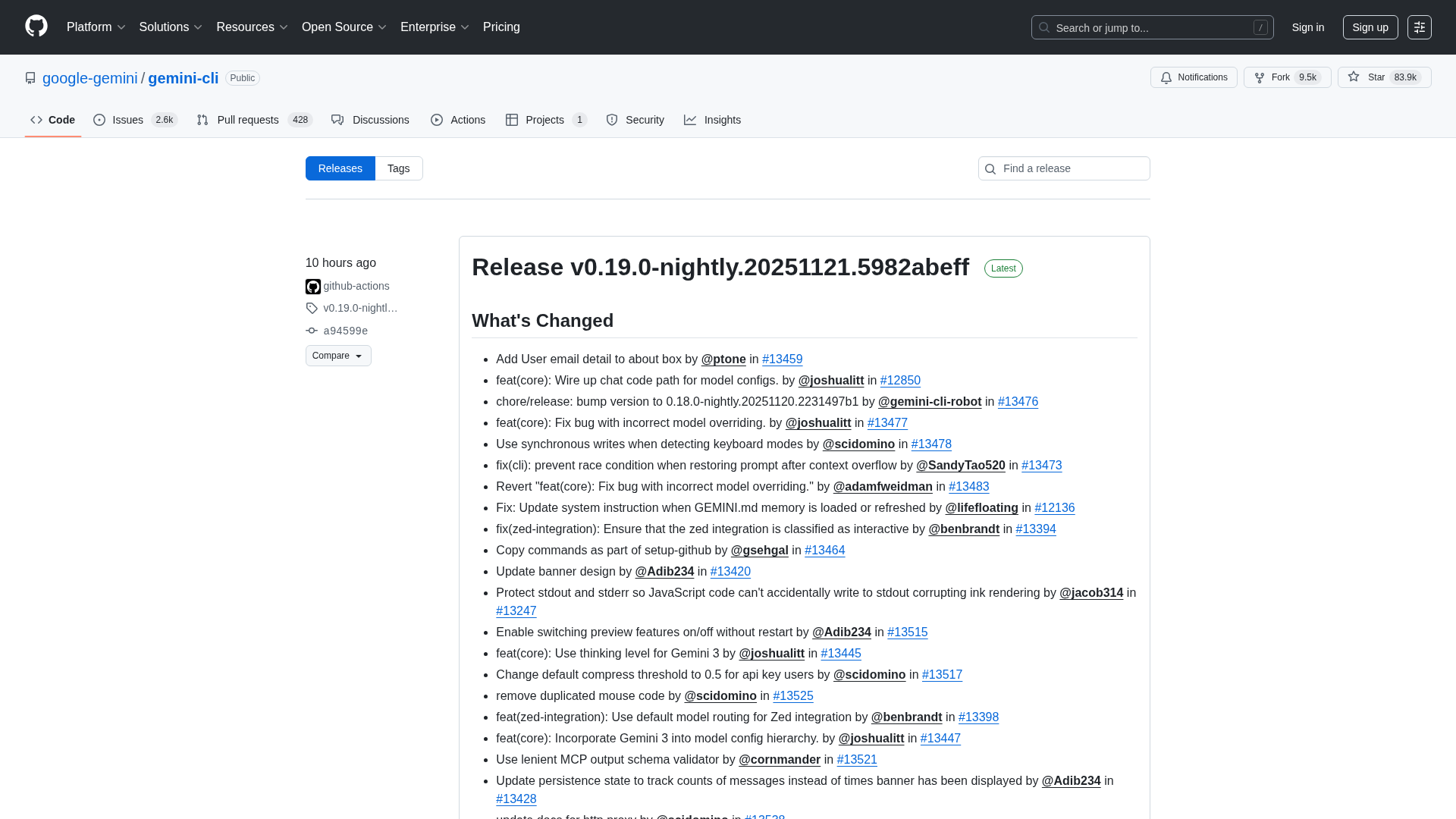
Overview of the Gemini CLI v0.36.0-preview release series, highlighting architectural, CLI, and UI changelogs across multiple pre-release versions.
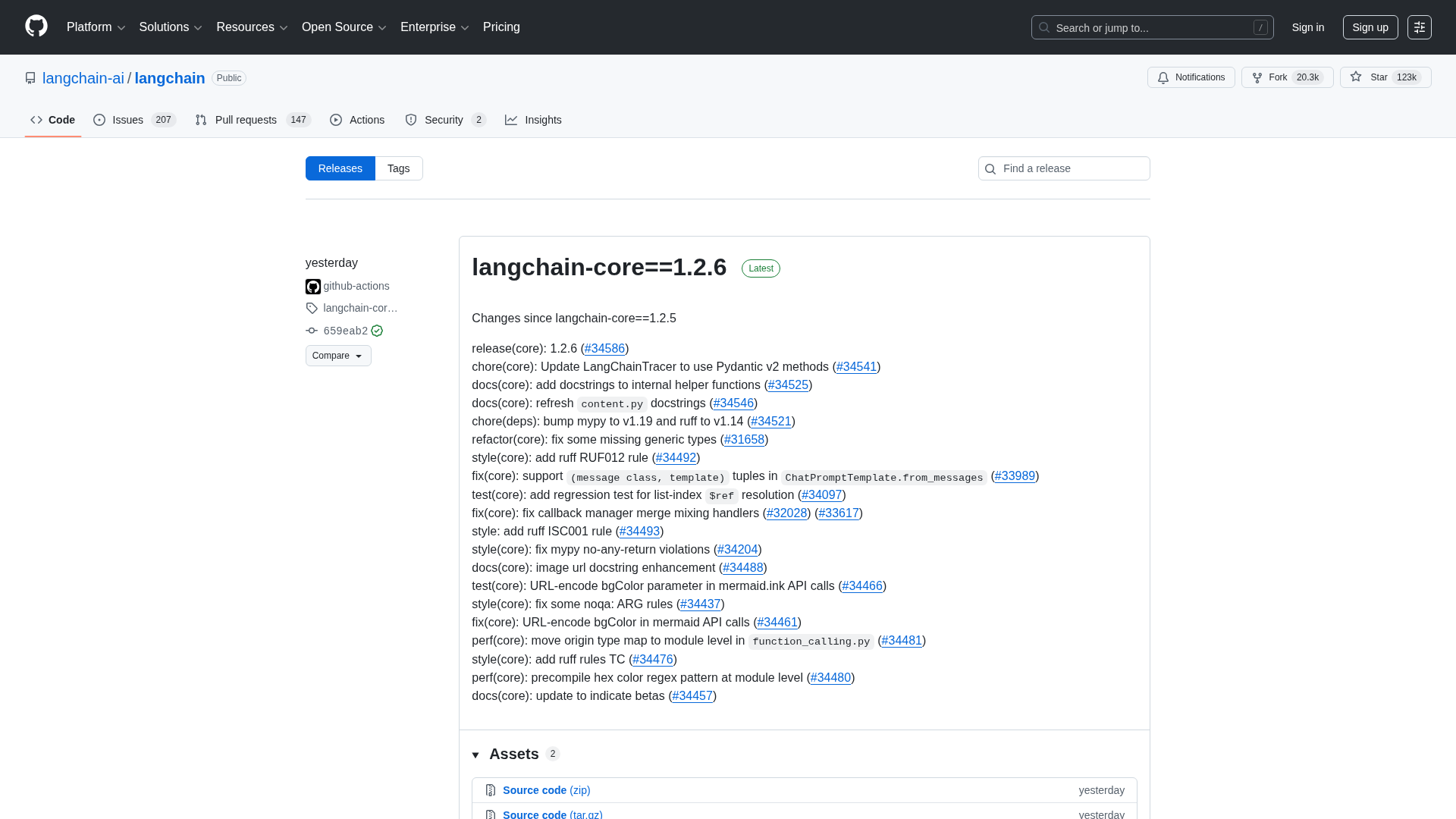
A comprehensive LangChain releases roundup detailing Core 1.2.6 and interconnected updates across XAI, OpenAI, Classic, and tests.
A reproducible bug where LangGraph with Gemini ignores tool results when a PDF is provided, even though the tool call succeeds.
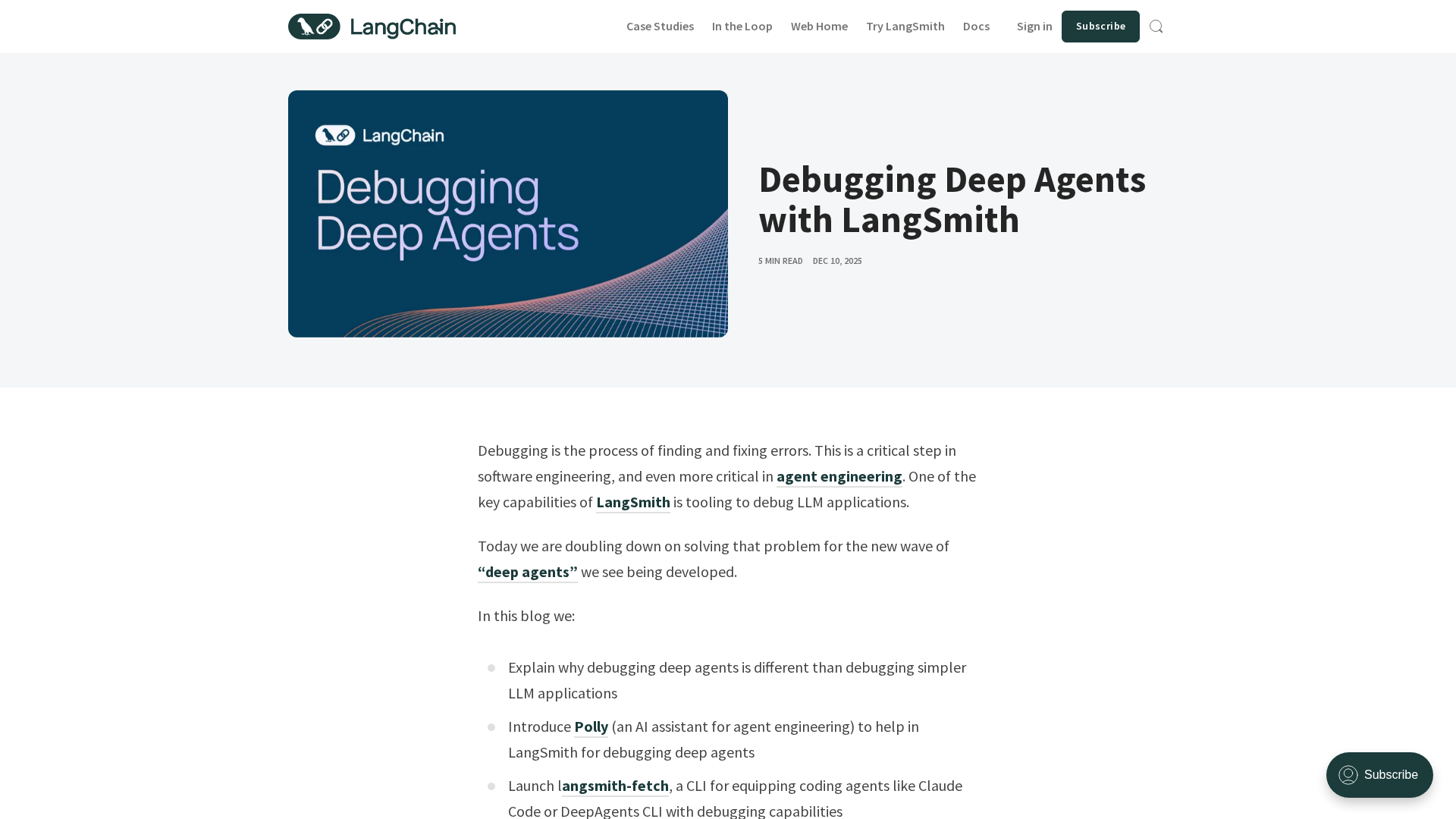
A practical guide to debugging deep agents with LangSmith using tracing, Polly AI analysis, and the LangSmith Fetch CLI.
A CLI tool to pull LangSmith traces and threads directly into your terminal for fast debugging and automation.