Topic Overview
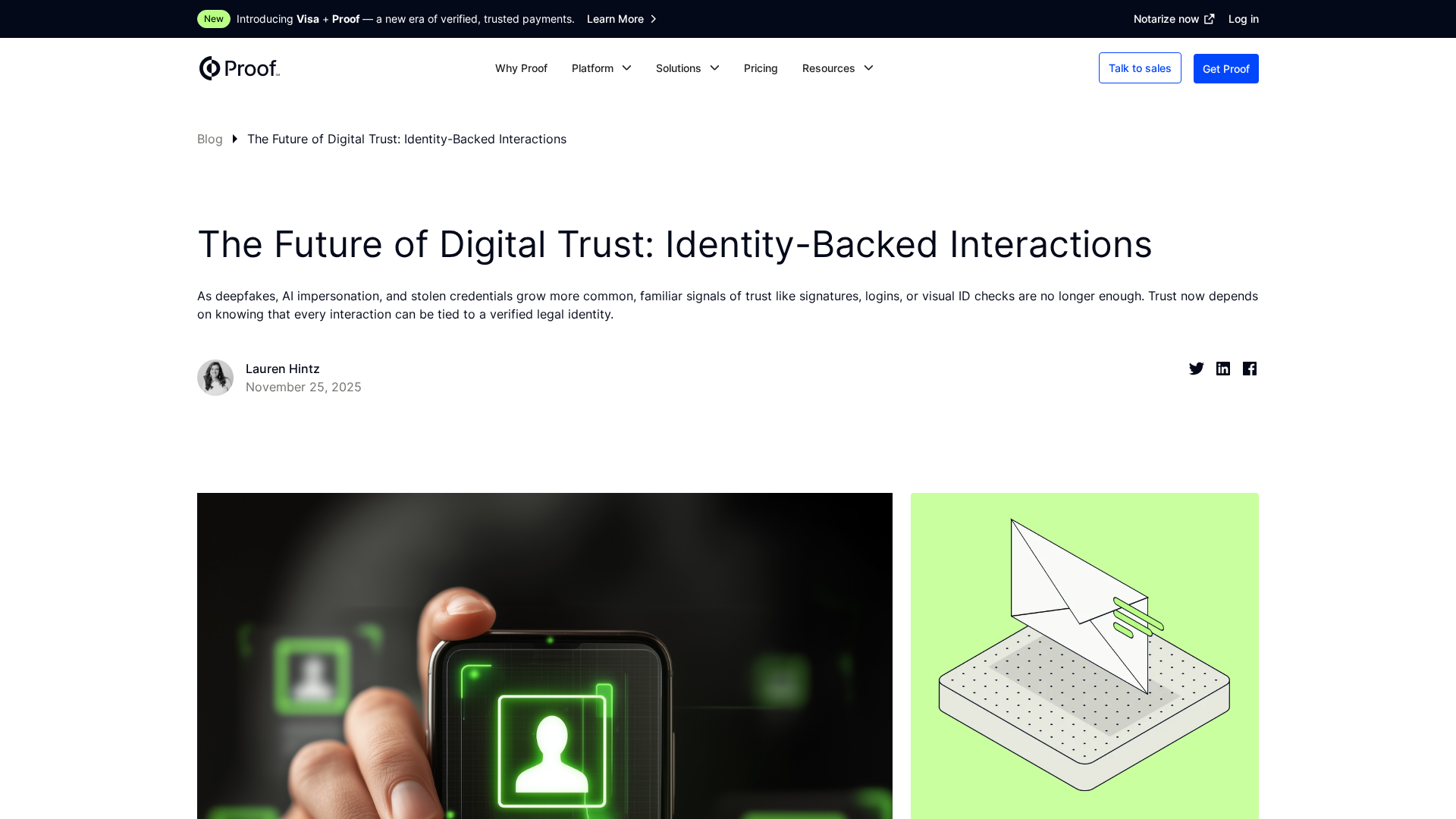
AI Verification & Trust Frameworks focus on establishing verifiable provenance, runtime observability, and auditability for AI systems so organizations can demonstrate compliance, manage operational risk, and trace decisions. As of 2026, increasing regulatory expectations (e.g., operational transparency, explainability, and supply‑chain attestations) and widespread multi‑agent deployments make systematic proof‑of‑trust a practical requirement rather than an option. Key elements include cryptographic signing and verifiable credentials for model and data provenance; standardized provenance metadata and model cards; runtime telemetry and tamper‑evident audit logs; and interoperability APIs for attestation and incident forensics. Digital verification platforms and governance layers combine these capabilities with policy engines, continuous testing, and alerting. Tools in this space span infrastructure, orchestration, and specialized monitoring. Xilos positions itself as an intelligent agentic AI infrastructure and claims comprehensive visibility into connected services and agent activity—useful for runtime observability and centralized audit trails. IBM watsonx Assistant provides enterprise virtual agents and multi‑agent orchestration where embedded logging, consent handling, and compliance hooks are needed. Observe.AI brings conversation intelligence and real‑time QA for voice and chat systems, converting interactions into evidence for quality and compliance reviews. StackAI offers no‑code/low‑code agent build-and-govern capabilities, helping teams enforce guardrails and provenance controls at deployment. Together AI supplies training and inference infrastructure that supports reproducible models, versioning, and deployment attestations. Anthropic’s Claude family illustrates the need to pair deployed LLMs with provenance, safety testing, and monitoring suitable for regulated use cases. Organizations choosing verification frameworks should prioritize interoperable attestations, end‑to‑end provenance, and continuous runtime assurance to meet 2026 regulatory and operational expectations without relying on proprietary silos.
Tool Rankings – Top 6
Intelligent Agentic AI Infrastructure

Enterprise virtual agents and AI assistants built with watsonx LLMs for no-code and developer-driven automation.

Enterprise conversation-intelligence and GenAI platform for contact centers: voice agents, real-time assist, auto QA, &洞
Anthropic's Claude family: conversational and developer AI assistants for research, writing, code, and analysis.

End-to-end no-code/low-code enterprise platform for building, deploying, and governing AI agents that automate work onun

A full-stack AI acceleration cloud for fast inference, fine-tuning, and scalable GPU training.
Latest Articles (66)
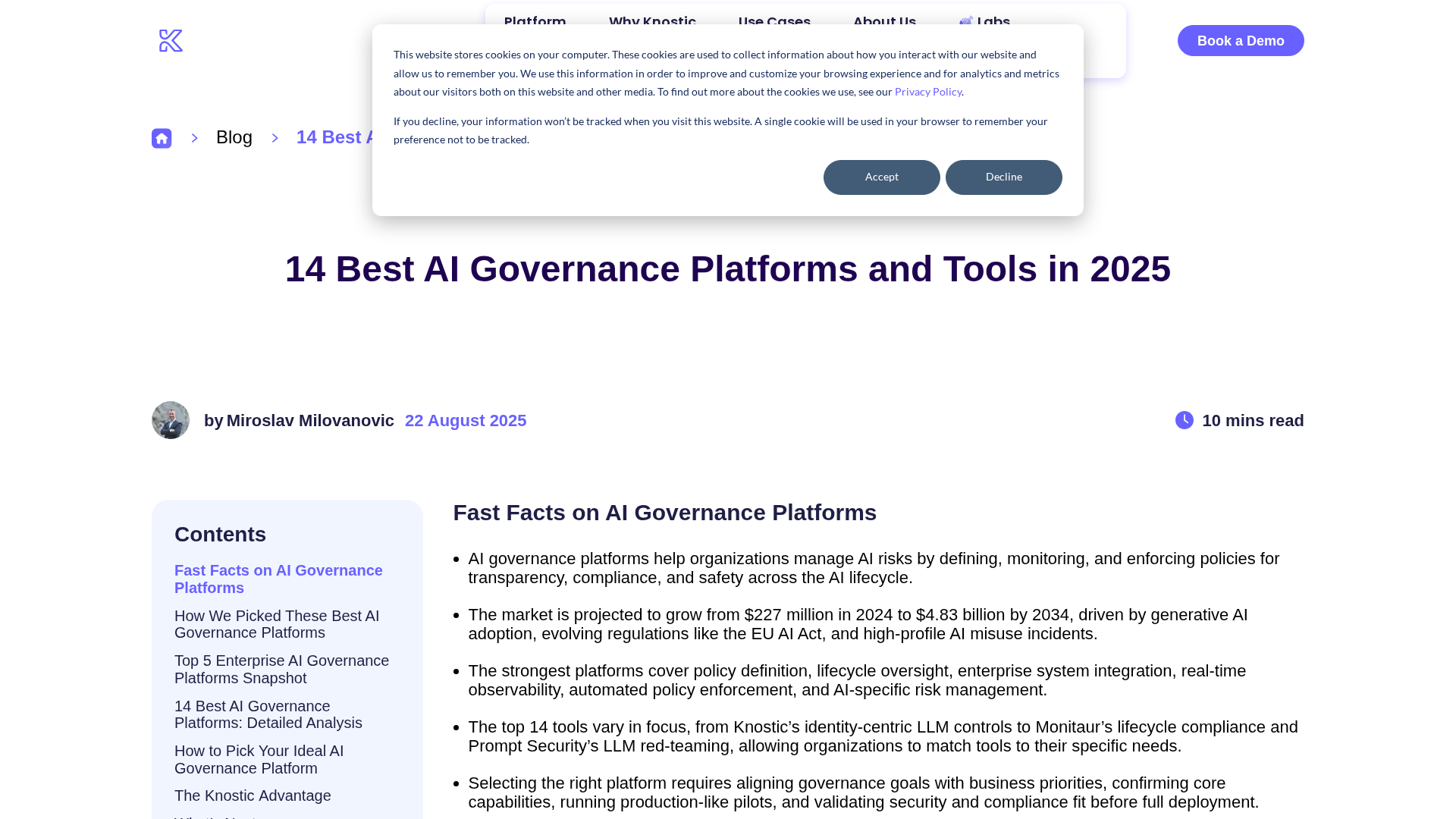
A vendor‑agnostic guide to the 14 best AI governance platforms in 2025, with criteria, comparisons, and practical buying guidance.
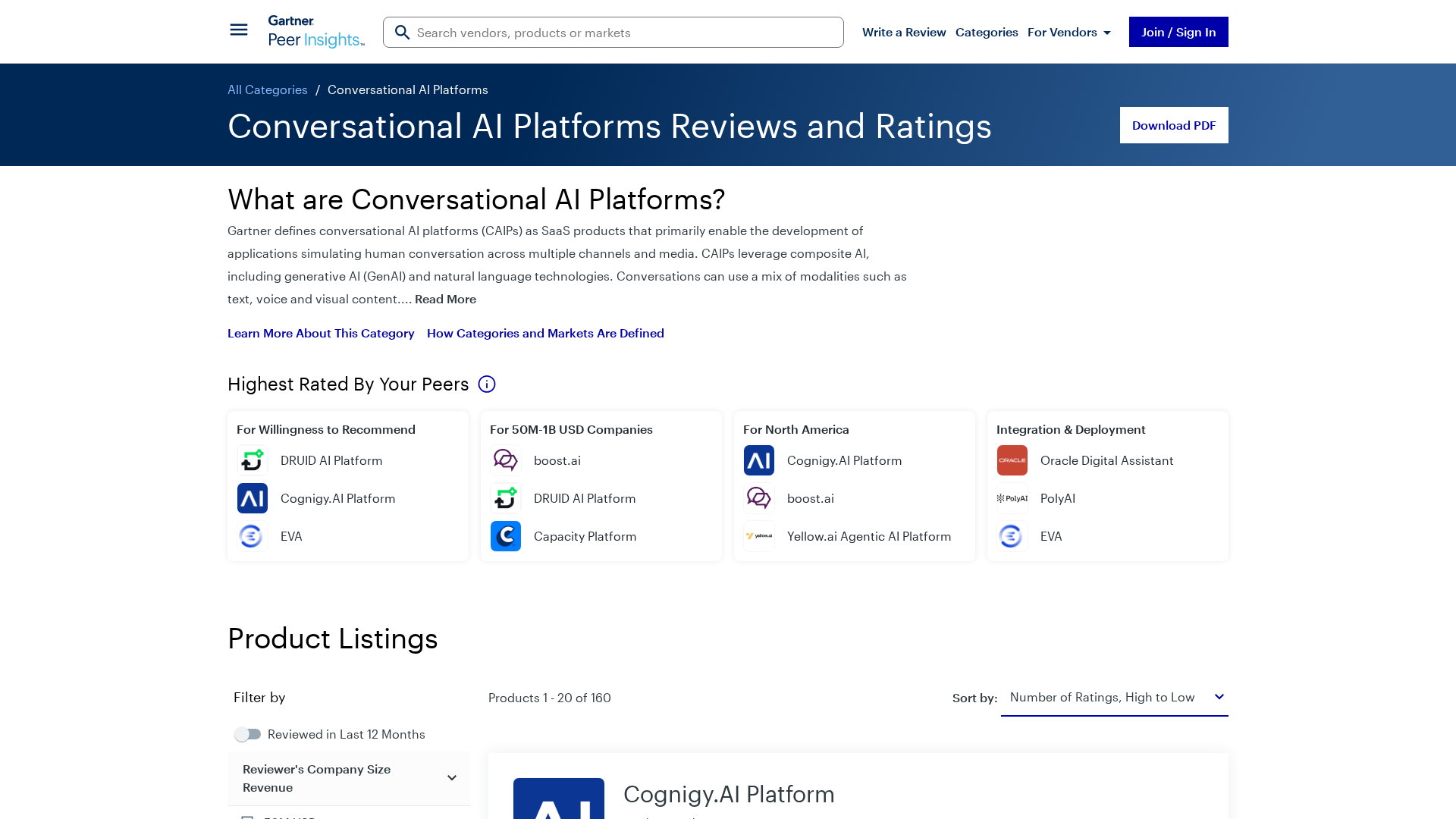
Gartner’s market view on conversational AI platforms, outlining trends, vendors, and buyer guidance.
OpenAI’s bypass moment underscores the need for governance that survives inevitable user bypass and hardens system controls.
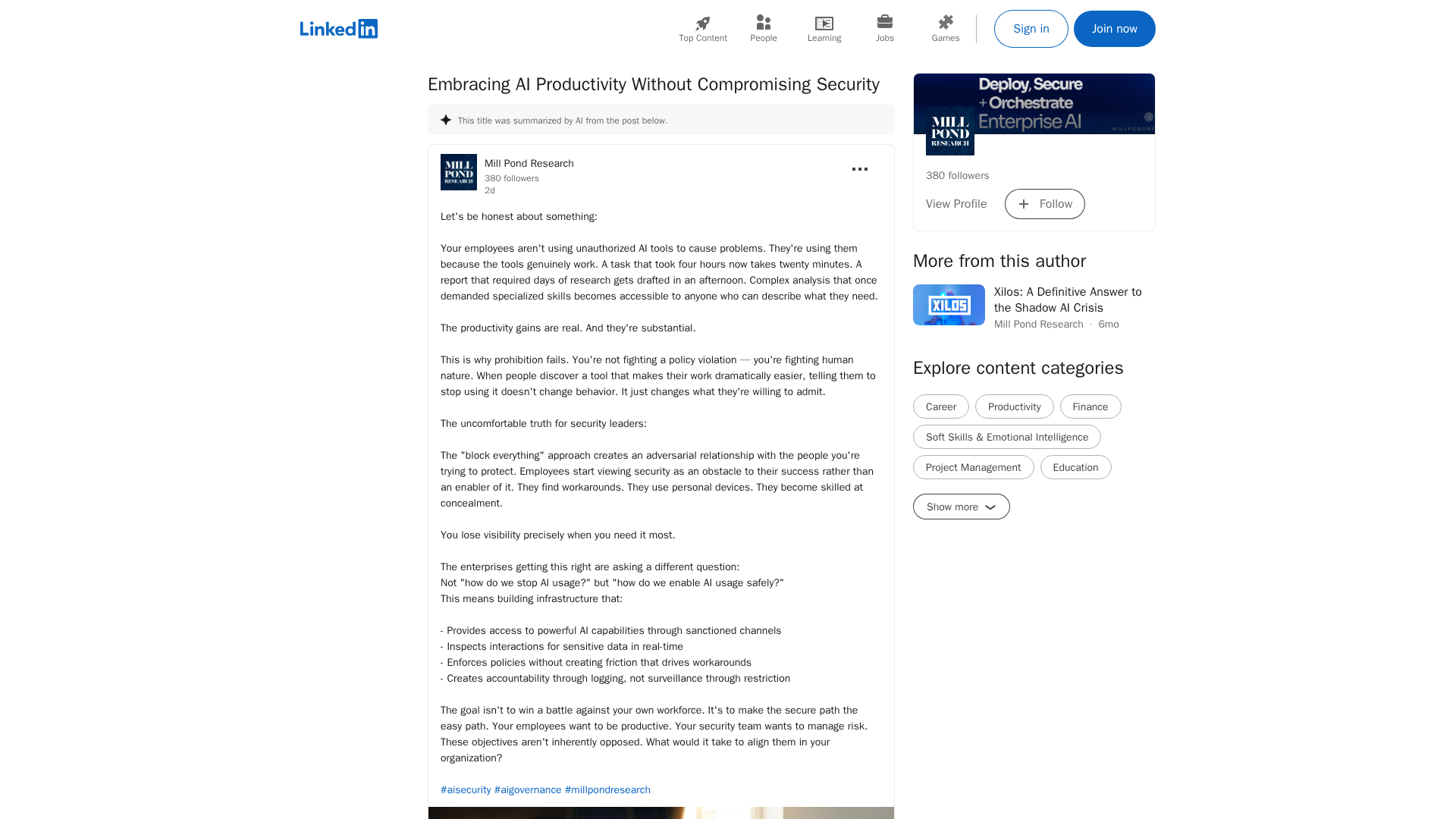
A call to enable safe AI use at work via sanctioned access, real-time data protections, and frictionless governance.

Baseten launches an AI training platform to compete with hyperscalers, promising simpler, more transparent ML workflows.