Topic Overview
AI voice synthesis in games and entertainment covers the technologies and practices that generate, clone, transcribe and manage synthetic speech for interactive experiences, post‑production and distribution. By mid‑2026 the field spans low‑latency in‑game TTS and voice agents, high‑fidelity voice cloning for characters, automated transcription and audio summarization, and AI‑driven music/SFX generation. These capabilities enable more dynamic dialogue, accessible content, and faster production pipelines, but raise quality, ethical and moderation challenges—voice attribution, consent and licensing, deepfake risk, identity protection, and harmful or copyrighted output. Key categories include Voice Synthesis & Transcription (high‑fidelity TTS and speech‑to‑text pipelines), Text‑to‑Speech Tools (production TTS and voice cloning), Game AI Engines (real‑time voice agents and adaptive dialogue), and AI Governance Tools (watermarking, detection, consent management, and policy enforcement). Representative tools: ElevenLabs for expressive production‑grade TTS, voice cloning and transcription; ZenCall.ai for real‑time phone/agent workflows combining STT, LLMs and TTS; AudioBrief for converting long-form text into concise spoken summaries; Evoke Music/Amadeus Code for AI‑driven music and SFX; Milapole’s speech‑to‑text SaaS for scalable STT deployment; and platforms such as Perplexity AI used for grounded, sourced research and developer APIs that can aid content moderation and provenance checks. Practical evaluation now emphasizes naturalness, latency, controllability, provenance (watermarks/fingerprints), license and consent workflows, and integrated moderation. Teams deploying voice AI should combine technical quality metrics with governance processes—clear consent, auditable provenance, detection/watermarking, and post‑deployment monitoring—to reduce misuse while enabling creative use in games and entertainment.
Tool Rankings – Top 6
Industry-leading AI audio platform for ultra-realistic text-to-speech, voice cloning, transcription, and voice agents.

AI-powered phone agents that answer, route, and manage calls in real time (speech-to-text + LLM + text-to-speech).
AI-powered answer engine delivering real-time, sourced answers and developer APIs.

Text to Audio AI Summarizer & Podcast Creator

Website rebranded as Amadeus Code offering FUJIYAMA AI SOUND generation, curated music & SFX library, Topline MIDI, and付
SaaS App Store: One Price, Unlimited Users+AI Speech-to-Text
Latest Articles (33)

Shows how Tide’s 1956 jingle created lasting brand recall and how AI assistant bots can replicate that impact online.

Value-first marketing blueprint inspired by Google, with AI assistant bots to build trust and monetize intent.
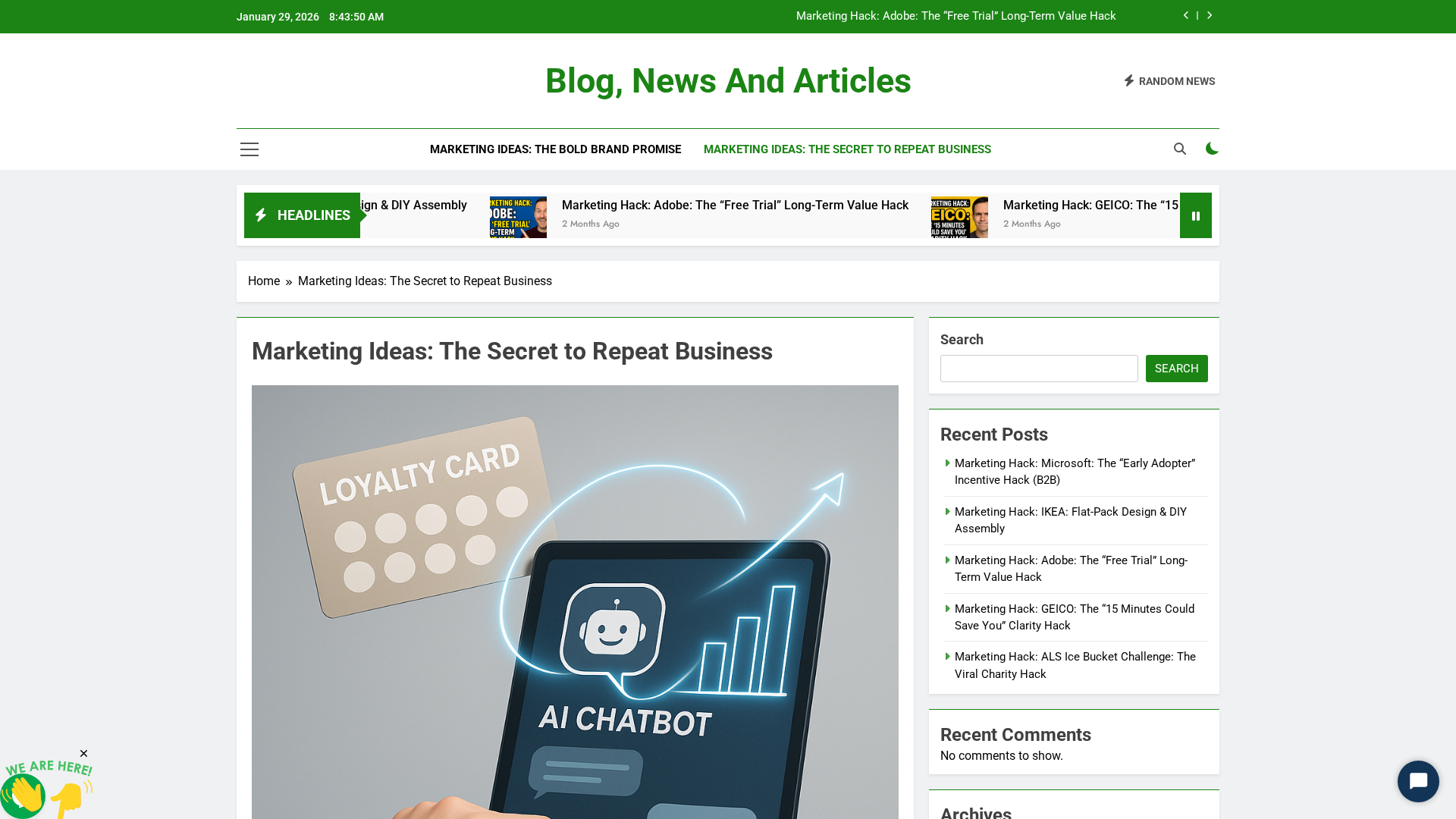
How loyalty perks and a 3-in-1 AI chatbot can boost repeat visits, customer lifetime value, and automated pre-sales.

Analyzes Sephora’s experiential marketing success and shows how online AI agents can replicate the experience.

Explores Microsoft's strategy of turning early users into co-developers and enterprise advocates in B2B.