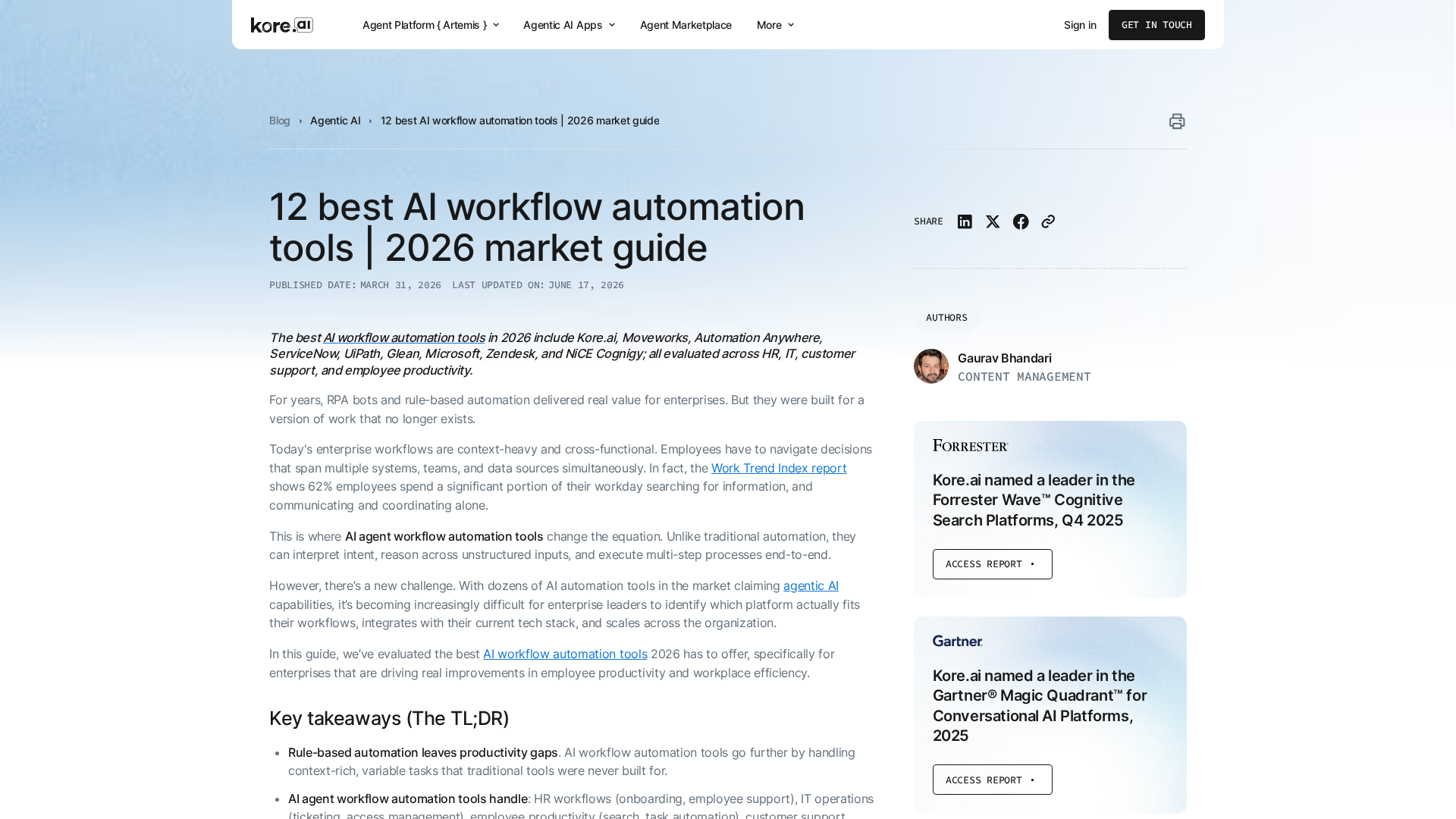
Topic Overview
AI workflow automation and record‑and‑replay tools bring together agentic models, orchestration platforms, and reproducible interaction capture to automate, observe, and debug multistep software tasks. As of mid‑2026 this space emphasizes production reliability—observable agents, compliance-friendly audit trails, and low‑code builders that let non‑engineers assemble workflows while preserving developer control. Key categories include AI Automation Platforms (agent runtimes and marketplaces), Low‑Code Workflow Platforms (visual design and governance), and AI Tool Marketplaces (reusable agents and integrations). Representative technologies: LangChain (open‑source SDKs and commercial platform for building, observing, and deploying LLM agents), MindStudio (no‑code/low‑code visual designer for rapid agent development and operations), and Kore.ai (enterprise multi‑agent orchestration with governance and observability). Agentic systems such as Adept’s ACT‑1 demonstrate models that can act inside software interfaces; testing and replay specialists like QAgent and Bugster provide goal‑based adaptive E2E testing, self‑healing suites, and video/log evidence. Replit illustrates how integrated developer environments and embedded assistants accelerate iteration. Historically, tools like OpenAI Codex seeded automated code‑generation workflows; today they sit alongside more agentic orchestration layers. Practical use cases include automated E2E testing, RPA replacement with richer language and UI understanding, incident replay for root‑cause analysis, and reusable workflow components sold through marketplaces. The dominant trends are increased emphasis on observability and record‑and‑replay for reproducibility, rising enterprise requirements for governance and auditability, and convergence of low‑code UX with developer‑first frameworks to manage complexity without sacrificing control.
Tool Rankings – Top 6

An open-source framework and platform to build, observe, and deploy reliable AI agents.

No-code/low-code visual platform to design, test, deploy, and operate AI agents rapidly, with enterprise controls and a

Enterprise AI agent platform for building, deploying and orchestrating multi-agent workflows with governance, observabil
Agentic AI (ACT-1) that observes and acts inside software interfaces to automate multistep workflows for enterprises.

Skip manual testing your web application. Let AI do the work
Software testing agent
Latest Articles (47)
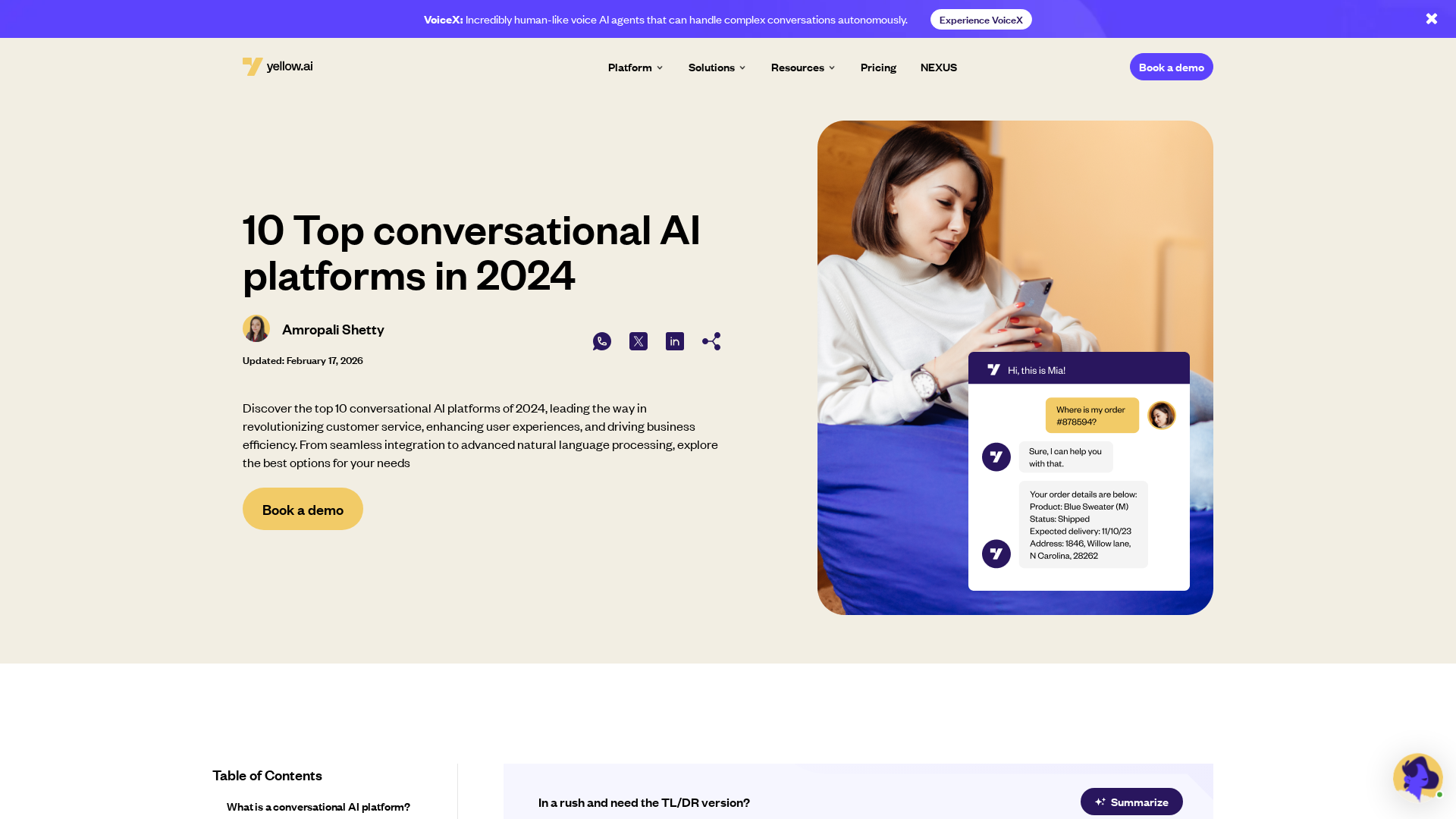
A concise guide to the top 10 conversational AI platforms in 2024, with features, benefits, and use cases.
Comprehensive release notes detailing new test-generation features, monorepo support, and CI/CD improvements across Bugster CLI.
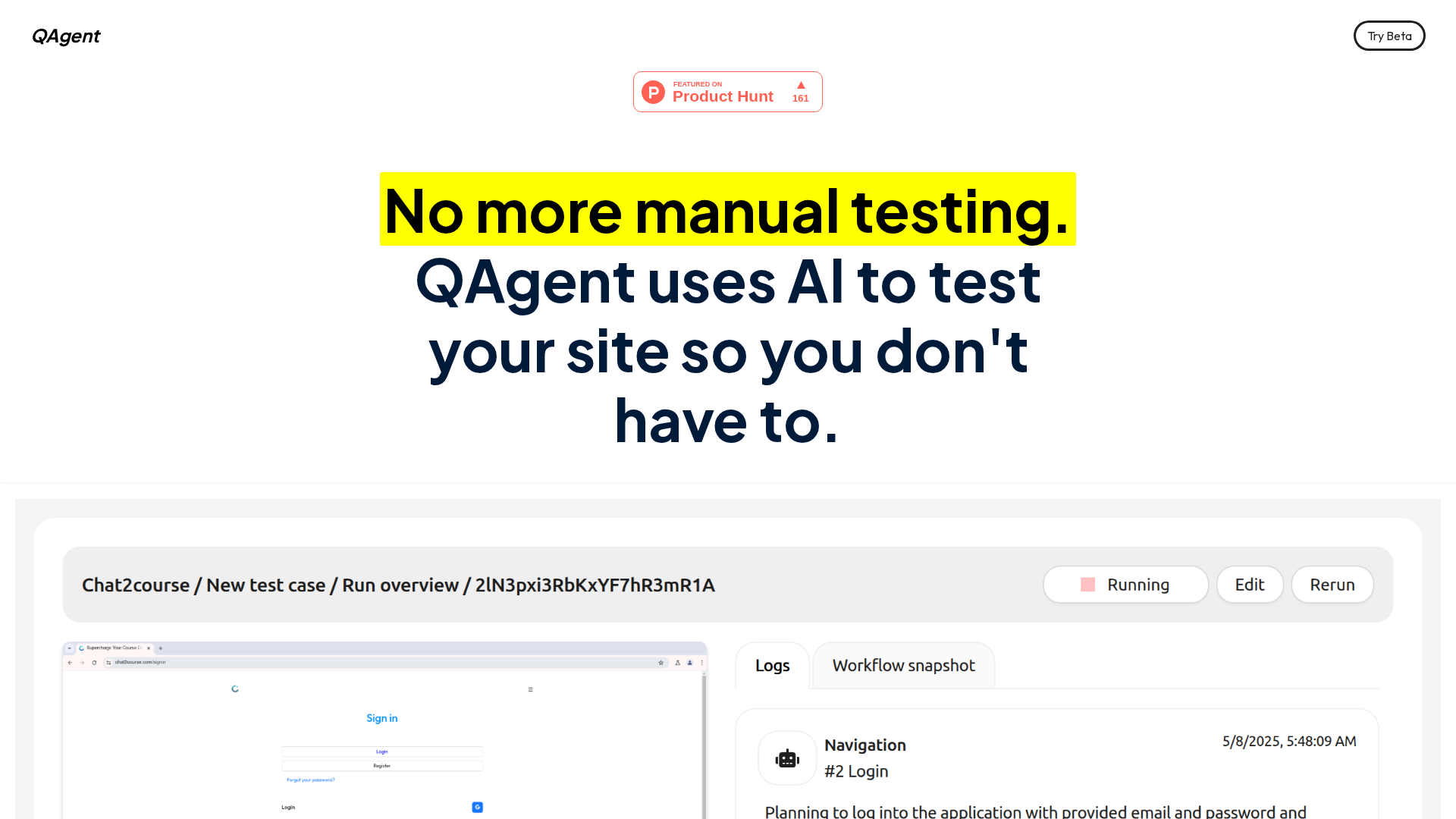
An AI assistant for enhanced Q&A and automation.
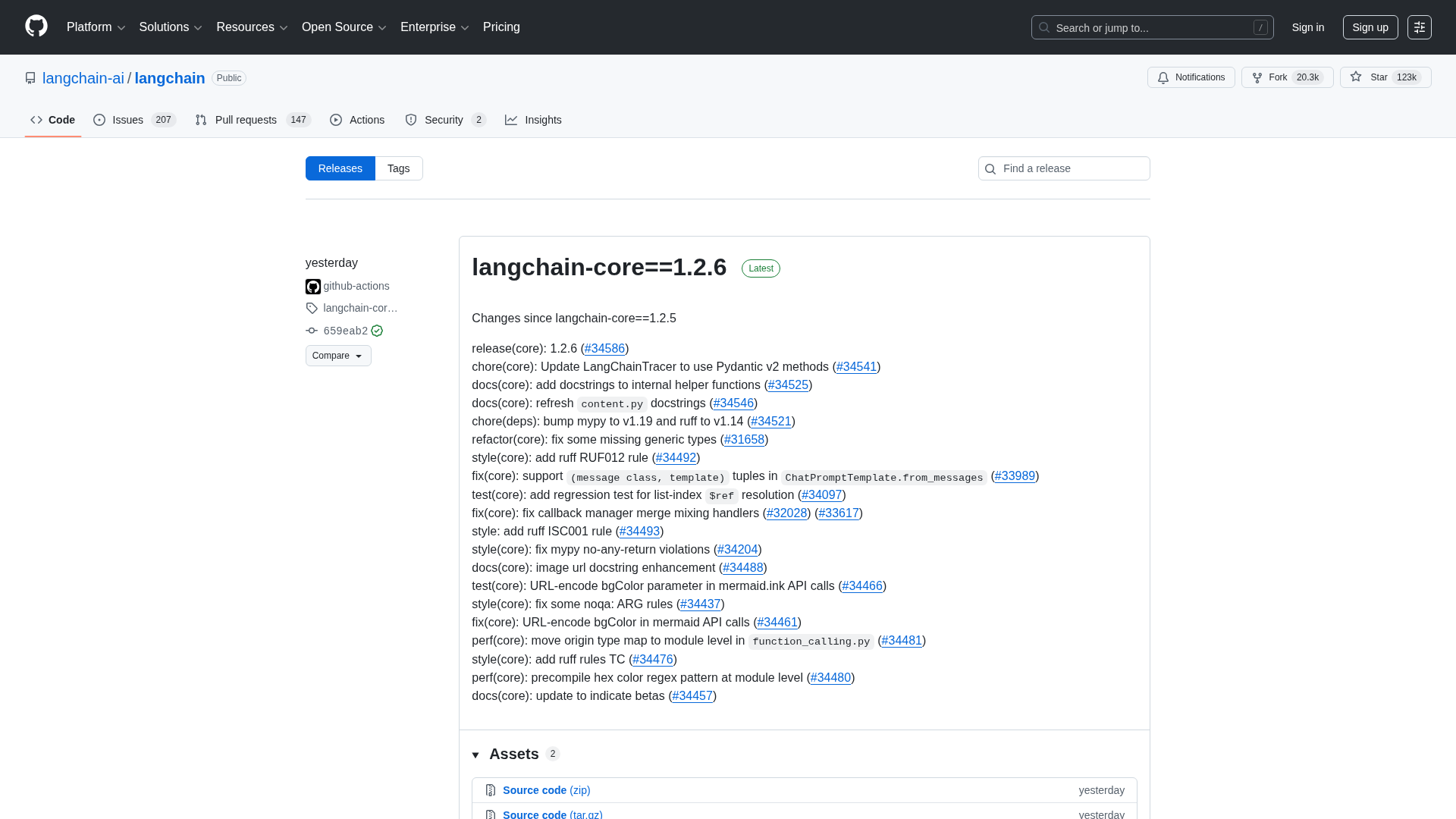
A comprehensive LangChain releases roundup detailing Core 1.2.6 and interconnected updates across XAI, OpenAI, Classic, and tests.
A reproducible bug where LangGraph with Gemini ignores tool results when a PDF is provided, even though the tool call succeeds.