Topic Overview
This topic covers how enterprises use AI to forecast revenue, model spend, automate bookkeeping, and surface procurement intelligence by combining data platforms, ML/GenAI models, and workflow/agent frameworks. With rising cost pressure, supply-chain volatility, and regulatory scrutiny as of 2026-06-11, organizations are moving from rule-based budgeting to probabilistic, real‑time forecasting that links ERP/AP/ procurement data to advanced analytics and language models. Key tool types and roles: Data analytics platforms (e.g., Alteryx One) provide governance‑first, no/low‑code data prep and workflow automation; AI data platforms and MLOps (e.g., Google Vertex AI) enable end‑to‑end model training, evaluation, deployment and monitoring; multimodal GenAI models (e.g., Google Gemini) add natural‑language and cross‑modal reasoning for narrative forecasts and anomaly explanations; engineering frameworks (e.g., LangChain) power reliable agentic workflows that orchestrate models and backend systems; conversational and assistant AI (Claude family, IBM watsonx Assistant, Microsoft 365 Copilot) embed forecasting insights into finance workflows, spreadsheets and collaboration tools. Trends and operational implications: successful implementations prioritize data lineage, model governance, explainability and secure integration with ERPs and procurement platforms (including vendor/academic collaborations such as Coupa & MIT-style initiatives). Hybrid stacks that pair structured forecasting models with LLM-based explanation layers improve stakeholder trust and speed decisions; meanwhile, automation reduces reconciliation toil and surfaces revenue-impacting anomalies. Practical adoption rests on robust MLOps, role-based access controls, and measurable ROI metrics (forecast accuracy, days‑payable/receivable, cost avoidance). This topic is relevant for finance, procurement, and data teams evaluating how to responsibly deploy AI to improve spend visibility, forecasting precision, and operational efficiency.
Tool Rankings – Top 6

Alteryx One — AI-powered, governance-first analytics platform with no-code/low-code workflows and automation.

Unified, fully-managed Google Cloud platform for building, training, deploying, and monitoring ML and GenAI models.

Google’s multimodal family of generative AI models and APIs for developers and enterprises.

Engineering platform and open-source frameworks to build, test, and deploy reliable AI agents.
Anthropic's Claude family: conversational and developer AI assistants for research, writing, code, and analysis.
AI assistant integrated across Microsoft 365 apps to boost productivity, creativity, and data insights.
Latest Articles (87)
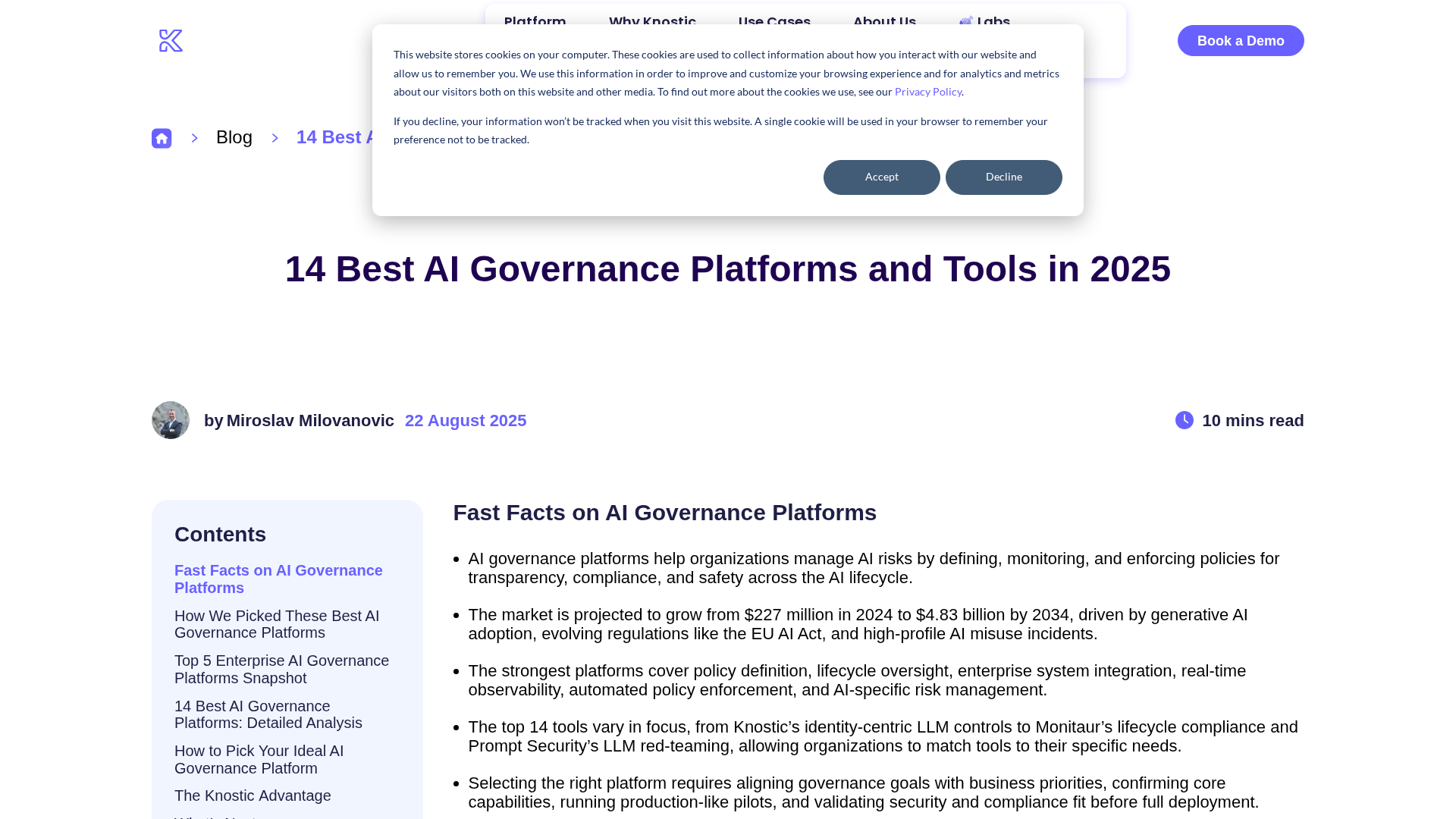
A vendor‑agnostic guide to the 14 best AI governance platforms in 2025, with criteria, comparisons, and practical buying guidance.
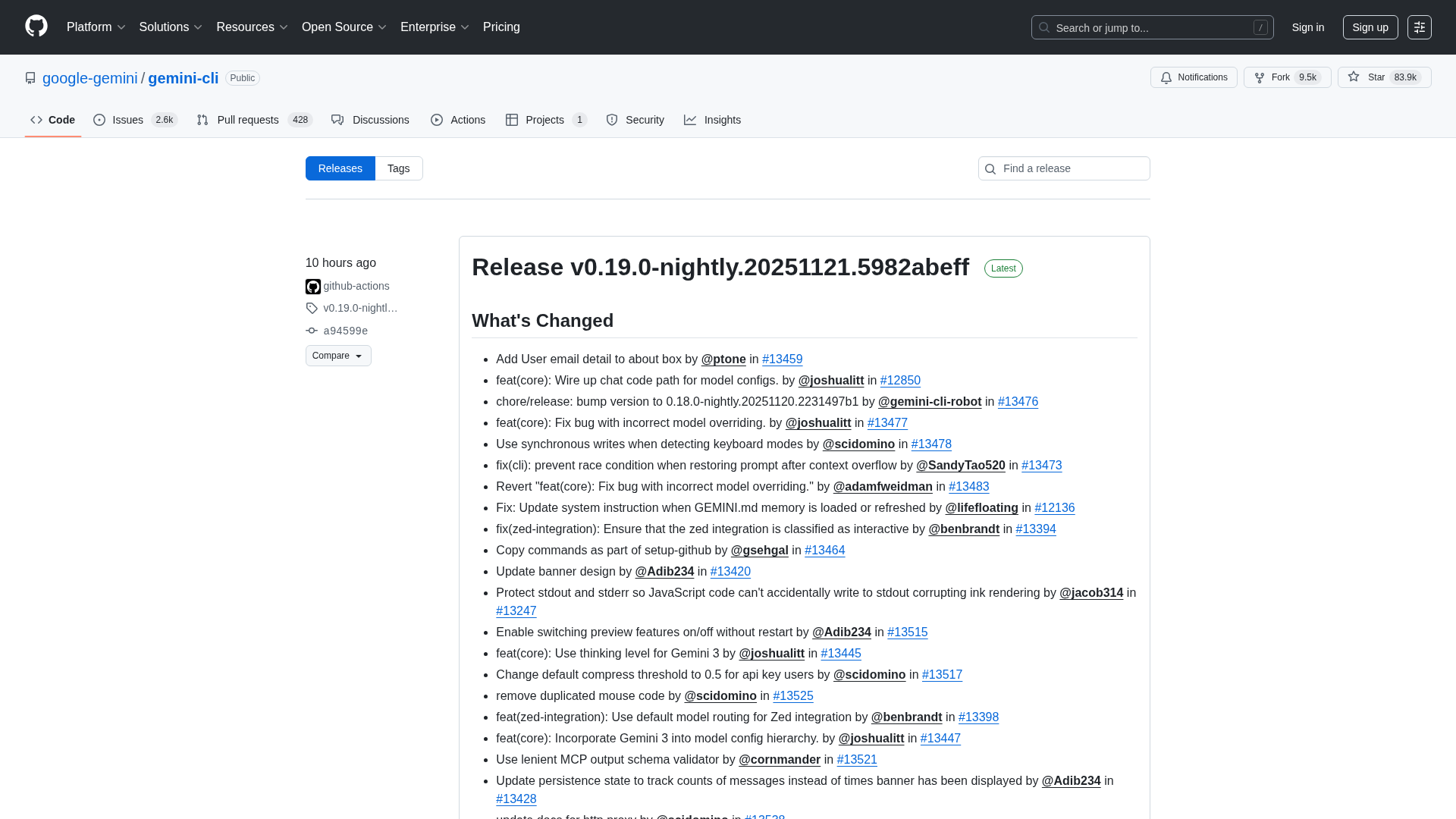
Overview of the Gemini CLI v0.36.0-preview release series, highlighting architectural, CLI, and UI changelogs across multiple pre-release versions.
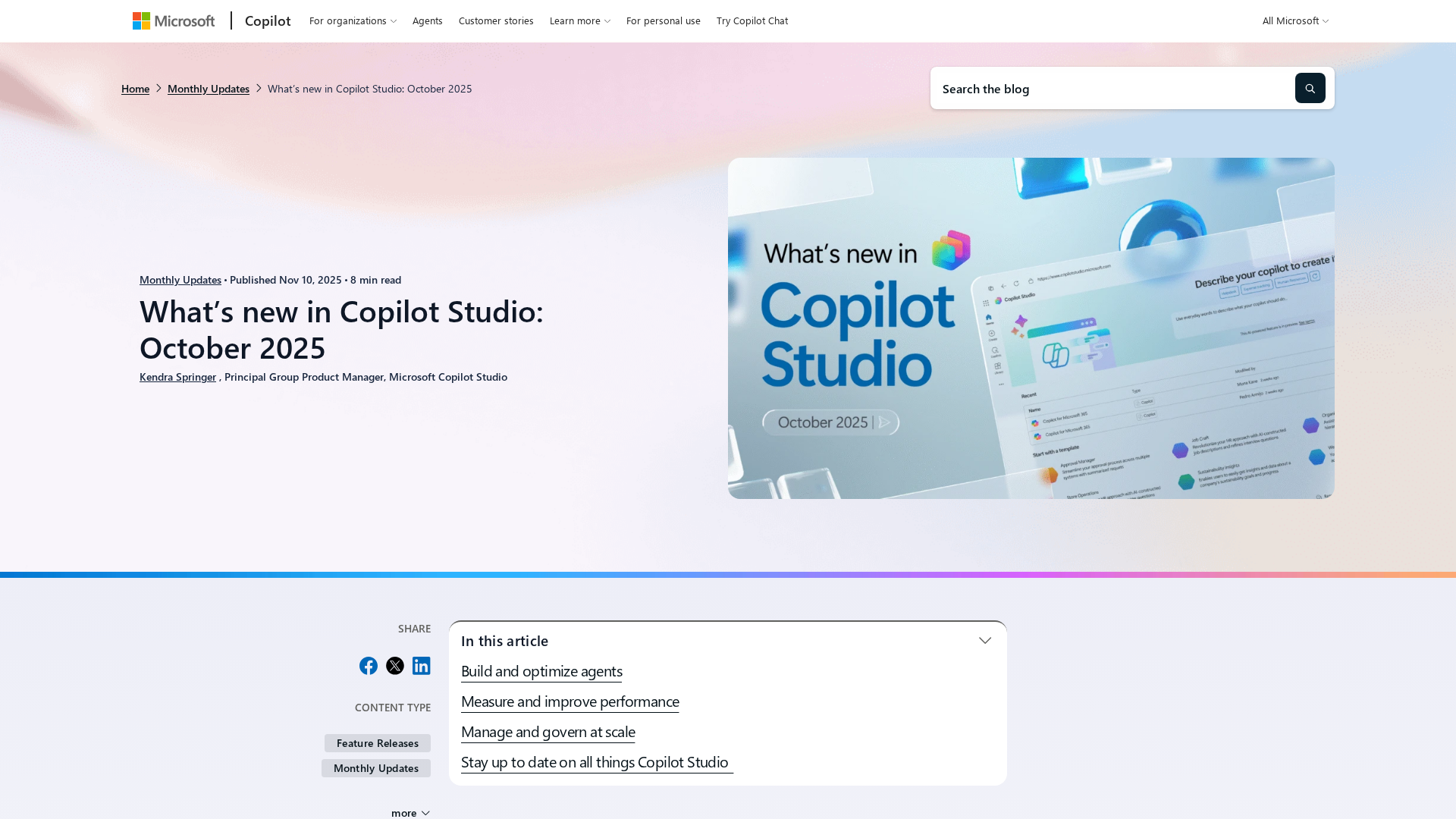
A comprehensive October 2025 roundup of Copilot Studio’s new testing, model, and governance features.
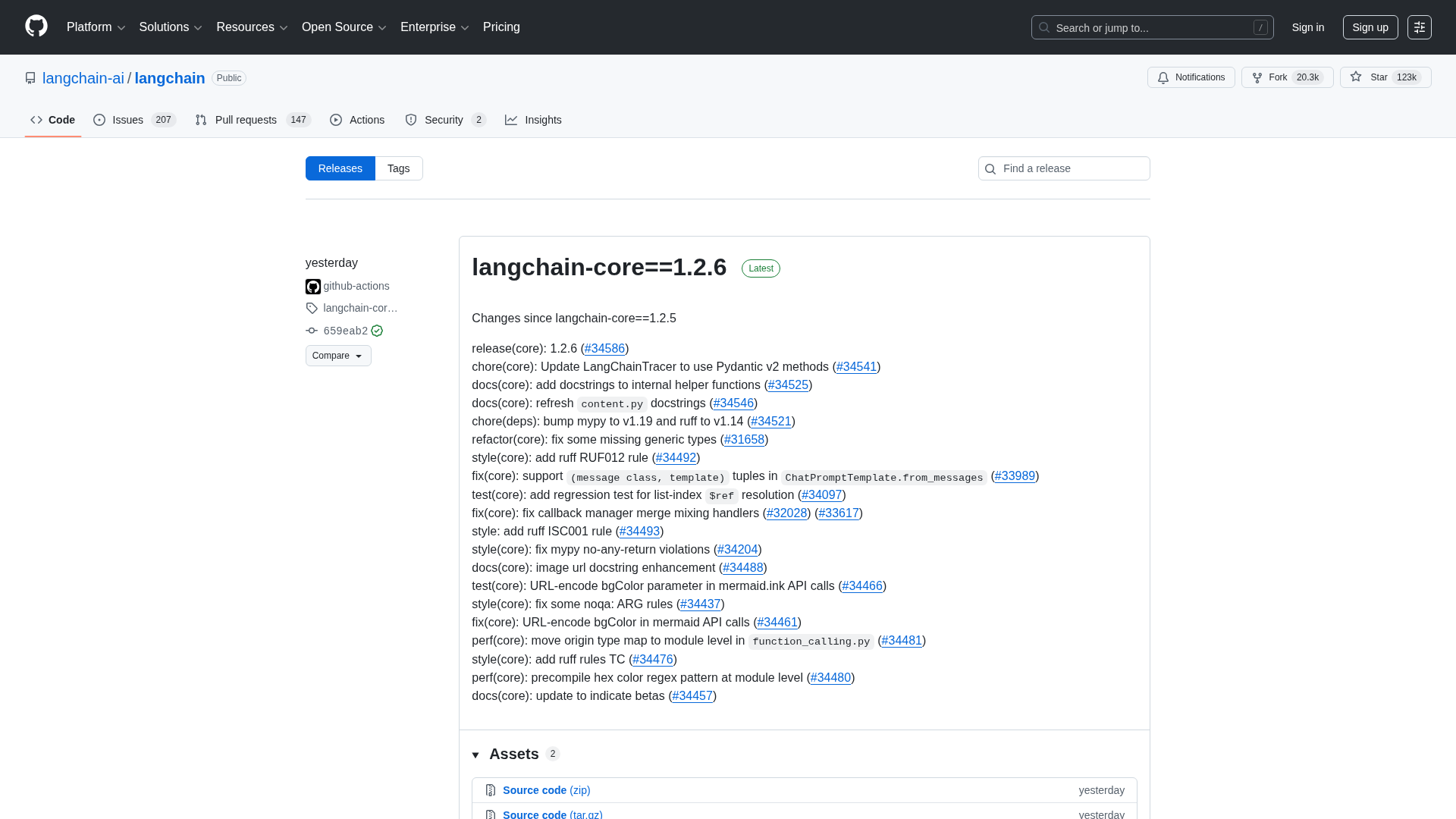
A comprehensive LangChain releases roundup detailing Core 1.2.6 and interconnected updates across XAI, OpenAI, Classic, and tests.

Cannot access the article content due to an access-denied error, preventing summarization.