Topic Overview
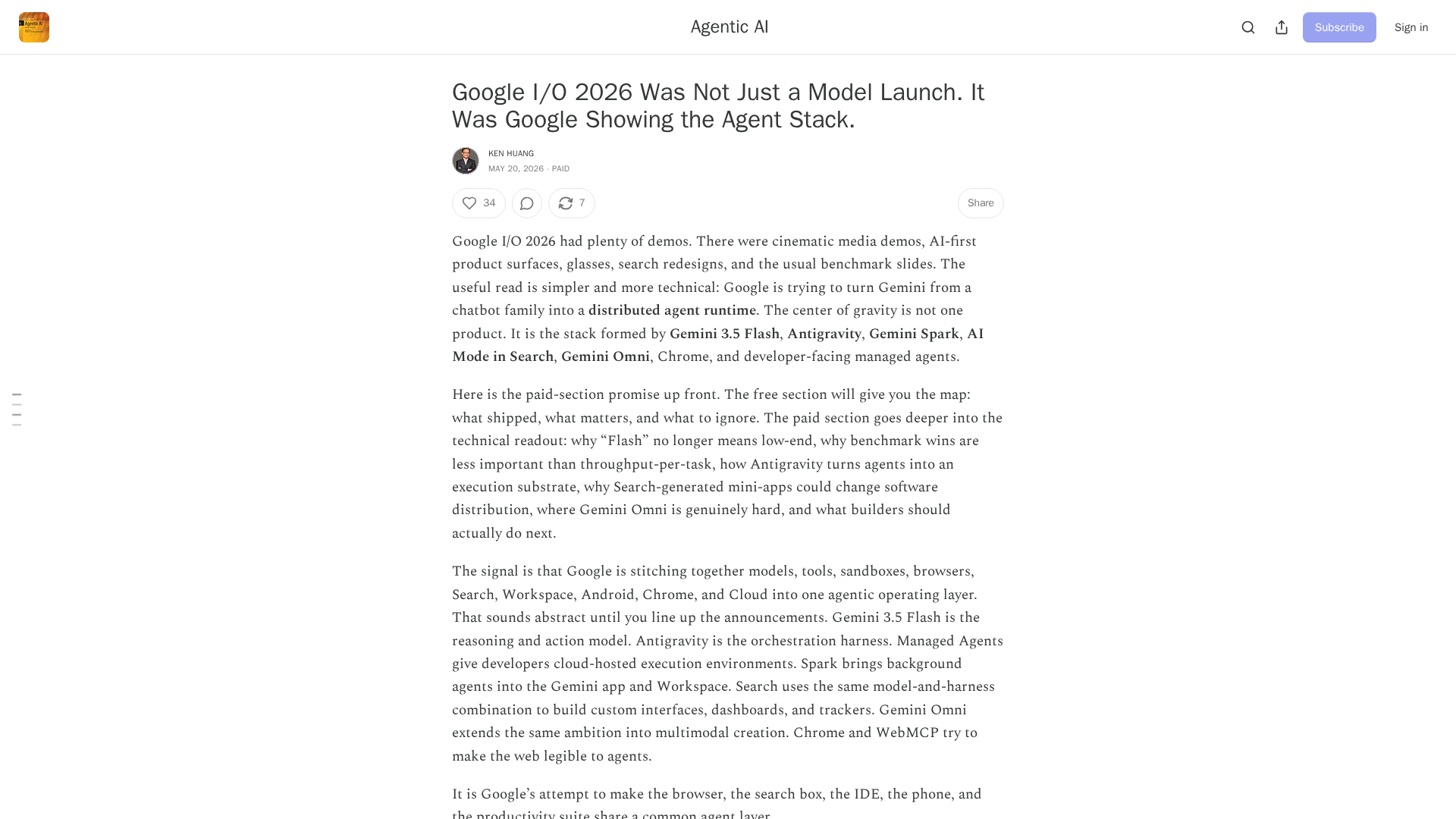
This topic covers the current landscape of agent platforms and human‑backed AI agent toolkits — software stacks, marketplaces, and frameworks used to build, run, and govern autonomous or semi‑autonomous agents. As of 2026, organizations are adopting agentic systems for developer productivity, customer and employee automation, research, and regulated workflows. That momentum makes choices around stateful orchestration, human‑in‑the‑loop controls, observability, and vendor governance central to production deployments. Key categories include agent frameworks (LangChain’s engineering framework and LangGraph state management), enterprise agent platforms (Kore.ai for multi‑agent workflow orchestration; Yellow.ai for CX/EX automation), AI automation and coding platforms (Windsurf for agentic coding in IDEs; Qodo for quality‑first code review and test generation), and marketplaces/no‑code deployment surfaces (AgentGPT for browser‑based autonomous agents; broader AI tool marketplaces that surface templates and templates libraries). Infrastructure and governance players such as Xilos (agentic infrastructure) and Monitaur (policy, monitoring and validation for regulated industries) address visibility, compliance and operational controls. Complementary tools like Perplexity (web‑grounded answer APIs) and Tabby (self‑hosted coding assistant with local model serving) illustrate the split between cloud hosted and self‑hosted deployment models. Practical considerations in 2026 emphasize: choosing frameworks that support stateful, testable agents; platforms that integrate human‑approval and audit trails; marketplaces that provide vetted templates and connectors; and governance layers that centralize policies and monitoring. Comparing AgentKit, Google’s agentic toolsets, and other vendor stacks requires weighing developer ergonomics, observability, security, and the level of human oversight needed for a given domain.
Tool Rankings – Top 6

Engineering platform and open-source frameworks to build, test, and deploy reliable AI agents.

Enterprise AI agent platform for building, deploying and orchestrating multi-agent workflows with governance, observabil

A browser-based platform to create and deploy autonomous AI agents with simple goals.

AI-native IDE and agentic coding platform (Windsurf Editor) with Cascade agents, live previews, and multi-model support.

Quality-first AI coding platform for context-aware code review, test generation, and SDLC governance across multi-repo,팀
AI-powered answer engine delivering real-time, sourced answers and developer APIs.
Latest Articles (98)
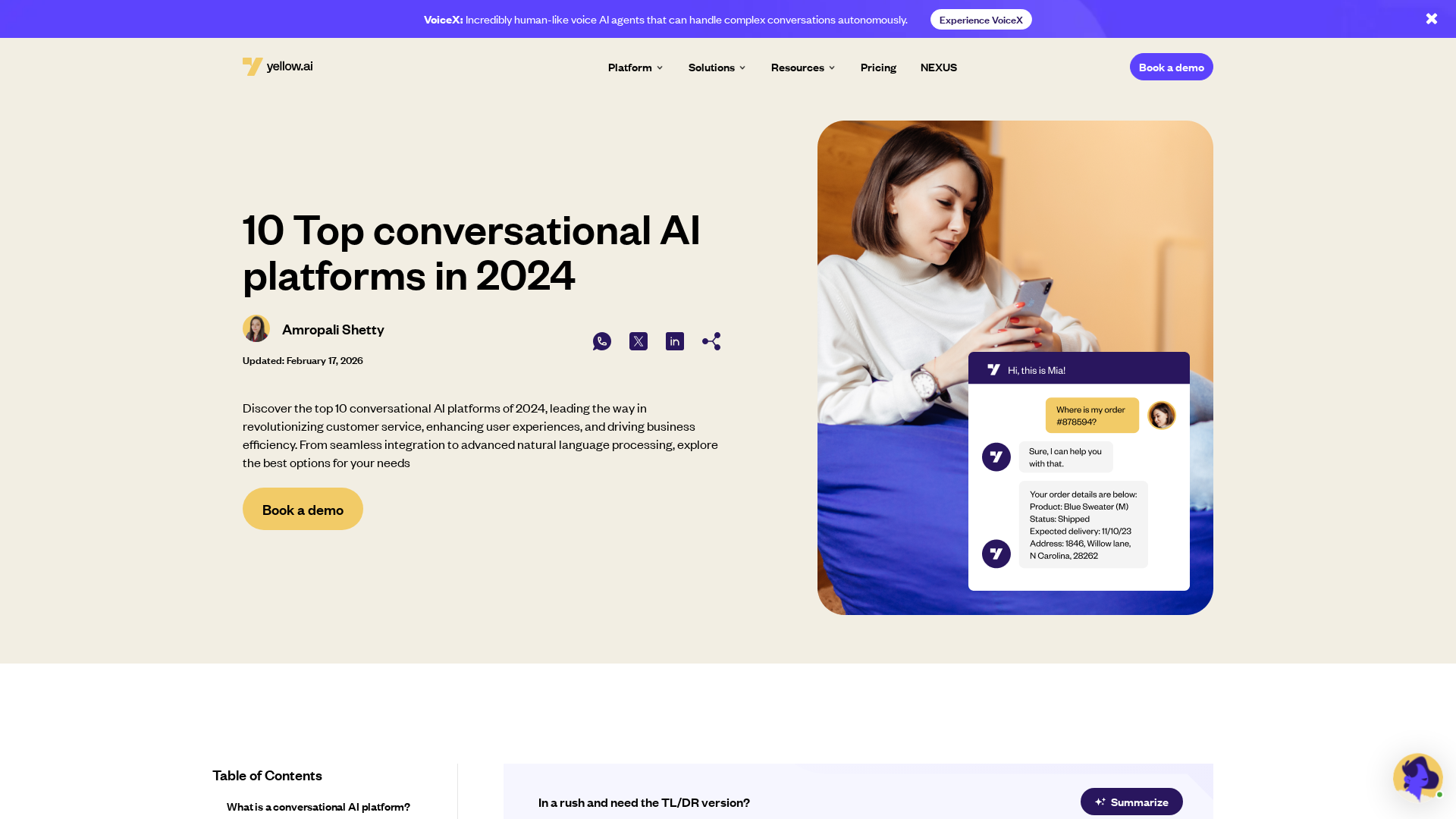
A concise guide to the top 10 conversational AI platforms in 2024, with features, benefits, and use cases.
OpenAI’s bypass moment underscores the need for governance that survives inevitable user bypass and hardens system controls.
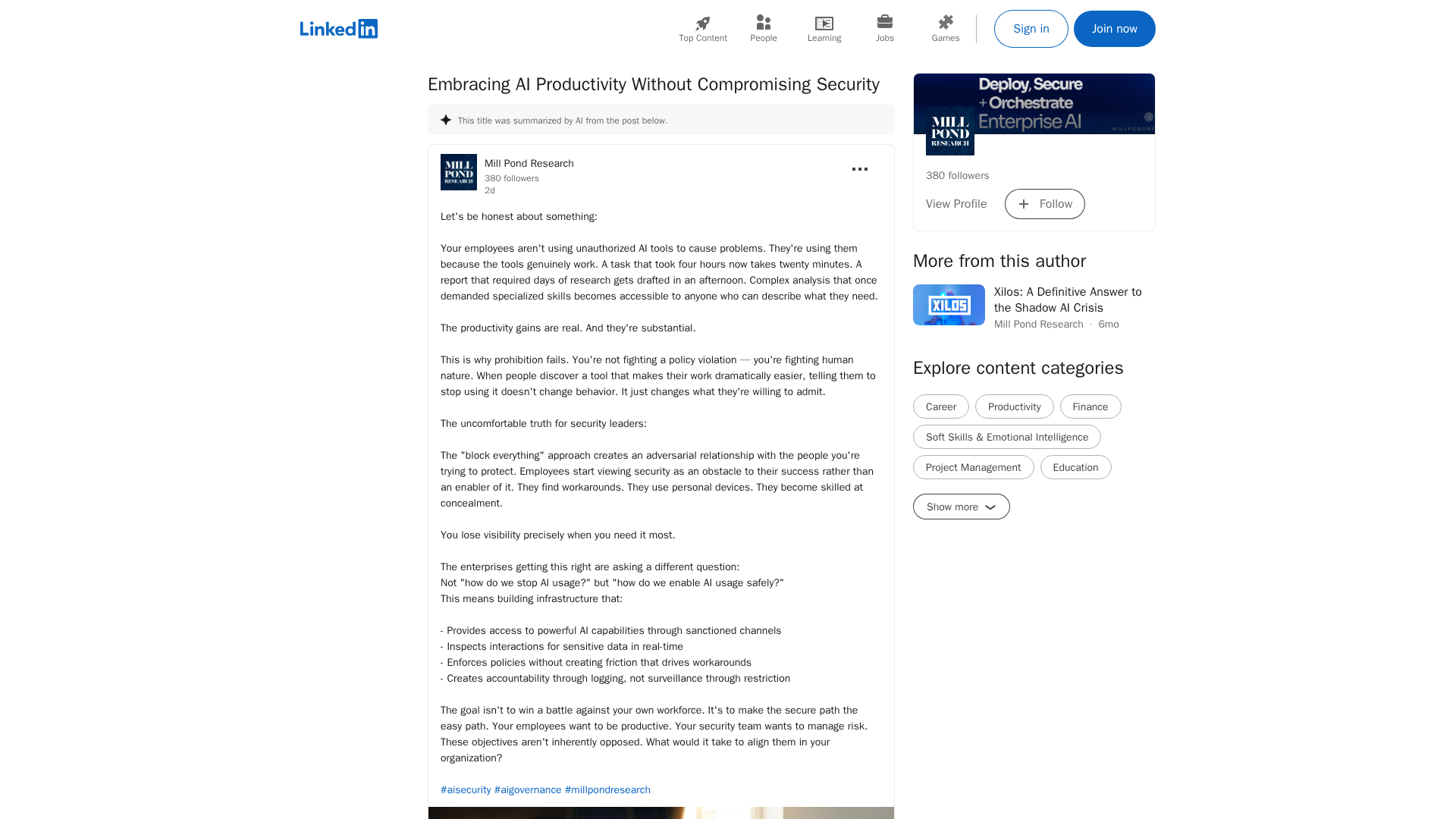
A call to enable safe AI use at work via sanctioned access, real-time data protections, and frictionless governance.
Explores the human role behind AI automation and how Bell Cyber tackles AI hallucinations in security operations.
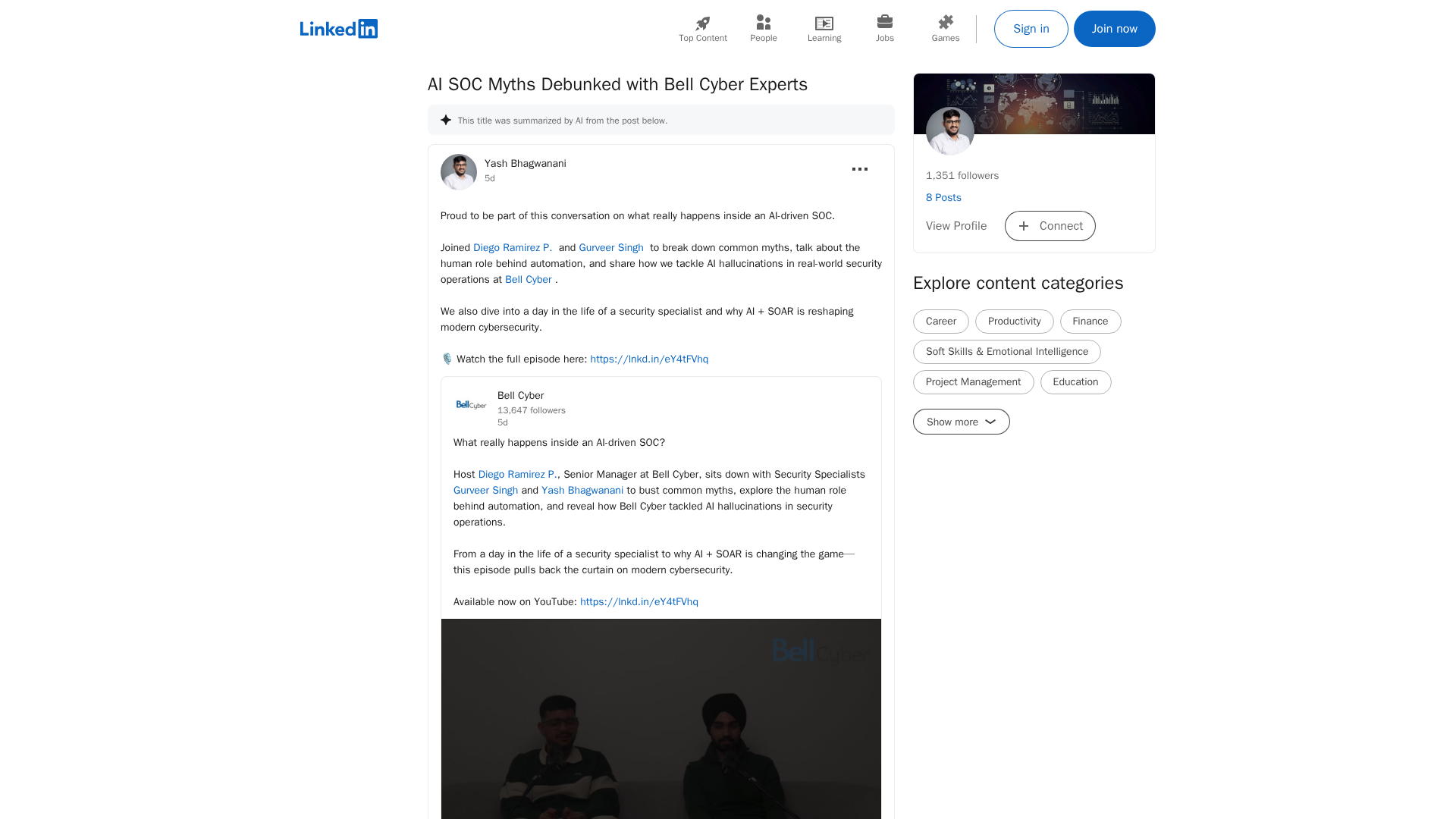
A real-world look at AI in SOCs, debunking myths and highlighting the human role behind automation with Bell Cyber experts.