Topic Overview
This topic examines the leading enterprise platforms and ecosystems for large language models (LLMs) and AI agents as of early 2026, focusing on operational fit, agent orchestration, marketplaces, and governance. Enterprises now choose between managed LLM clouds (Claude Cloud, Azure OpenAI, Google Vertex AI, AWS Bedrock, Snowflake‑Anthropic) that combine model access, data connectivity, and compliance controls, and a growing set of agent frameworks and marketplaces that simplify multi-agent workflows. Key trends include multimodal model APIs, tighter data-platform integrations, on‑demand fine‑tuning and retrieval-augmented retrieval, and acceleration layers for low-latency inference. Tool categories and representative capabilities: managed LLM platforms—Claude (Anthropic) and cloud providers’ offerings provide hosted conversational and developer assistants for research, code, and analysis; Vertex AI, Azure OpenAI and Bedrock provide model catalogs, deployment, and MLOps integrations; Snowflake‑Anthropic highlights data-platform model access patterns. Agent frameworks and marketplaces—LangChain and commercial derivatives standardize agent building blocks and observability; MindStudio offers no‑code/low‑code visual agent design for business users; agent marketplaces enable discovery and reuse of prebuilt skills. Infrastructure and acceleration—Together AI and similar clouds focus on efficient training, fine‑tuning and serverless inference for custom or open models. Security and governance are central: enterprises require audit trails, access controls, model provenance, evaluation pipelines, and controls for data residency and hallucination mitigation. Evaluating platforms in 2026 means balancing developer flexibility, integration with enterprise data, operational costs, and the maturity of agent orchestration and governance features rather than raw model performance alone.
Tool Rankings – Top 6
Anthropic's Claude family: conversational and developer AI assistants for research, writing, code, and analysis.

Google’s multimodal family of generative AI models and APIs for developers and enterprises.

Enterprise virtual agents and AI assistants built with watsonx LLMs for no-code and developer-driven automation.

An open-source framework and platform to build, observe, and deploy reliable AI agents.

No-code/low-code visual platform to design, test, deploy, and operate AI agents rapidly, with enterprise controls and a

A full-stack AI acceleration cloud for fast inference, fine-tuning, and scalable GPU training.
Latest Articles (69)
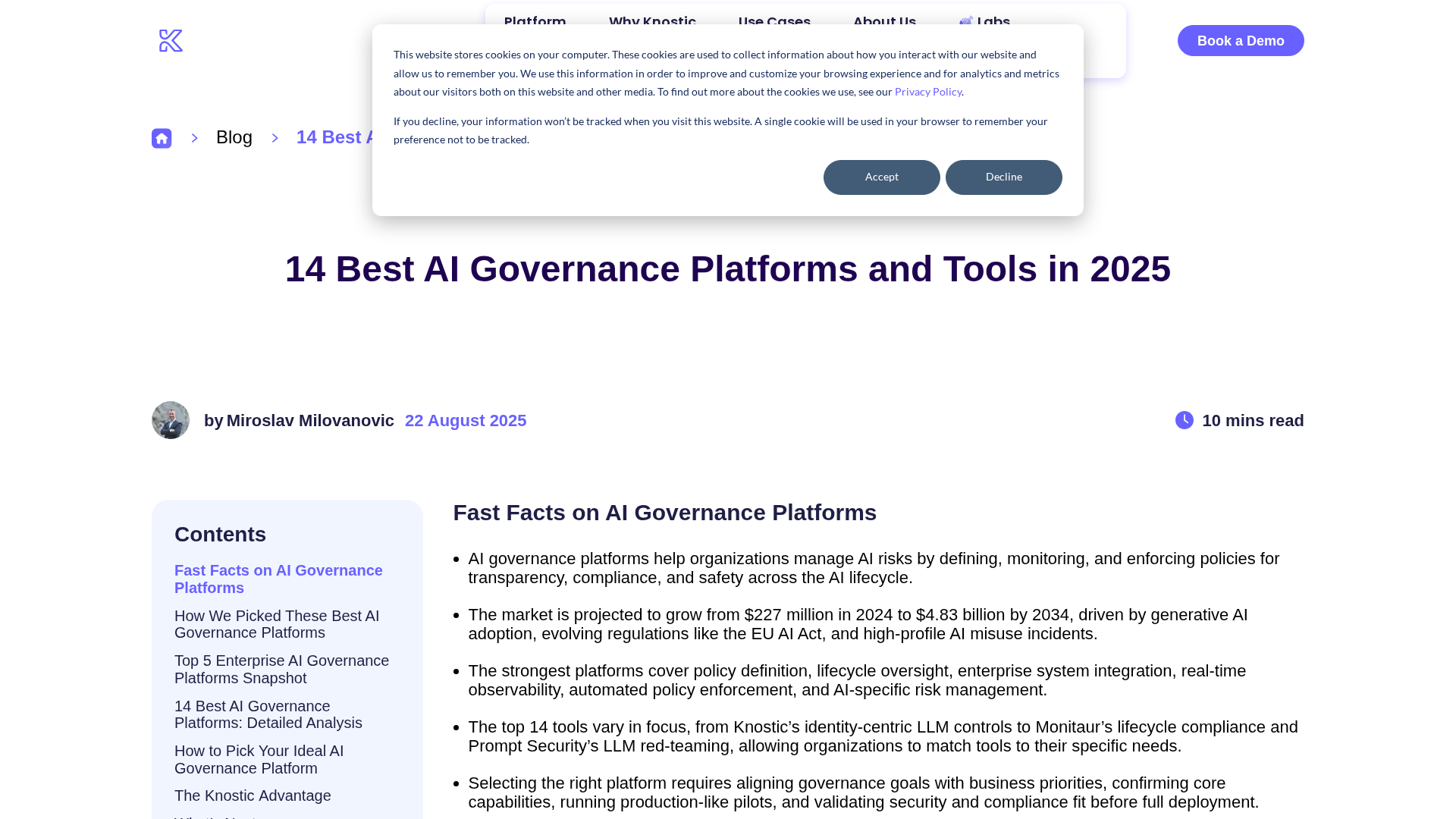
A vendor‑agnostic guide to the 14 best AI governance platforms in 2025, with criteria, comparisons, and practical buying guidance.
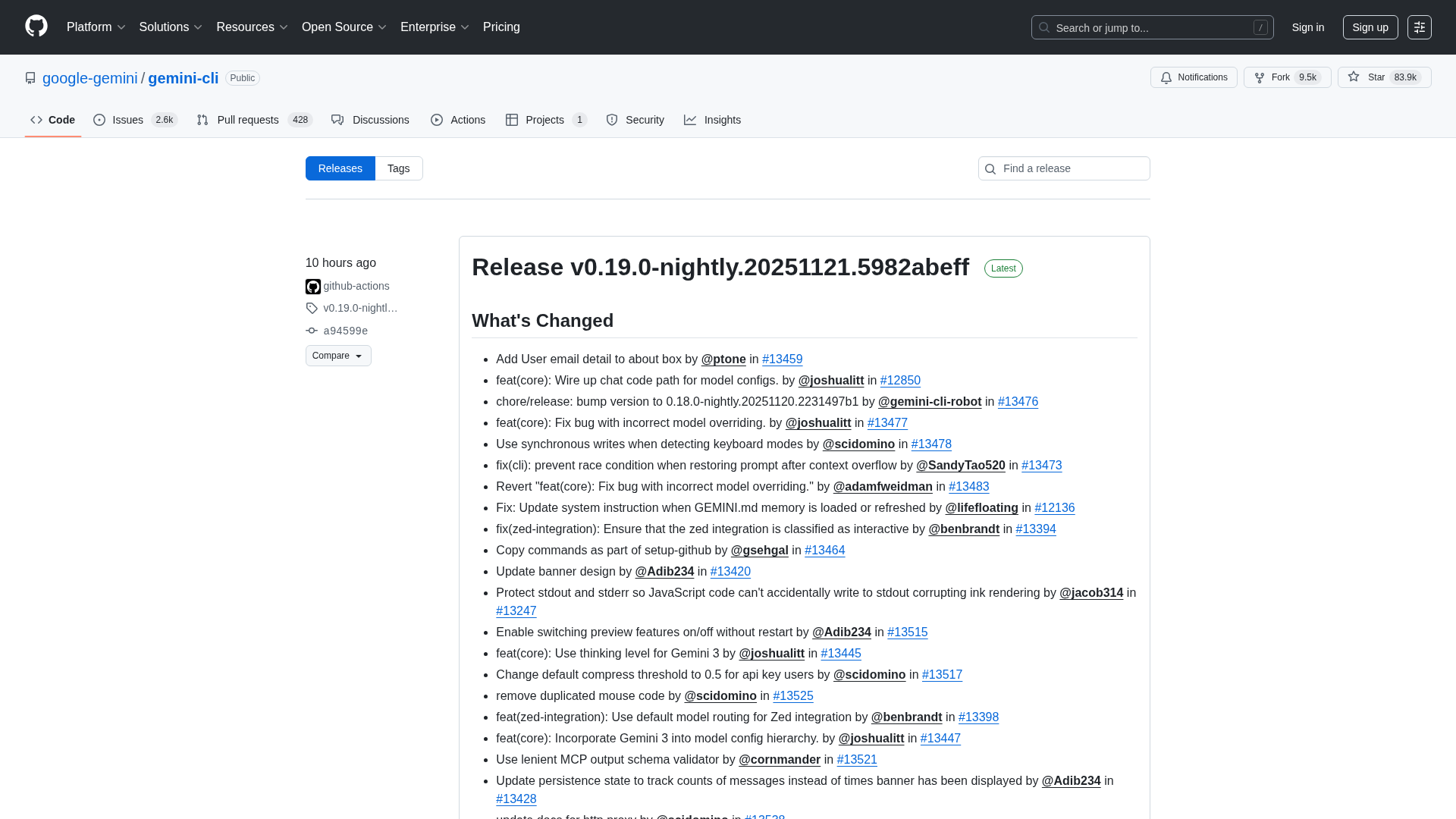
Overview of the Gemini CLI v0.36.0-preview release series, highlighting architectural, CLI, and UI changelogs across multiple pre-release versions.

Baseten launches an AI training platform to compete with hyperscalers, promising simpler, more transparent ML workflows.
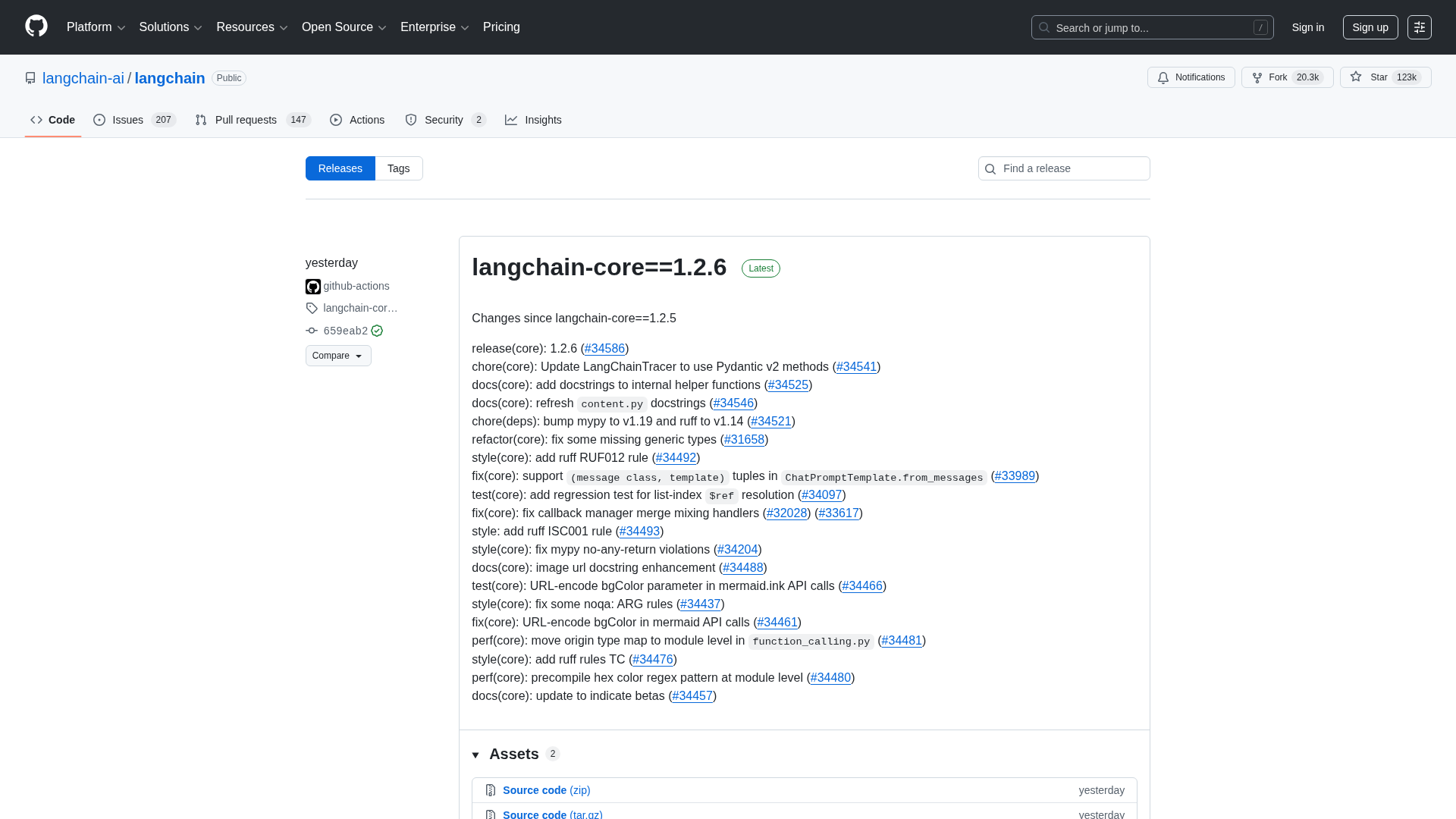
A comprehensive LangChain releases roundup detailing Core 1.2.6 and interconnected updates across XAI, OpenAI, Classic, and tests.
A reproducible bug where LangGraph with Gemini ignores tool results when a PDF is provided, even though the tool call succeeds.