Topic Overview
This topic covers enterprise LLM deployment platforms designed for sovereign, on‑premises and hybrid environments, and how organizations choose between open‑source, developer‑first frameworks and commercial, governance‑focused platforms. In 2026, regulatory pressure, data residency needs, latency and cost considerations, and the rise of agentic AI have made controlled, auditable deployments a business necessity. Key capabilities now include secure model serving, embeddings and retrieval, lifecycle management, multi‑agent orchestration, observability and fine‑grained access controls. Representative tools illustrate common approaches: LangChain offers a developer‑first SDK and platform for building, testing and deploying reliable LLM agents; Kore.ai targets enterprise orchestration with no‑code to pro‑code workflows and built‑in governance/observability; Xilos positions itself as an agentic infrastructure with end‑to‑end visibility into agent activity and connected services; Tabby is an open‑source, self‑hosted coding assistant emphasizing local‑first model serving and IDE integration; Cohere provides enterprise LLMs, private/customizable models, embeddings and retrieval services; GPTConsole supplies developer tooling (SDK, API, CLI, web) for event chaining, memory and lifecycle management. Choosing between these options requires weighing tradeoffs: open‑source flexibility and local control versus commercial support and integrated governance; on‑prem isolation versus hybrid scalability; deep observability and audit trails versus rapid developer iteration. Evaluation criteria should include deployment model (on‑prem, hybrid, sovereign cloud), security and compliance features, integration with AI data platforms, model stewardship and auditability, developer experience, and cost at scale. This topic helps enterprise teams align platform choice to regulatory constraints, operational requirements and the growing complexity of agentic LLM applications.
Tool Rankings – Top 6

An open-source framework and platform to build, observe, and deploy reliable AI agents.

Enterprise AI agent platform for building, deploying and orchestrating multi-agent workflows with governance, observabil
Intelligent Agentic AI Infrastructure
.avif)
Open-source, self-hosted AI coding assistant with IDE extensions, model serving, and local-first/cloud deployment.

Enterprise-focused LLM platform offering private, customizable models, embeddings, retrieval, and search.

Developer-focused platform (SDK, API, CLI, web) to create, share and monetize production-ready AI agents.
Latest Articles (42)
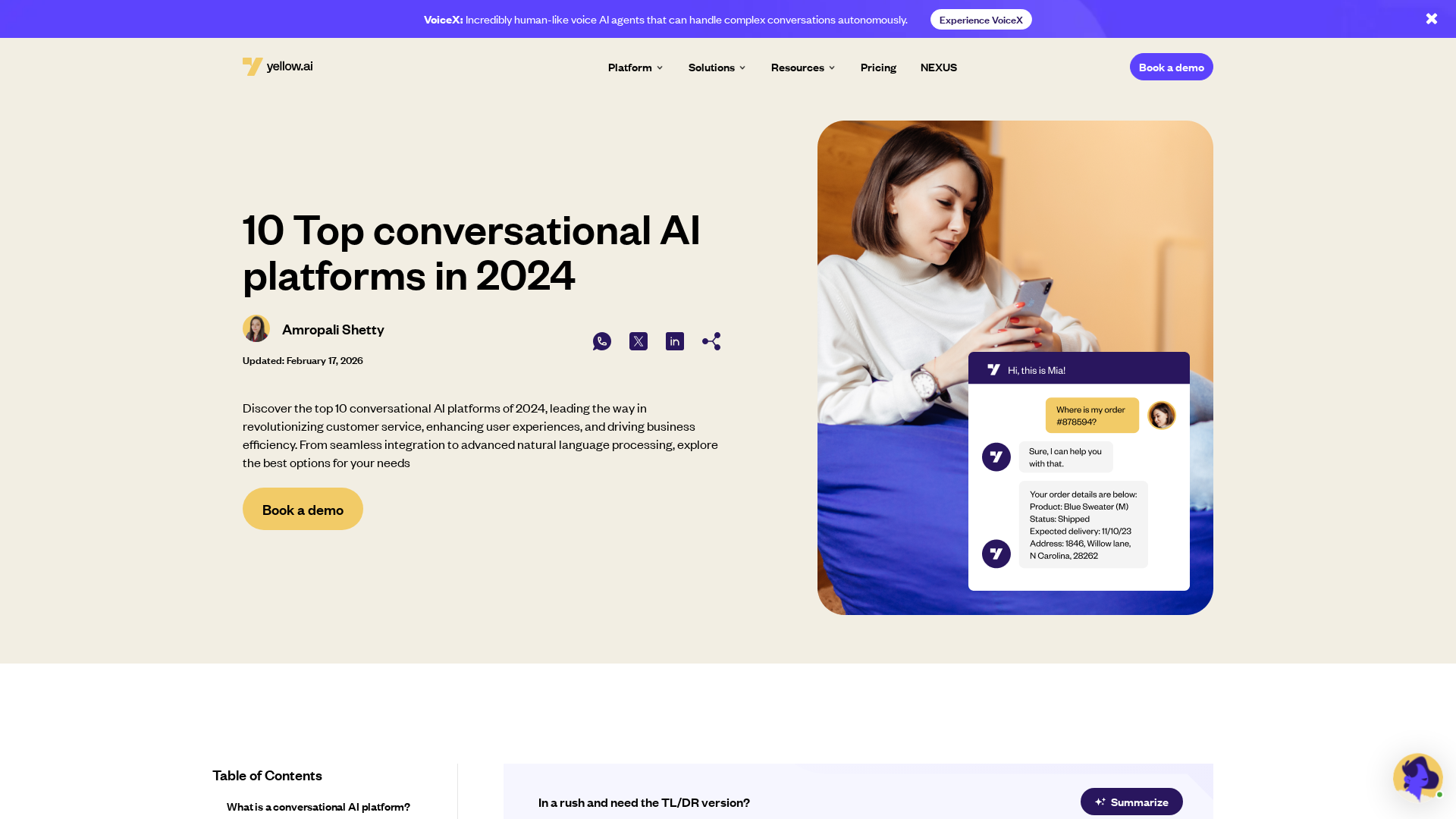
A concise guide to the top 10 conversational AI platforms in 2024, with features, benefits, and use cases.
OpenAI’s bypass moment underscores the need for governance that survives inevitable user bypass and hardens system controls.
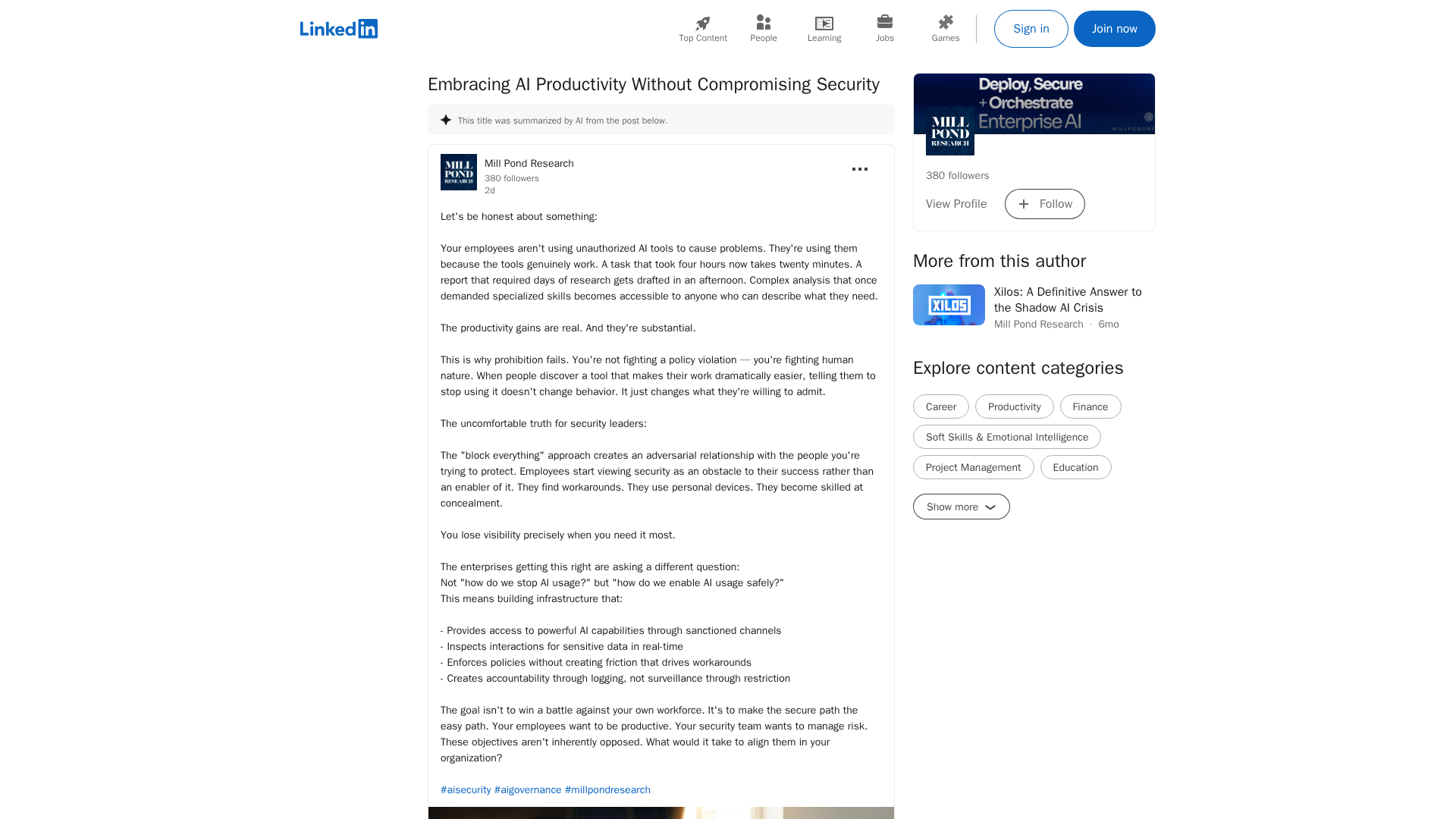
A call to enable safe AI use at work via sanctioned access, real-time data protections, and frictionless governance.
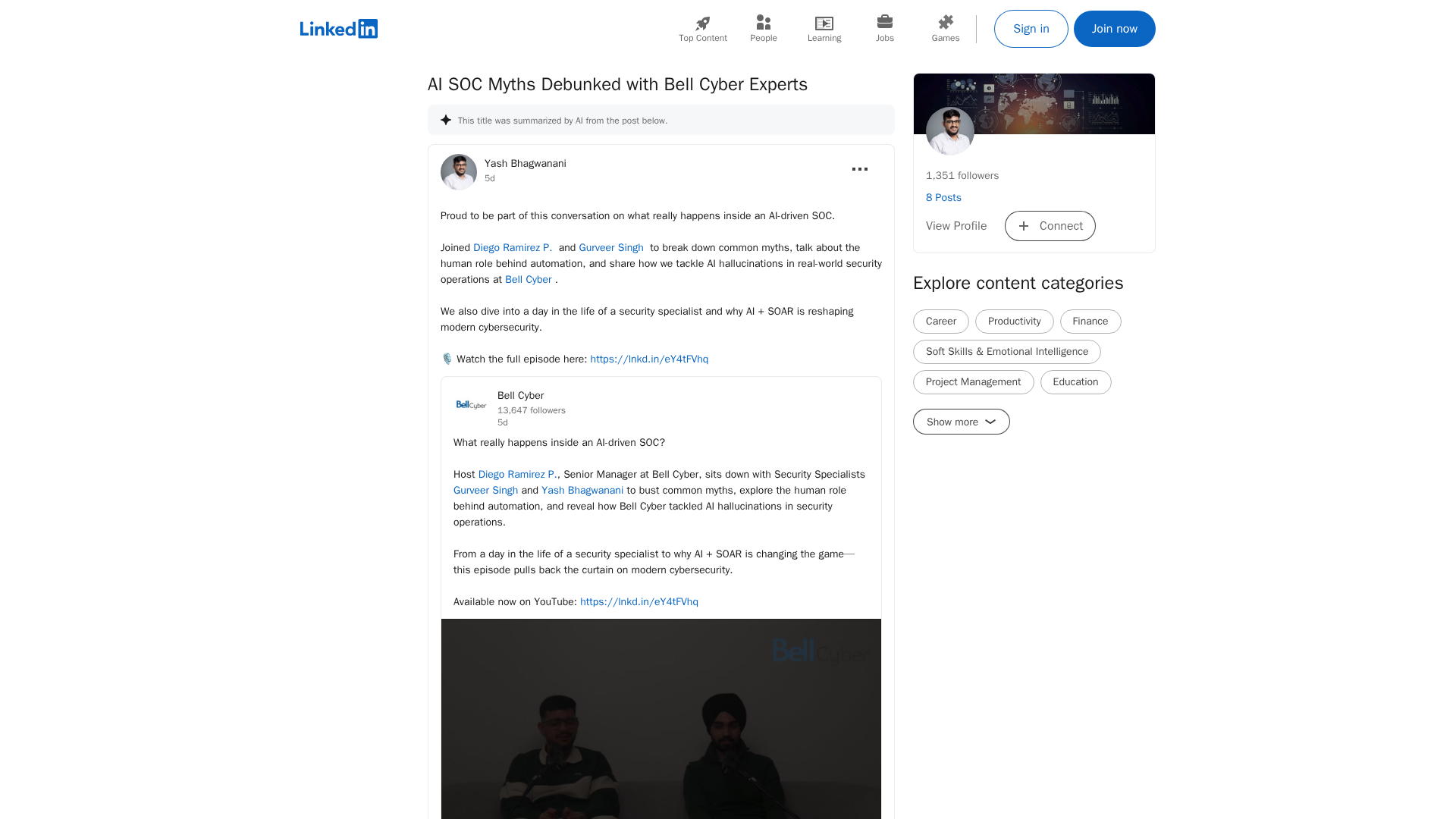
A real-world look at AI in SOCs, debunking myths and highlighting the human role behind automation with Bell Cyber experts.
Explores the human role behind AI automation and how Bell Cyber tackles AI hallucinations in security operations.