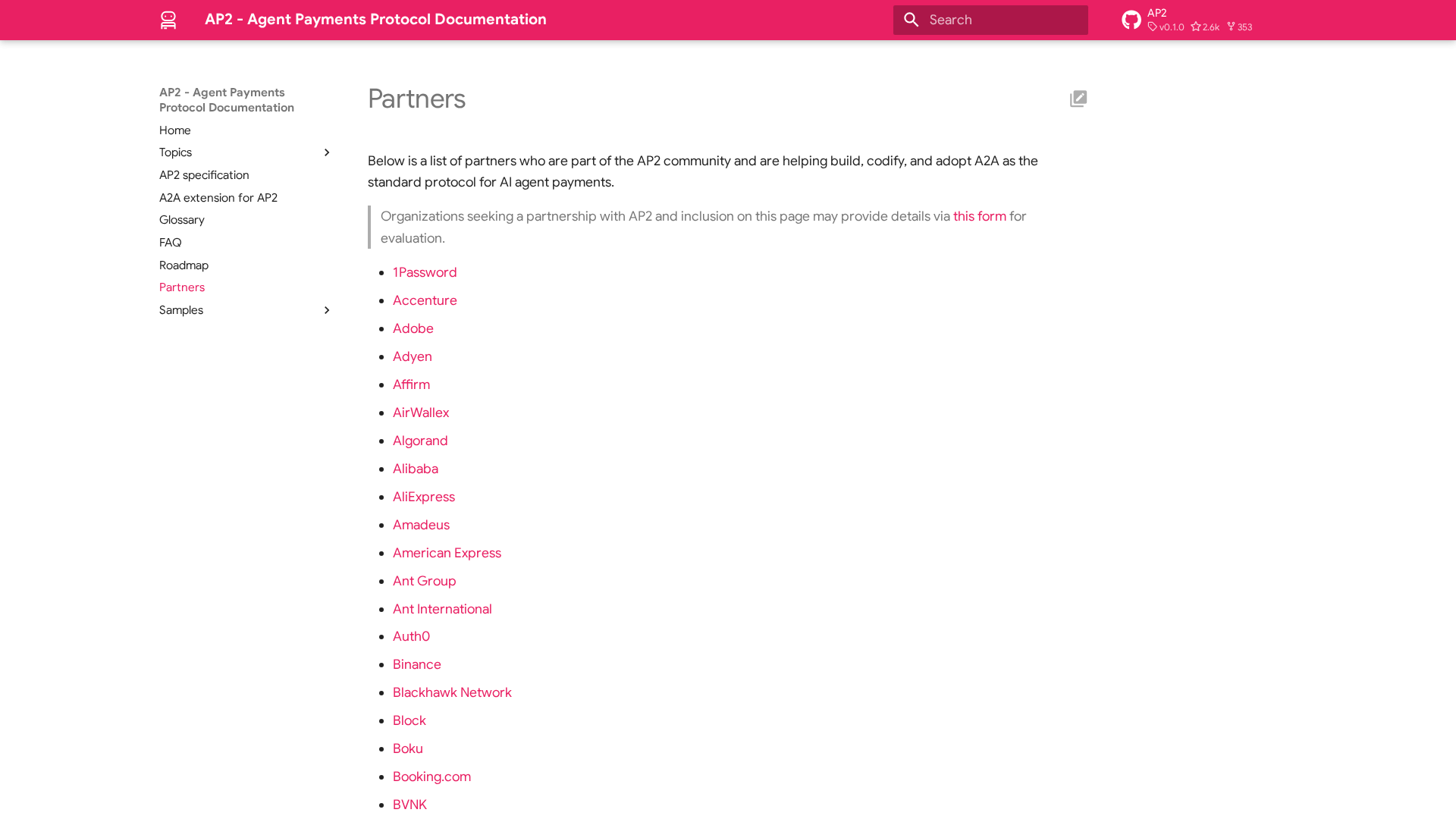
Topic Overview
This topic examines on‑chain payment mechanisms designed for autonomous AI agents — using Fetch.ai’s ASI:One (as the example agent‑centric rail in the title) as a focal point — and compares them to alternative on‑chain solutions. The core question is how payments are structured, routed, settled and integrated with agent marketplaces, decentralized AI infrastructure and developer tooling. Relevance and timing: by late 2025, agentic applications are moving from prototypes to production use, increasing demand for low‑latency micropayments, programmable settlement, composable economic primitives (staking, escrow, rewards) and simpler developer UX (gas abstraction, account abstraction, cross‑chain bridges). At the same time, decentralized AI stacks and marketplaces are converging with DeFi primitives, making payment design a central architectural decision for deployments. Key tool categories and examples: Agent marketplaces (Agentverse) provide hosting, discovery and monetization channels for agents; decentralized AI infrastructure (Tensorplex Labs) embeds blockchain/DeFi primitives such as staking and cross‑chain settlement; agent engineering and deployment frameworks (LangChain) supply the runtime and state management for agents; developer environments (Warp, Windsurf) accelerate agent development and integrate agentic workflows with testing and CI. Together these components determine how an on‑chain payment solution will be adopted. Comparative dimensions: important considerations include micropayment granularity and cost, latency and finality, composability with DeFi (staking, automated market makers, escrow), identity and permissioning for agents, privacy-preserving settlement, cross‑chain interoperability, and developer ergonomics (SDKs, IDE integration). Evaluating ASI:One versus alternative rails means assessing these tradeoffs in light of target workloads, marketplace requirements and regulatory context. This overview is intended to frame practical comparisons rather than promote any single approach.
Tool Rankings – Top 5
Cloud platform and marketplace for building, deploying, listing and monitoring autonomous AI agents.
Open-source, decentralized AI infrastructure combining model development with blockchain/DeFi primitives (staking, cross

Agentic Development Environment (ADE) — a modern terminal + IDE with built-in AI agents to accelerate developer flows.

AI-native IDE and agentic coding platform (Windsurf Editor) with Cascade agents, live previews, and multi-model support.

Engineering platform and open-source frameworks to build, test, and deploy reliable AI agents.
Latest Articles (45)
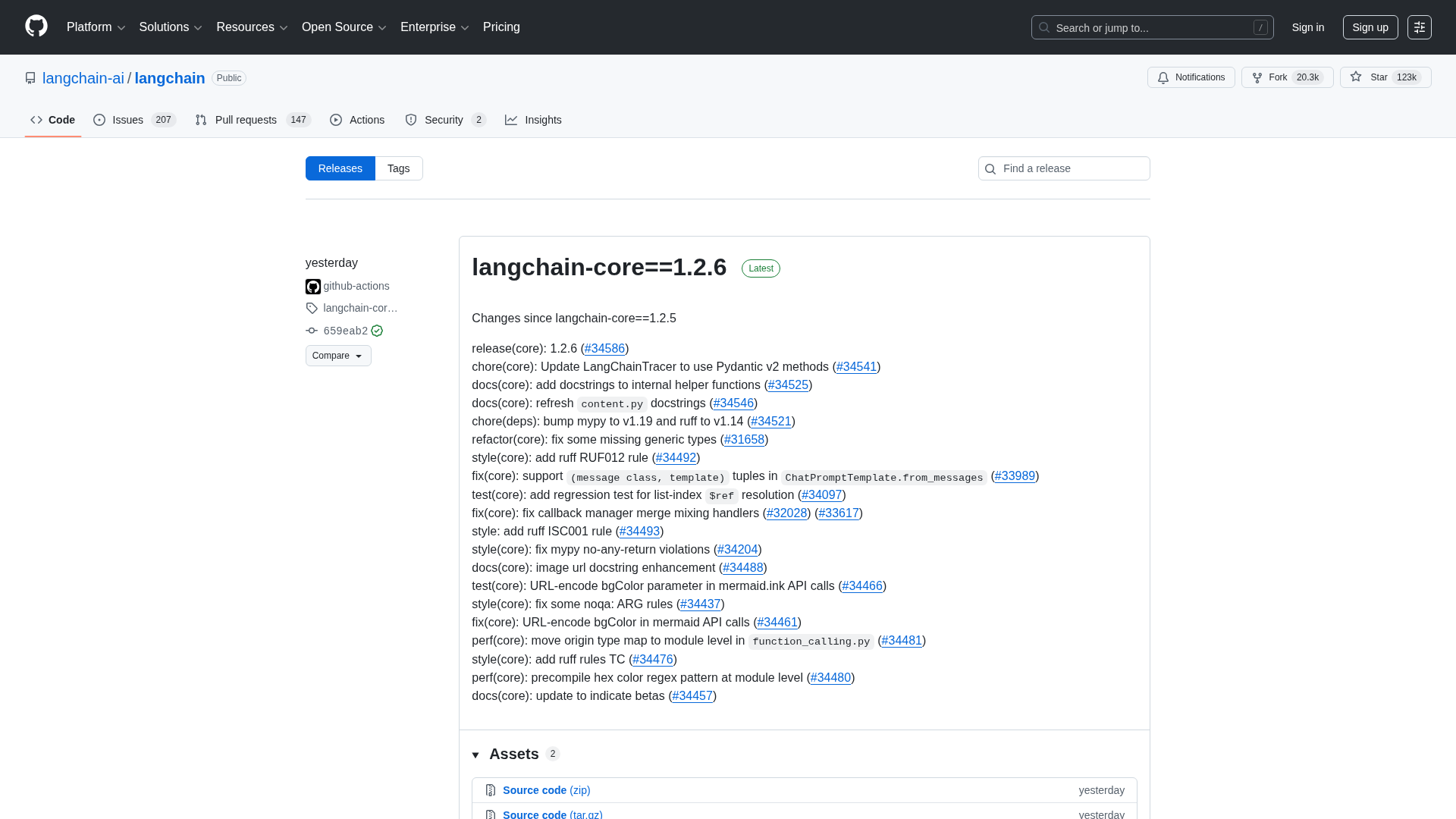
A comprehensive LangChain releases roundup detailing Core 1.2.6 and interconnected updates across XAI, OpenAI, Classic, and tests.

Cannot access the article content due to an access-denied error, preventing summarization.
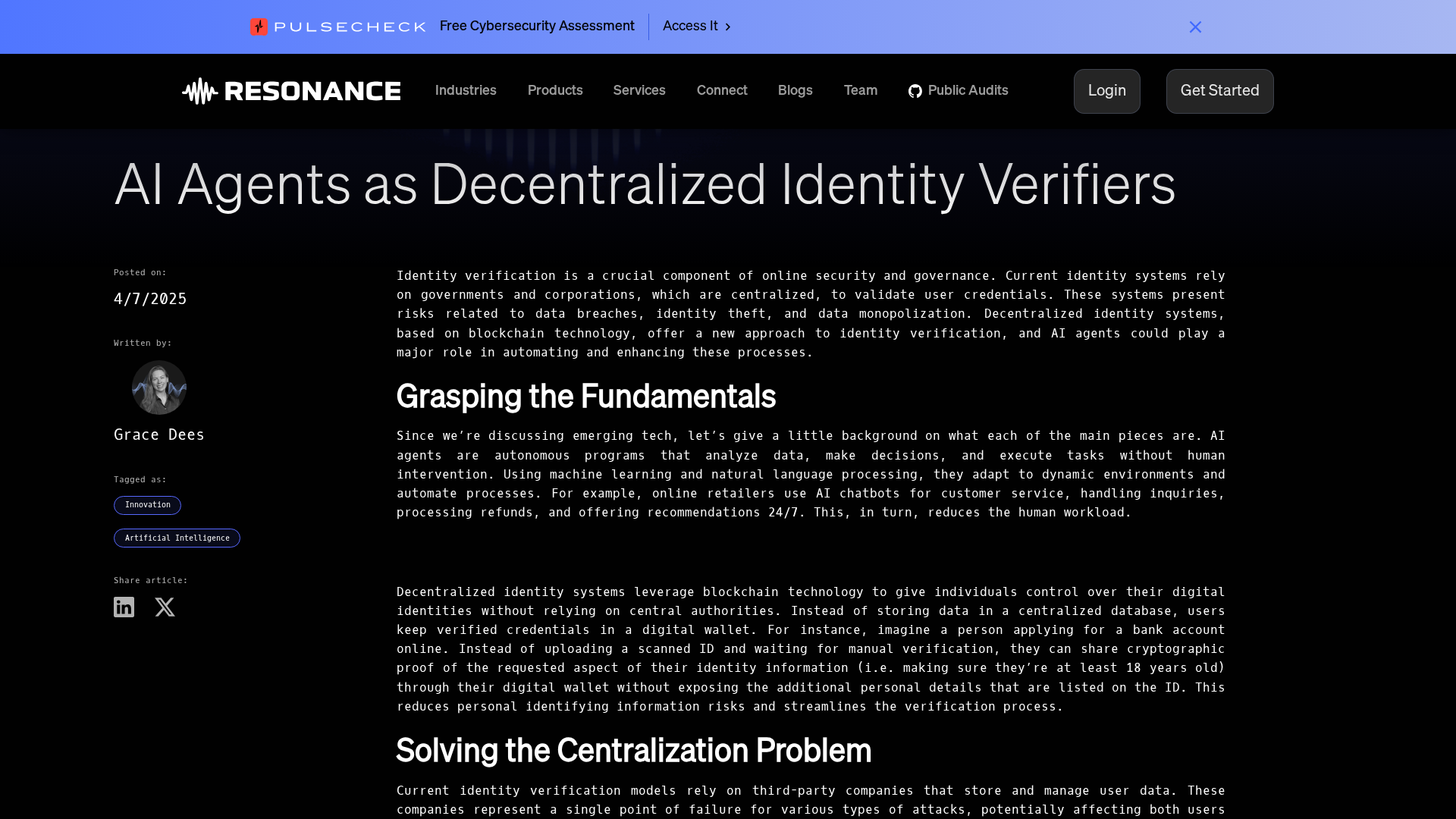
How AI agents can automate and secure decentralized identity verification on blockchain-enabled systems.
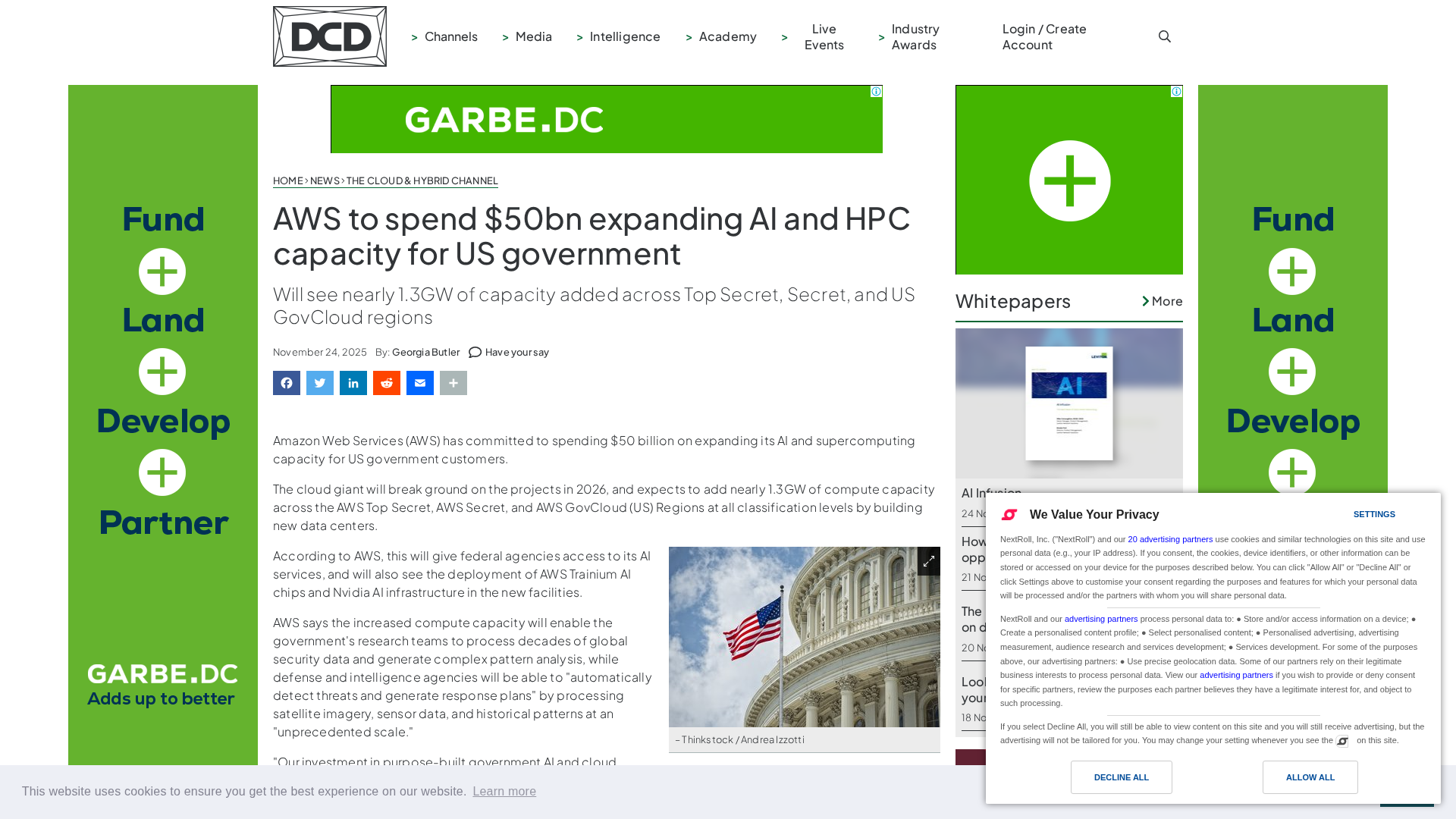
AWS commits $50B to expand AI/HPC capacity for U.S. government, adding 1.3GW compute across GovCloud regions.

A quick preview of POE-POE's pros and cons as seen in G2 reviews.