Topic Overview
This topic covers tools and practices that help organizations comply with new API rules for autonomous agents by combining observability, data provenance, model governance, and rights-cleared content management. As of 2026-05-19, regulators increasingly expect API-level controls: logging of agent actions and third‑party service calls, clear provenance for training and retrieval data, consent and retention policies, and enforceable policy gates for multi-agent workflows. Key tool categories include intelligent agent infrastructure (for visibility and telemetry), multi-agent orchestration platforms (for workflow governance and policy enforcement), enterprise LLM providers (for private, controllable models and embeddings), rights-cleared data and content platforms, and integrated knowledge/workspace systems for audit records and playbooks. Examples: Xilos focuses on 100% visibility into connected services and agentic activity to satisfy logging and third‑party call disclosure; Kore.ai provides no-code-to-pro-code orchestration with built-in governance and observability for multi-agent workflows; Cohere supplies enterprise LLMs, private models, embeddings and retrieval capabilities to limit data exfiltration and support traceable retrieval-augmented generation; Pria AI exemplifies a high-touch automation use case (sales outreach) where consent management, personalization controls, and audit trails are essential; Notion can centralize policies, rights-cleared content, and integration logs for auditors. Practically, organizations must map regulatory obligations to capabilities: instrument API traffic and service calls, maintain data lineage for embeddings and retrieval sources, apply policy enforcement at orchestration and model layers, and retain searchable audit records. The current trend is convergence between observability, model ops, and rights-management—deploying a small portfolio of interoperable tools typically delivers the combination of visibility, control, and provable data provenance regulators now expect.
Tool Rankings – Top 5
Intelligent Agentic AI Infrastructure

Enterprise AI agent platform for building, deploying and orchestrating multi-agent workflows with governance, observabil

Enterprise-focused LLM platform offering private, customizable models, embeddings, retrieval, and search.
Hyper-personalized sales dialer
A single, block-based AI-enabled workspace that combines docs, knowledge, databases, automation, and integrations to sup
Latest Articles (39)
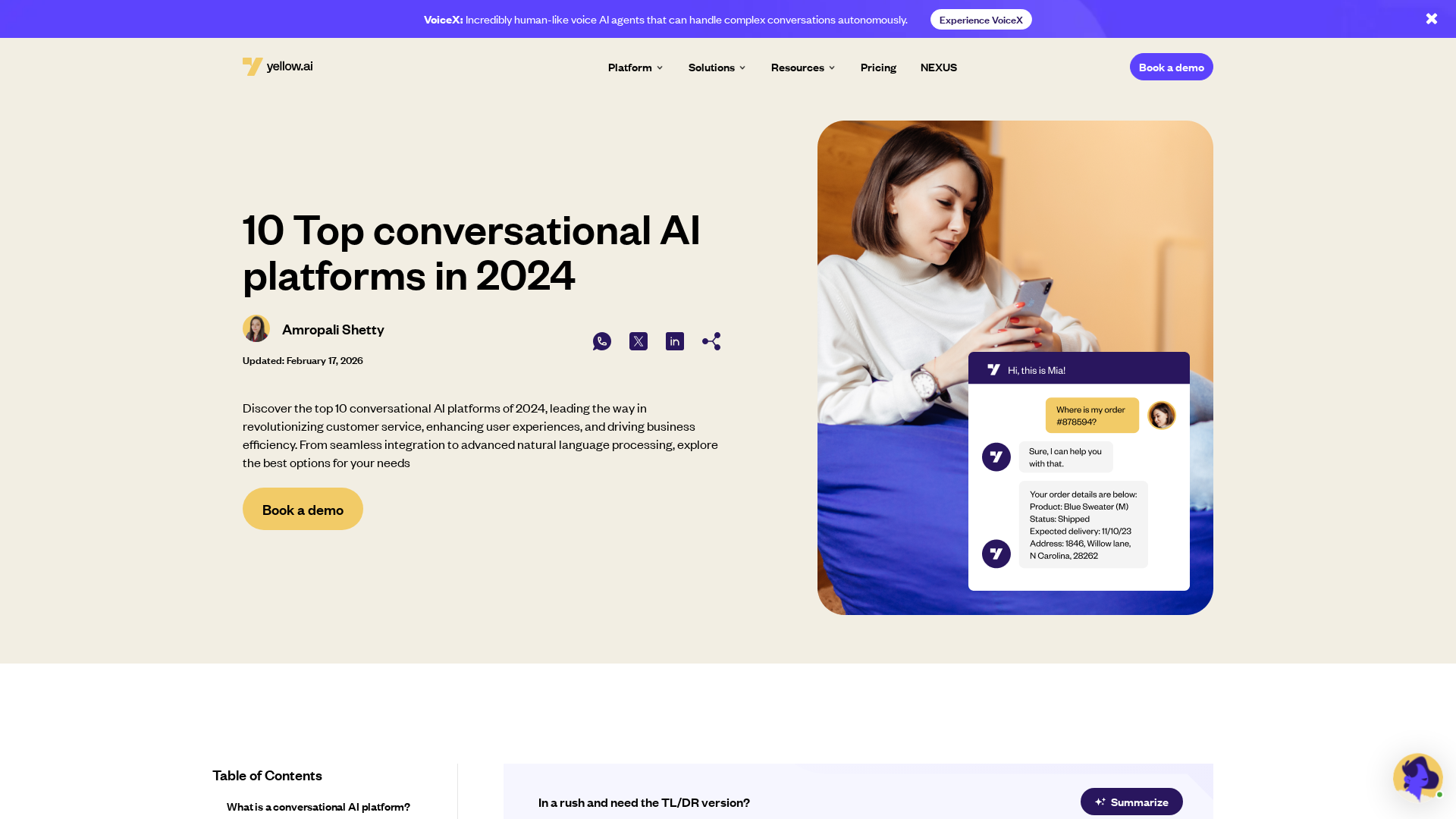
A concise guide to the top 10 conversational AI platforms in 2024, with features, benefits, and use cases.
OpenAI’s bypass moment underscores the need for governance that survives inevitable user bypass and hardens system controls.
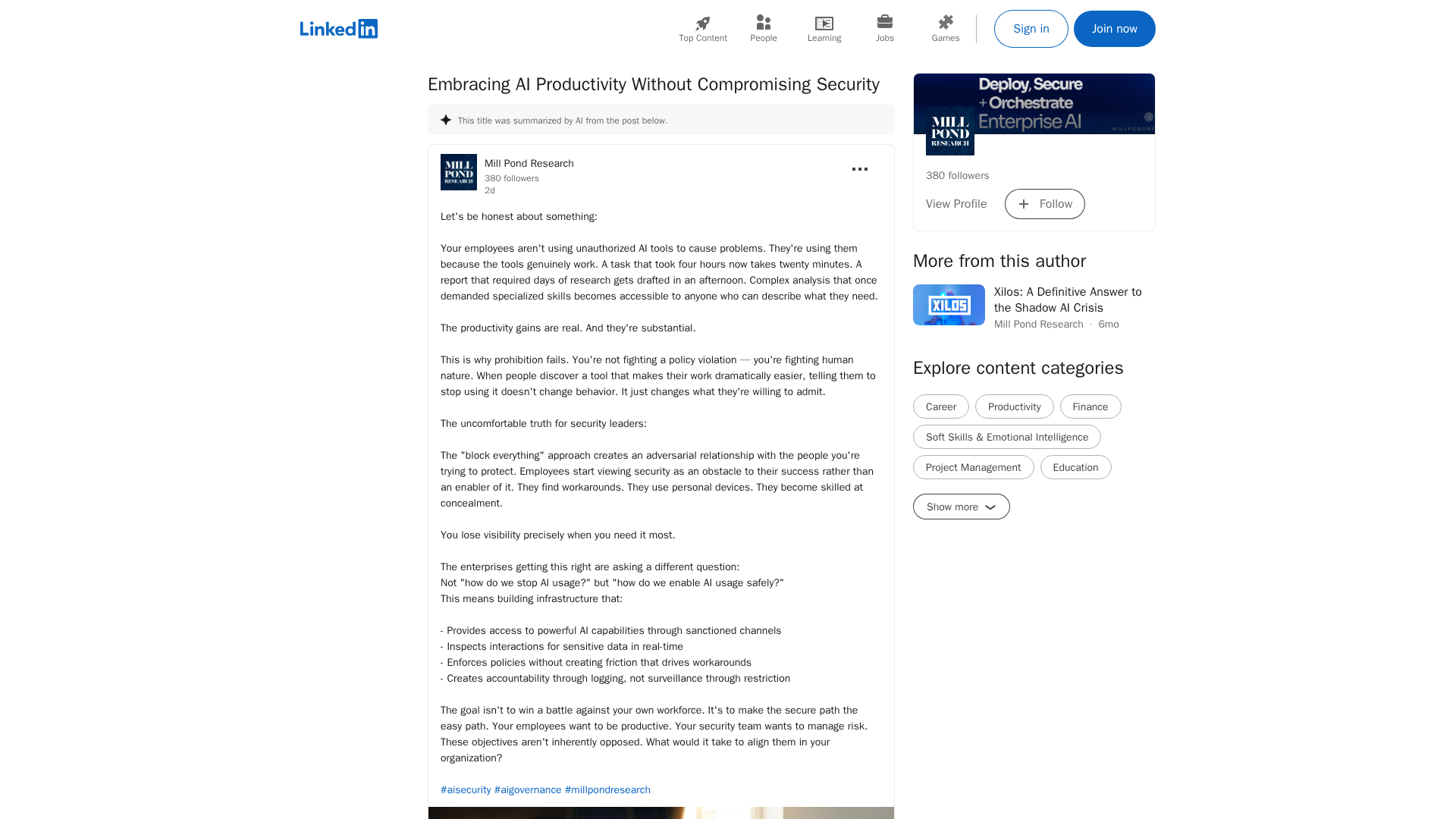
A call to enable safe AI use at work via sanctioned access, real-time data protections, and frictionless governance.
Explores the human role behind AI automation and how Bell Cyber tackles AI hallucinations in security operations.
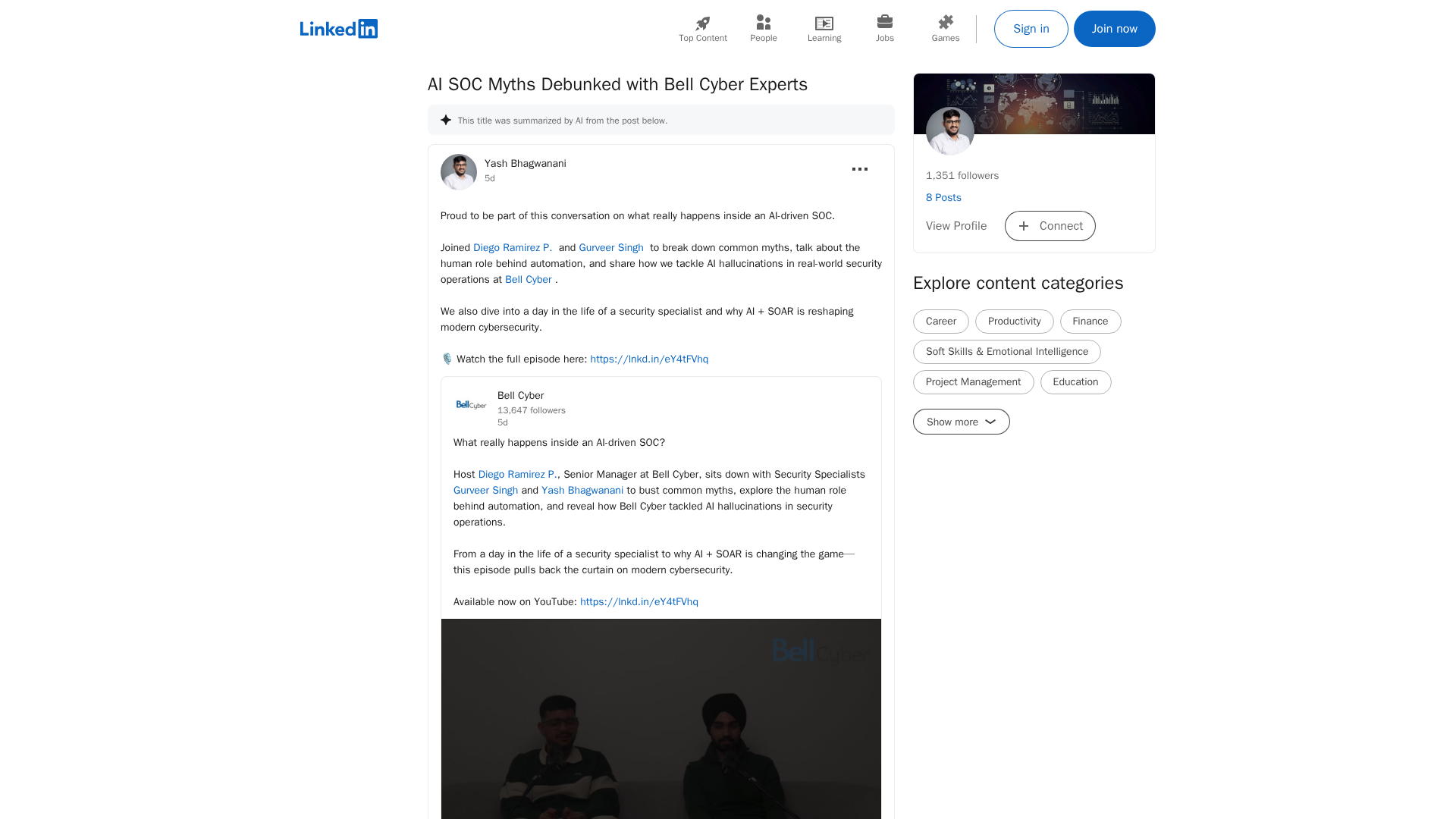
A real-world look at AI in SOCs, debunking myths and highlighting the human role behind automation with Bell Cyber experts.