Topic Overview
Conversational AI hardware and wearables cover earbuds, headsets, and dedicated voice devices that put speech interfaces and lightweight agents at the user’s ear. These devices blend categories—Conversation Intelligence, Voice Synthesis & Transcription, and Text‑to‑Speech—so users can get live transcription, high‑quality synthesized responses, call handling and contextual assistance without pulling out a phone. Key building blocks include production‑grade TTS and voice cloning (e.g., ElevenLabs), on‑device offline transcription and prompt generation for privacy‑sensitive workflows (e.g., Bocca), real‑time noise cancellation and meeting transcription (e.g., Krisp), APIs/SDKs that capture and surface meeting metadata (e.g., Recall.ai), and specialized voice agents for phone handling and service providers (e.g., Simple Phones, Vocea). Why it matters now: improvements in model efficiency, streaming ASR/ TTS, and noise‑robust audio processing have made low‑latency, usable voice agents feasible on constrained hardware. Enterprises are adopting audio capture and synthesis for hybrid work, customer service, and field operations, while privacy expectations and regulation push more processing onto devices or into clearly governed cloud workflows. Practical considerations for developers and buyers include latency and battery tradeoffs, network fallbacks and hybrid edge/cloud architectures, voice identity and consent, integration with conferencing/CRM systems, and robustness to real‑world noise. For comparison and selection, evaluate device OS and SDK support, on‑device model capabilities, TTS fidelity and voice‑cloning controls, transcription accuracy in noisy environments, and integrations for meeting capture and telephony. The space is evolving toward modular voice agents that balance responsiveness, privacy, and integration with enterprise workflows.
Tool Rankings – Top 6
Industry-leading AI audio platform for ultra-realistic text-to-speech, voice cloning, transcription, and voice agents.
A push-to-talk tool that transforms your audio into text

AI audio/meeting platform for noise cancellation, real-time transcription, meeting notes, accent conversion, and voice/音

API and SDK platform to capture, transcribe, stream, and surface meeting recordings and metadata (Zoom, Meet, Teams, etc

AI-powered phone agents that answer or forward missed calls, book appointments, handle FAQs, and integrate with CRMs and
AI Voice Assistant for Service Providers
Latest Articles (41)
Bocca is an offline, on-device AI transcription and content tool that speeds prompts, transcripts, and multilingual tasks without internet access.
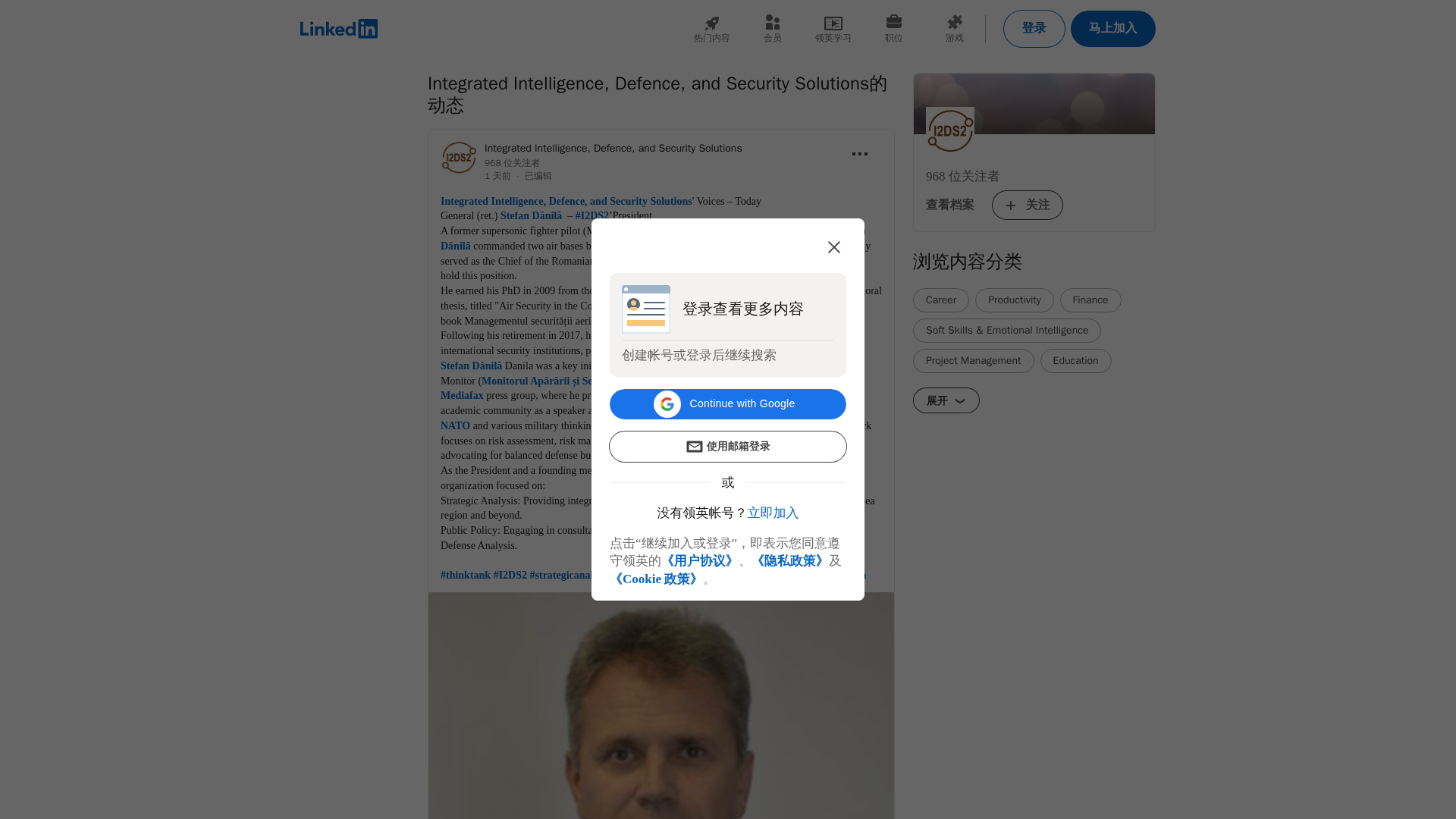
Profile of General (ret.) Stefan Dănilă, founder of I2DS2, and the thinktank’s mission to shape integrated security for the Black Sea.
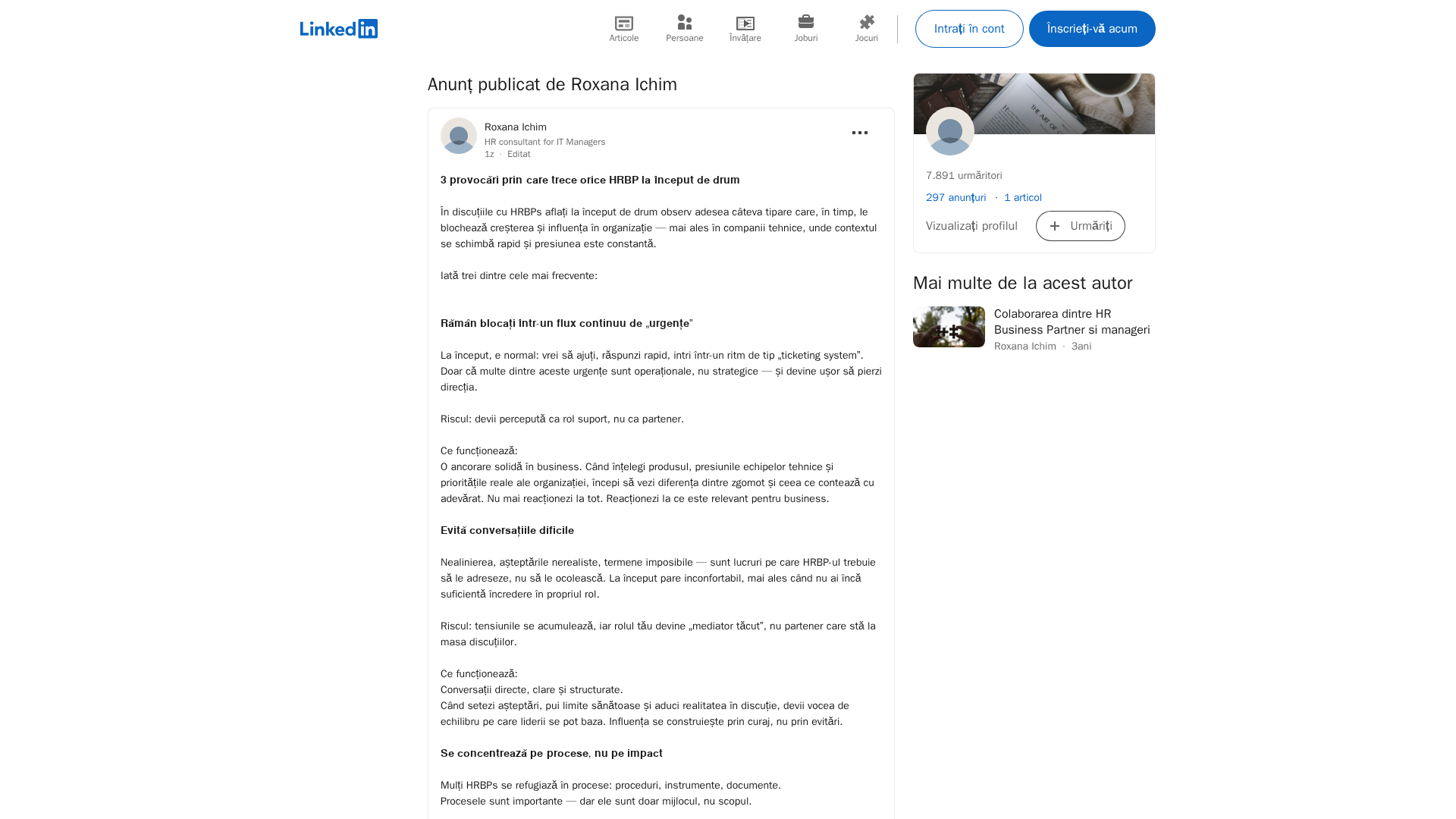
Trei provocări comune pentru HRBP la început de drum și soluțiile pentru a-ți mări impactul în companii tech.
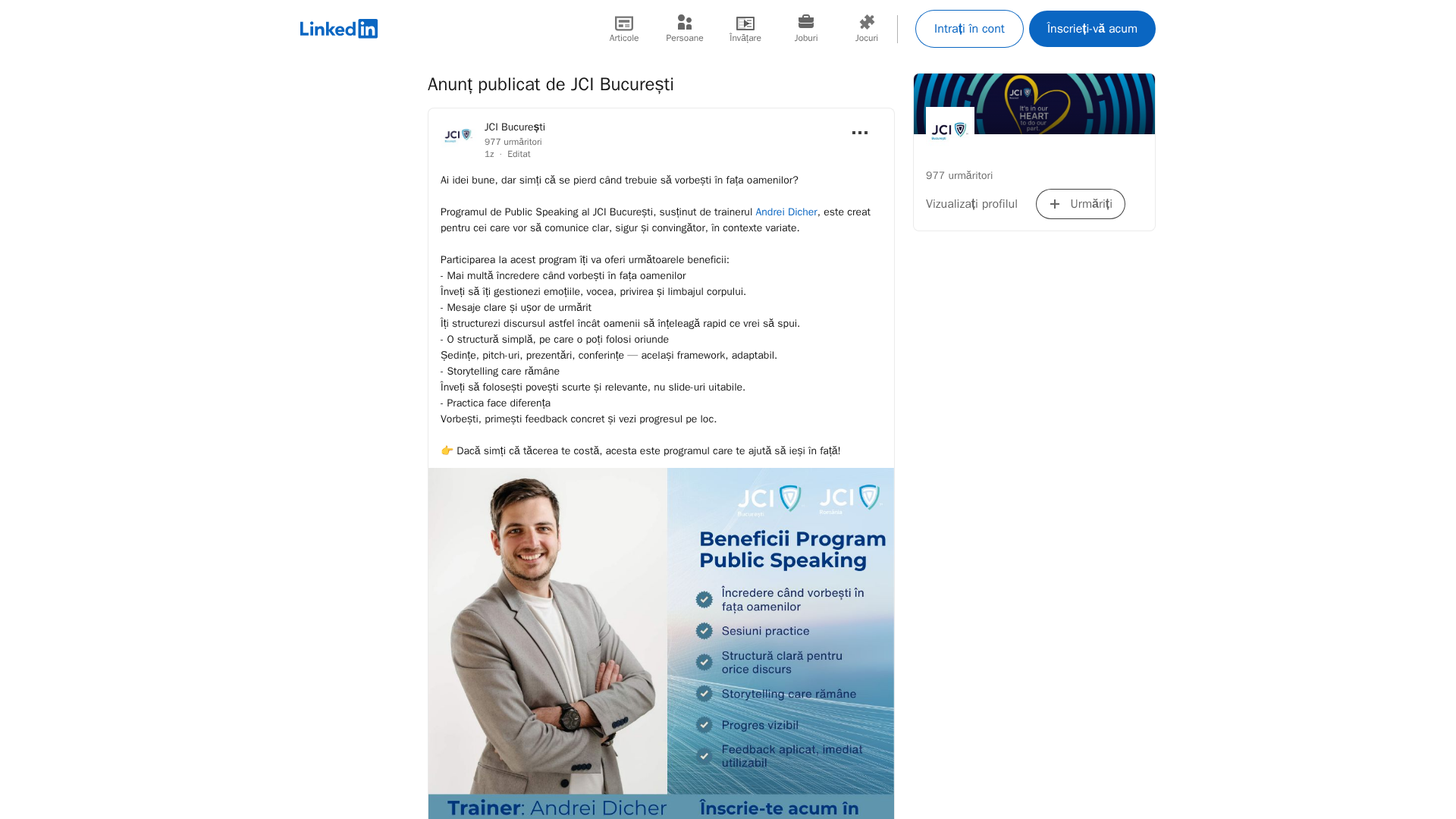
Programul JCI București cu Andrei Dicher promite încredere, mesaje clare și storytelling prin practică și feedback direct.
În leadership, pauza este instrumentul strategic care crește claritatea și încrederea în mesaj.