Topic Overview
This topic compares two common approaches enterprises use to operationalize AI: Microsoft 365 connectors that embed intelligence into existing apps and workflows, versus standalone agent platforms that build, host and orchestrate autonomous agents. No related articles were provided; this overview synthesizes the supplied tool descriptions and broad industry trends. Microsoft 365 connectors prioritize low-friction access to enterprise data, identity, and collaboration surfaces (Teams, Outlook, SharePoint, Graph APIs). They are attractive for rapid adoption, centralized security and compliance policies, and tight integration with business processes. By contrast, standalone agent platforms—spanning AI automation platforms, agent marketplaces, agent frameworks, low-code workflow platforms and no-code app builders—offer richer agent orchestration, multi-channel deployment, lifecycle management and developer tooling. Representative tools illustrate the spectrum: IBM watsonx Assistant targets enterprise virtual assistants and multi-agent orchestrations with no-code and developer options; Yellow.ai focuses on CX/EX automation across channels; Lindy provides no-code/low-code authoring and governance for autonomous agents; GPTConsole offers developer-first SDKs, APIs and runtime infrastructure for event chaining and memory; Claude and Google Gemini supply conversational and multimodal model families that can power either Microsoft‑integrated solutions or standalone platforms. Choosing between connectors and standalone agents involves tradeoffs in governance, data residency, vendor lock-in, observability, and developer velocity. Many organizations combine approaches—using M365 connectors for sanctioned, high‑governance scenarios while leveraging standalone platforms for complex orchestration, specialized agents, or cross‑cloud deployment. As enterprise priorities center on secure data access, model governance and scalable agent orchestration, evaluating both integration patterns against compliance, developer needs and operational observability is essential.
Tool Rankings – Top 6

Enterprise virtual agents and AI assistants built with watsonx LLMs for no-code and developer-driven automation.

Enterprise agentic AI platform for CX and EX automation, building autonomous, human-like agents across channels.

No-code/low-code AI agent platform to build, deploy, and govern autonomous AI agents.

Developer-focused platform (SDK, API, CLI, web) to create, share and monetize production-ready AI agents.
Anthropic's Claude family: conversational and developer AI assistants for research, writing, code, and analysis.

Google’s multimodal family of generative AI models and APIs for developers and enterprises.
Latest Articles (81)
A vendor‑agnostic guide to the 14 best AI governance platforms in 2025, with criteria, comparisons, and practical buying guidance.
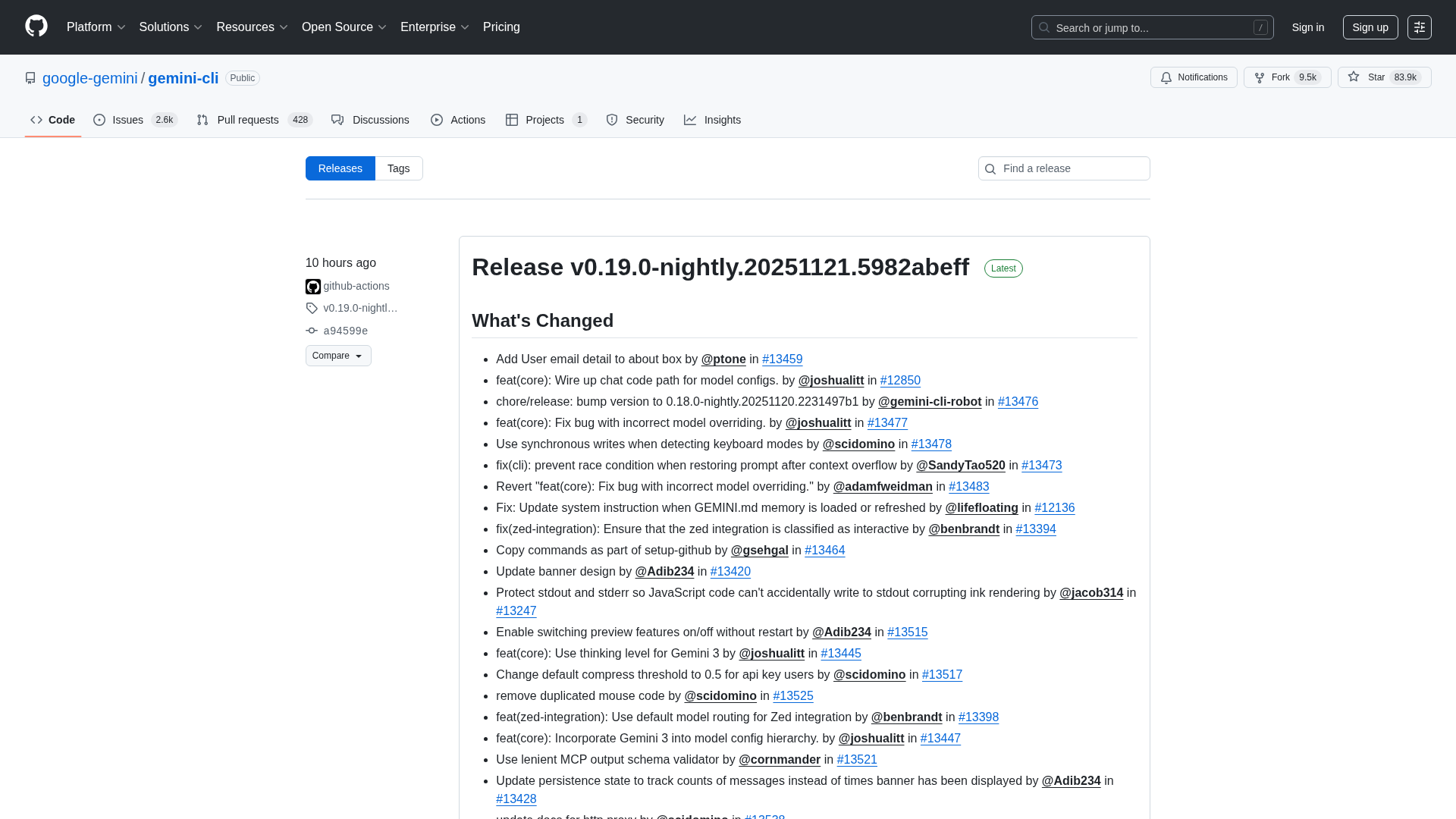
Overview of the Gemini CLI v0.36.0-preview release series, highlighting architectural, CLI, and UI changelogs across multiple pre-release versions.

Adobe nears a $19 billion deal to acquire Semrush, expanding its marketing software capabilities, according to WSJ reports.
Wolters Kluwer expands UpToDate Expert AI with UpToDate Lexidrug to bolster drug information and medication decision support.
A practical, step-by-step guide to fine-tuning large language models with open-source NLP tools.