Topic Overview
This topic examines how enterprise AI marketing and SEO suites — centered on Adobe’s Experience Cloud enhanced with Semrush-style search and competitive intelligence — stack up against focused competitors across marketing strategy, attribution, competitive intelligence and market intelligence. As of late 2025, buyers seek unified stacks that combine creative asset management, real-time measurement, and AI-driven content and commerce automation while meeting tighter privacy and first‑party data requirements. Key tool roles: Dema.ai supplies omnichannel commerce intelligence and unified profitability measurement for real-time ROI decisions; OmniSynkAI handles multi‑channel product listing, inventory and order orchestration for B2B SaaS merchants; CopyMonkey automates keyword‑optimized Amazon listings to scale marketplace SEO and conversions; and open-source LLM families like nlpxucan/WizardLM provide instruction-following models enterprises can fine‑tune for content generation, semantic search, and custom attribution workflows. Compared to niche specialists, an Adobe suite that integrates robust search/competitive data aims to centralize creative, content, analytics and paid-search planning — reducing tool sprawl but increasing integration and governance demands. Competitors retain advantages in domain-specific areas: commerce profitability and attribution (Dema.ai), operational listing and inventory controls (OmniSynkAI), and marketplace copy automation (CopyMonkey). Meanwhile, adaptable LLMs (WizardLM variants) underpin custom SEO pipelines, entity extraction, and real‑time personalization. Enterprises evaluating “Adobe (post‑Semrush) vs competitors” should weigh scope (end‑to‑end integration vs best‑of‑breed depth), data lineage and privacy, model customization needs, and operational fit for ecommerce/marketplace channels. The 2025 landscape favors platforms that balance centralized insight with the ability to plug in specialized intelligence and commerce execution tools.
Tool Rankings – Top 4

An omnichannel commerce intelligence platform delivering real-time profitability and unified measurement.

Open-source family of instruction-following LLMs (WizardLM/WizardCoder/WizardMath) built with Evol-Instruct, focused on
AI-powered B2B SaaS for multi-channel e-commerce product listing, inventory and order management.

AI-powered tool that auto-generates keyword-optimized Amazon listings (titles, bullet points, descriptions) and helps e‑
Latest Articles (23)
Adobe nears a $19 billion deal to acquire Semrush, expanding its marketing software capabilities, according to WSJ reports.
Adobe’s Semrush acquisition signals a major AI-driven shift and potential consolidation in SEO tools.
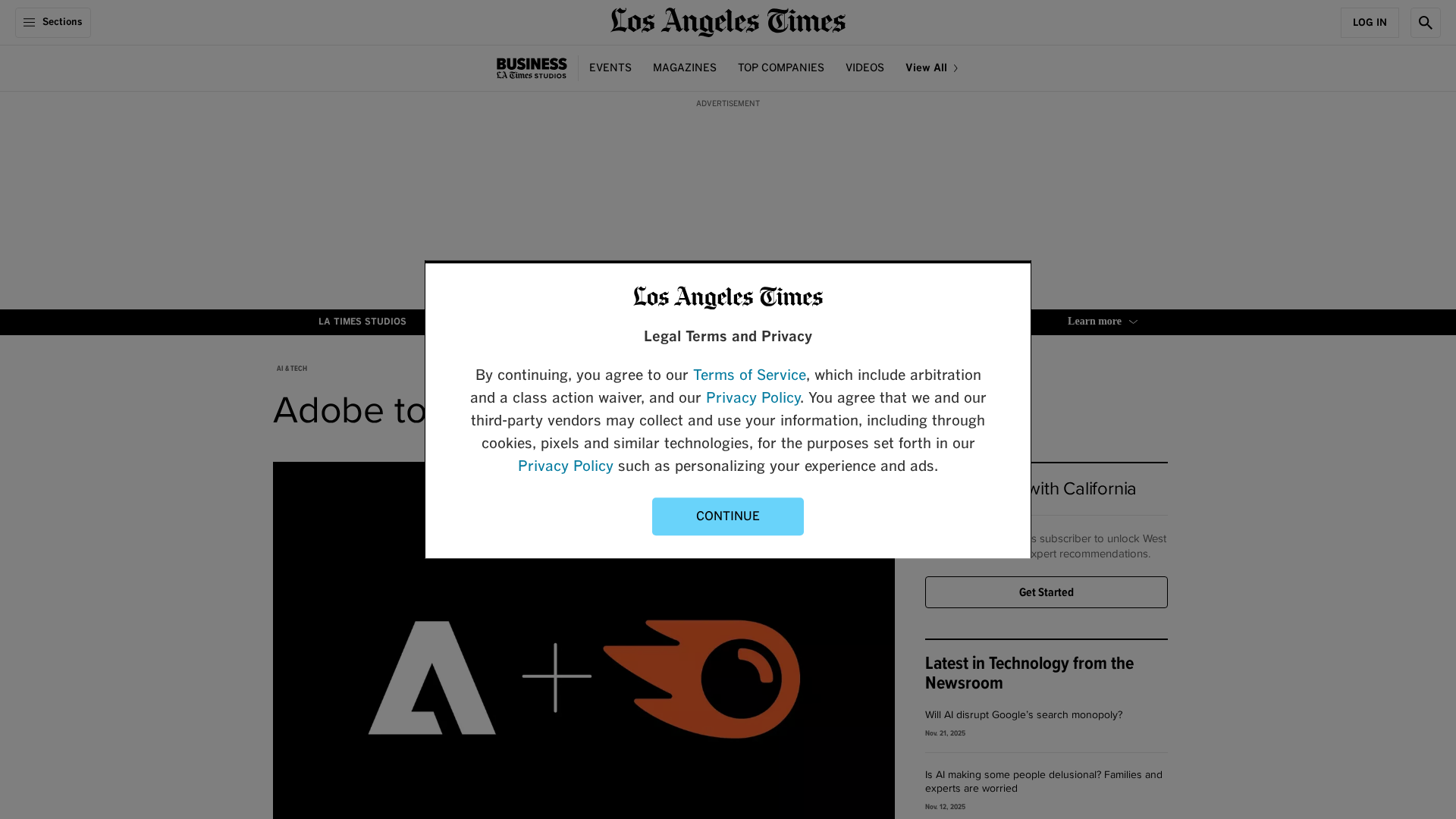
Adobe to acquire Semrush for $1.9B in an all-cash deal to boost brand visibility with GEO/SEO and AI-driven marketing.
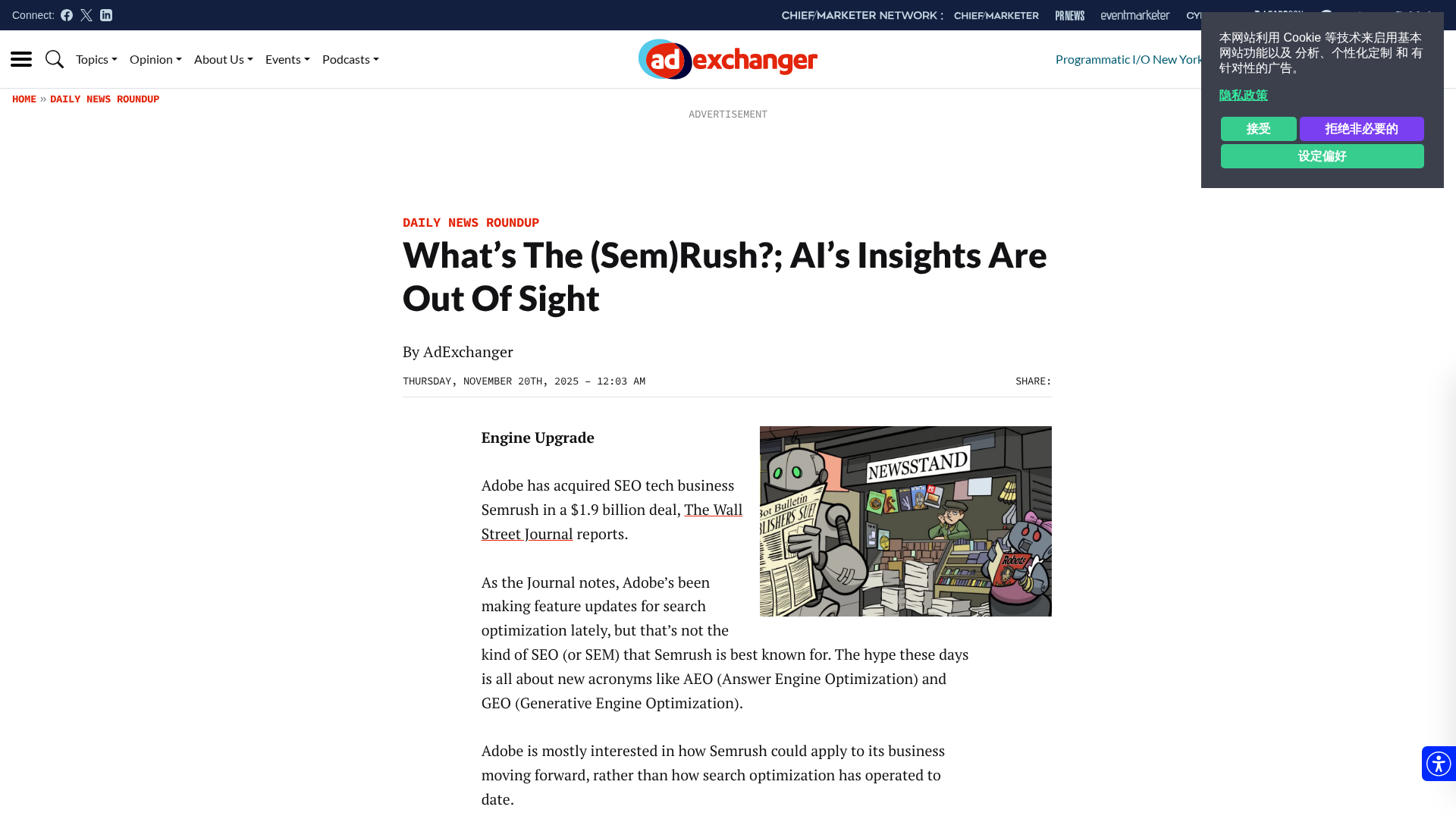
Adobe buys Semrush for $1.9B, signaling AI-powered marketing shifts amid a busy adtech news roundup.
Adobe to acquire Semrush for 1.9B, expanding AI-powered analytics and SEO tools in its marketing platform.