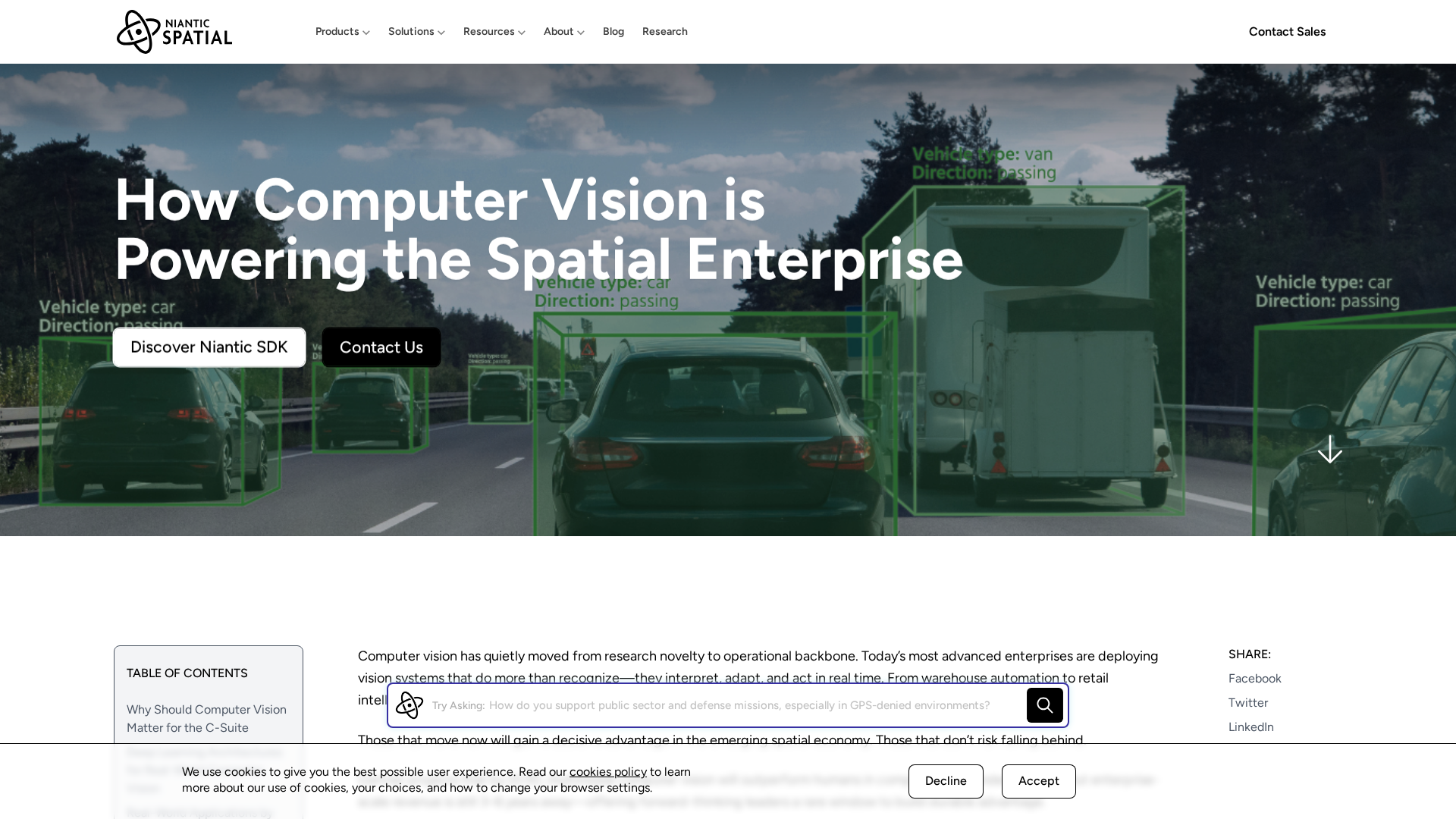
Topic Overview
Face and image recognition APIs and SDKs cover the tools, models, and infrastructure used to detect, identify, and interpret people and objects in images and video—now shifting from cloud‑only services to hybrid and edge‑first deployments. By 2026‑01‑22, advances in multimodal foundation models, more efficient open weights, and increased enterprise focus on governance and privacy have reshaped how organizations evaluate vision technology for production use. Key categories include cloud APIs and managed ML platforms (e.g., Google’s Gemini and Vertex AI for model hosting, fine‑tuning, and MLOps), open/efficient model providers with enterprise tooling (e.g., Mistral AI), domain‑specific vision systems (e.g., Gather AI for warehouse drone audits), and no‑code/integration layers (e.g., Anakin.ai) that accelerate application assembly. Claude‑family conversational agents are relevant where image understanding is combined with assistant workflows or analysis pipelines. Current breakthroughs center on: improved multimodal reasoning that links image and contextual data; optimized on‑device and edge inference for lower latency and reduced data exposure; and richer enterprise features—model governance, auditing, explainability, and privacy‑preserving inference. These shifts make face and image recognition more operationally viable but also raise regulatory and ethical demands: biometric laws, bias testing, consent tracking, and secure model provenance are now critical evaluation criteria. Enterprises choosing APIs/SDKs should weigh latency, accuracy, on‑device support, governance toolsets, and integration pathways into existing MLOps. The evolving landscape favors platforms that enable controlled deployment across cloud and edge, transparent model evaluation, and clear data‑protection workflows rather than one‑size‑fits‑all black‑box services.
Tool Rankings – Top 6

Google’s multimodal family of generative AI models and APIs for developers and enterprises.
Anthropic's Claude family: conversational and developer AI assistants for research, writing, code, and analysis.

Unified, fully-managed Google Cloud platform for building, training, deploying, and monitoring ML and GenAI models.

Enterprise-focused provider of open/efficient models and an AI production platform emphasizing privacy, governance, and

AI-driven intralogistics platform using autonomous drones and computer vision to digitize warehouses and provide real‑t
A no-code AI platform with 1000+ built-in AI apps for content generation, document search, automation, batch processing,
Latest Articles (48)
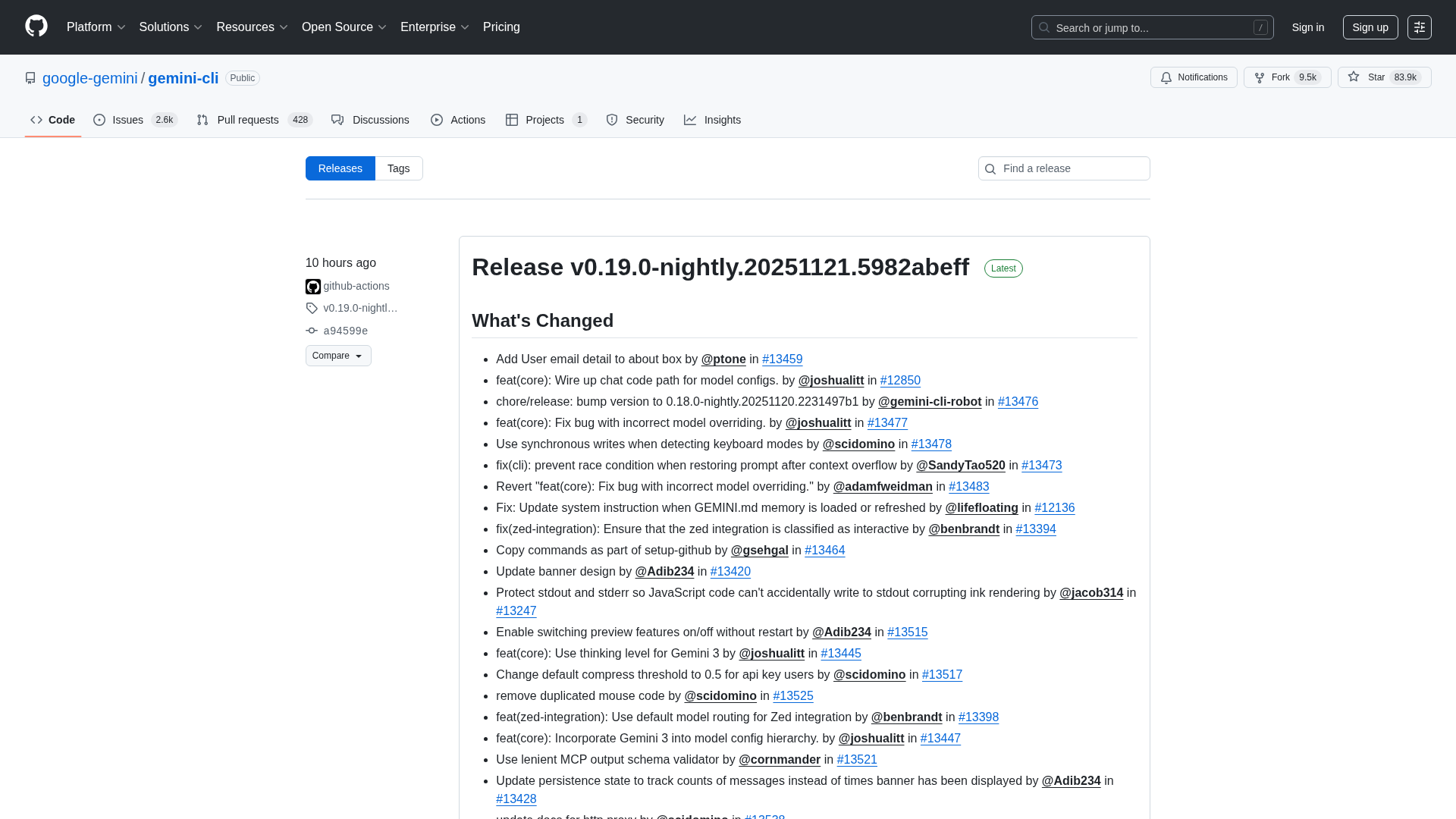
Overview of the Gemini CLI v0.36.0-preview release series, highlighting architectural, CLI, and UI changelogs across multiple pre-release versions.
A practical, step-by-step guide to fine-tuning large language models with open-source NLP tools.
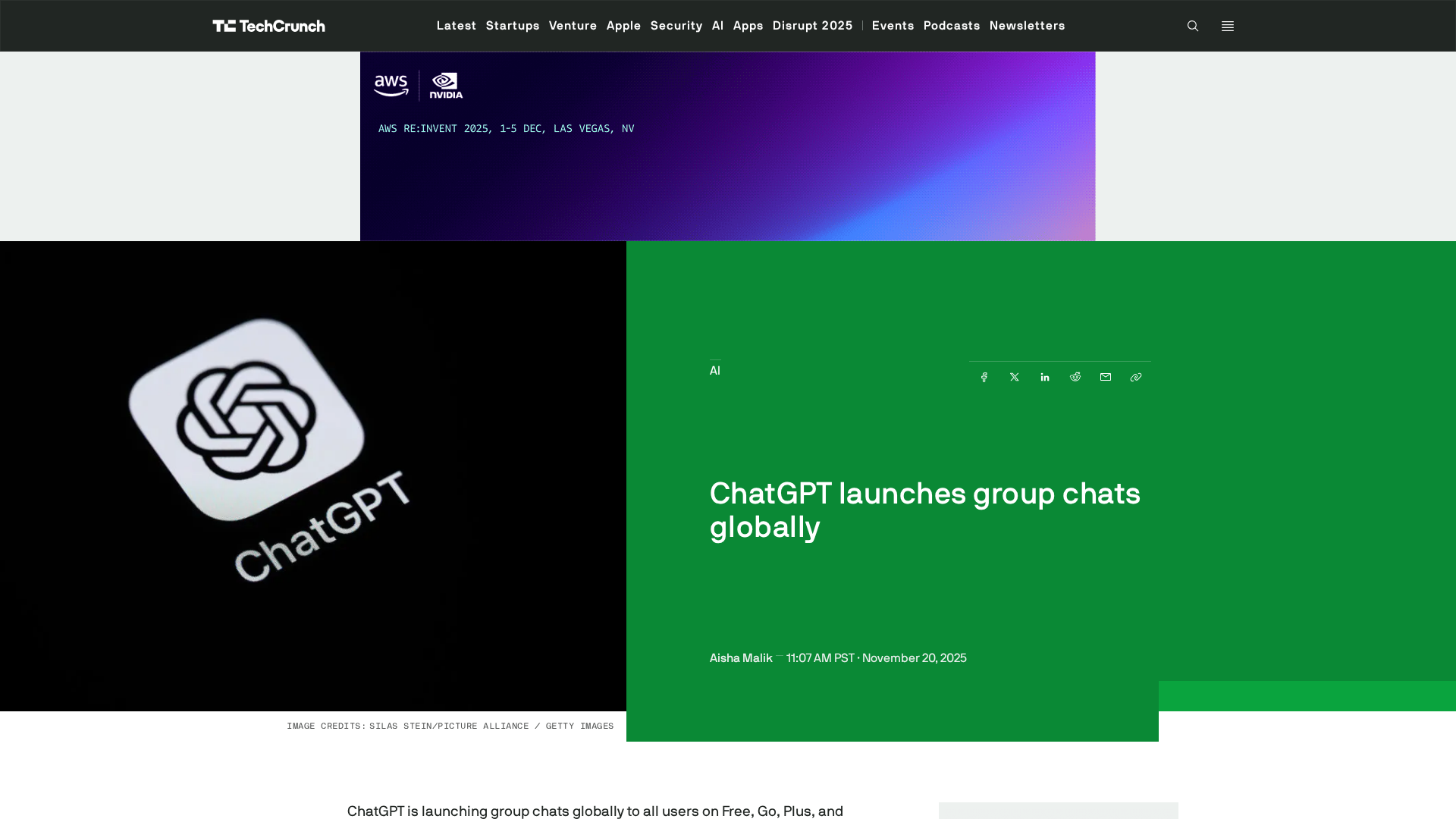
OpenAI rolls out global group chats in ChatGPT, supporting up to 20 participants in shared AI-powered conversations.
Google’s Gemini 3 Pro debuts with top benchmarks and wider integration, signaling a potential edge in the AI arms race.
A detailed, use-case-driven comparison of Gemini 3 Pro and GPT-5.1 across context windows, multimodal capabilities, tooling, benchmarks, and pricing.