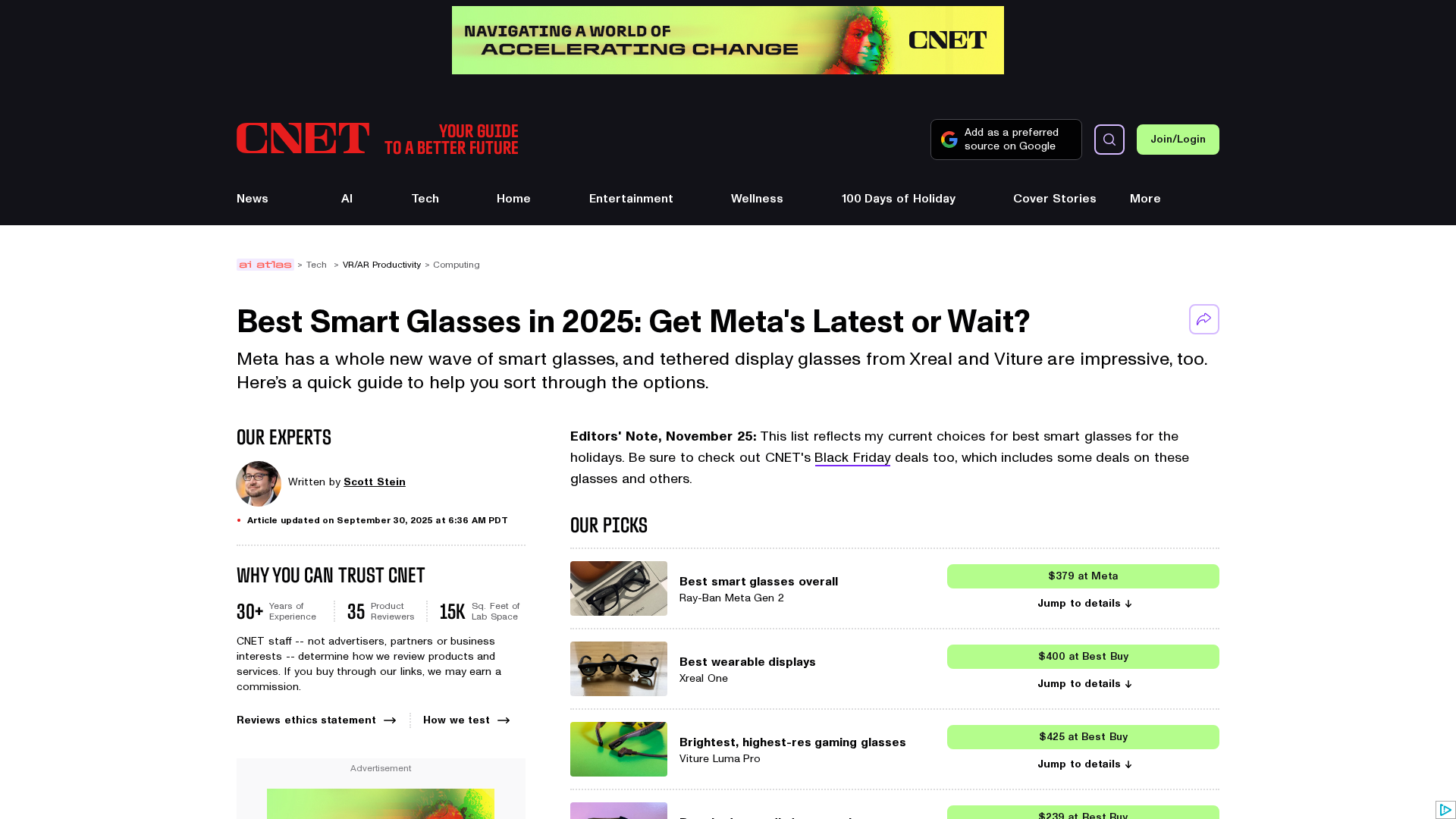
Topic Overview
This topic examines platforms powering AI wearables and smart glasses — systems that combine camera/IMU vision, microphones, and on‑device inference to deliver real‑time assistance, AR overlays, and voice interactions. As of 2025‑12‑06 the space is defined by two converging trends: stronger on‑device multimodal models (to meet latency, connectivity and privacy needs) and tighter cloud/edge orchestration for heavy lifting and model updates. Key platform types include edge multimodal engines (e.g., Archetype AI’s Newton, a “Large Behavior Model” for real‑time sensor fusion and reasoning deployable on edge or on‑prem); low‑latency voice stacks (Vogent/Voicelab for instant voice cloning and ultra‑low latency TTS, and PolyAI for voice‑first conversational deployments); and cloud multimodal services and MLOps (Google Gemini for multimodal generative APIs, Vertex AI for end‑to‑end model lifecycle, and IBM watsonx Assistant for enterprise virtual agents and multi‑agent orchestration). Practical tradeoffs shape platform choice: on‑device LBMs reduce round‑trip latency and surface privacy benefits but must be optimized for power and thermal limits; cloud models offer scale and rapid iteration but require robust edge‑cloud orchestration. Developers and enterprises should evaluate tooling for sensor fusion, real‑time multimodal reasoning, low‑latency voice, model deployment pipelines, and enterprise integration (contact center and workflow automation). The competitive landscape — led by Meta’s Limitless efforts and multiple specialized rivals — is maturing from prototype demos toward production stacks that mix edge LBMs, dedicated voice engines, and cloud MLOps. Selection depends on intended use cases (AR navigation, assistive tech, field service, contact centre augmentation), privacy/regulatory constraints, and operational requirements for latency, update cadence, and scale.
Tool Rankings – Top 6

Newton: a Large Behavior Model for real-time multimodal sensor fusion and reasoning, deployable on edge and on‑premises.

Platform to build, deploy, and operate ultra-realistic AI voice agents with low-latency TTS and voice cloning.

Voice-first conversational AI for enterprise contact centers, delivering lifelike multilingual agents across voice, chat

Google’s multimodal family of generative AI models and APIs for developers and enterprises.

Enterprise virtual agents and AI assistants built with watsonx LLMs for no-code and developer-driven automation.

Unified, fully-managed Google Cloud platform for building, training, deploying, and monitoring ML and GenAI models.
Latest Articles (57)
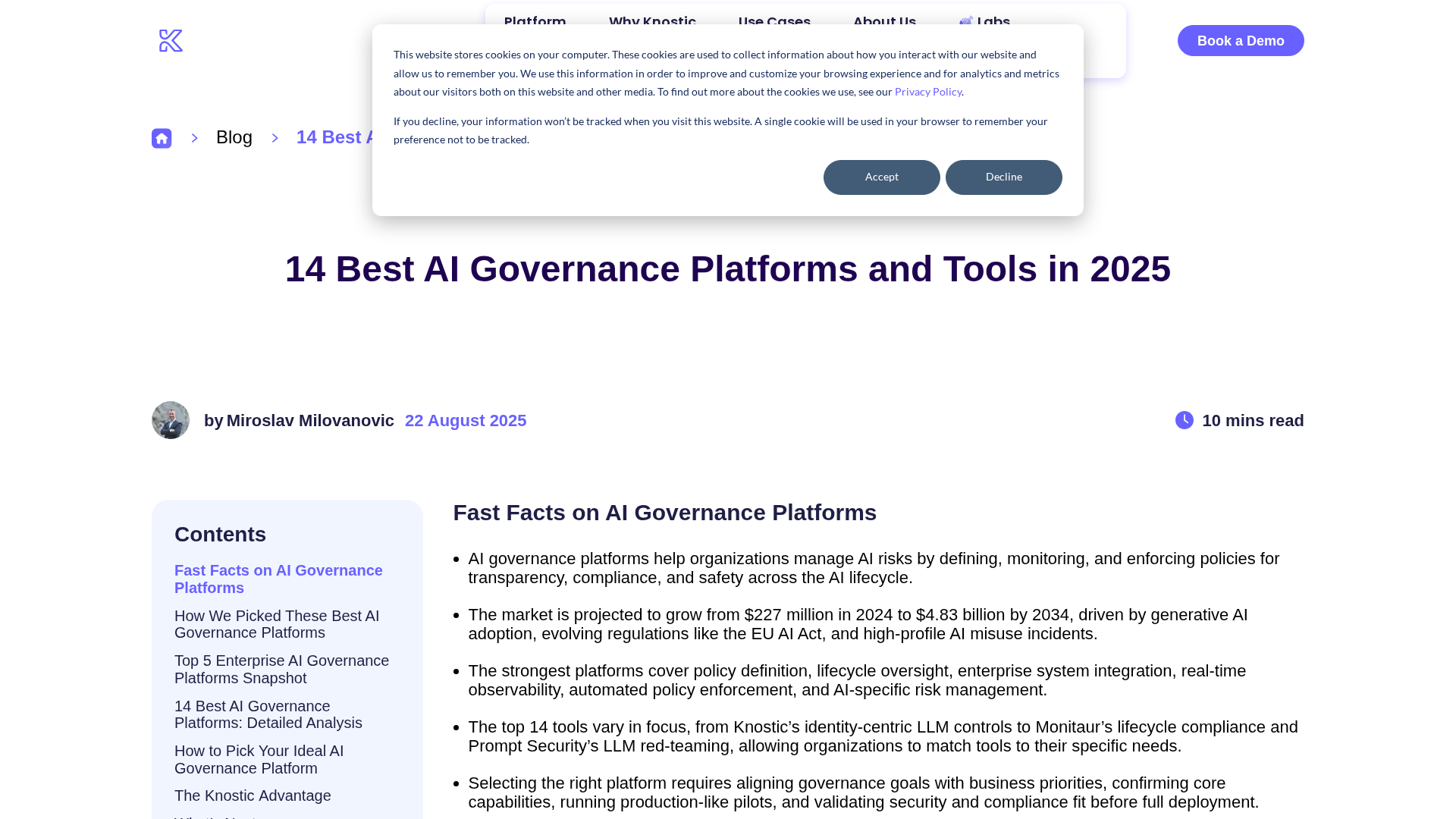
A vendor‑agnostic guide to the 14 best AI governance platforms in 2025, with criteria, comparisons, and practical buying guidance.
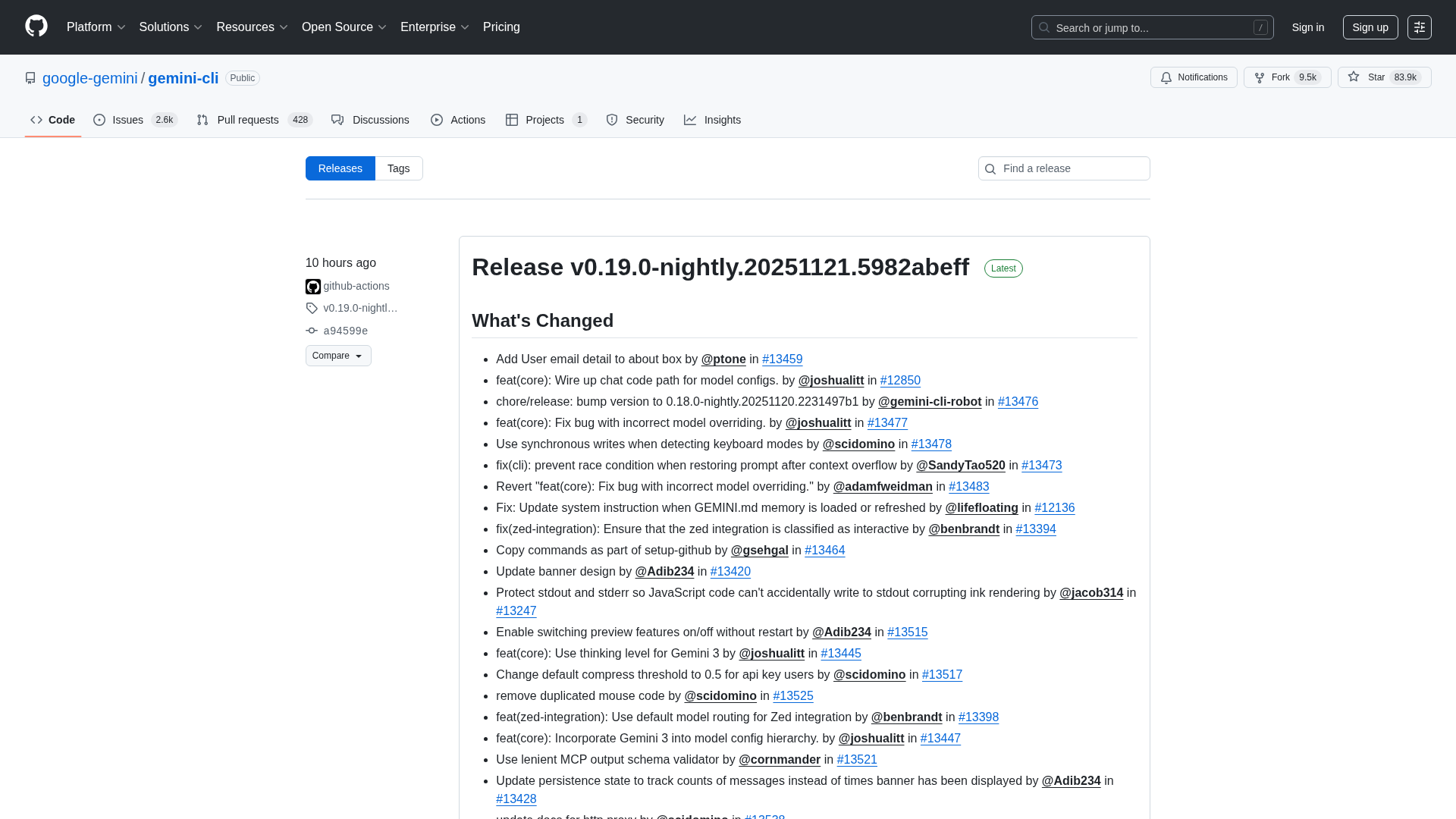
Overview of the Gemini CLI v0.36.0-preview release series, highlighting architectural, CLI, and UI changelogs across multiple pre-release versions.

Adobe nears a $19 billion deal to acquire Semrush, expanding its marketing software capabilities, according to WSJ reports.
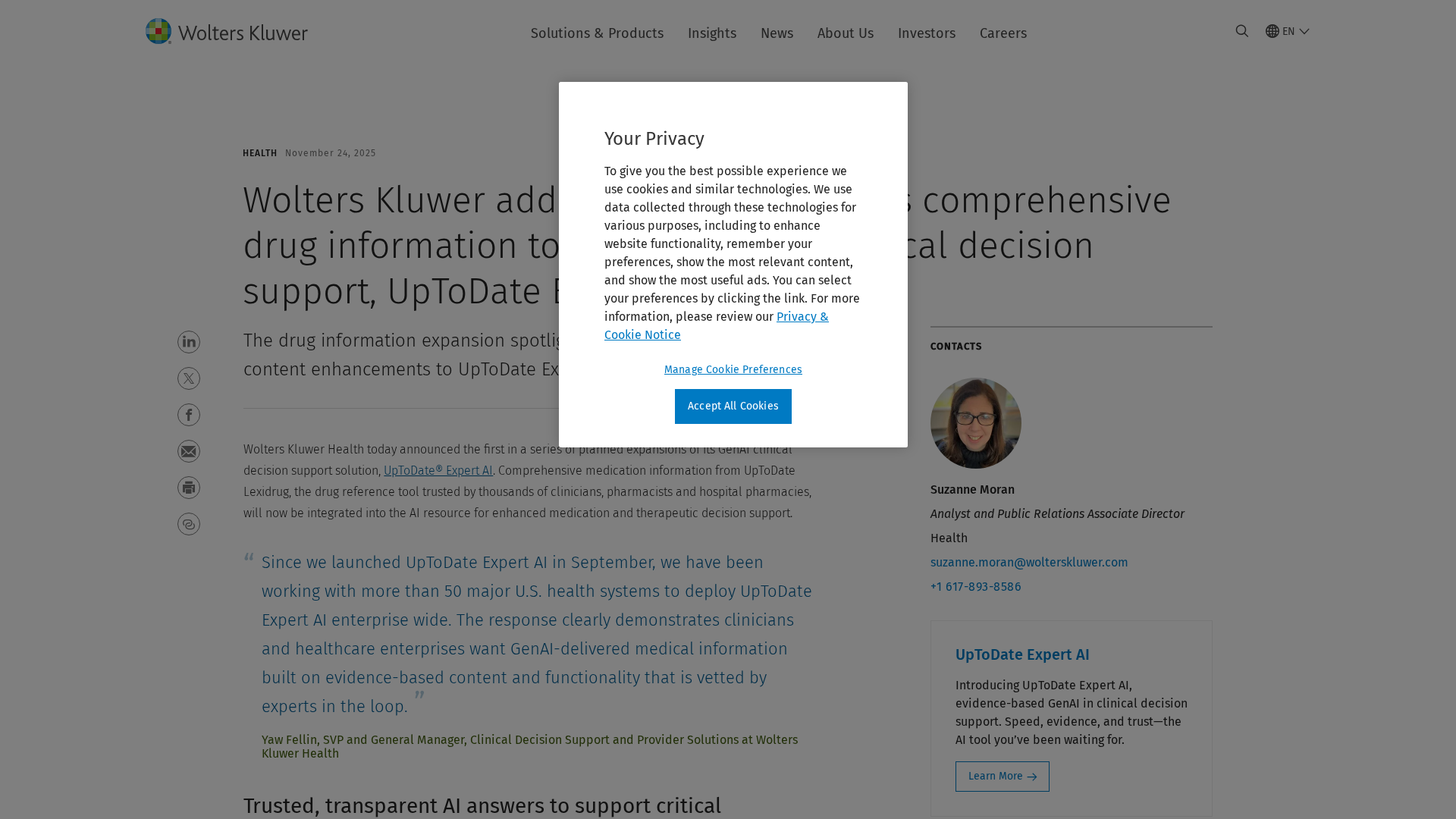
Wolters Kluwer expands UpToDate Expert AI with UpToDate Lexidrug to bolster drug information and medication decision support.
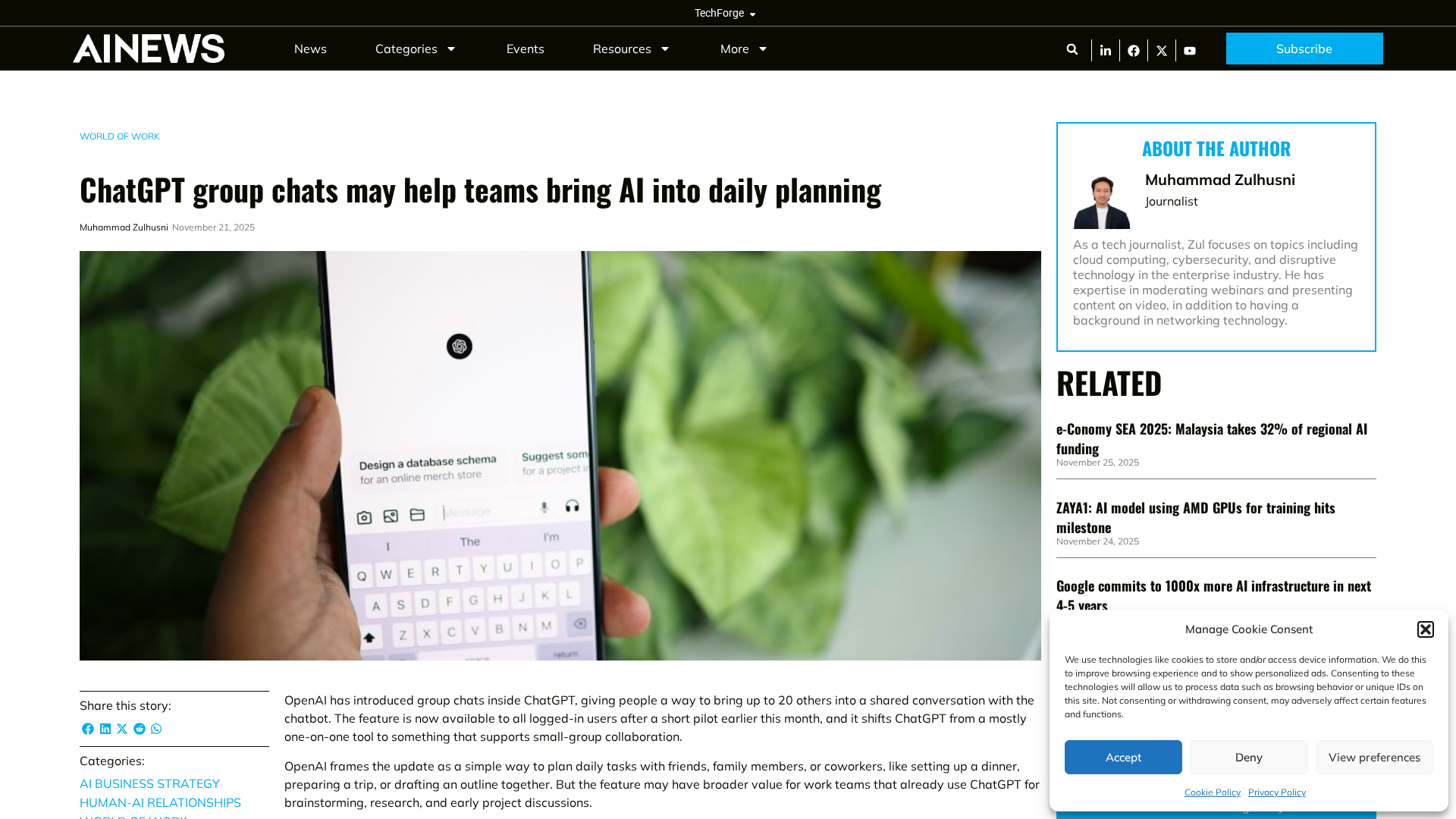
OpenAI adds group chats to ChatGPT, letting up to 20 participants collaborate with AI in a shared planning space.