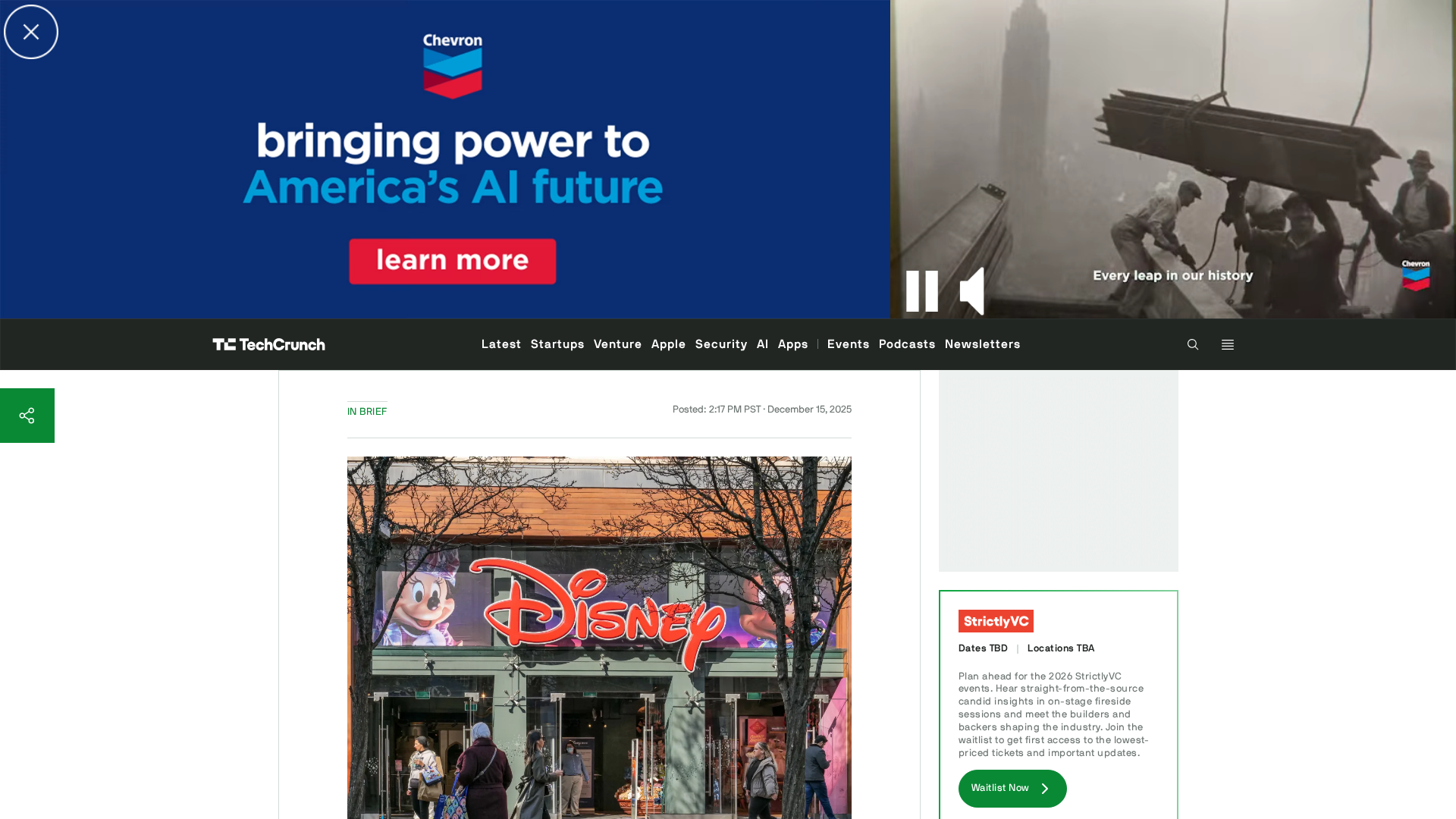
Topic Overview
Generative content licensing and creator platforms after major media–AI deals examines how high-profile licensing negotiations between large entertainment rights holders and AI providers are changing who controls training data, how creators are compensated, and which tools enterprises use. In the wake of prominent media–AI talks (for example, the widely reported OpenAI–Disney discussions), stakeholders are accelerating standardized licensing terms, provenance metadata, watermarking practices, and revenue-share models to govern downstream uses and reduce legal risk. This topic spans three practical categories: Rights-Cleared Data Platforms (repositories and contracts that provide licensed corpora for model training), AI Tool Marketplaces (distribution layers where models, prompts, and licensed content are bought, sold, or licensed), and AI Governance Tools (auditability, access controls, provenance, and policy enforcement). Enterprise and domain-specific platforms—Harvey for legal workflows, Cohere for private/customizable LLMs, IBM watsonx Assistant for orchestrated enterprise assistants, Cimba.AI for no-code AI agents, Microsoft 365 Copilot for productivity-integrated generation, and Perplexity for real-time sourced answers—play complementary roles: validating licensing terms, hosting private models that respect content rights, enabling creator monetization, and surfacing sources for generated outputs. Key trends through late 2025 include tighter integration between licensing metadata and model training pipelines, marketplaces offering clear downstream-use licenses, and governance tooling that embeds provenance and auditable chains of title. Organizations are balancing on-premise or private-model deployments (to protect licensed assets) with API and marketplace access that enable wider distribution. For creators, the shift creates new licensing primitives and platform responsibilities: clearer attribution, configurable rights, and structured revenue mechanisms—while legal and technical interoperability remain active challenges for the industry.
Tool Rankings – Top 6

Domain-specific AI platform delivering Assistant, Knowledge, Vault, and Workflows for law firms and professionalservices

Enterprise virtual agents and AI assistants built with watsonx LLMs for no-code and developer-driven automation.

Enterprise-focused LLM platform offering private, customizable models, embeddings, retrieval, and search.

No-code enterprise AI agents that turn analysts into AI-powered operators with rapid accuracy and auditable governance.
AI assistant integrated across Microsoft 365 apps to boost productivity, creativity, and data insights.
AI-powered answer engine delivering real-time, sourced answers and developer APIs.
Latest Articles (63)
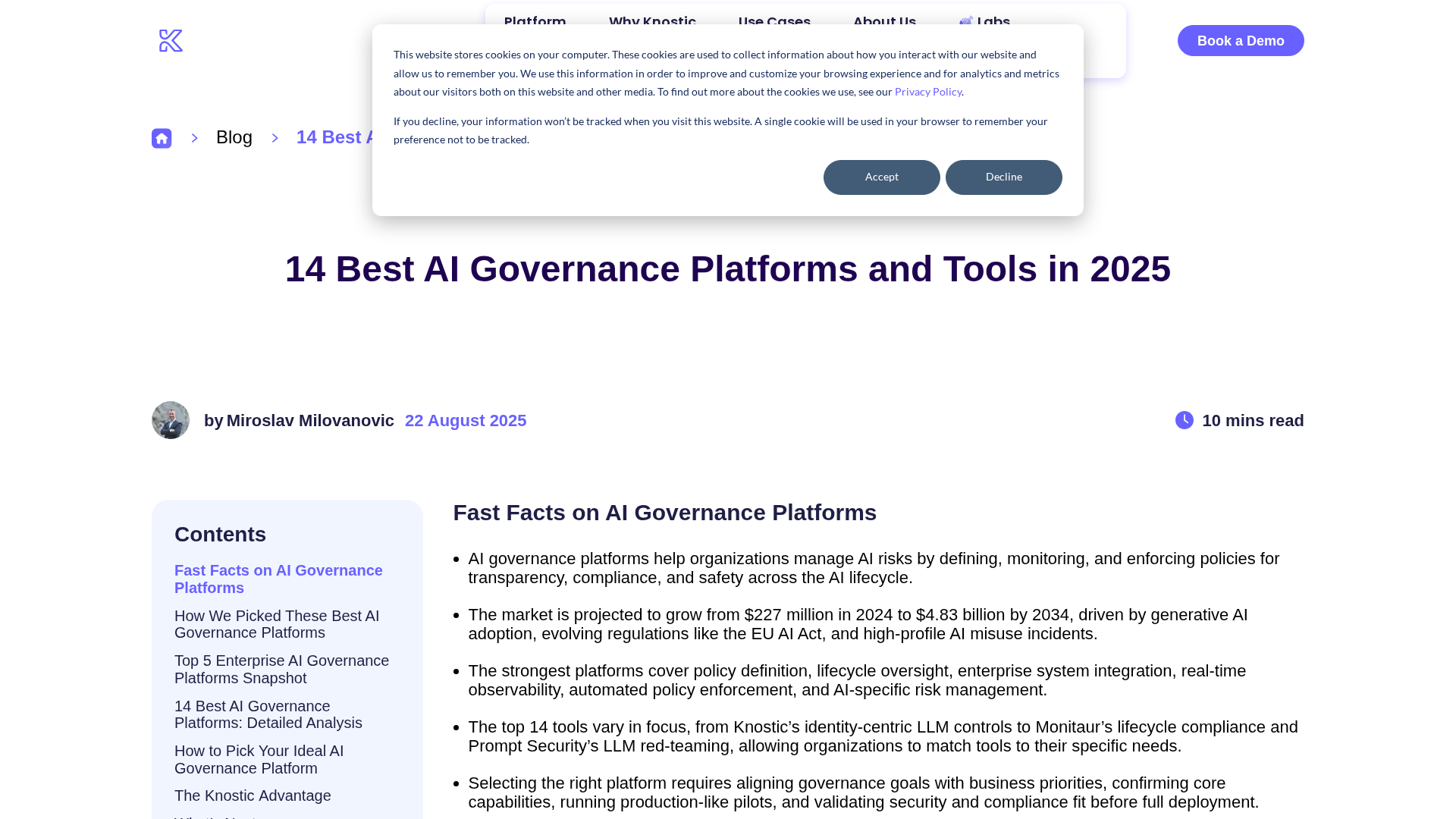
A vendor‑agnostic guide to the 14 best AI governance platforms in 2025, with criteria, comparisons, and practical buying guidance.
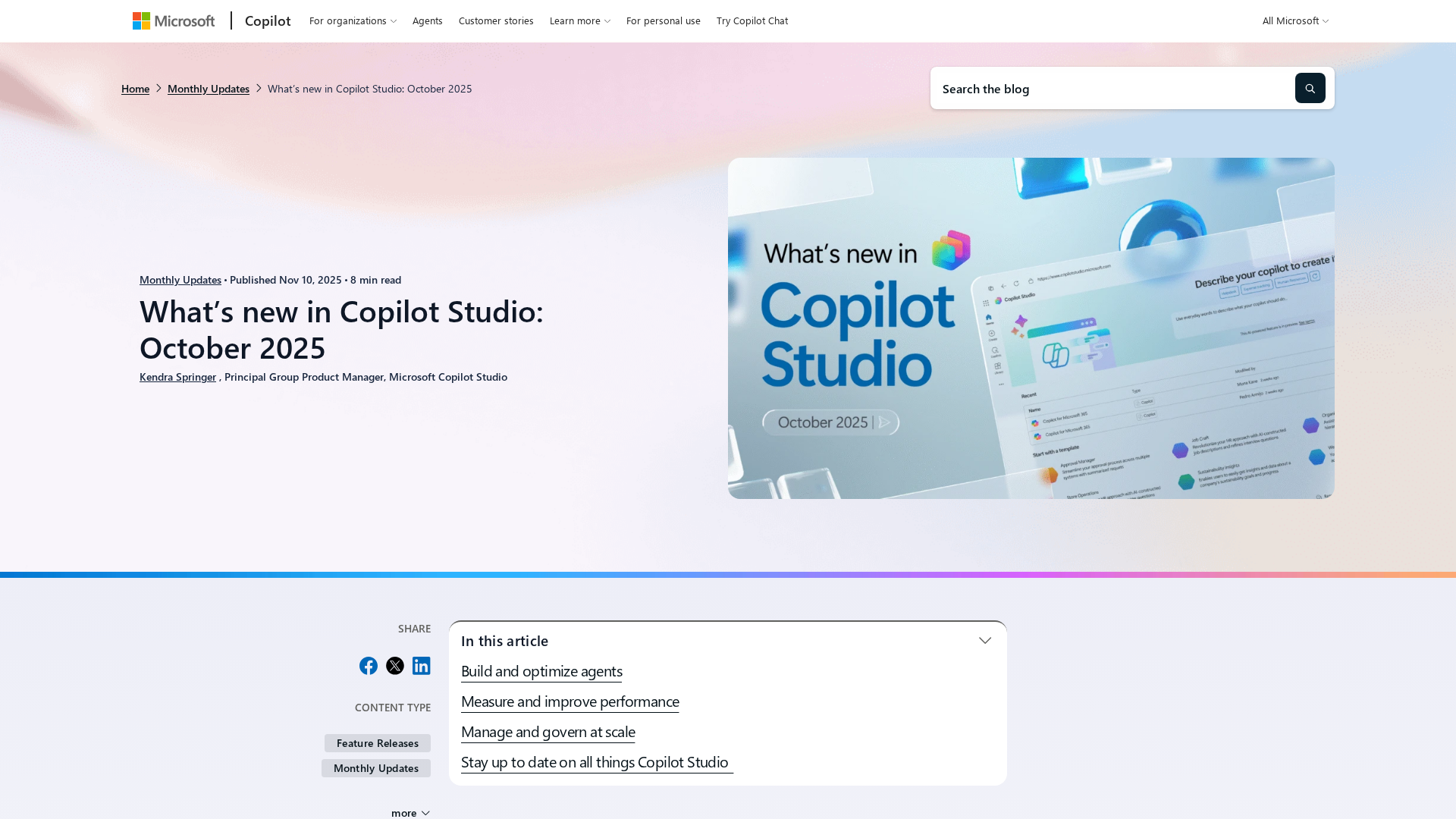
A comprehensive October 2025 roundup of Copilot Studio’s new testing, model, and governance features.
Adobe nears a $19 billion deal to acquire Semrush, expanding its marketing software capabilities, according to WSJ reports.
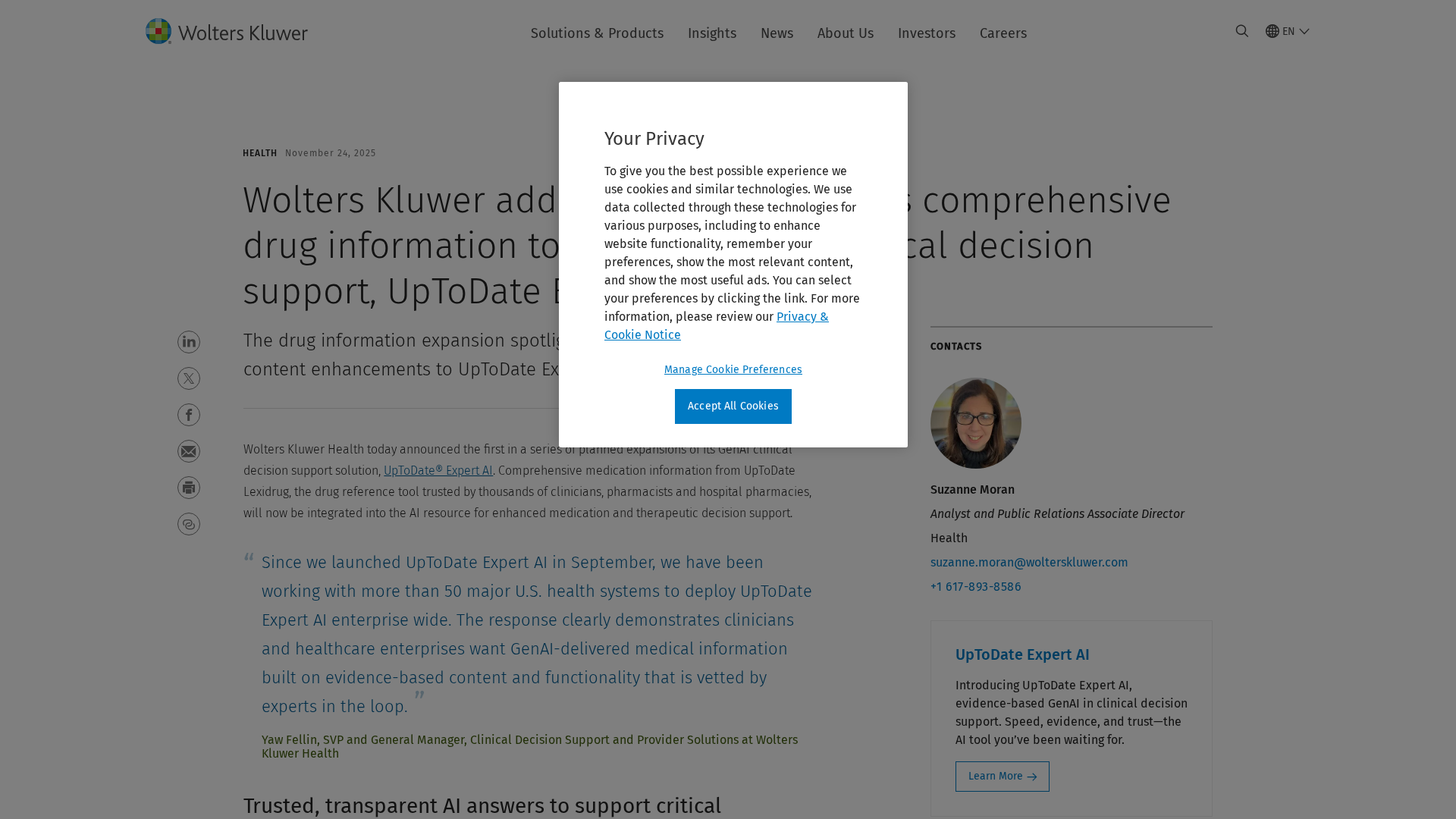
Wolters Kluwer expands UpToDate Expert AI with UpToDate Lexidrug to bolster drug information and medication decision support.