Topic Overview
This topic examines AI‑driven KYC/fraud bypass and anti‑spoofing measures in light of the Humanity Protocol experiment, which illustrated how agentic AI, commoditized generative models, and decentralized identity tooling can automate creation and abuse of synthetic identities. As of 2026, that combination is a timely challenge: multi‑agent orchestration and low‑code/no‑code AI platforms lower the bar for large‑scale spoofing attempts, while regulators demand stronger AML/KYC controls and vendor governance. Practical defenses combine three layers. First, infrastructure‑level visibility and telemetry are essential: tools like Xilos advertise comprehensive visibility into agent activity and connected services, helping detect anomalous orchestration patterns that precede mass account creation or automated fraud. Second, policy, monitoring and validation platforms are needed for regulated use cases—Monitaur represents insurance‑grade governance for continuous policy enforcement, vendor risk and audit trails. Third, controls at the application/interaction layer matter: enterprise agent platforms (IBM watsonx Assistant, Kore.ai, StackAI) and contact‑center GenAI platforms (Observe.AI) must embed anti‑spoofing, real‑time voice and content authenticity checks, and robust session validation; meanwhile, proliferating no‑code marketplaces (Anakin.ai) increase attacker tooling but can also be repurposed for defensive automation. The net lesson: effective KYC and anti‑spoofing in 2026 requires end‑to‑end observability, continuous validation of identity signals, vendor and policy governance, and agent‑level controls. Organizations should prioritize integrated monitoring, anti‑spoofing detectors, and governance platforms to meet regulatory expectations and reduce the operational risk posed by agentic AI.
Tool Rankings – Top 6
Intelligent Agentic AI Infrastructure

Insurance-focused enterprise AI governance platform centralizing policy, monitoring, validation, vendor governance and证e

Enterprise virtual agents and AI assistants built with watsonx LLMs for no-code and developer-driven automation.

Enterprise AI agent platform for building, deploying and orchestrating multi-agent workflows with governance, observabil

End-to-end no-code/low-code enterprise platform for building, deploying, and governing AI agents that automate work onun

Enterprise conversation-intelligence and GenAI platform for contact centers: voice agents, real-time assist, auto QA, &洞
Latest Articles (53)
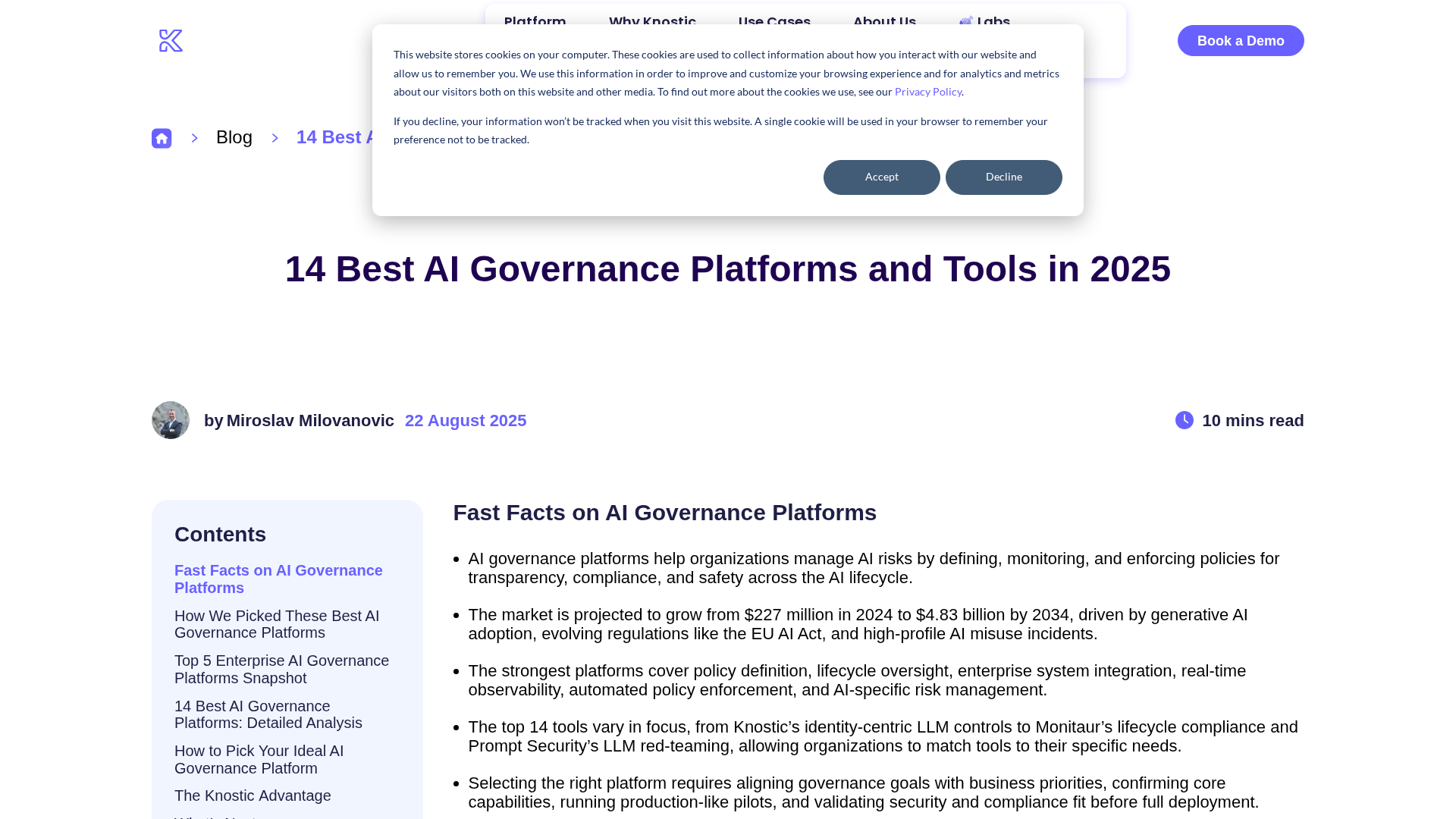
A vendor‑agnostic guide to the 14 best AI governance platforms in 2025, with criteria, comparisons, and practical buying guidance.
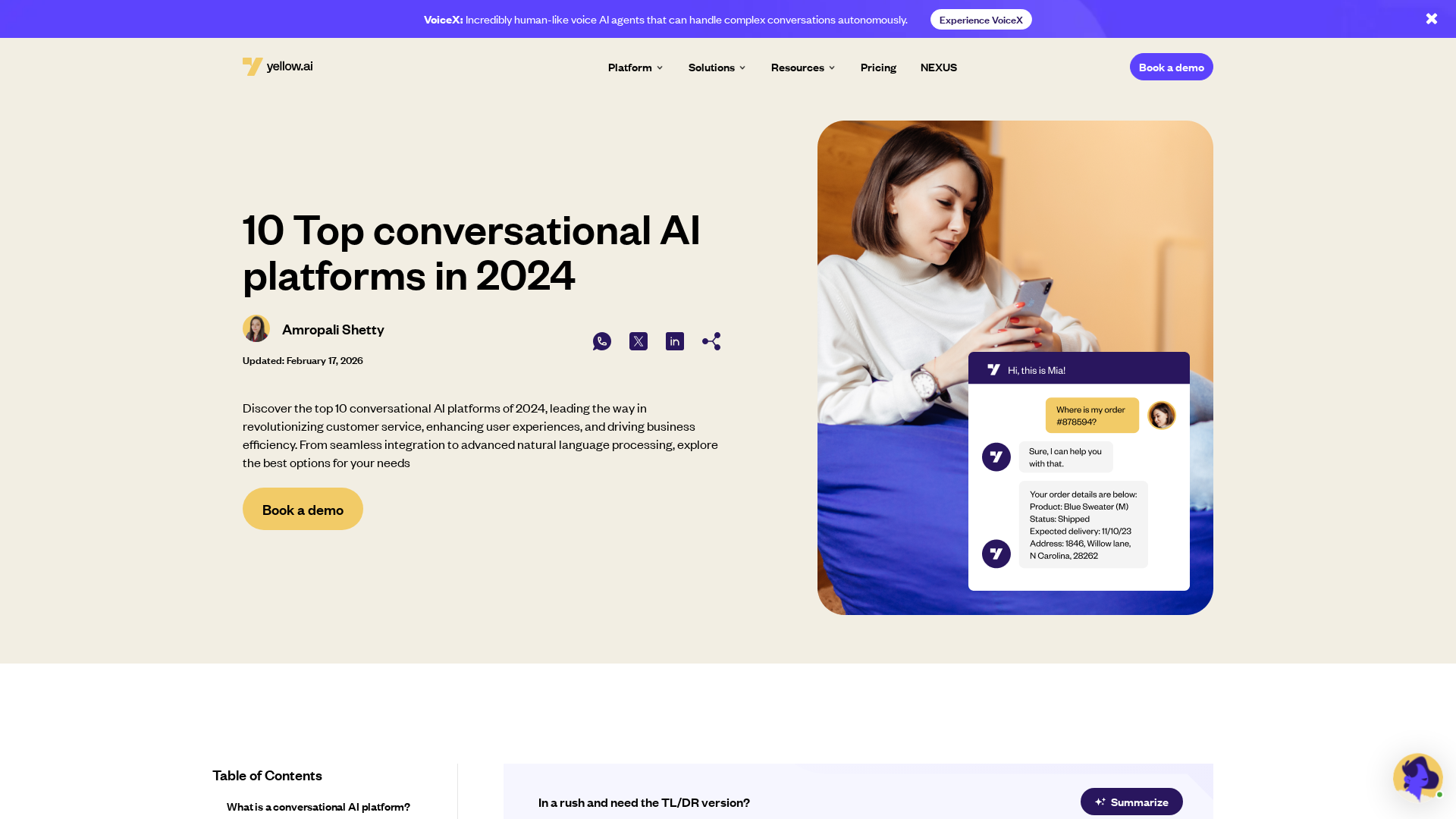
A concise guide to the top 10 conversational AI platforms in 2024, with features, benefits, and use cases.
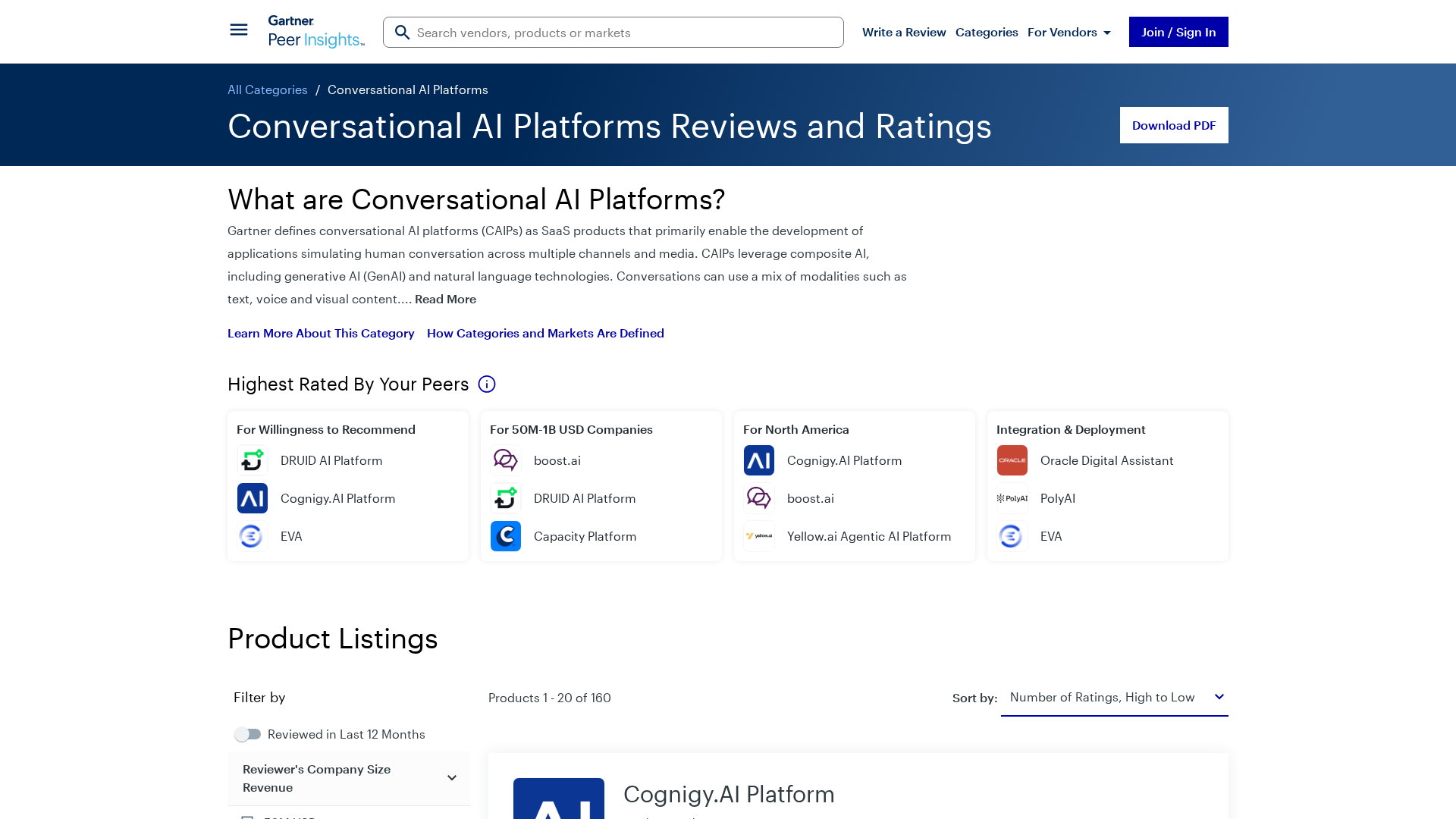
Gartner’s market view on conversational AI platforms, outlining trends, vendors, and buyer guidance.
OpenAI’s bypass moment underscores the need for governance that survives inevitable user bypass and hardens system controls.
A call to enable safe AI use at work via sanctioned access, real-time data protections, and frictionless governance.