Topic Overview
This topic examines the rise of large‑context language models (LLMs) that handle million‑token context windows and beyond, and what that shift means for enterprises in AI security governance, data platforms, and search. With longer context windows and multimodal inputs becoming practical, organizations can analyze entire codebases, long legal documents, meeting archives, and multimodal data in a single pass—reducing brittle chunking and retrieval loops but raising new governance, latency, cost, and privacy tradeoffs. Key commercial and platform players include Google Gemini (multimodal models and Vertex AI/Google AI APIs for enterprise deployment), Anthropic’s Claude family (conversational and developer assistants), OpenAI variants and emerging vendors (including Z.ai and Mistral AI) offering large‑context or efficiency‑focused models, plus developer frameworks and deployment tools such as LangChain for building and monitoring LLM agents. Productivity and vertical assistants—Microsoft 365 Copilot, Tabnine, and JetBrains AI Assistant—illustrate how long‑context models integrate into workflows for document synthesis and code understanding. Autonomous agent platforms (AutoGPT) highlight automation use cases that benefit from extended memory and state. As of 2026‑06‑19 the practical considerations for enterprise adoption center on: integration with AI data platforms and vector/enterprise search, governance tooling for access control, auditing and red‑teaming, private or hybrid hosting to protect sensitive corpora, and cost/latency optimization (retrieval‑augmented, selective context loading). Evaluations now emphasize end‑to‑end security, accuracy over long spans, and observability. Comparing large‑context LLM options requires assessing model context length, multimodal capabilities, deployment and governance features, and how they fit with existing data and search infrastructure.
Tool Rankings – Top 6

Google’s multimodal family of generative AI models and APIs for developers and enterprises.

An open-source framework and platform to build, observe, and deploy reliable AI agents.
Anthropic's Claude family: conversational and developer AI assistants for research, writing, code, and analysis.
AI assistant integrated across Microsoft 365 apps to boost productivity, creativity, and data insights.

Enterprise-focused provider of open/efficient models and an AI production platform emphasizing privacy, governance, and

Platform to build, deploy and run autonomous AI agents and automation workflows (self-hosted or cloud-hosted).
Latest Articles (68)
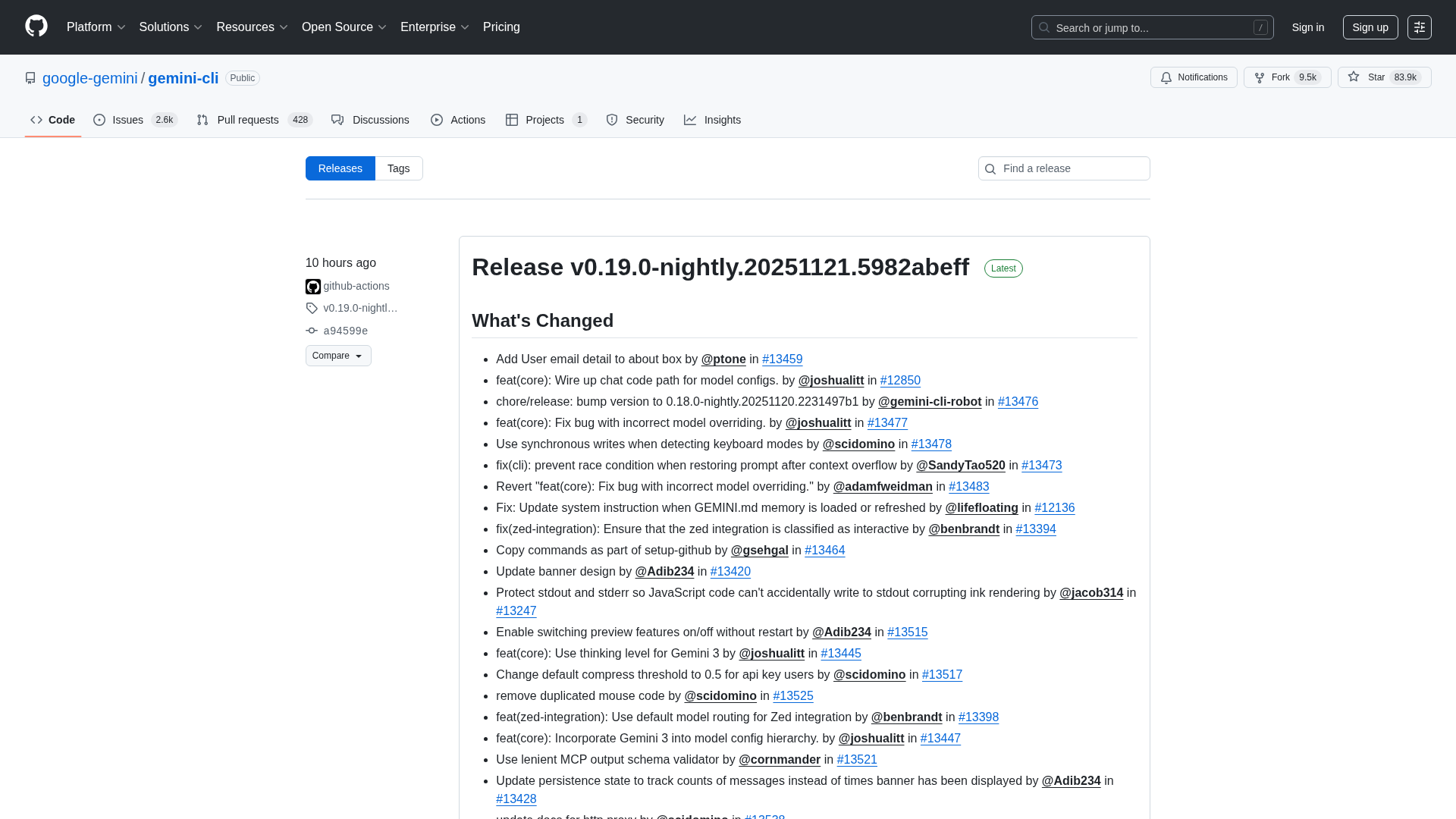
Overview of the Gemini CLI v0.36.0-preview release series, highlighting architectural, CLI, and UI changelogs across multiple pre-release versions.
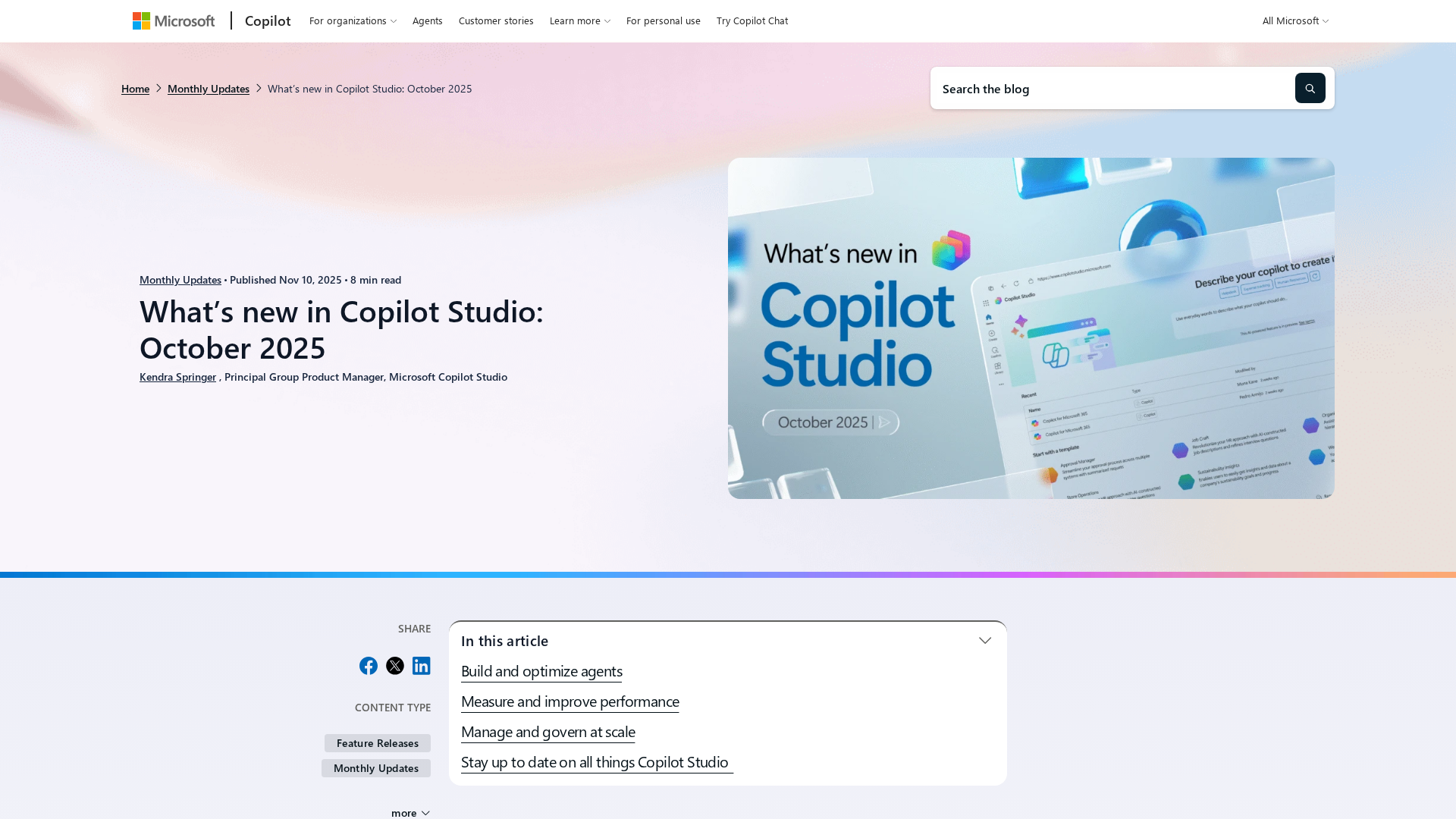
A comprehensive October 2025 roundup of Copilot Studio’s new testing, model, and governance features.
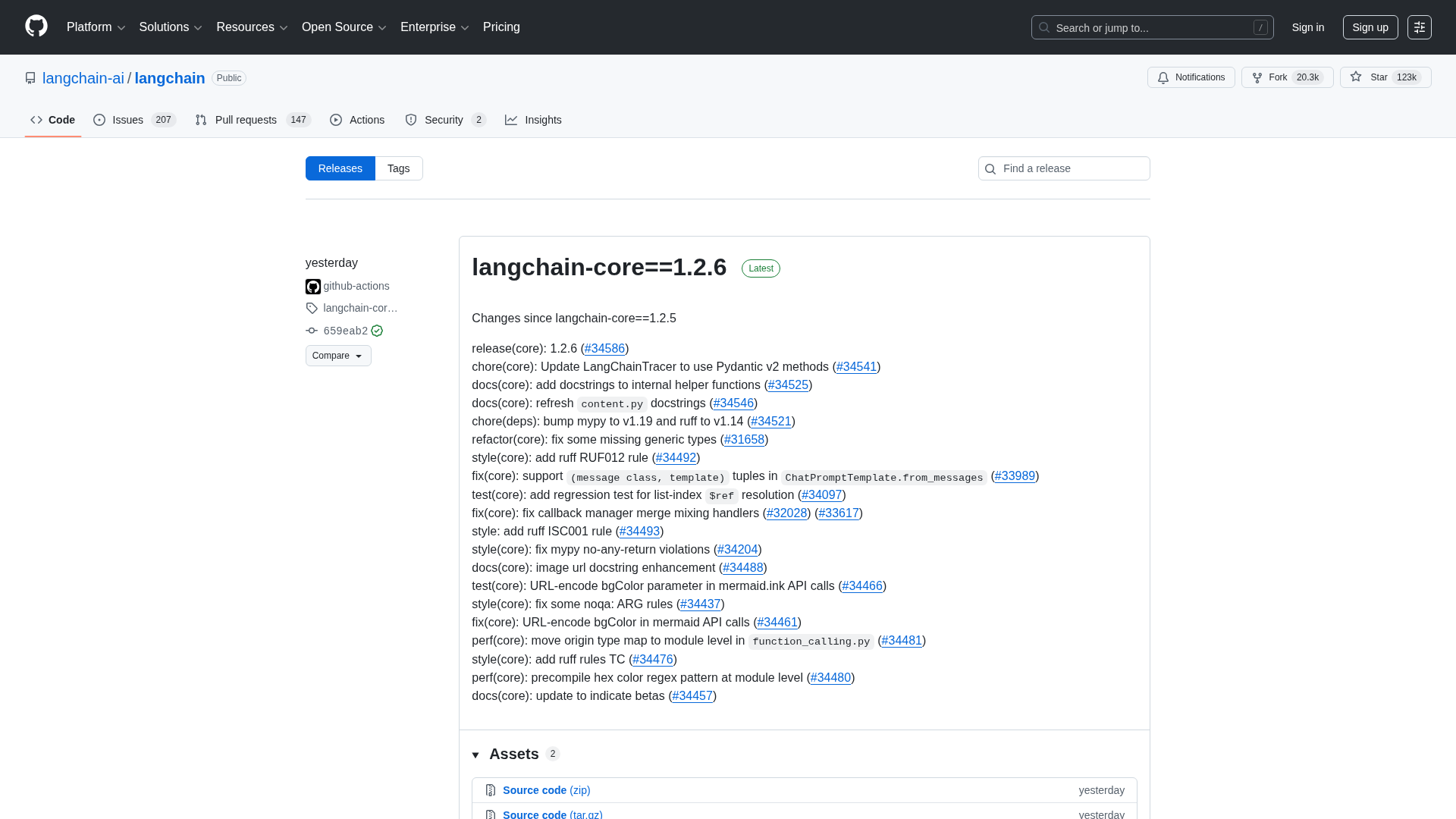
A comprehensive LangChain releases roundup detailing Core 1.2.6 and interconnected updates across XAI, OpenAI, Classic, and tests.
A reproducible bug where LangGraph with Gemini ignores tool results when a PDF is provided, even though the tool call succeeds.
A practical guide to debugging deep agents with LangSmith using tracing, Polly AI analysis, and the LangSmith Fetch CLI.