Topic Overview
This topic examines the landscape of AI chips and inference hardware in 2026, focusing on how specialized accelerators from companies such as Nvidia, Tesla and Meta interact with cloud and edge platforms to run modern generative and vision workloads. It covers the spectrum from data‑center GPUs and purpose‑built fabrics to low‑latency edge vision accelerators and decentralized inference infrastructures. Relevance and timing: demand for efficient, low‑latency inference and privacy‑aware on‑device processing has grown alongside wider adoption of multimodal foundation models and enterprise governance requirements. Organizations now evaluate not only raw training throughput but also operational factors—energy use, latency at the edge, model privacy, and integration with serverless and decentralized inference stacks. Key tools and roles: Nvidia remains a principal provider of data‑center GPUs and software tooling for both training and inference. Tesla’s Dojo and other custom fabrics emphasize high‑throughput, in‑house acceleration for large model workloads. Meta’s investments in internal silicon and optimized software stacks target cost‑effective large‑scale model serving. Complementary platforms include Together AI, which offers a full‑stack AI acceleration cloud with serverless inference APIs and scalable training; Mistral AI, which supplies efficient open models and enterprise production tooling with governance and privacy features; Cohere, which provides private, customizable LLMs, embeddings and retrieval services for businesses; and Google Gemini, a multimodal model family available via Google Cloud and developer APIs. Trends: heterogeneous hardware footprints, tighter co‑design of models and chips, growth in serverless and decentralized inference orchestration, and a push toward smaller, efficient models that unlock broader edge and privacy‑sensitive deployments. Choosing the right combination of silicon, model family and orchestration platform is now a central architectural decision for AI production.
Tool Rankings – Top 4

A full-stack AI acceleration cloud for fast inference, fine-tuning, and scalable GPU training.

Enterprise-focused provider of open/efficient models and an AI production platform emphasizing privacy, governance, and

Enterprise-focused LLM platform offering private, customizable models, embeddings, retrieval, and search.

Google’s multimodal family of generative AI models and APIs for developers and enterprises.
Latest Articles (51)
Overview of the Gemini CLI v0.36.0-preview release series, highlighting architectural, CLI, and UI changelogs across multiple pre-release versions.

Baseten launches an AI training platform to compete with hyperscalers, promising simpler, more transparent ML workflows.
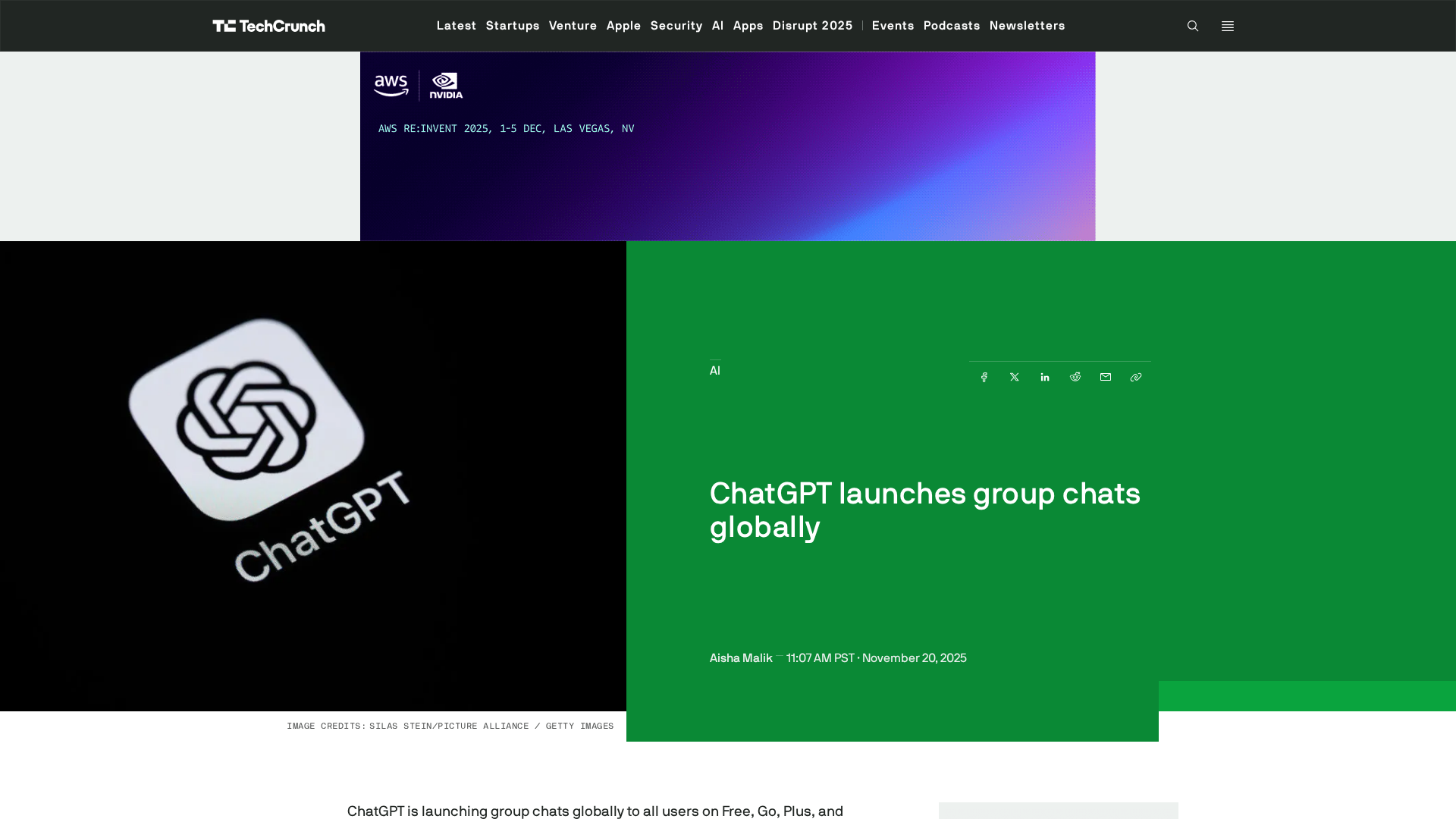
OpenAI rolls out global group chats in ChatGPT, supporting up to 20 participants in shared AI-powered conversations.
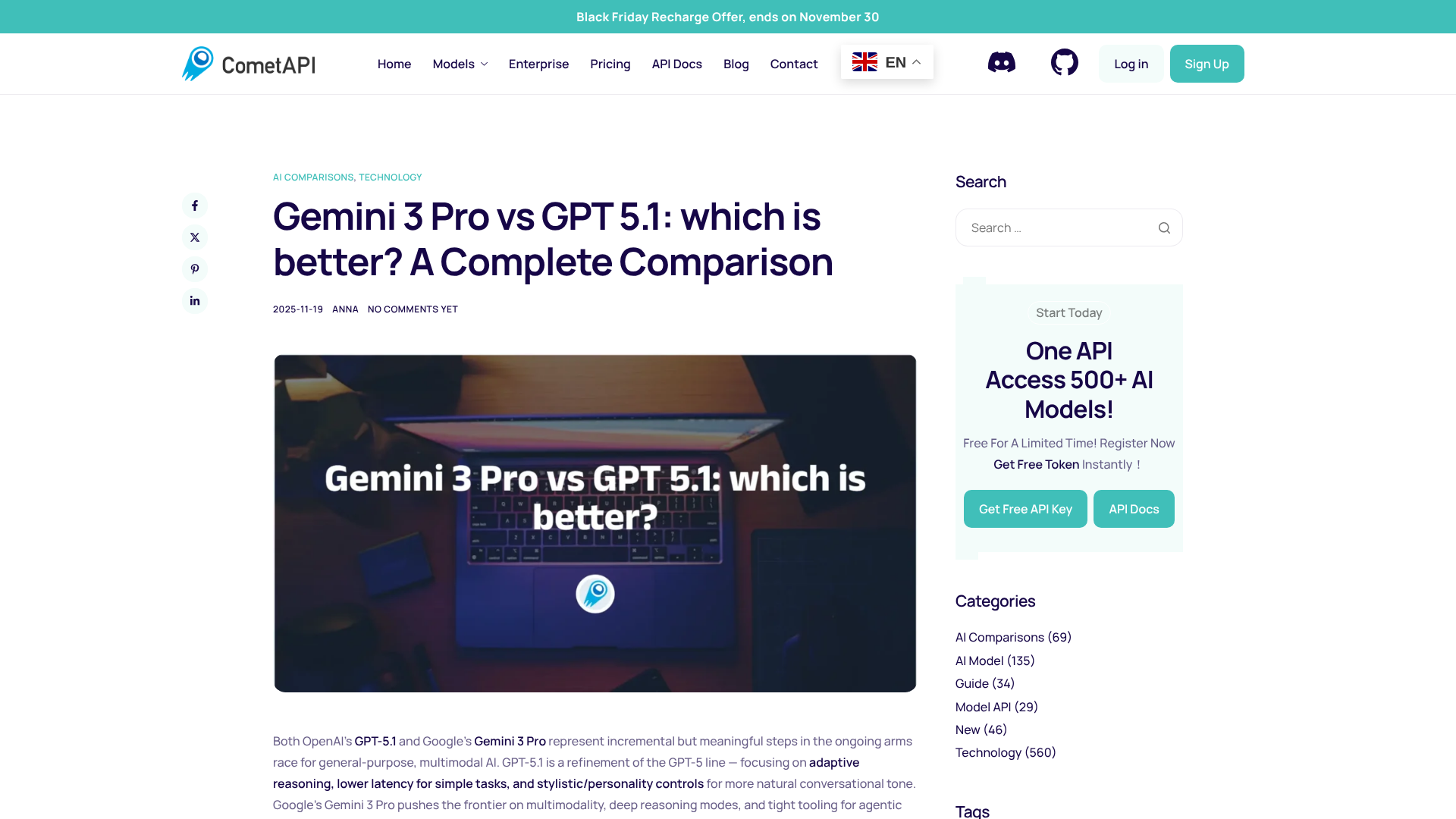
A detailed, use-case-driven comparison of Gemini 3 Pro and GPT-5.1 across context windows, multimodal capabilities, tooling, benchmarks, and pricing.

A practical, prompt-based playbook showing how Gemini 3 reshapes work, with a 90‑day plan and guardrails.