
Topic Overview
This topic examines the platforms and toolchains driving AI inference at the edge and the rise of decentralized infrastructure in 2026. Hardware efforts from Groq (Groq‑3), Nvidia, and Tesla’s chip programs have pushed inference-focused design tradeoffs—latency, determinism, power efficiency, and local privacy—into the center of deployment decisions for vision and agentic applications. At the same time, software and orchestration layers are evolving to place models where data lives: in cameras, vehicles, factories, and distributed clusters. Key categories include Edge AI Vision Platforms (on‑device inferencing, optimized runtime stacks, quantized vision models) and Decentralized AI Infrastructure (federated learning, peer hosting, and agent coordination). Complementary tools shape the stack: Stable Code provides edge‑ready, instruction‑tuned code LLMs for private and fast completion tasks; LangChain supplies developer SDKs and orchestration patterns for building and deploying reliable agents; Xilos targets enterprise orchestration with visibility into agentic activity and connected services; Google Gemini represents a multimodal model family accessible via cloud APIs for hybrid cloud/edge workflows; GPTConsole offers developer tooling (SDK, API, CLI, web) for building, monitoring, and monetizing production agents. Why this matters now: deployments are migrating from centralized clouds toward mixed edge architectures to meet regulatory privacy, cost, and latency constraints. The combination of specialized inference silicon and mature agent frameworks reduces friction for productionizing local AI while raising new integration questions—model compilation, lifecycle management, observability, and secure synchronization across decentralized nodes. This overview helps technical decision makers compare platforms and toolchains for real‑world edge vision and distributed AI use cases without relying on vendor hype.
Tool Rankings – Top 5

Edge-ready code language models for fast, private, and instruction‑tuned code completion.
Intelligent Agentic AI Infrastructure

An open-source framework and platform to build, observe, and deploy reliable AI agents.

Google’s multimodal family of generative AI models and APIs for developers and enterprises.

Developer-focused platform (SDK, API, CLI, web) to create, share and monetize production-ready AI agents.
Latest Articles (32)
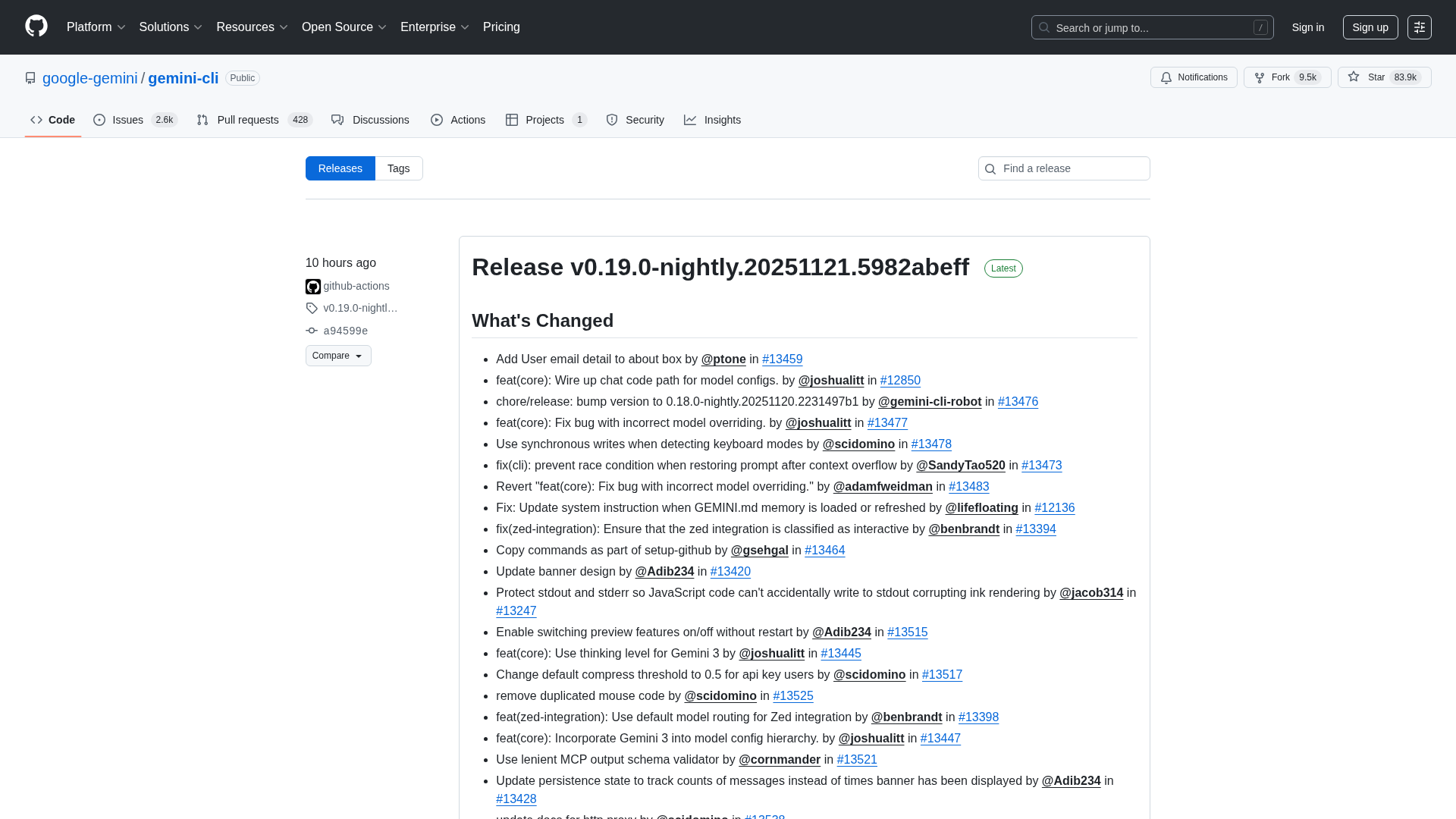
Overview of the Gemini CLI v0.36.0-preview release series, highlighting architectural, CLI, and UI changelogs across multiple pre-release versions.
OpenAI’s bypass moment underscores the need for governance that survives inevitable user bypass and hardens system controls.
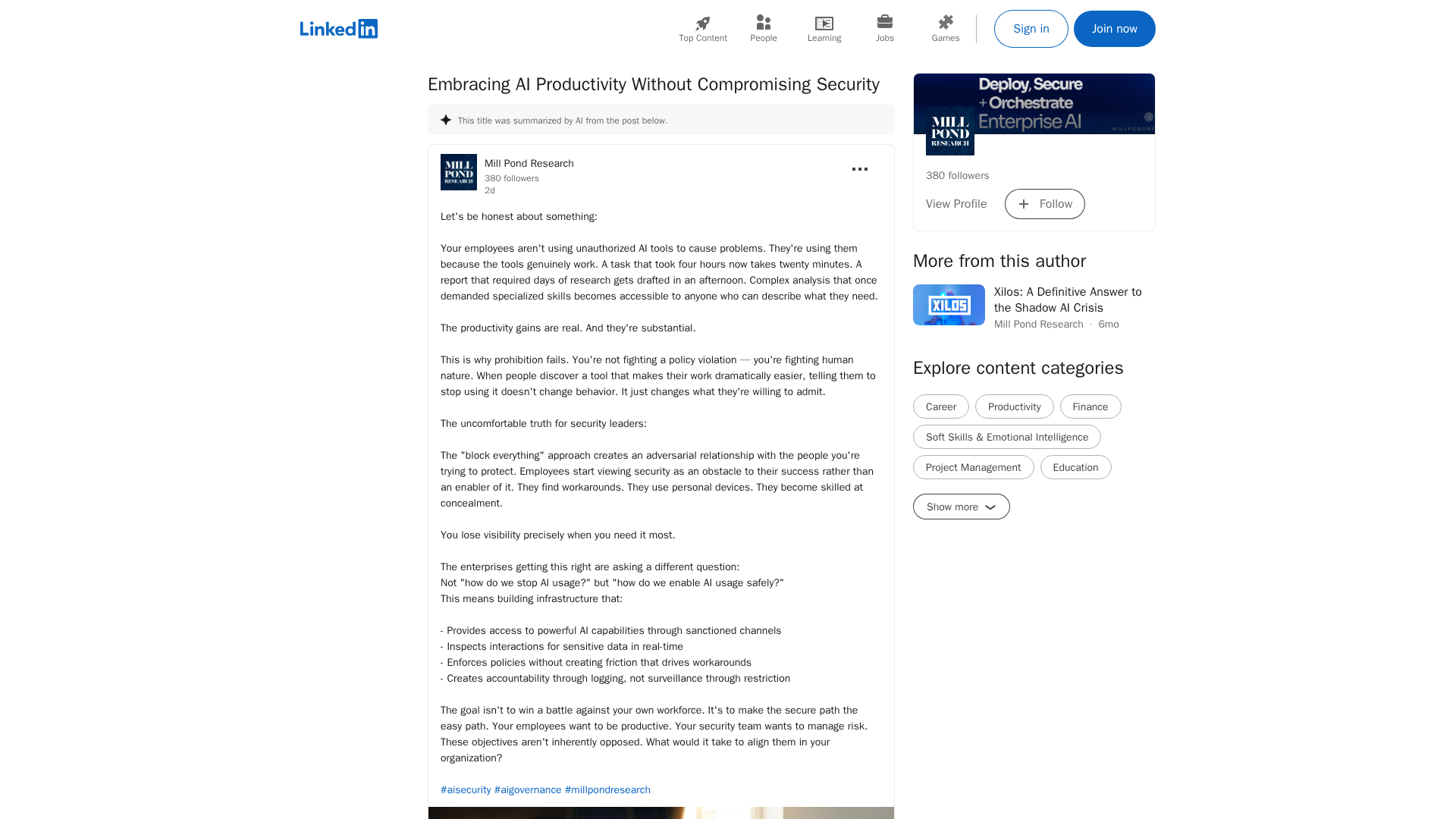
A call to enable safe AI use at work via sanctioned access, real-time data protections, and frictionless governance.
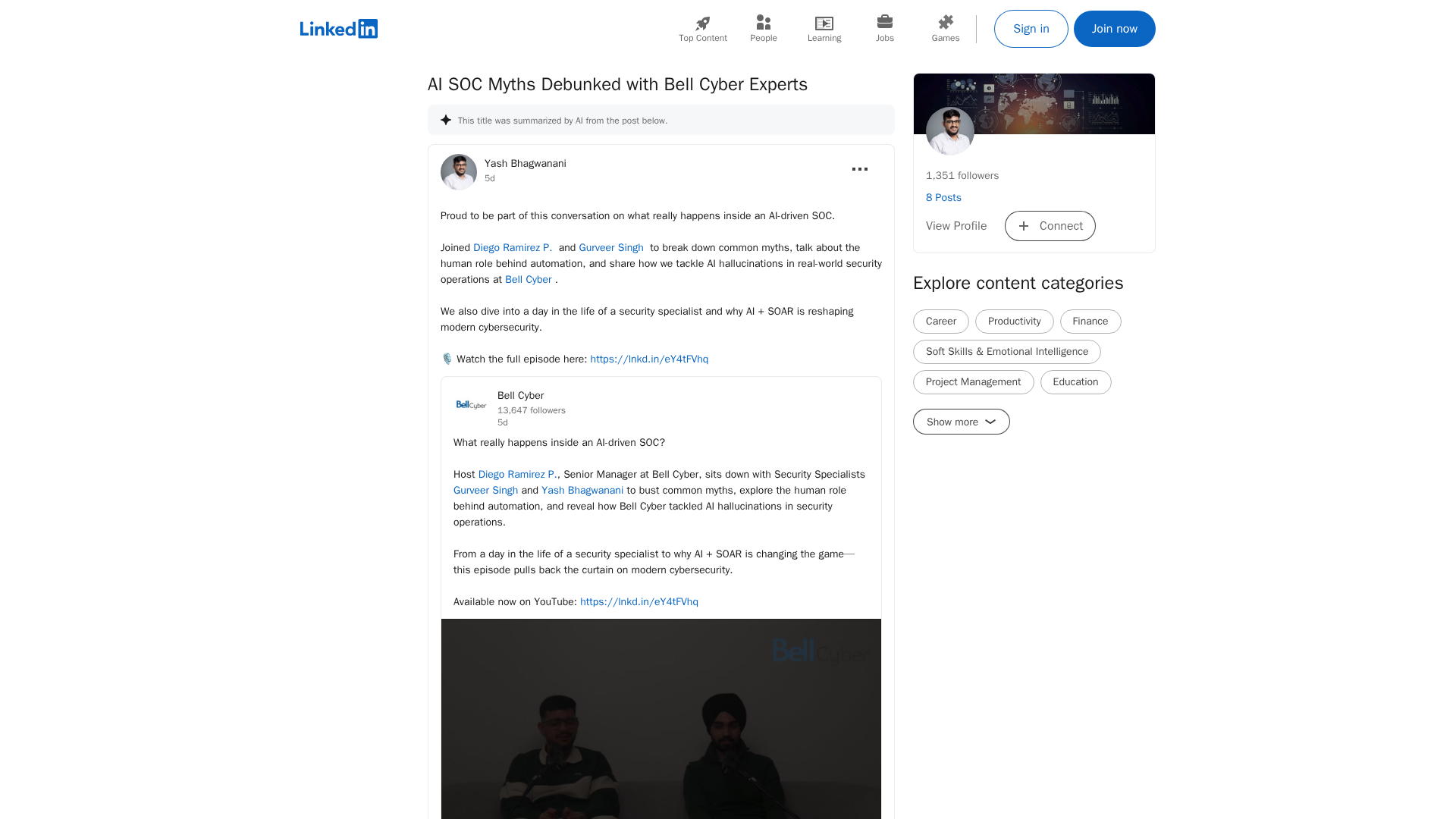
A real-world look at AI in SOCs, debunking myths and highlighting the human role behind automation with Bell Cyber experts.
Explores the human role behind AI automation and how Bell Cyber tackles AI hallucinations in security operations.