
Topic Overview
Autonomous AI trading systems combine agentic LLMs, stateful orchestration, market intelligence, and production infrastructure to run algorithmic strategies with minimal human intervention. By 2026 these systems are shaped by a few converging trends: the rise of engineering-first agent frameworks, the availability of efficient open models, stronger governance and observability requirements, and integrated developer tooling for safe deployment. Key categories include AI automation platforms and agent frameworks (e.g., LangChain’s engineering stack and LangGraph for stateful agents), enterprise no-code/low-code platforms for faster prototyping and governance (StackAI, IBM watsonx Assistant), and agentic infrastructures that provide service-level visibility and activity auditing (Xilos). Model and runtime choices matter: providers like Mistral AI supply open, efficiency-focused models and production tooling that help meet privacy and latency constraints, while code-specialized models (Code Llama) and coding assistants (Windsurf, Tabby, Replit, JetBrains, Amazon CodeWhisperer) accelerate developer workflows for strategy implementation and integration. Market intelligence and agent marketplaces enable reuse of signals and prebuilt agents, and code-review tools such as CodeRabbit add a safety layer by surfacing logic, dependency, and security issues in trading code and agent orchestration. For firms building autonomous trading platforms, priorities in 2026 include explainability, audit trails, real-time observability, risk controls, and hybrid deployment (cloud and on-prem) to satisfy compliance and latency needs. The landscape is pragmatic: teams blend agent frameworks for control, enterprise platforms for governance, and developer-centric IDEs and models for rapid iteration, while relying on infrastructure and review tools to enforce safety and operational visibility.
Tool Rankings – Top 6

Engineering platform and open-source frameworks to build, test, and deploy reliable AI agents.

End-to-end no-code/low-code enterprise platform for building, deploying, and governing AI agents that automate work onun
Intelligent Agentic AI Infrastructure

Enterprise virtual agents and AI assistants built with watsonx LLMs for no-code and developer-driven automation.

Enterprise-focused provider of open/efficient models and an AI production platform emphasizing privacy, governance, and

AI-native IDE and agentic coding platform (Windsurf Editor) with Cascade agents, live previews, and multi-model support.
Latest Articles (75)
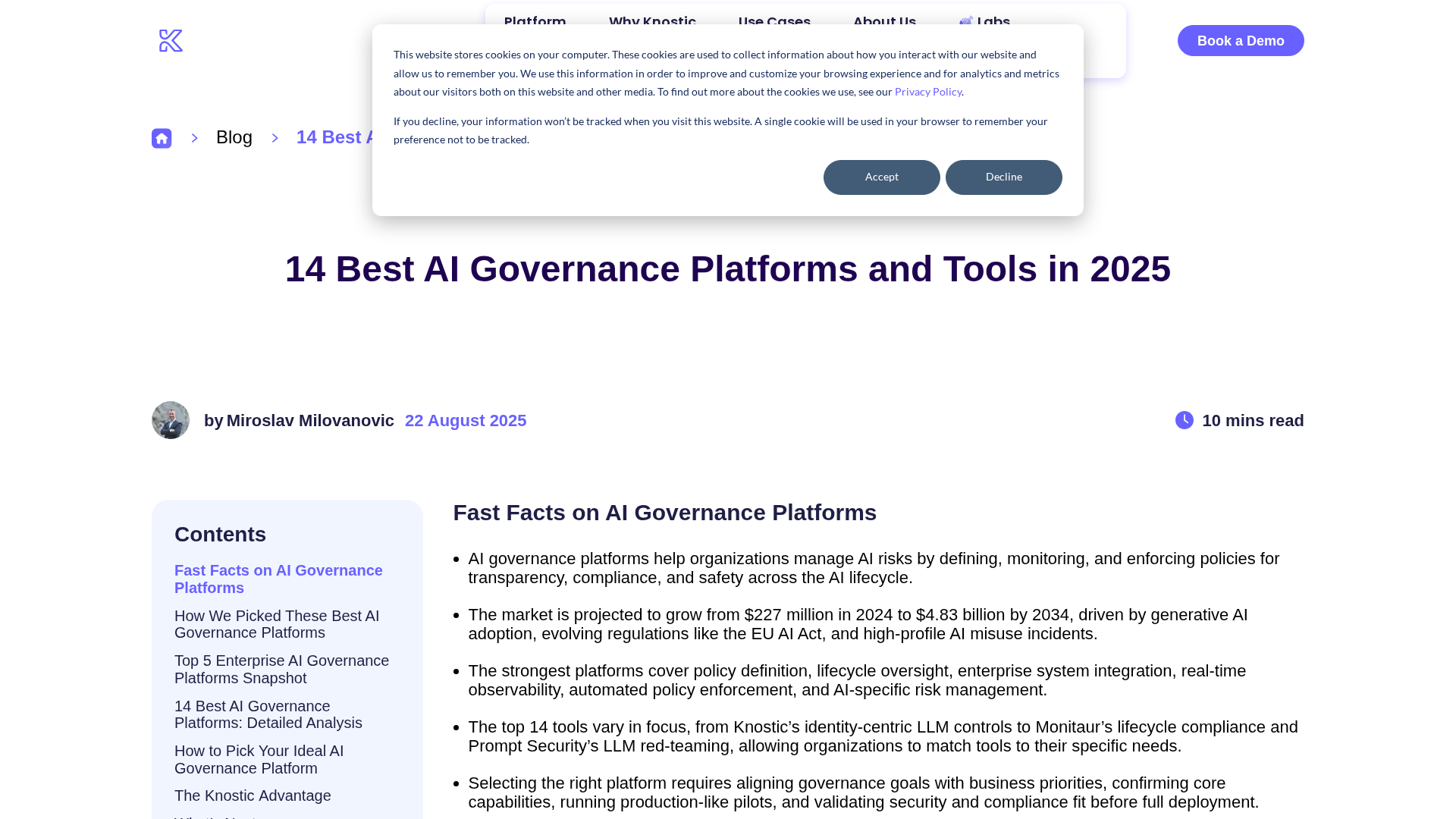
A vendor‑agnostic guide to the 14 best AI governance platforms in 2025, with criteria, comparisons, and practical buying guidance.
OpenAI’s bypass moment underscores the need for governance that survives inevitable user bypass and hardens system controls.
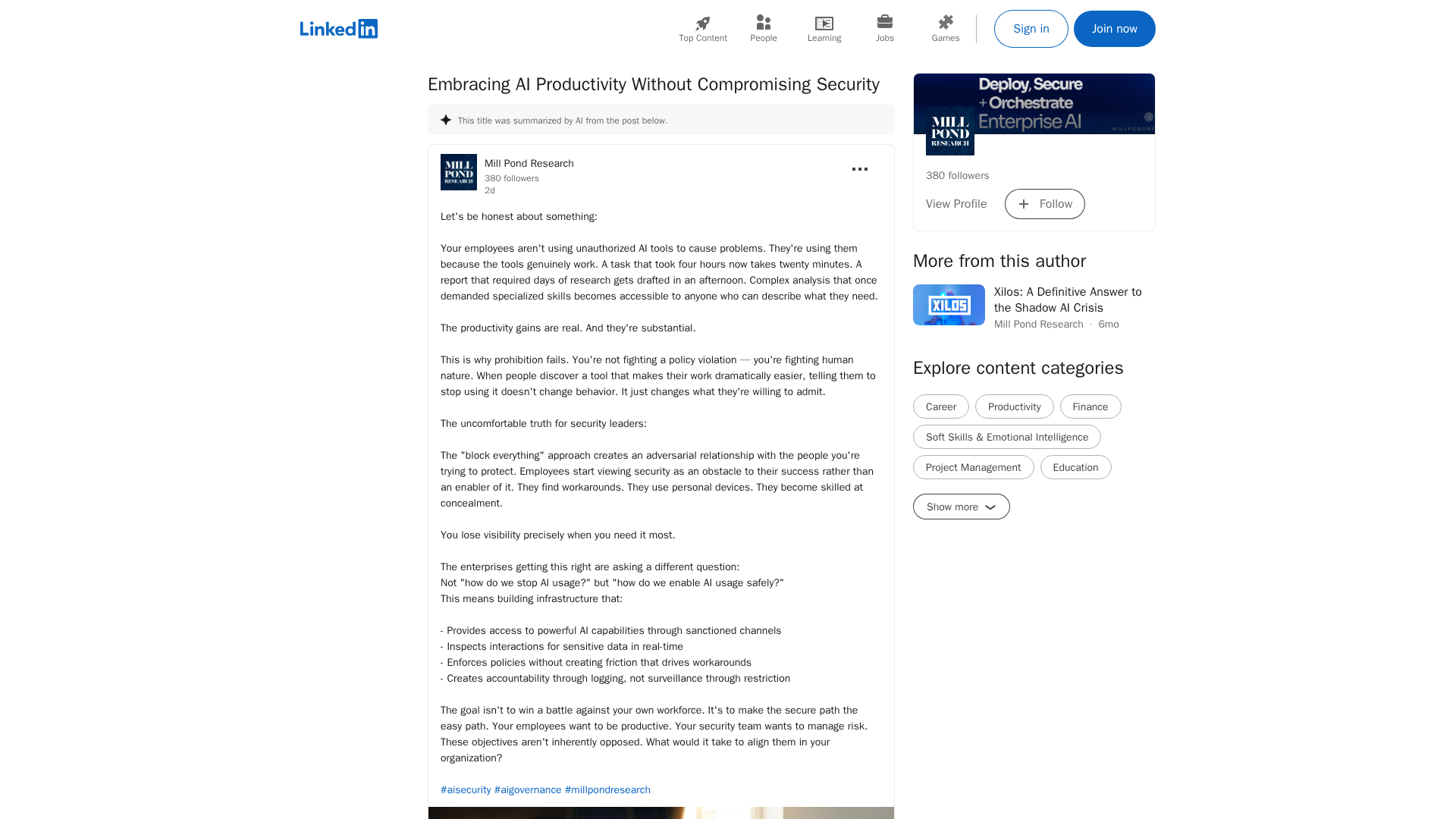
A call to enable safe AI use at work via sanctioned access, real-time data protections, and frictionless governance.
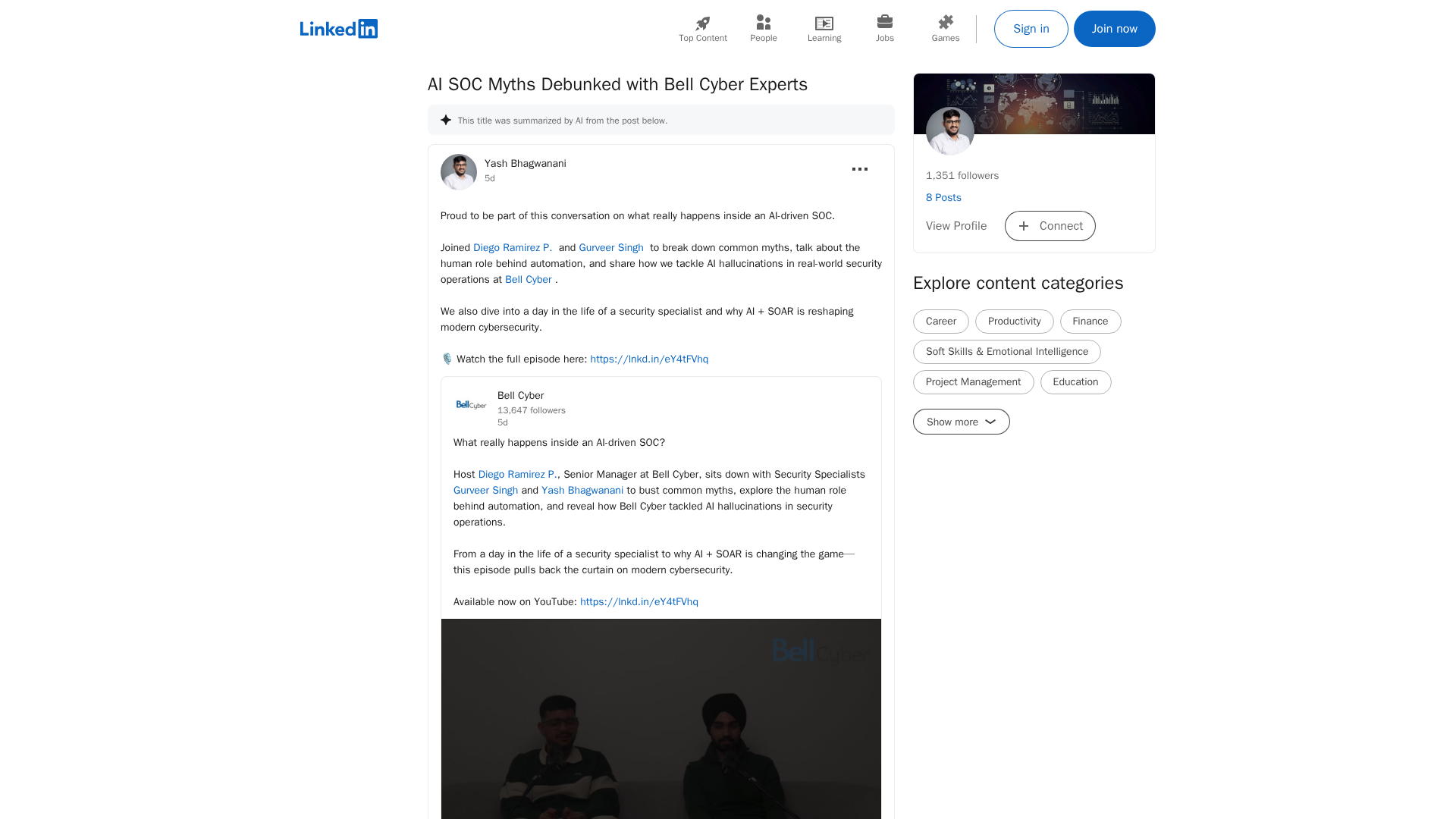
A real-world look at AI in SOCs, debunking myths and highlighting the human role behind automation with Bell Cyber experts.
Explores the human role behind AI automation and how Bell Cyber tackles AI hallucinations in security operations.