Topic Overview
Live AI translation and interpretation services enable near‑instant, multilingual communication for conferences, hybrid events, webinars, and public‑facing experiences. This topic covers real‑time voice translation, simultaneous interpretation, live captioning and transcription, plus downstream localization and voice synthesis used to create consistent multilingual experiences. By 2026 these capabilities have become more practical for events due to lower latency, stronger multilingual models, and tighter integrations with event platforms and productivity suites. Practical deployments now blend automated models with human review: tools like TranslatorSage focus on real‑time AI voice translation across 50+ languages and regional dialects for meetings and webinars, while platforms such as Lilt pair AI translation with human post‑editing and managed services to scale accurate localized content. Enterprise orchestration and governance are increasingly important—Kore.ai and IBM watsonx Assistant provide agent frameworks and no‑code/developer tooling to route interpretation tasks, enforce policies, and integrate with backend systems. Underpinning models and developer APIs (for example Google Gemini) supply the multimodal translation and contextual understanding that improve accuracy. Production audio quality and personalized voice output are enabled by specialist audio stacks like ElevenLabs (high‑fidelity TTS, voice cloning, and speech‑to‑text). Microsoft 365 Copilot and similar assistants surface translated content and summaries inside productivity workflows. Key considerations for event teams include latency, accuracy vs. human review, speaker separation and audio quality, privacy/compliance, and ethical use of voice cloning. The current landscape favors hybrid architectures—real‑time AI for scale and speed, with human oversight and enterprise orchestration for quality, safety and compliance.
Tool Rankings – Top 6
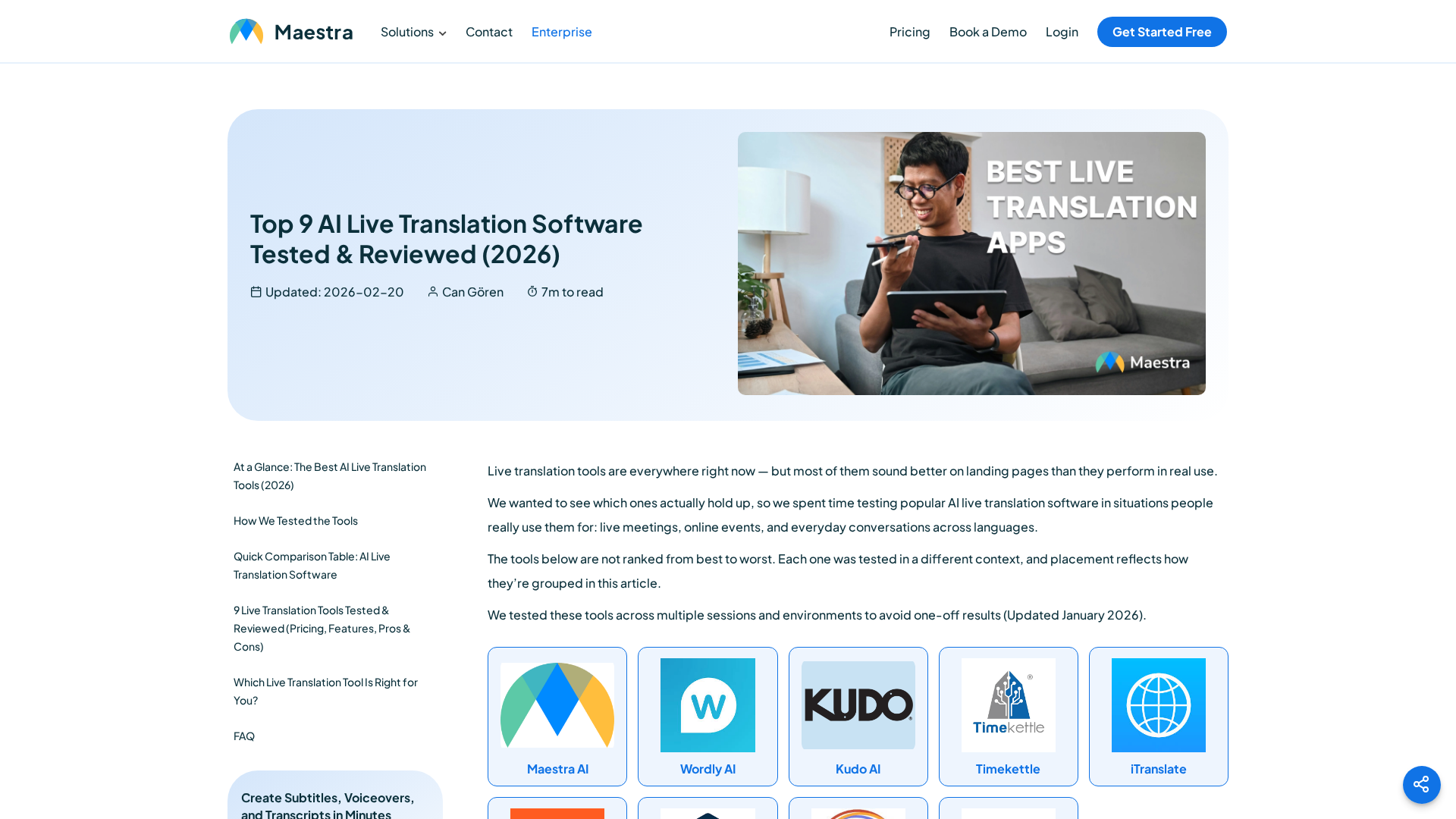
Real time AI Voice Translator
Enterprise-focused AI-first translation and localization platform combining contextual AI models with human review.

Enterprise AI agent platform for building, deploying and orchestrating multi-agent workflows with governance, observabil

Enterprise virtual agents and AI assistants built with watsonx LLMs for no-code and developer-driven automation.

Google’s multimodal family of generative AI models and APIs for developers and enterprises.
AI assistant integrated across Microsoft 365 apps to boost productivity, creativity, and data insights.
Latest Articles (88)
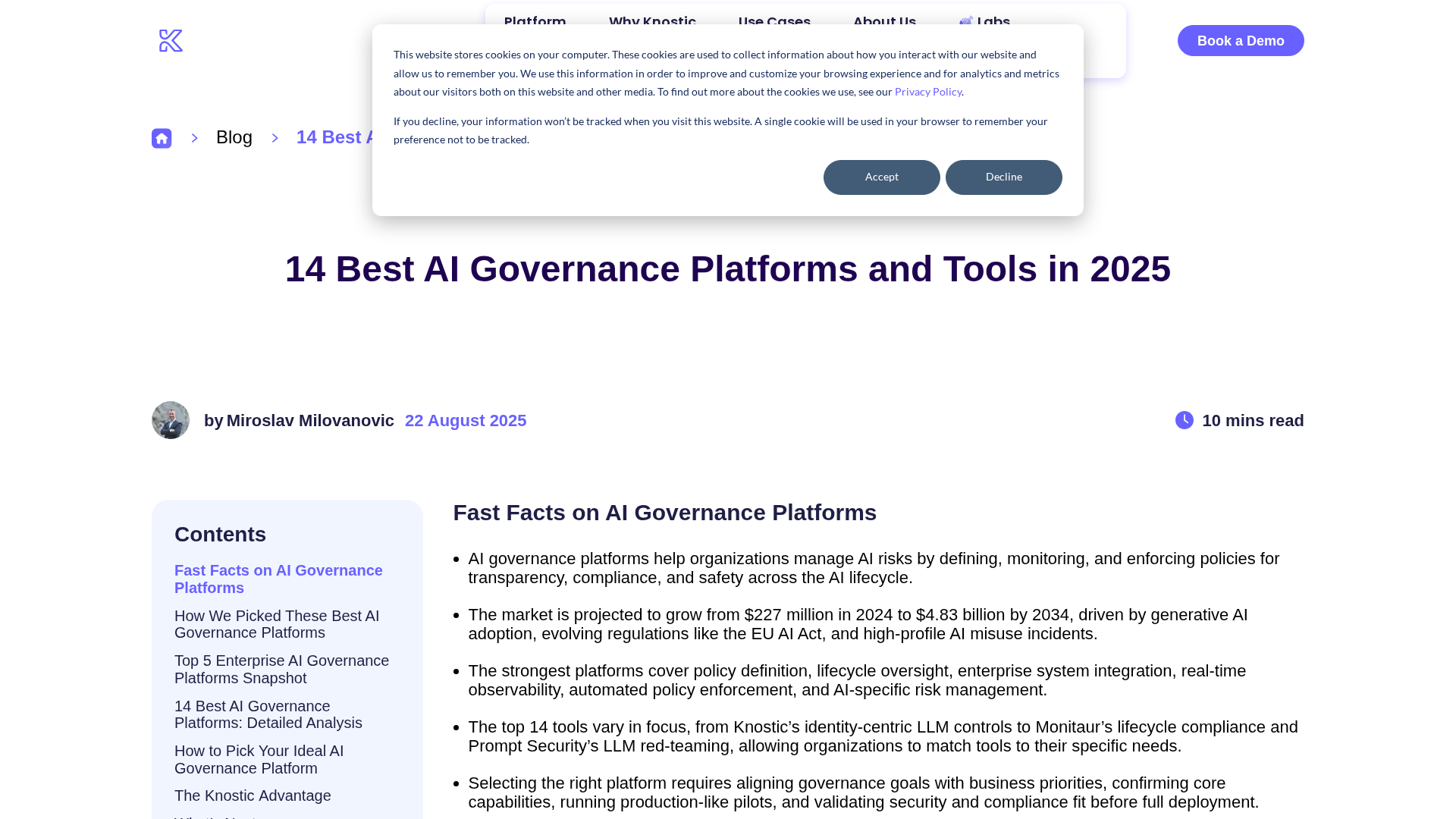
A vendor‑agnostic guide to the 14 best AI governance platforms in 2025, with criteria, comparisons, and practical buying guidance.
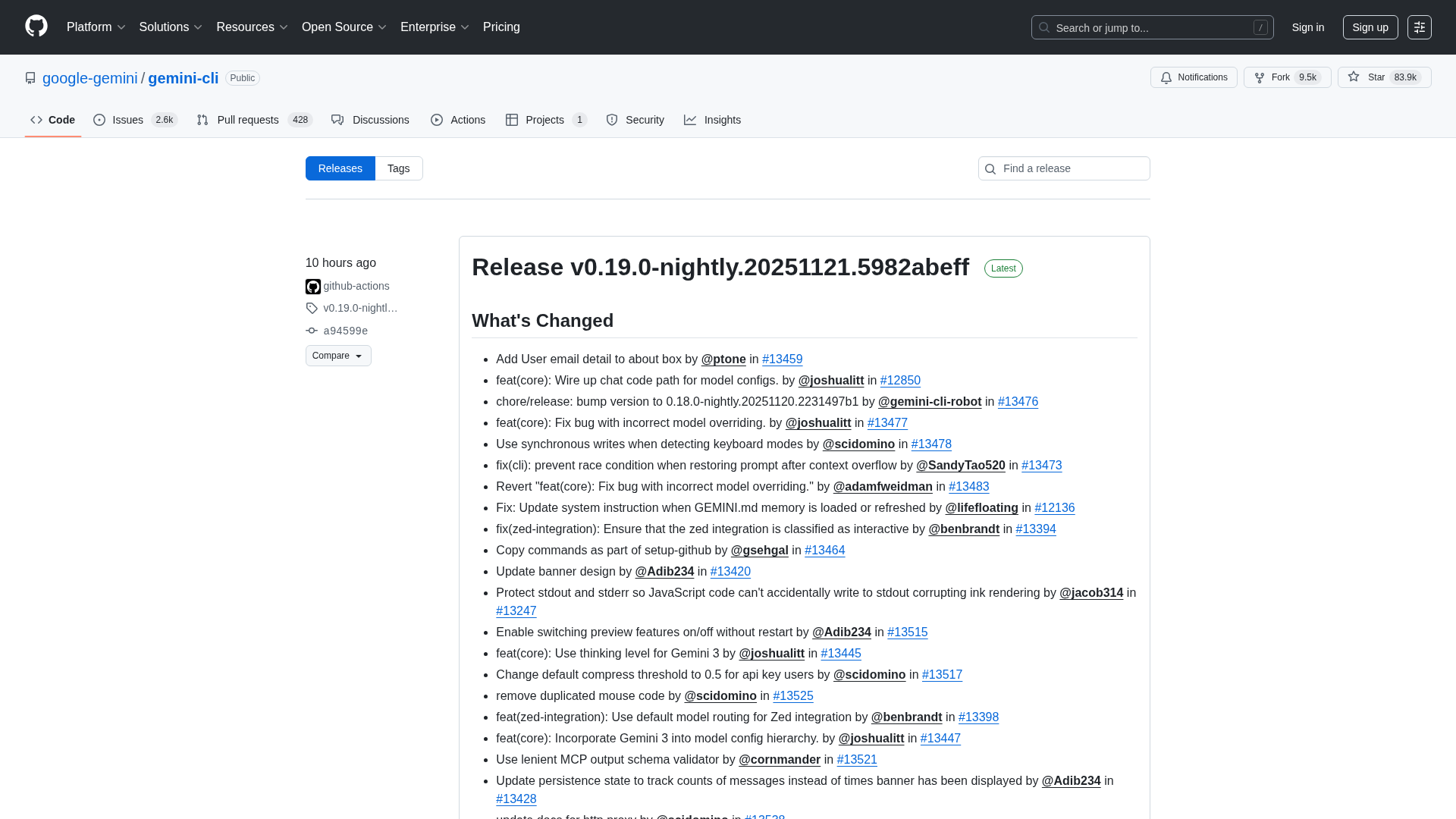
Overview of the Gemini CLI v0.36.0-preview release series, highlighting architectural, CLI, and UI changelogs across multiple pre-release versions.
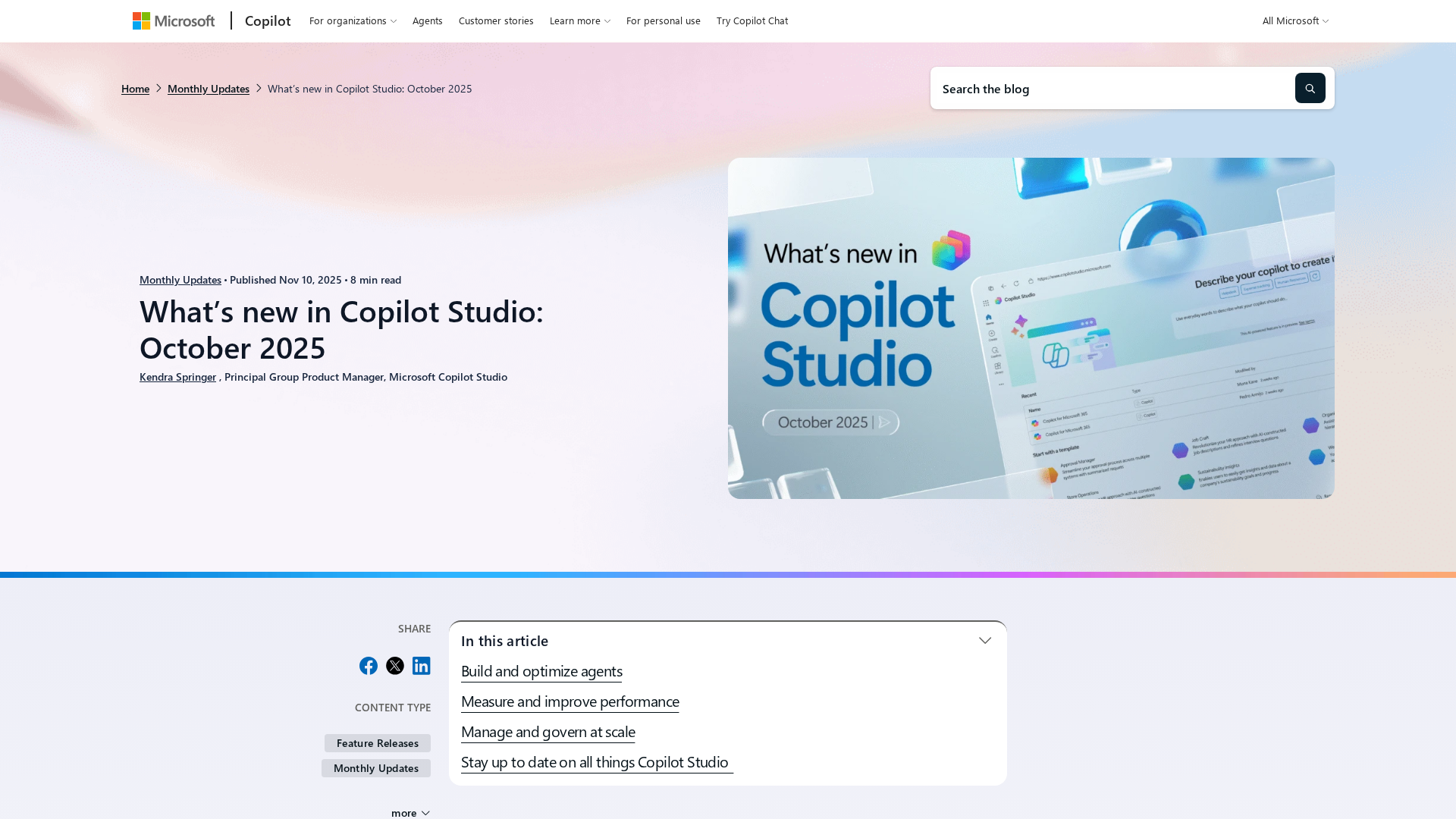
A comprehensive October 2025 roundup of Copilot Studio’s new testing, model, and governance features.
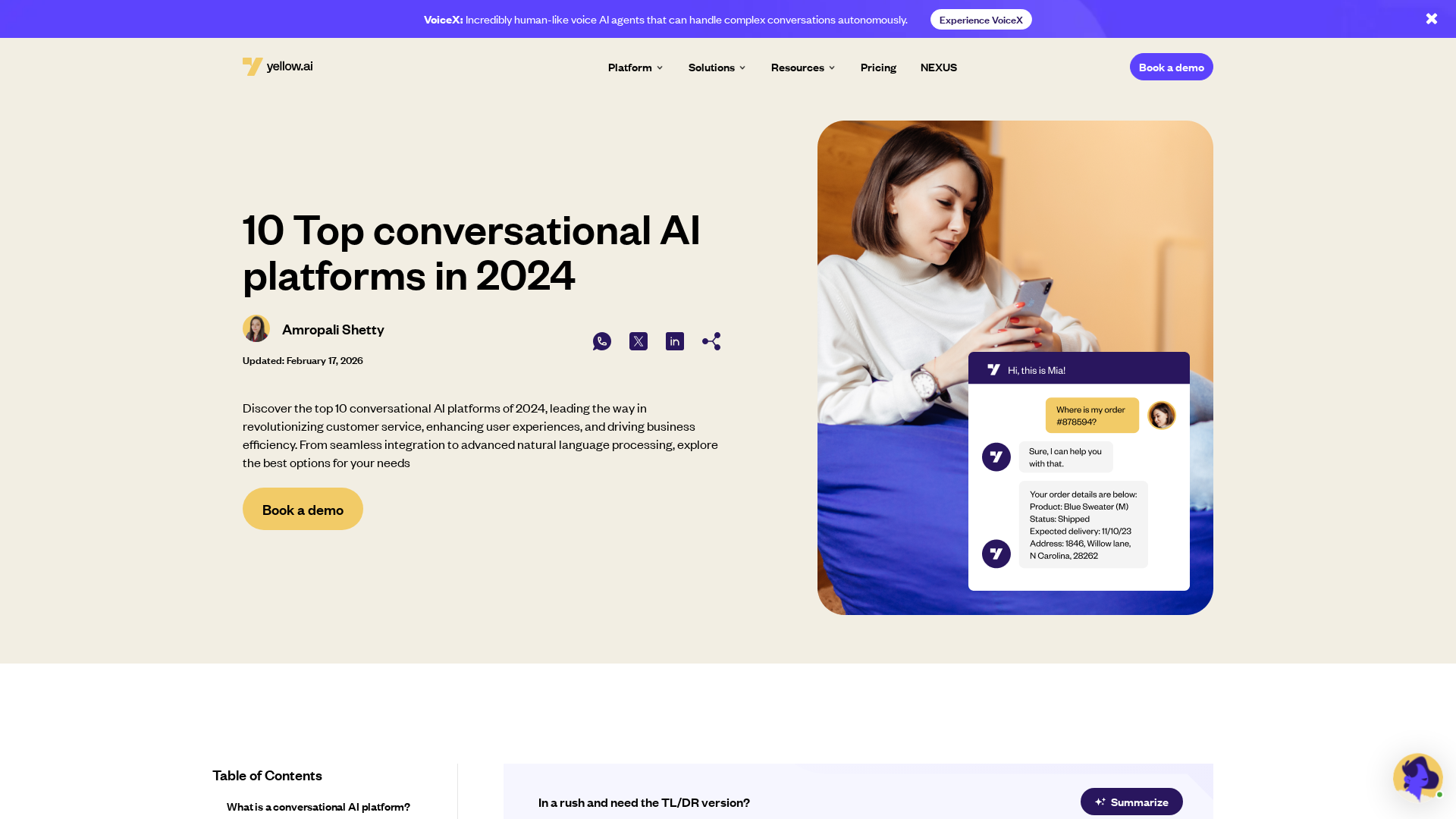
A concise guide to the top 10 conversational AI platforms in 2024, with features, benefits, and use cases.
A personal Threads update about Vlogmas energy and a moment of clarity from @lilt.cs.