Topic Overview
This topic examines enterprise deployment of large language models (LLMs) and assistant platforms—covering multimodal models, agent frameworks, and production tooling—so organizations can evaluate Google Gemini, OpenAI GPT, Anthropic Claude and complementary platforms. It situates these model families within four practical categories: AI Automation Platforms, Agent Frameworks, Enterprise Search Platforms, and AI Data Platforms. Google Gemini, OpenAI GPT, and Anthropic’s Claude provide the core conversational and generative capabilities (including multimodal inputs in many variants) used to build assistants. Vertex AI and similar cloud platforms manage model lifecycle, fine-tuning, evaluation, deployment, and observability for production workloads. Engineering and orchestration layers such as LangChain and Kore.ai bridge models to applications: LangChain supplies open-source primitives and state management for agentic applications, while Kore.ai targets enterprise-scale multi-agent workflows with governance and monitoring. Agentic automation vendors like Adept focus on models that observe and act inside software interfaces to automate multistep business processes. Providers such as Mistral AI emphasize open, efficient models and enterprise production tooling for privacy and governance-sensitive deployments. As enterprises move beyond prototyping, priorities include integration with enterprise search and data platforms, data residency and governance, model observability, cost and latency trade-offs, and the ability to orchestrate multi-model, multi-agent systems. Choosing between hosted model APIs, managed cloud platforms, and open/model-hosting alternatives requires mapping use cases (chat, retrieval-augmented search, task automation, RPA-like agents) to operational requirements. This topic synthesizes those considerations to help technical and procurement teams compare capabilities, architecture patterns, and integration paths for production-grade LLM assistants.
Tool Rankings – Top 6

Google’s multimodal family of generative AI models and APIs for developers and enterprises.
Anthropic's Claude family: conversational and developer AI assistants for research, writing, code, and analysis.

Unified, fully-managed Google Cloud platform for building, training, deploying, and monitoring ML and GenAI models.

Enterprise AI agent platform for building, deploying and orchestrating multi-agent workflows with governance, observabil

Engineering platform and open-source frameworks to build, test, and deploy reliable AI agents.
Agentic AI (ACT-1) that observes and acts inside software interfaces to automate multistep workflows for enterprises.
Latest Articles (86)
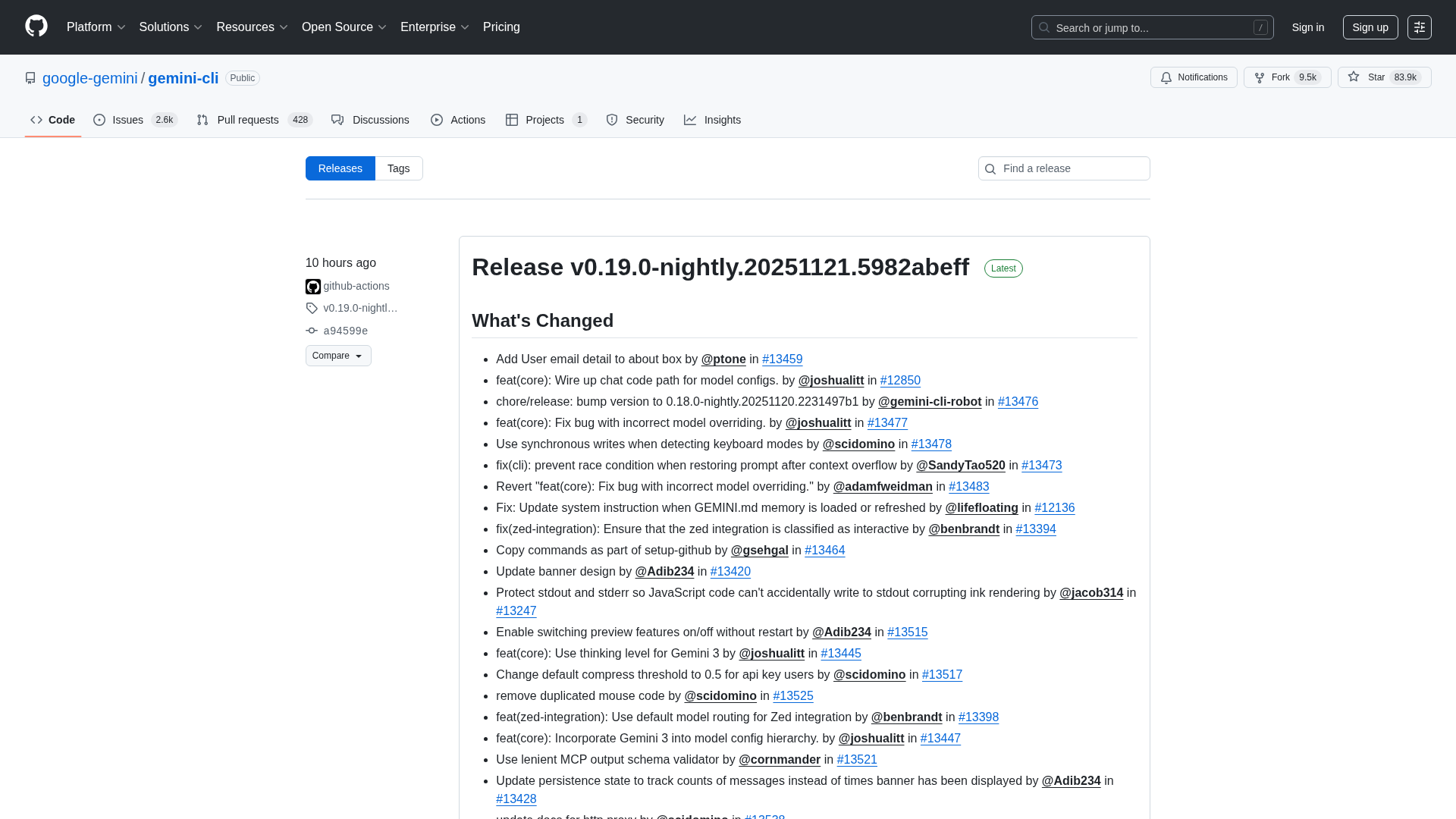
Overview of the Gemini CLI v0.36.0-preview release series, highlighting architectural, CLI, and UI changelogs across multiple pre-release versions.
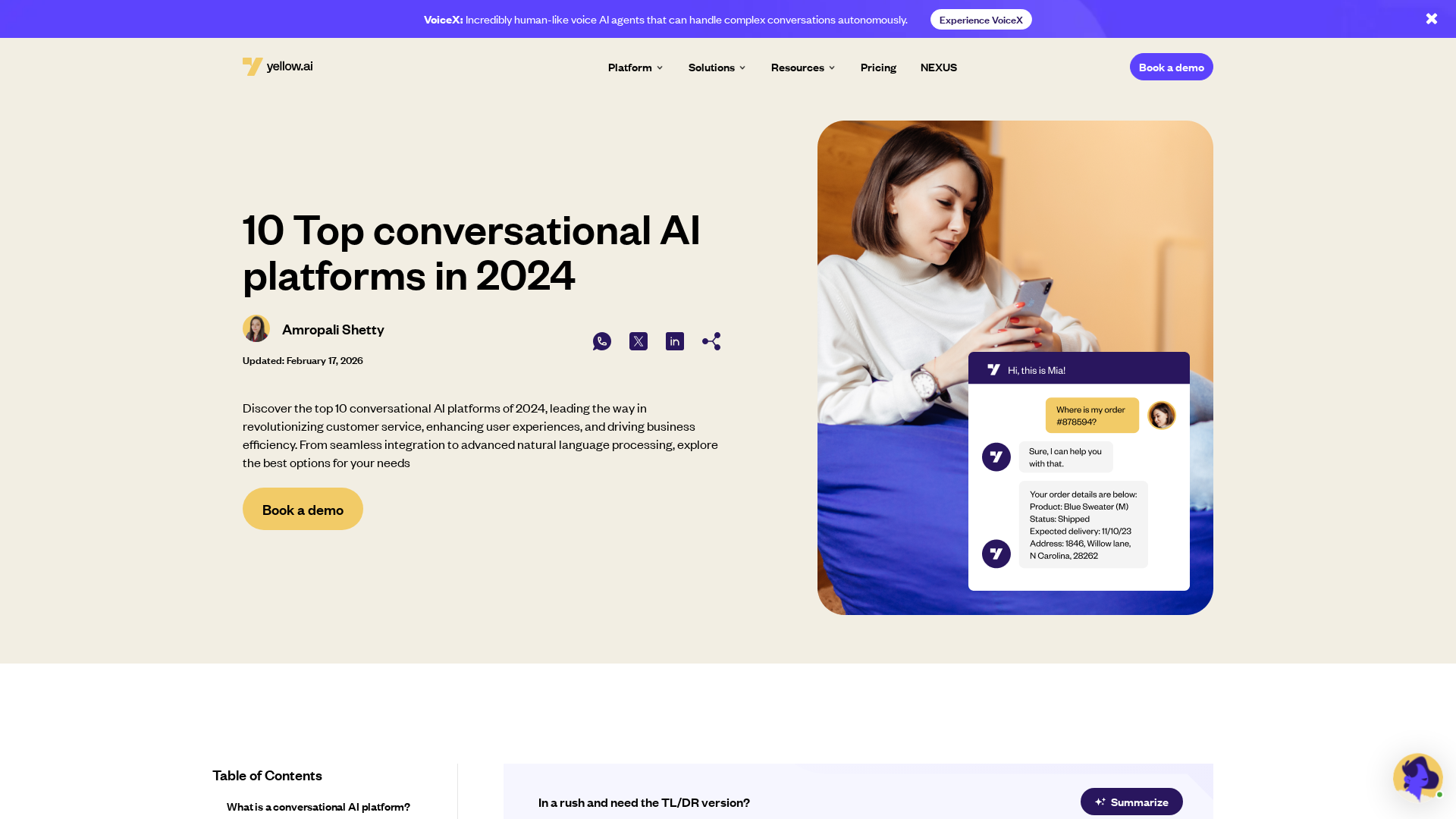
A concise guide to the top 10 conversational AI platforms in 2024, with features, benefits, and use cases.
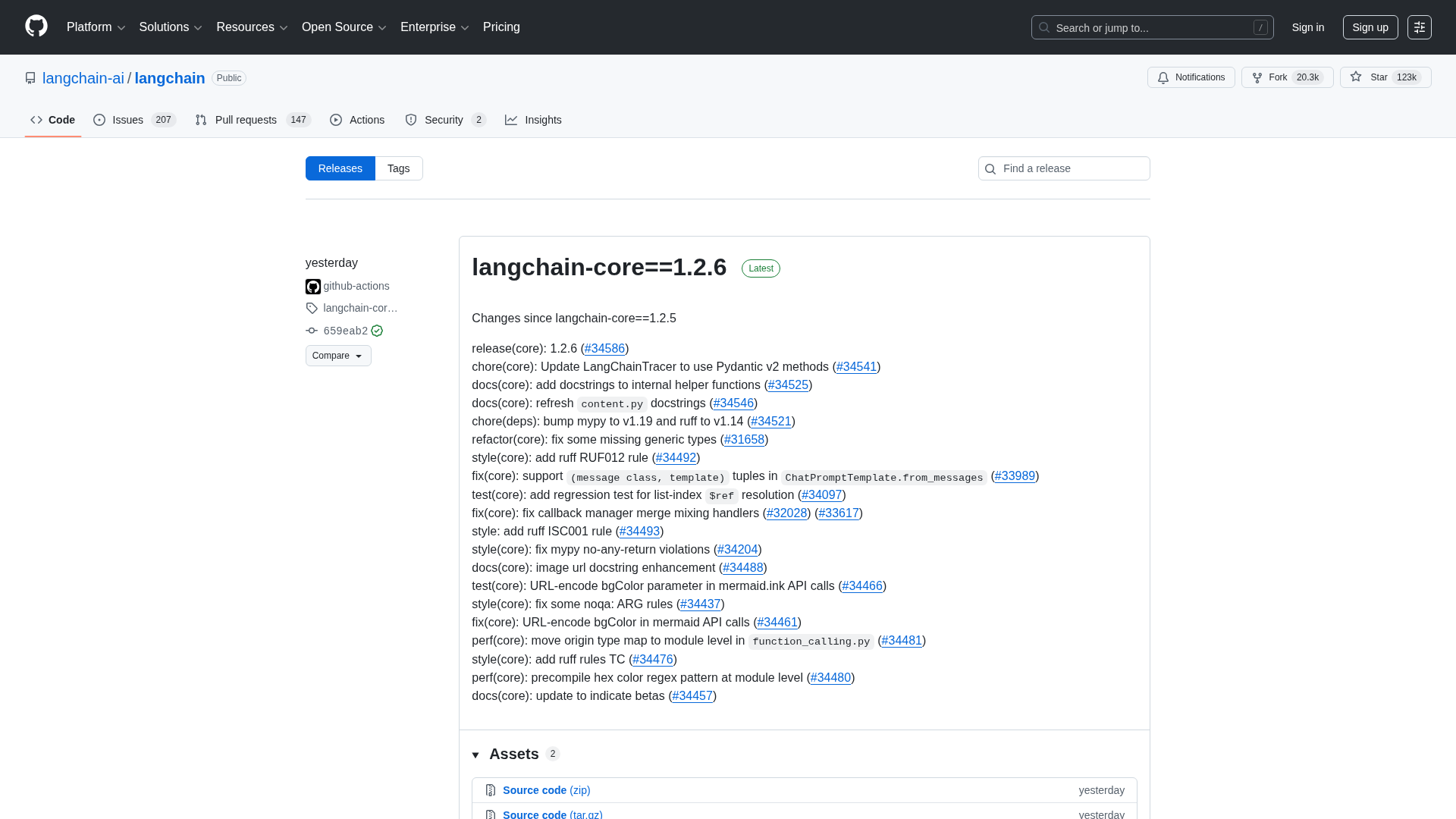
A comprehensive LangChain releases roundup detailing Core 1.2.6 and interconnected updates across XAI, OpenAI, Classic, and tests.
In-depth look at Gemini 3 Pro benchmarks across reasoning, math, multimodal, and agentic capabilities with implications for building AI agents.

Cannot access the article content due to an access-denied error, preventing summarization.