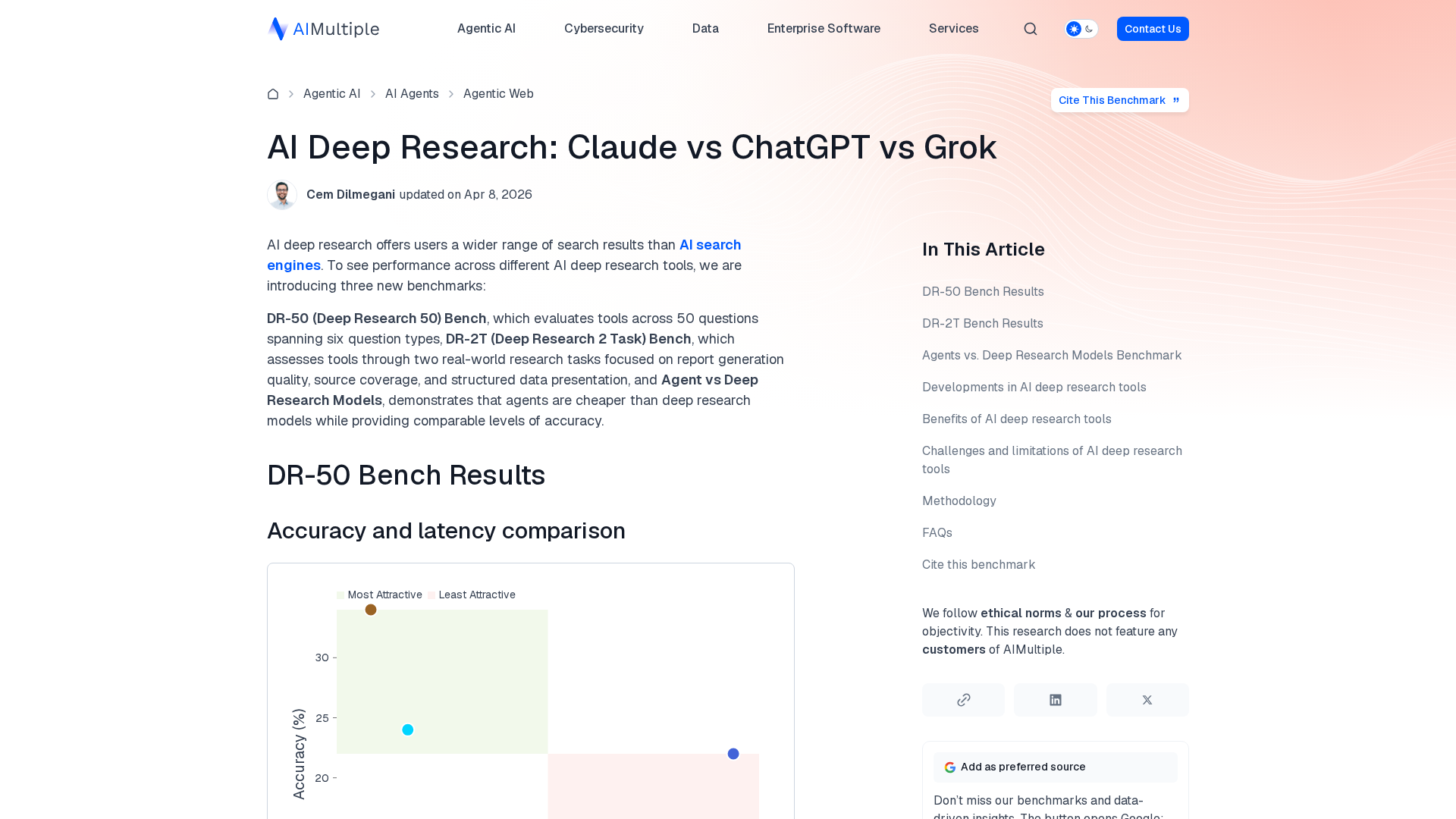
Topic Overview
This topic compares how leading conversational and agent-capable LLMs implement safety, control and governance controls that enterprises need today. Based on the provided tool summaries and industry trends through mid‑2026, it covers model-side alignment (system prompts, instruction tuning, RLHF/RLAIF), runtime guardrails (content filters, tool and API sandboxing), observability and auditability for agentic behavior, and automated test suites for compliance and robustness. Key vendors and platforms in scope include Anthropic’s Claude family (conversational and developer assistants with alignment-focused design), OpenAI’s ChatGPT, and Grok (agent-capable assistants), alongside platform and infrastructure offerings such as Google Gemini and Microsoft 365 Copilot. Developer and deployment tooling — LangChain for building and observing agents, Xilos for enterprise agentic infrastructure and visibility, and Tabnine for governed code assistance — show how governance moves from model to application. Mistral AI represents open/efficient model providers emphasizing privacy and enterprise control, while specialist services like OtterlyAI highlight downstream monitoring of model-generated content and brand exposure. Relevance and timeliness: regulatory pressure, broader enterprise adoption of agentic workflows, and the rise of open/efficient models have pushed safety from research into product engineering. Organizations now require integrated controls: observability for agent actions, provenance and audit logs for compliance, fine‑grained access and privacy options, and automated test suites for red‑teaming and regression. This comparison frames practical tradeoffs — centralized hosted models versus self-hosting, baked‑in alignment versus developer-managed prompts, and platform-level governance versus application-layer monitoring — to help security, legal and engineering teams evaluate LLM safety and control capabilities for production use.
Tool Rankings – Top 6
Intelligent Agentic AI Infrastructure
Anthropic's Claude family: conversational and developer AI assistants for research, writing, code, and analysis.
AI assistant integrated across Microsoft 365 apps to boost productivity, creativity, and data insights.

Enterprise-focused provider of open/efficient models and an AI production platform emphasizing privacy, governance, and

An open-source framework and platform to build, observe, and deploy reliable AI agents.

Enterprise-focused AI coding assistant emphasizing private/self-hosted deployments, governance, and context-aware code.
Latest Articles (70)
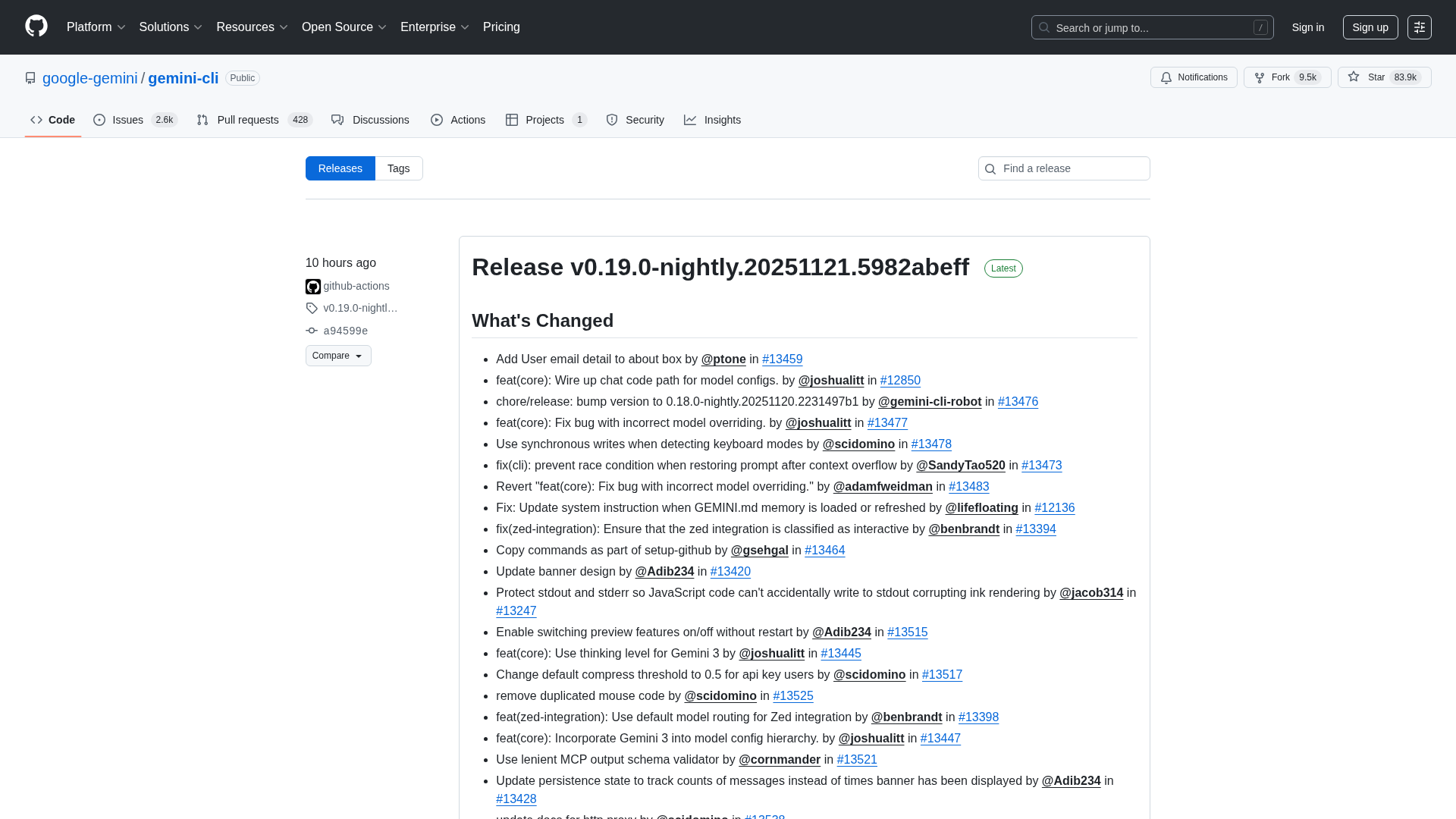
Overview of the Gemini CLI v0.36.0-preview release series, highlighting architectural, CLI, and UI changelogs across multiple pre-release versions.
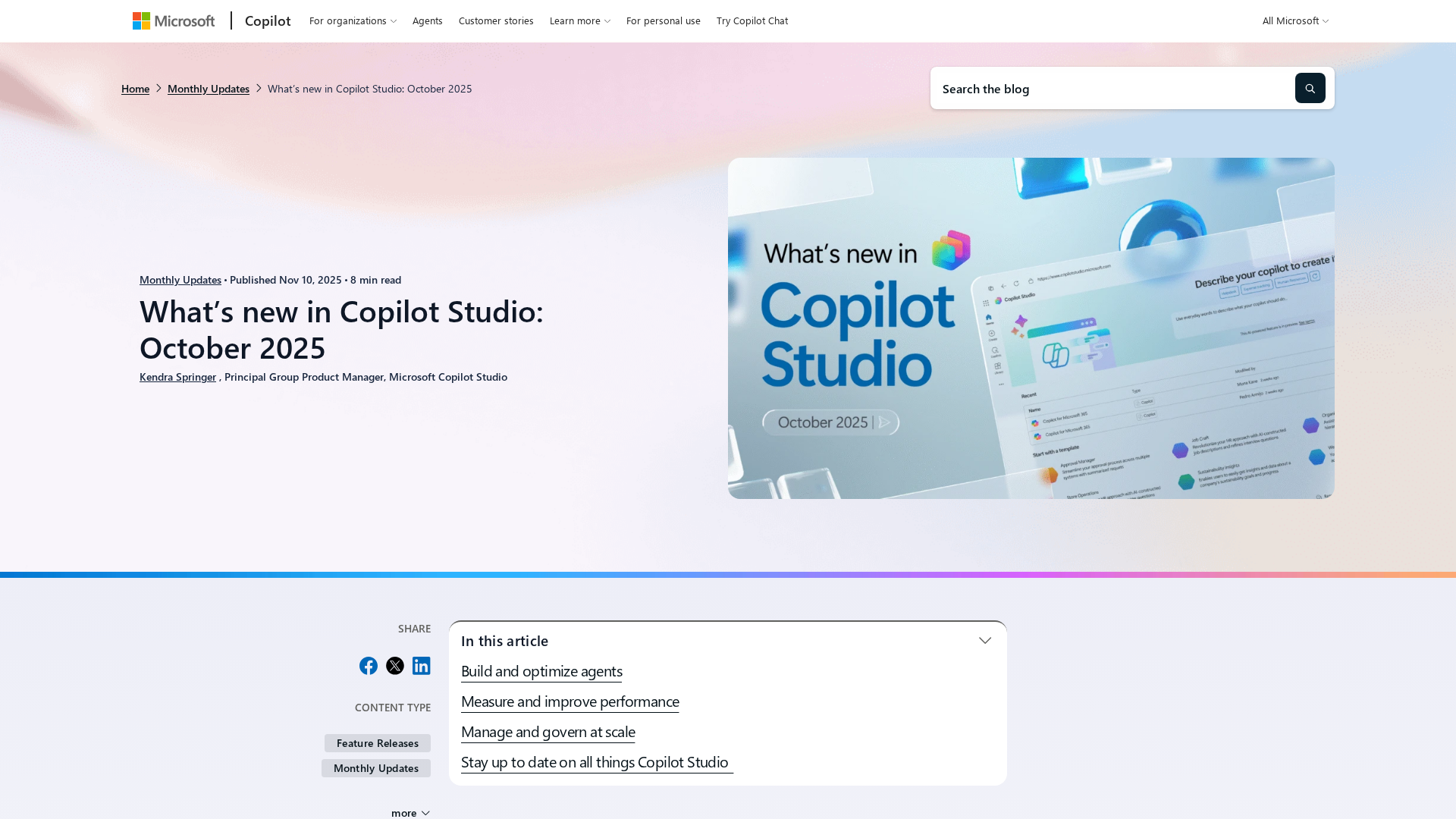
A comprehensive October 2025 roundup of Copilot Studio’s new testing, model, and governance features.
OpenAI’s bypass moment underscores the need for governance that survives inevitable user bypass and hardens system controls.
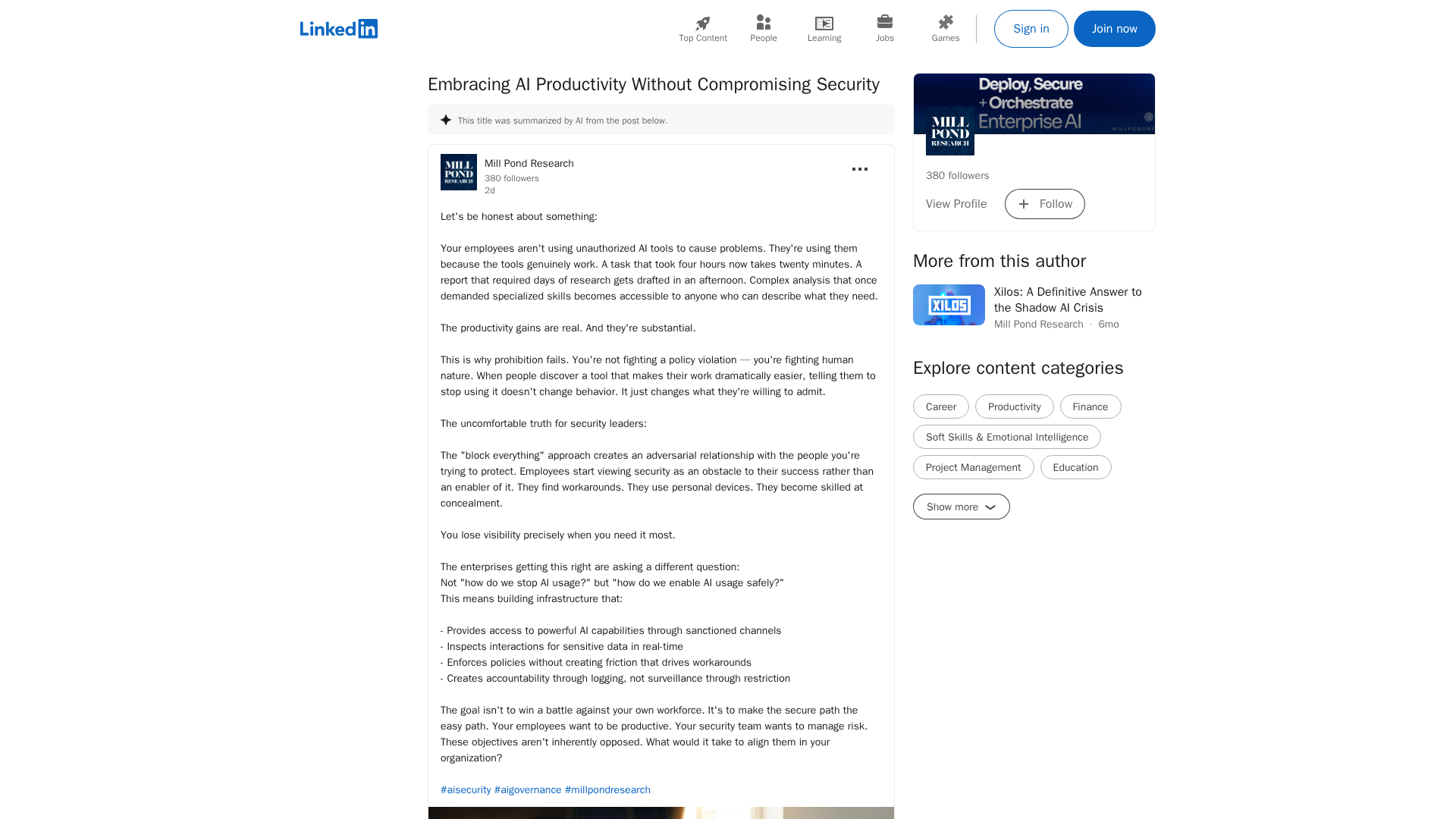
A call to enable safe AI use at work via sanctioned access, real-time data protections, and frictionless governance.
Explores the human role behind AI automation and how Bell Cyber tackles AI hallucinations in security operations.