Topic Overview
Multi-agent systems pair autonomous AI agents with marketplaces, orchestration frameworks and—increasingly—agent-to-agent payment rails to enable coordinated, composable workflows. This topic covers the technology stack and ecosystem that let agents discover, transact with, and delegate work to one another: agent marketplaces and registries for listing capabilities; agent frameworks and engineering tools for building reliable, stateful agents; and decentralized infrastructure for identity, micropayments and settlement (for example, platforms such as Fetch.ai’s ASI:One and peer offerings). Practical building blocks include marketplaces like Agentverse for deploying and listing agents; no-code entry points such as AgentGPT for quick agent prototyping; engineering frameworks like LangChain (and its stateful orchestration components) and LlamaIndex for retrieval-augmented document agents and workflow orchestration; and developer-focused IDE/agent environments such as Windsurf, Warp and JetBrains AI Assistant that embed agentic workflows into developer flows. Open-source, self-hosted options such as Tabby address privacy and local-first deployment needs. The converging trends driving relevance are: increasing demand for agent composability (chaining specialized agents rather than monolithic systems), the need for reliable state and evaluation in production agent apps, and emerging economic models that let agents negotiate and pay for services via micropayments or tokenized incentives. Key challenges remain interoperability, secure identity and payment settlement, governance and measurable safety/evaluation. Understanding how marketplaces, frameworks and decentralized payment rails interoperate is essential for organizations building scalable, auditable multi-agent applications and for evaluating trade-offs between centralized convenience and decentralized assurance.
Tool Rankings – Top 6
Cloud platform and marketplace for building, deploying, listing and monitoring autonomous AI agents.

Engineering platform and open-source frameworks to build, test, and deploy reliable AI agents.

A browser-based platform to create and deploy autonomous AI agents with simple goals.

AI-native IDE and agentic coding platform (Windsurf Editor) with Cascade agents, live previews, and multi-model support.

Agentic Development Environment (ADE) — a modern terminal + IDE with built-in AI agents to accelerate developer flows.
In‑IDE AI copilot for context-aware code generation, explanations, and refactorings.
Latest Articles (54)
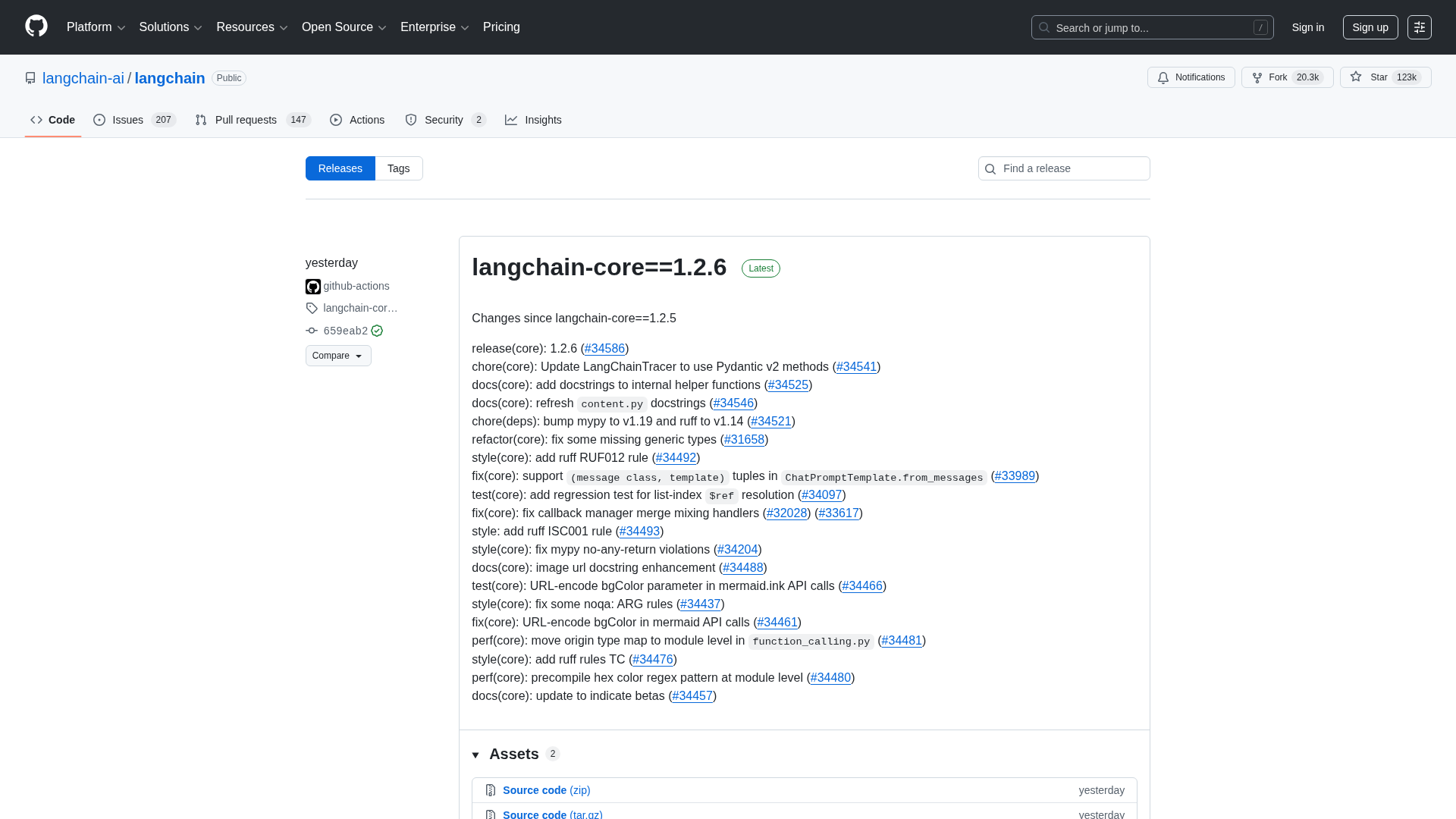
A comprehensive LangChain releases roundup detailing Core 1.2.6 and interconnected updates across XAI, OpenAI, Classic, and tests.
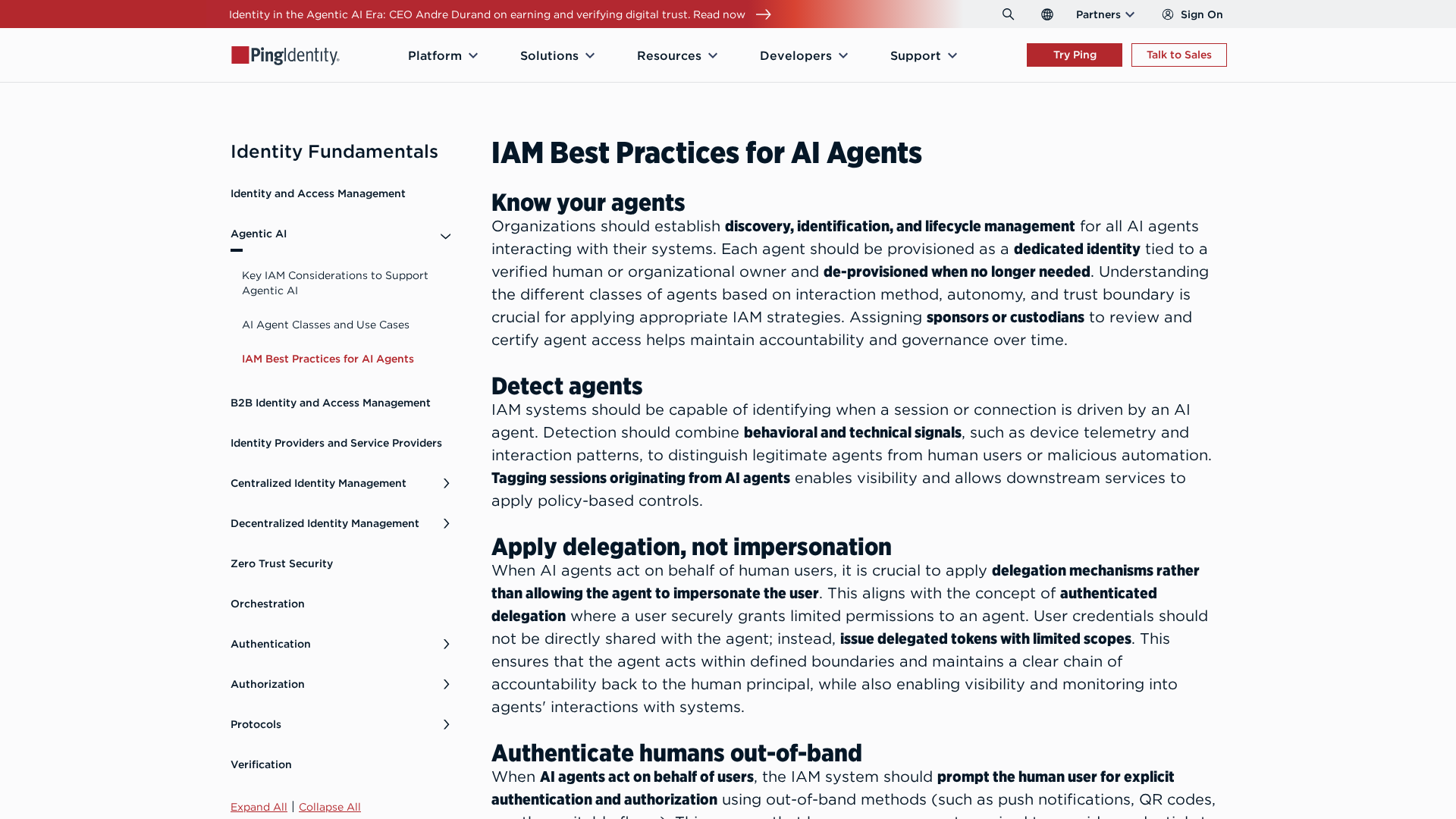
Best-practices for securing AI agents with identity management, delegated access, least privilege, and human oversight.

Cannot access the article content due to an access-denied error, preventing summarization.
A quick preview of POE-POE's pros and cons as seen in G2 reviews.

Meta may partner with Sify to lease a 500 MW Vishakhapatnam data center in a Rs 15,266 crore project linked to the Waterworth subsea cable.