
Topic Overview
This topic examines the practical differences and emerging overlaps between multimodal canvas interfaces (exemplified by Google Gemini Canvas) and standalone AI image generators. Multimodal canvases combine freehand sketching, layered edits, and natural-language instructions to enable iterative, context-aware image editing; by contrast, image generators focus on producing new visuals from text prompts or image seeds at scale. As of 2026, both approaches are increasingly integrated into design and content pipelines rather than existing as isolated demos. Key tools illustrate complementary roles: Stability AI provides enterprise-grade multimodal generation and APIs (DreamStudio) for high-volume and production use; tldraw offers a browser-native infinite canvas for real-time collaboration; Recraft targets designers with raster and native vector generation and mockup export; Jasper Art and Pic-Tool deliver marketer-friendly and privacy-focused text-to-image creation; Pollinations.AI supplies an open-source API; image-upscaling.net and KDP Book Covers are examples of verticalized utilities for upscaling and automated cover generation. Ancillary platforms such as ElevenLabs show how non-visual modalities (audio) enter creative stacks. Investigation notes on Freepik indicate access and licensing remain operational considerations. Current trends include tighter integration of vector outputs and production-ready assets, broader enterprise API adoption, and a split between open-source accessibility and proprietary, workflow-oriented tooling. For practitioners: canvases suit collaborative, iterative composition and targeted edits; generators accelerate concepting and bulk asset creation. Combining both, plus upscalers and vector-capable tools, produces more usable deliverables while raising ongoing concerns about licensing, provenance, and prompt/interaction design.
Tool Rankings – Top 6

Enterprise-focused multimodal generative AI platform offering image, video, 3D, audio, and developer APIs.

A free, browser-based real-time collaborative whiteboard and infinite-canvas SDK.

All-in-one AI design studio for images, vectors, and production-ready mockups.

Jasper Art (AI Image Suite) — text-to-image generation and scalable image editing inside Jasper and via the Image API.

Free, open-source generative AI API for images, text, and audio.
Industry-leading AI audio platform for ultra-realistic text-to-speech, voice cloning, transcription, and voice agents.
Latest Articles (50)
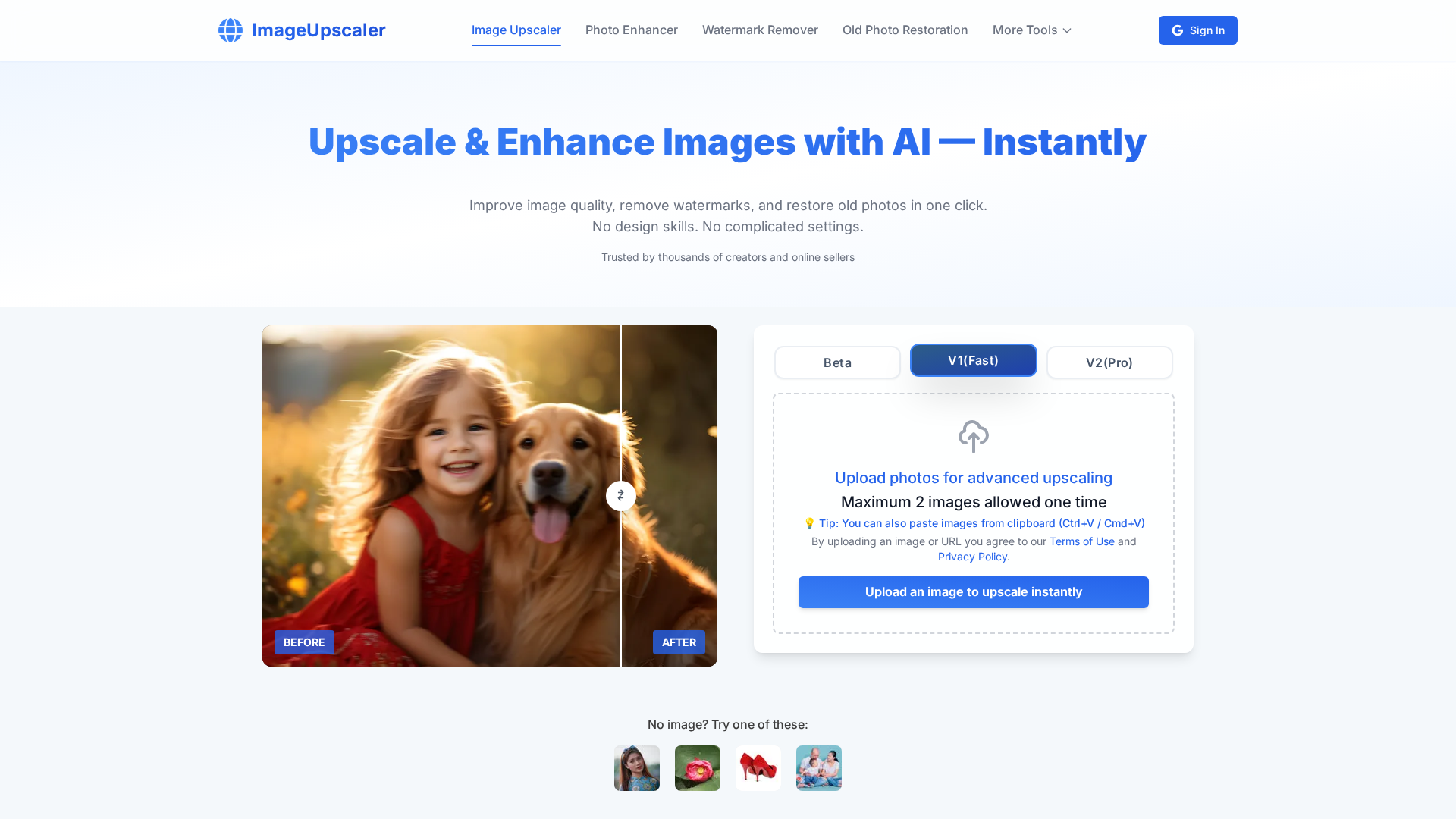
AI-powered image upscaling to 16K—no sign-up, instant results, and batch processing.
Learn how Canva’s AI Image Upscaler sharpens and enlarges images with a simple, preview-enabled workflow.
Status notice urging users to enable JavaScript or disable privacy extensions to fix x.com access.
Notice: JavaScript is off; enable it or switch to a supported browser to access x.com, and disable privacy extensions if needed.
In-depth look at Gemini 3 Pro benchmarks across reasoning, math, multimodal, and agentic capabilities with implications for building AI agents.