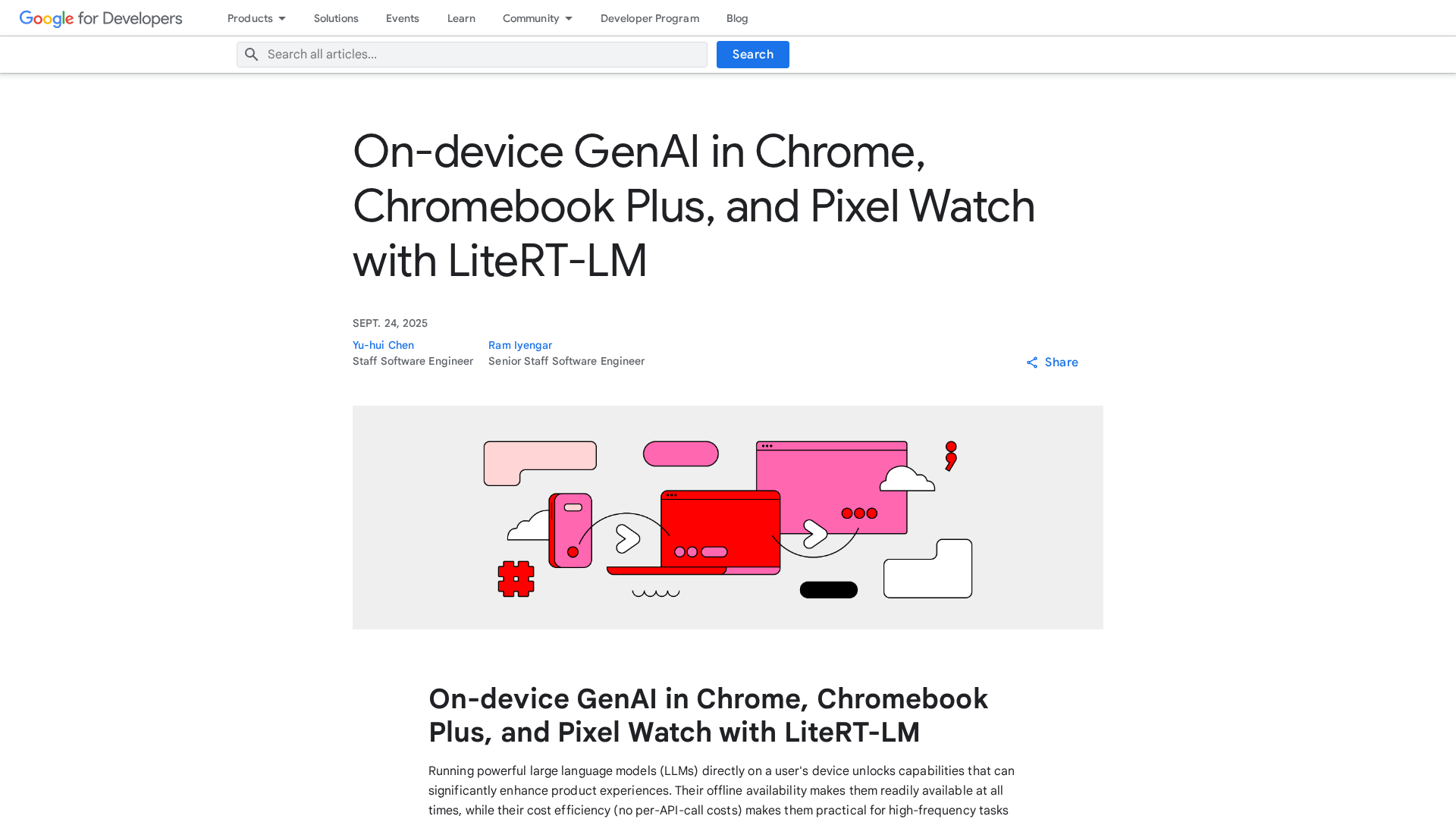
Topic Overview
This topic covers on‑device Low‑Rank Adaptation (LoRA) and lightweight model frameworks that make billion‑parameter models practical on phones, edge devices, and local developer environments. It focuses on parameter‑efficient fine‑tuning (adapter stacks, LoRA), aggressive quantization and sparsity, and compact inference runtimes that together reduce memory, storage, and compute so large foundation models can be personalized, updated, and executed without cloud round‑trips. Relevance: demand for privacy, low latency, offline operation, and cost control has driven adoption of on‑device approaches. Agent frameworks and Edge AI Vision Platforms increasingly pair adapter‑based personalization with compact models so applications (multimodal agents, vision pipelines, and coding copilots) can run responsively while keeping data local. Tooling advances that simplify adapter management, verification, and deployment are central to this shift. Key tools and roles: MindStudio provides no‑code/low‑code pipelines to design, test, deploy, and operate agents—useful for packaging LoRA adapters and edge models into enterprise workflows. Windsurf (formerly Codeium) and agentic IDEs support multi‑model stacks and live previews that benefit from lightweight local models for faster iterations. Open developer tools like Aider and JetBrains AI Assistant illustrate how in‑IDE copilots can leverage local adapters or small quantized models for context‑aware code edits. Models and research releases such as Code Llama, Salesforce CodeT5, and CodeGeeX exemplify code‑specialized families that can be distilled or adapted with LoRA for efficient on‑device use. Takeaway: on‑device LoRA plus optimized runtimes bridge large‑model capabilities and practical edge deployment. The ecosystem challenge is standardized tooling for adapter lifecycle, rigorous validation under quantization, and integration across agent frameworks and edge AI platforms.
Tool Rankings – Top 6

No-code/low-code visual platform to design, test, deploy, and operate AI agents rapidly, with enterprise controls and a

AI-native IDE and agentic coding platform (Windsurf Editor) with Cascade agents, live previews, and multi-model support.
Open-source AI pair-programming tool that runs in your terminal and browser, pairing your codebase with LLM copilots to:
In‑IDE AI copilot for context-aware code generation, explanations, and refactorings.
AI-based coding assistant for code generation and completion (open-source model and VS Code extension).
Code-specialized Llama family from Meta optimized for code generation, completion, and code-aware natural-language tasks
Latest Articles (31)
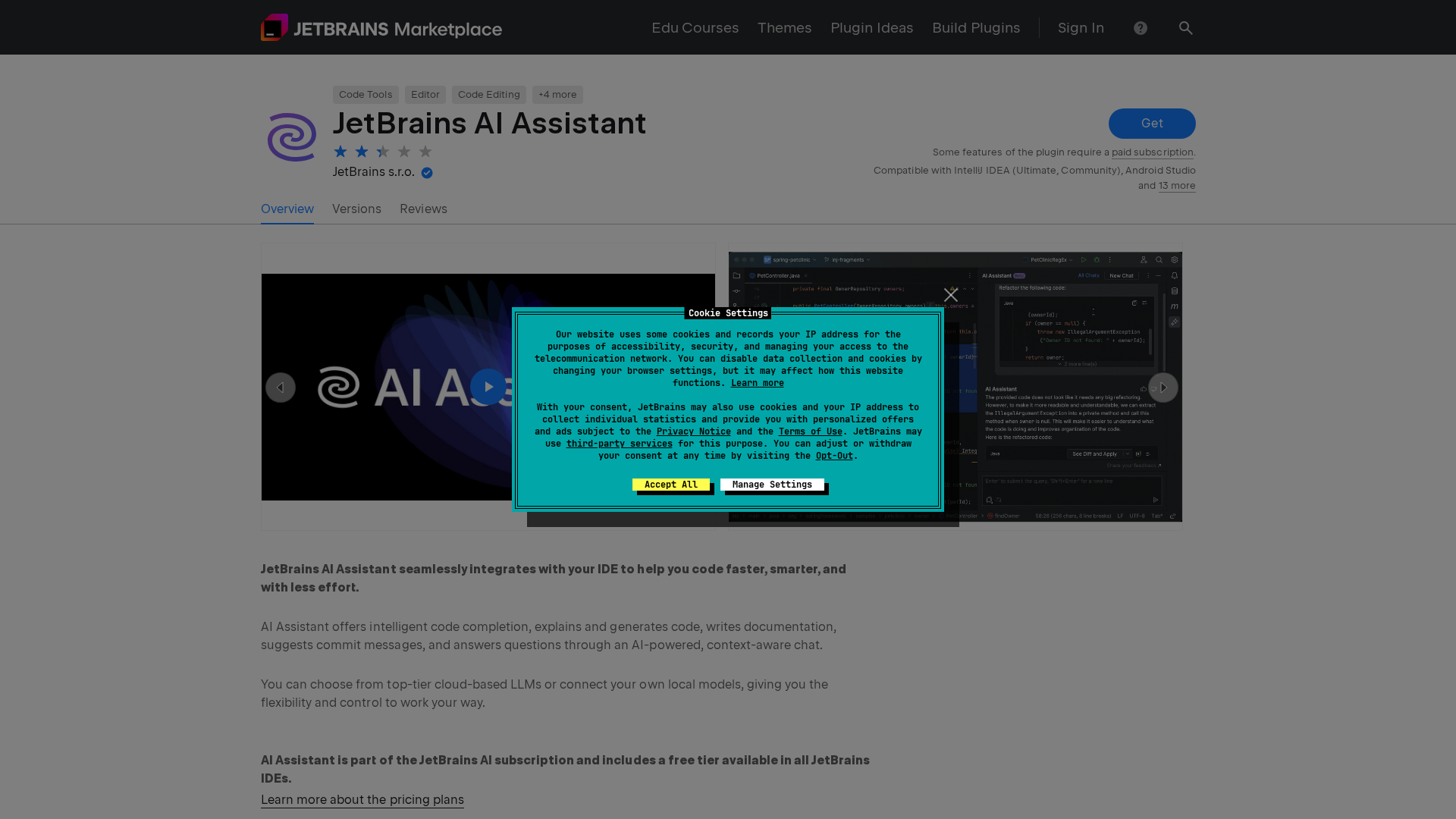
AI-powered coding assistant integrated into IntelliJ IDEs to generate code, explain concepts, and streamline development.
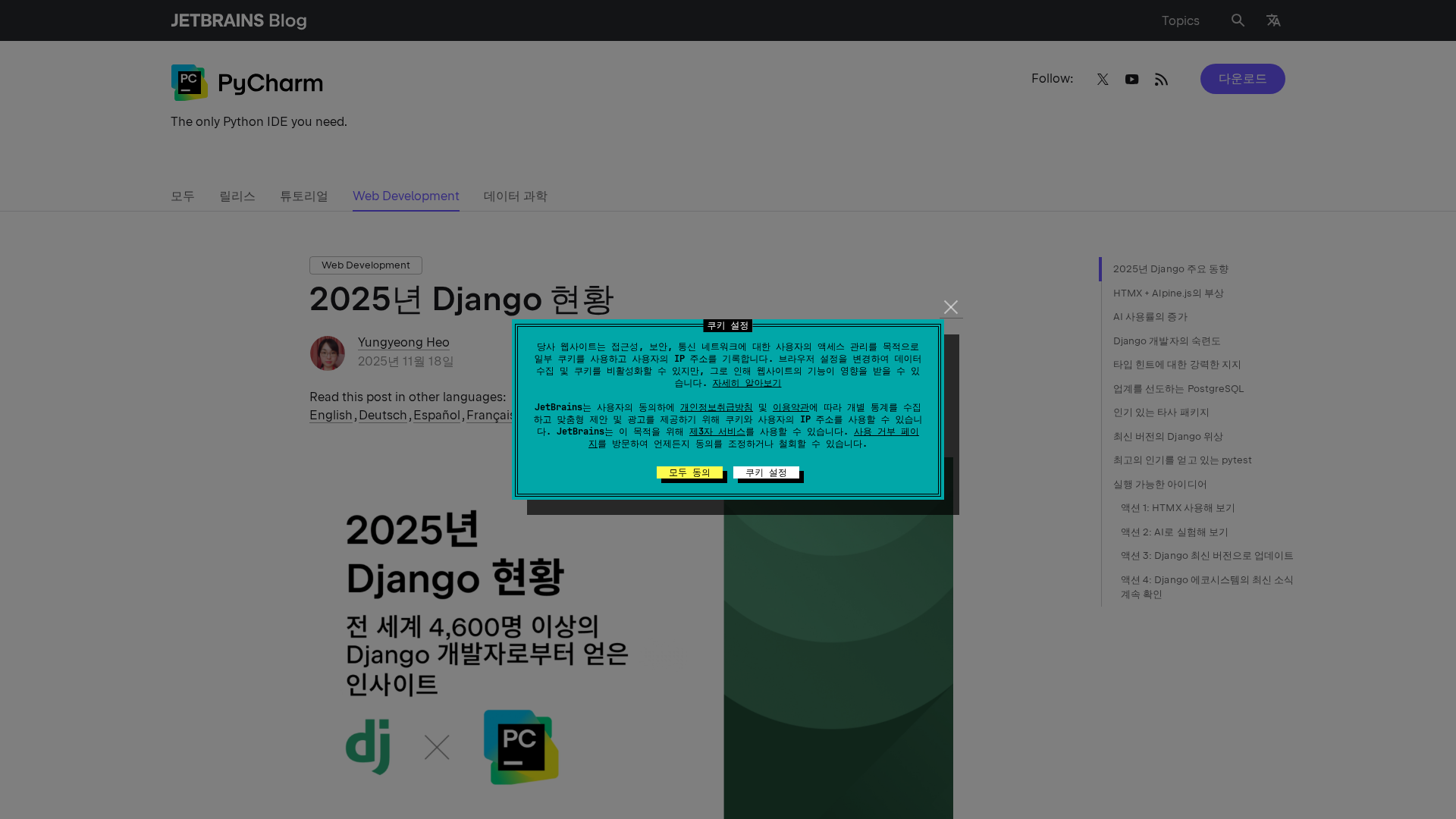
Django의 2025년 트렌드와 설문조사 결과를 분석해 HTMX/Alpine.js의 부상과 AI 도구의 확산 등 주요 인사이트를 제시합니다.

Diagnose and fix a GitHub Pages 404 by checking file existence, path accuracy, and index.html requirements.
Pair program with LLMs directly in your terminal or IDE, with auto-commits, linting, and voice-driven changes.
A roundup of 10 free, open-source and locally runnable AI tools that serve as Copilot alternatives for VS Code in 2025.