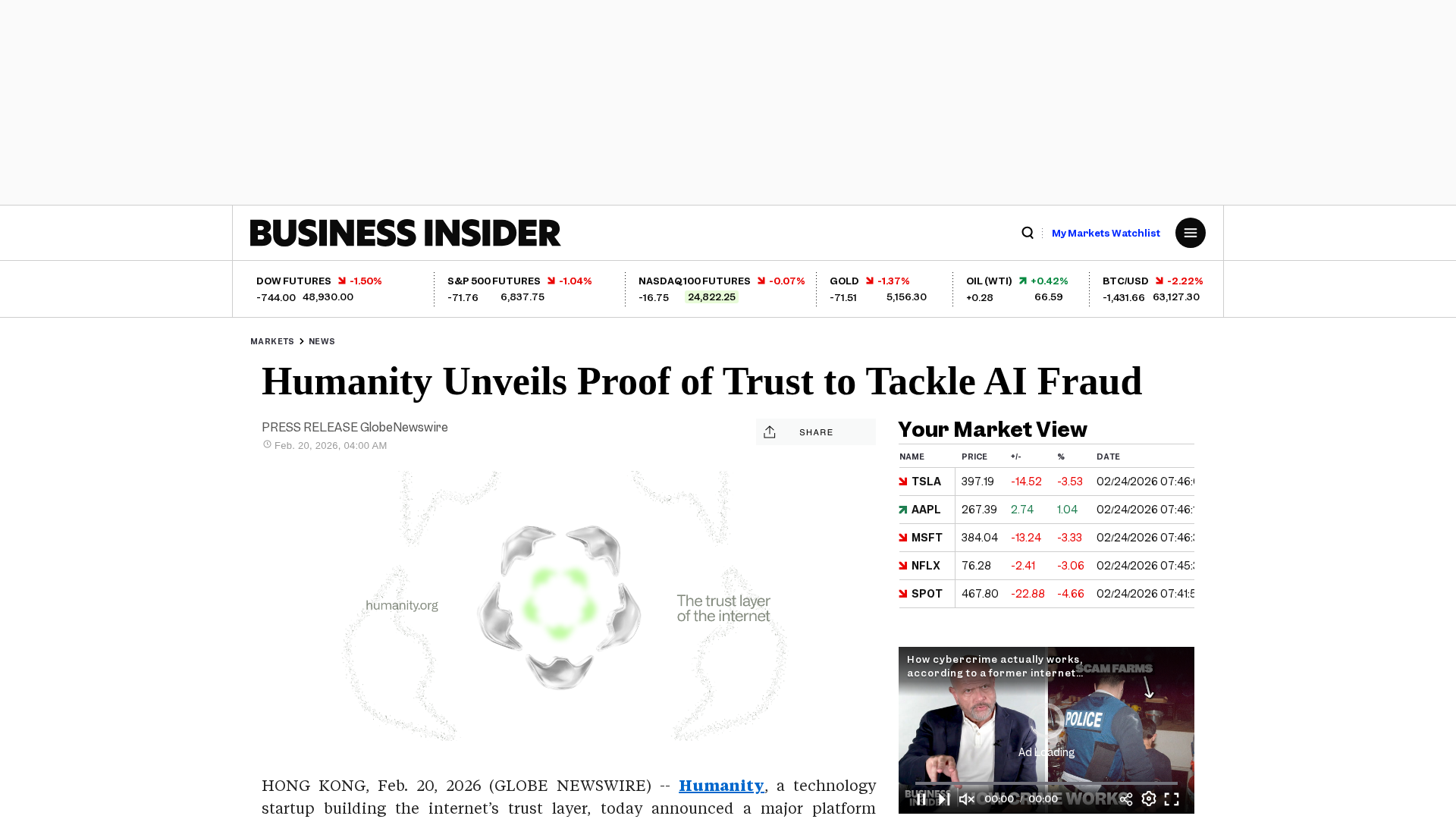
Topic Overview
Proof‑of‑Trust and digital verification frameworks address how organizations establish, attest and audit the identity, provenance and behavior of AI components and agents. This topic covers techniques and platforms that combine policy, observability, model provenance, vendor governance and documentation to create verifiable chains of trust for models, multi‑agent workflows and third‑party services. It’s timely in early 2026 because enterprises face rising regulatory scrutiny, larger multi‑agent deployments, and greater emphasis on model supply‑chain transparency and automated compliance. Key tool categories include AI governance platforms (policy centralization, monitoring, validation), agent orchestration and observability systems, model and production platforms that surface provenance and privacy controls, and knowledge/workflow systems that record evidence and audit trails. Examples: Monitaur focuses on insurance and regulated industries by centralizing policies, monitoring and vendor governance for compliance; Kore.ai and StackAI provide no‑code/low‑code platforms to build, deploy and govern multi‑agent workflows with observability and controls that support attestation and runtime verification; Mistral AI offers enterprise models and a production stack that emphasize model provenance, efficiency and privacy controls; Notion serves as a workspace for documenting verification artifacts, runbooks and audit records. A practical Proof‑of‑Trust strategy combines: standardized identity/attestation for agents and models, continuous observability and validation, vendor and model provenance tracking, and curated evidence capture for audits. Choosing and integrating these tools depends on industry risk profile, regulatory requirements and the complexity of agent architectures. The goal is not hype but repeatable, auditable verification processes that map technical controls to compliance obligations.
Tool Rankings – Top 5

Insurance-focused enterprise AI governance platform centralizing policy, monitoring, validation, vendor governance and证e

Enterprise AI agent platform for building, deploying and orchestrating multi-agent workflows with governance, observabil

End-to-end no-code/low-code enterprise platform for building, deploying, and governing AI agents that automate work onun

Enterprise-focused provider of open/efficient models and an AI production platform emphasizing privacy, governance, and
A single, block-based AI-enabled workspace that combines docs, knowledge, databases, automation, and integrations to sup
Latest Articles (34)
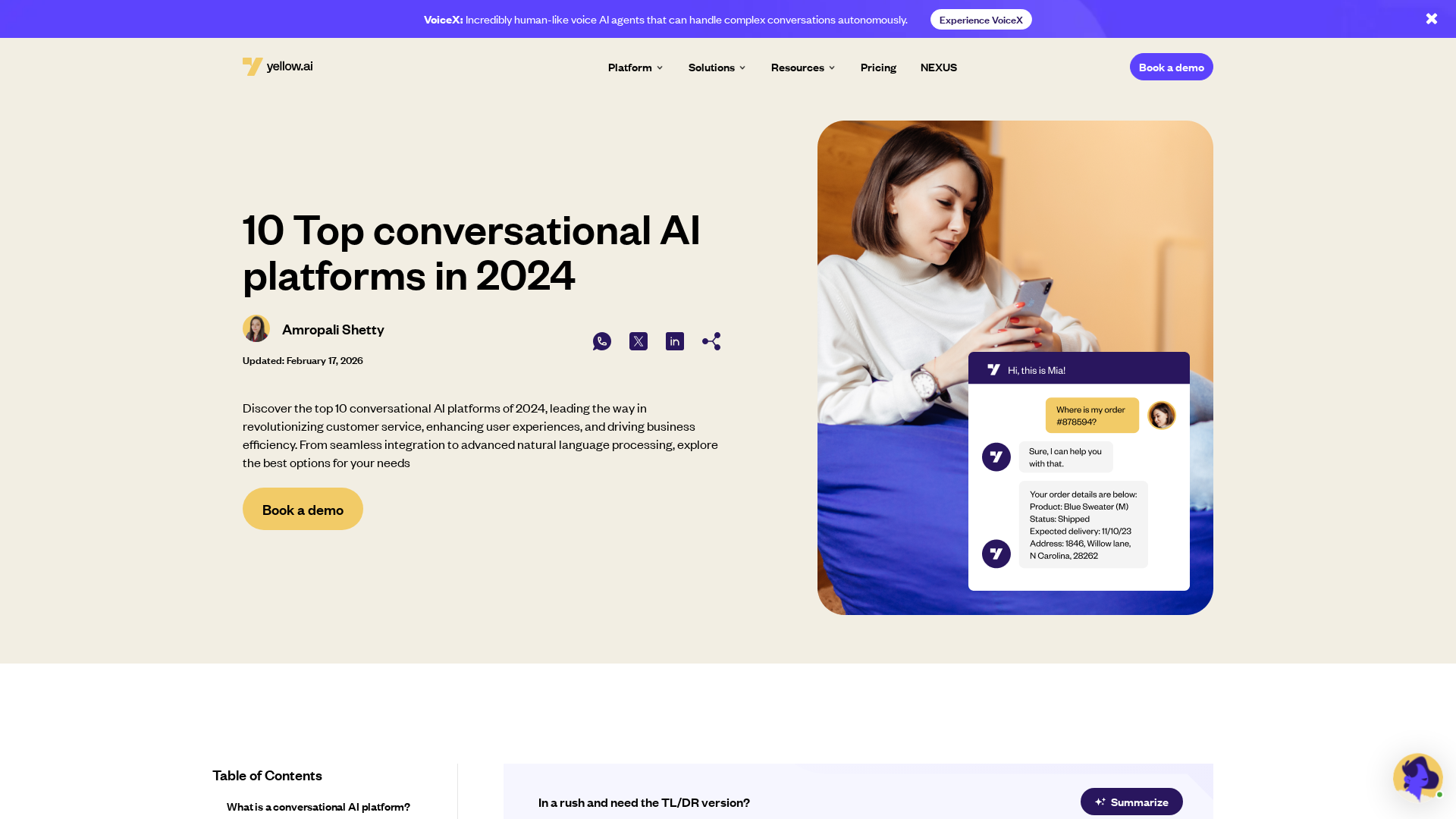
A concise guide to the top 10 conversational AI platforms in 2024, with features, benefits, and use cases.
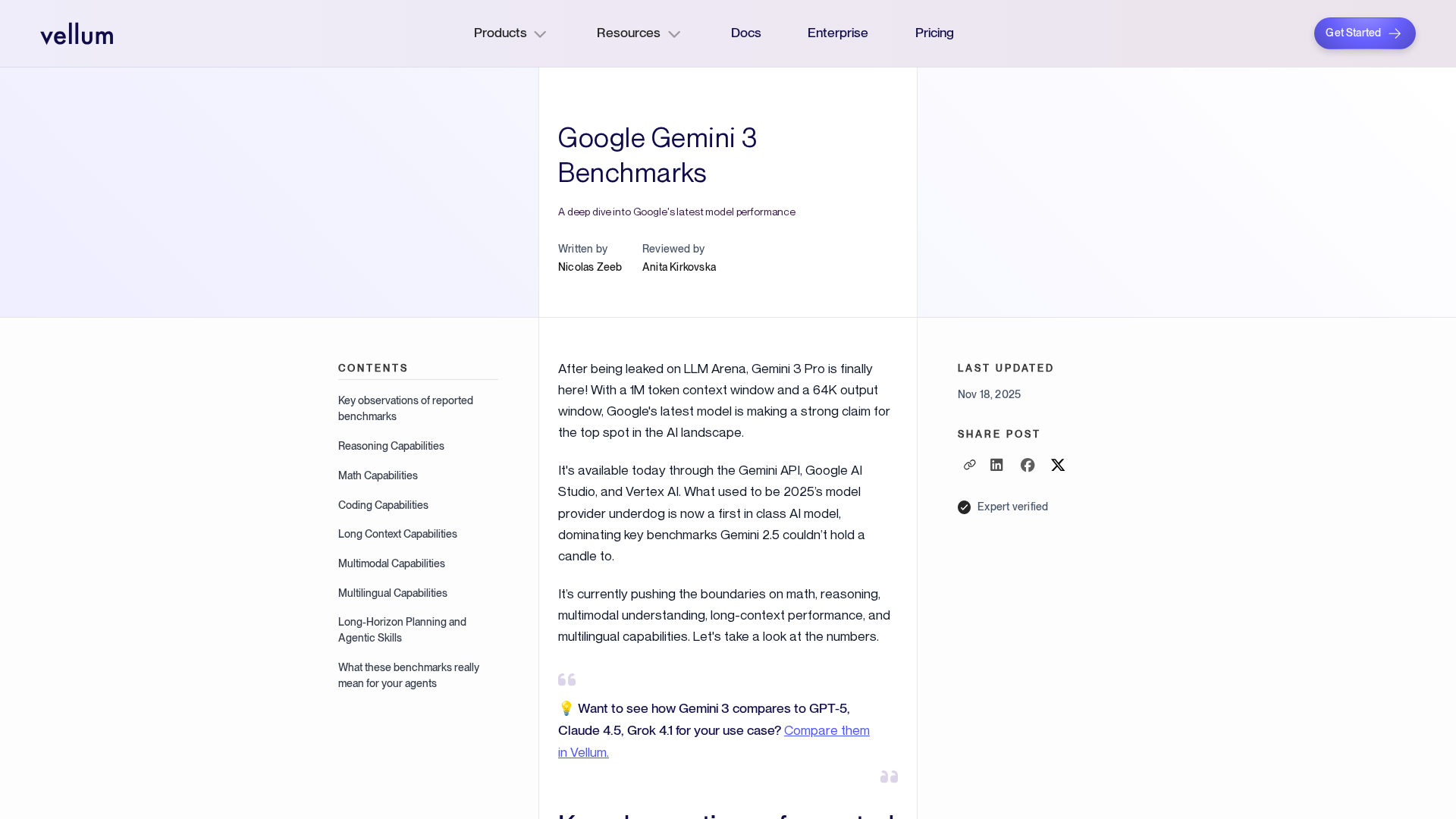
In-depth look at Gemini 3 Pro benchmarks across reasoning, math, multimodal, and agentic capabilities with implications for building AI agents.
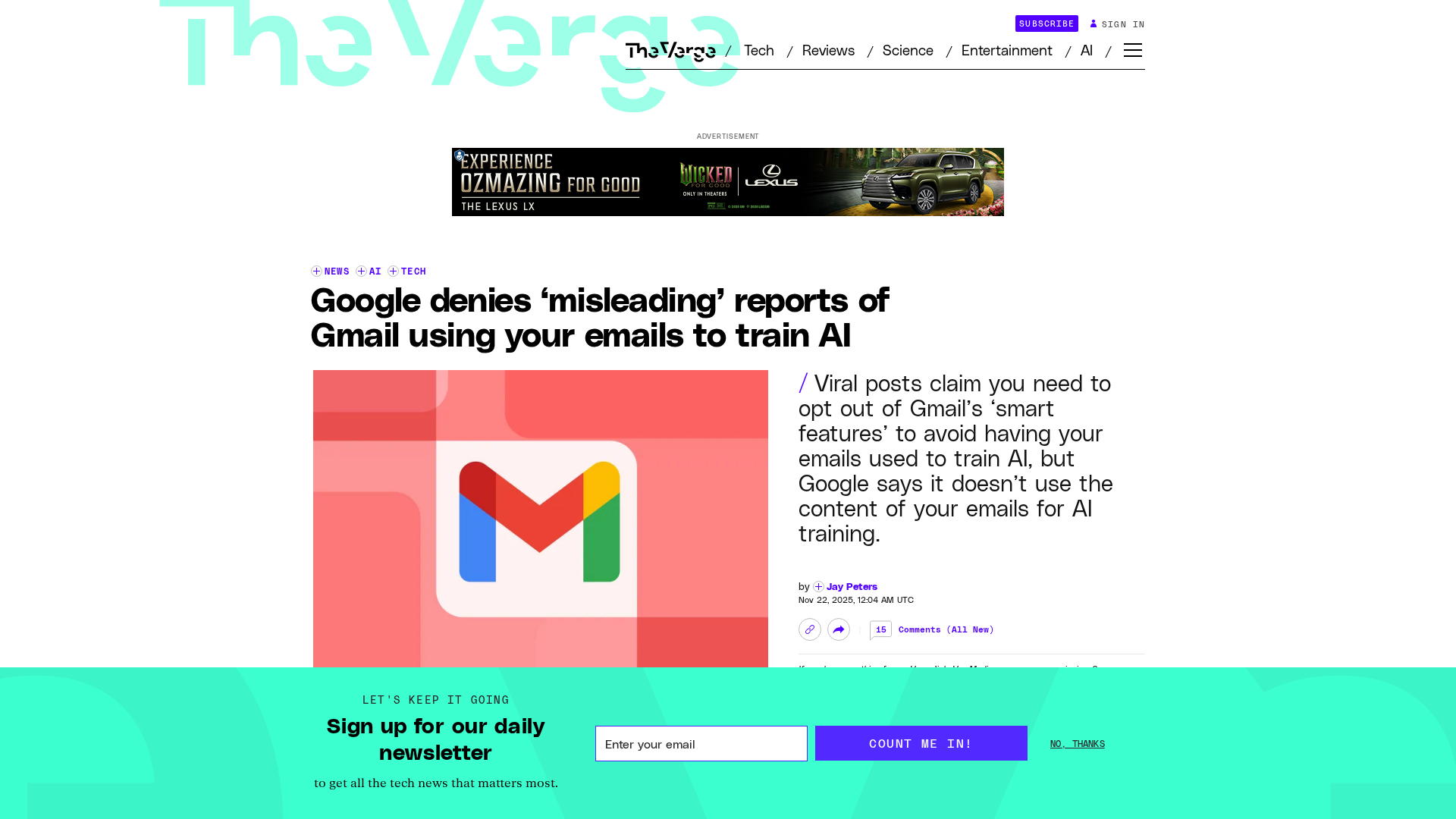
Google says Gmail data isn’t used to train AI and explains opt-out and smart-feature controls.
OpenAI unveils an experimental ChatGPT Group Chat for up to 20 users, rolling out to all logged-in users.
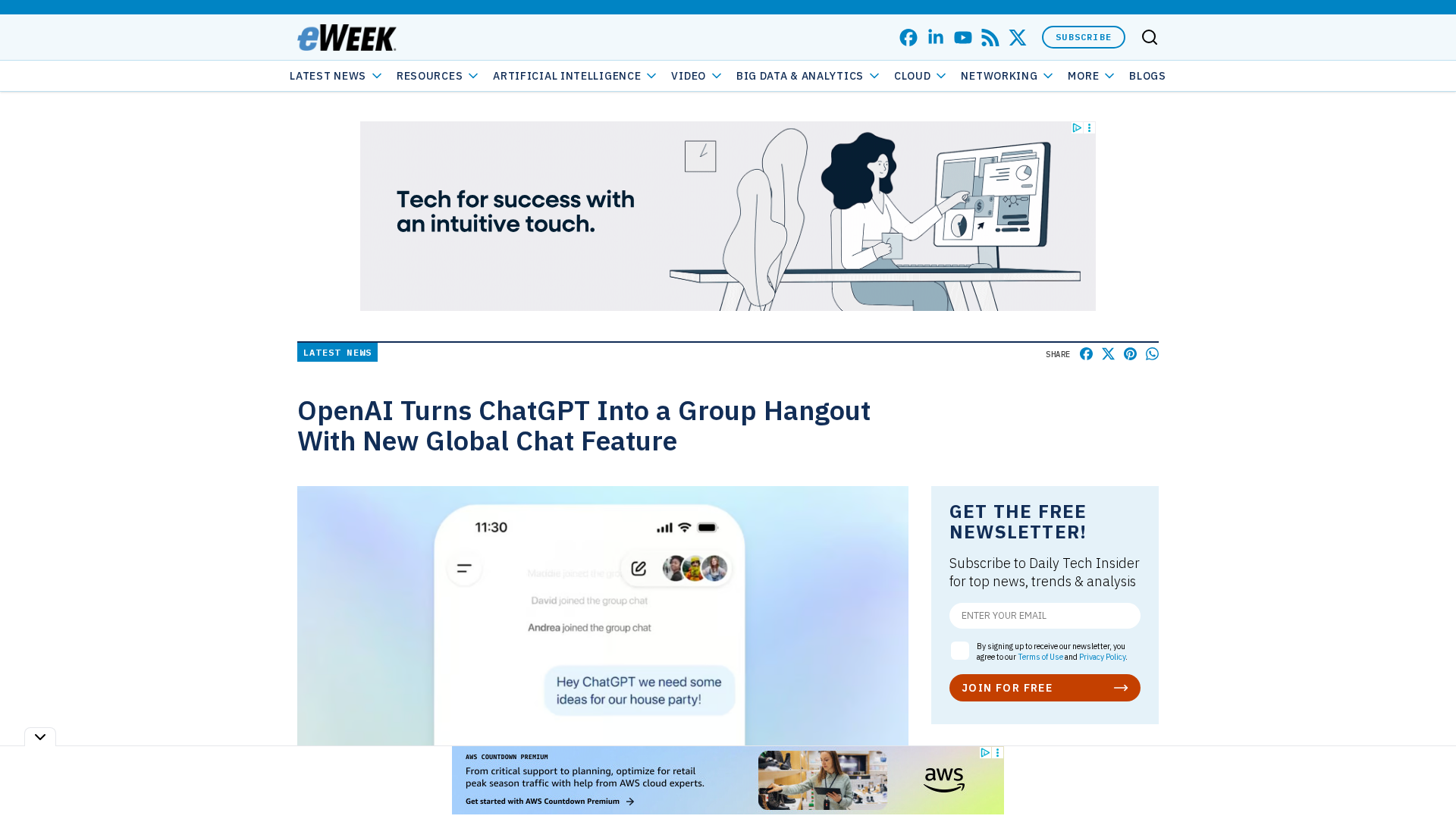
OpenAI expands ChatGPT with global group chats for up to 20 users, prioritizing privacy and collaboration.