Topic Overview
Publisher & search‑enhancement AI covers the tools and techniques publishers, marketers, and enterprise content teams use to make content discoverable, relevant, and measurable in modern search and workspace environments. In 2026 this space is shaped by multimodal generative models, integrated copilots, and specialized search engines that combine traditional index results with AI summaries and structured answers. Key categories include Enterprise Search Platforms (internal knowledge and document search powered by systems like IBM watsonx Assistant and document processors such as docsynecx), Marketing Strategy Tools (SEO and content-discovery interfaces that surface audience intent and optimize snippets), and Content Analytics Tools (metrics, A/B testing, and content-performance analysis integrated into authoring workflows). Representative tools show current patterns: hybrid search/chat services like GPTGO blend Google results with ChatGPT-style answers; Google’s Gemini provides multimodal model APIs and studio tooling for developers to build custom search and personalization layers; Anthropic’s Claude and Microsoft 365 Copilot bring conversational intelligence into research, drafting, and operational workflows; Researchspace focuses on research-paper–sourced answers for specialist discovery; and docsynecx and watsonx address structured extraction and enterprise automation needs. Notion and other workspace platforms integrate knowledge bases, AI summarization, and database linking to keep content discovery consistent across teams. Practically, publishers must optimize for AI-generated SERP features, structured data and knowledge graphs, personalized Search Profiles, and measurable downstream engagement. Contemporary priorities are API access, model provenance, privacy-aware personalization, and analytics that tie search-driven discovery to conversions. This topic helps buyers compare tools by function—search augmentation, content automation, analytics, and document processing—so they can match capabilities to editorial and enterprise priorities without assuming one-size-fits-all solutions.
Tool Rankings – Top 6

A free AI-enabled search tool that combines Google search results with ChatGPT-style answers.

Google’s multimodal family of generative AI models and APIs for developers and enterprises.
AI assistant integrated across Microsoft 365 apps to boost productivity, creativity, and data insights.
A single, block-based AI-enabled workspace that combines docs, knowledge, databases, automation, and integrations to sup
Anthropic's Claude family: conversational and developer AI assistants for research, writing, code, and analysis.
AI search engine with answers sourced from research papers
Latest Articles (75)
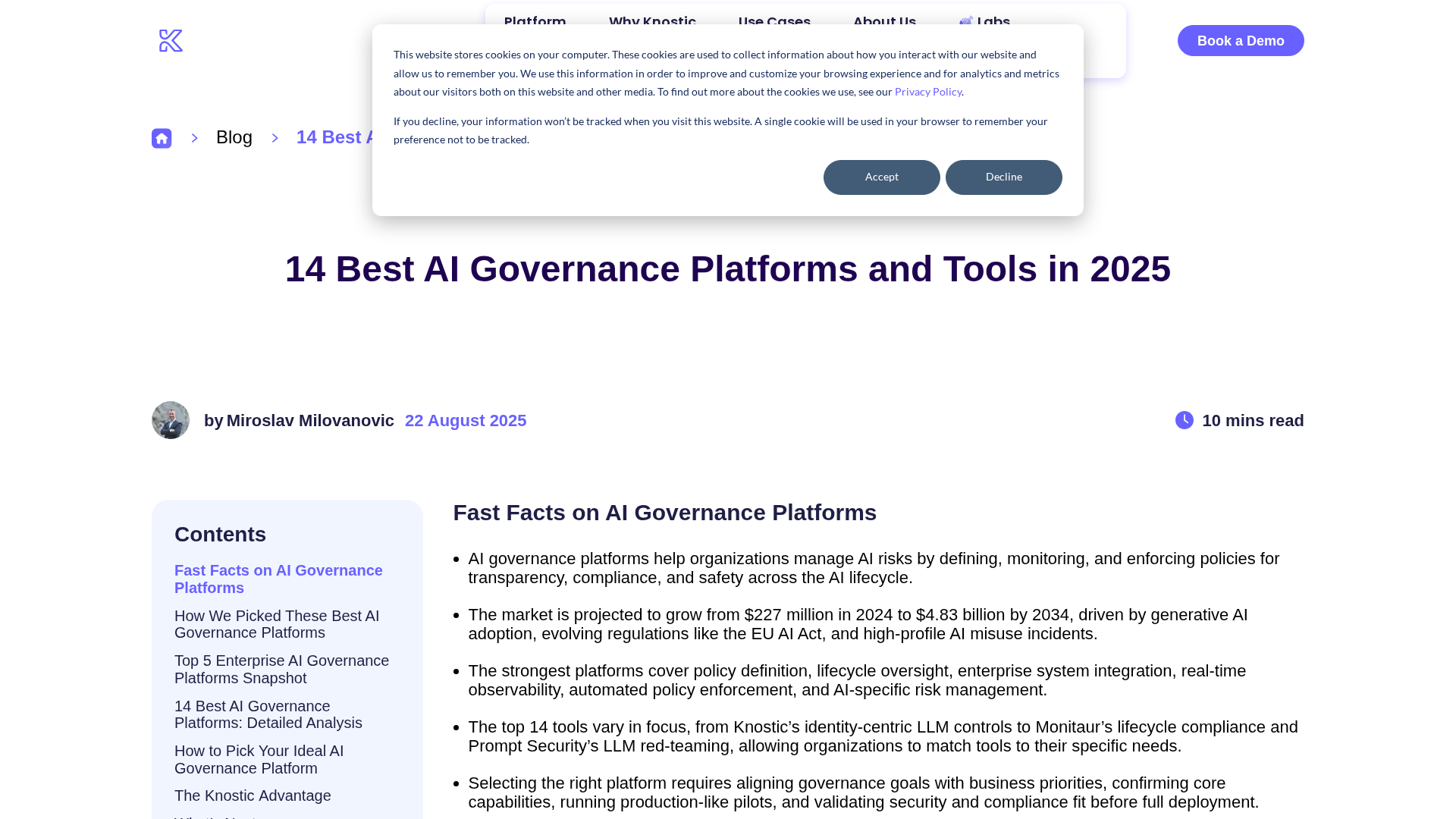
A vendor‑agnostic guide to the 14 best AI governance platforms in 2025, with criteria, comparisons, and practical buying guidance.
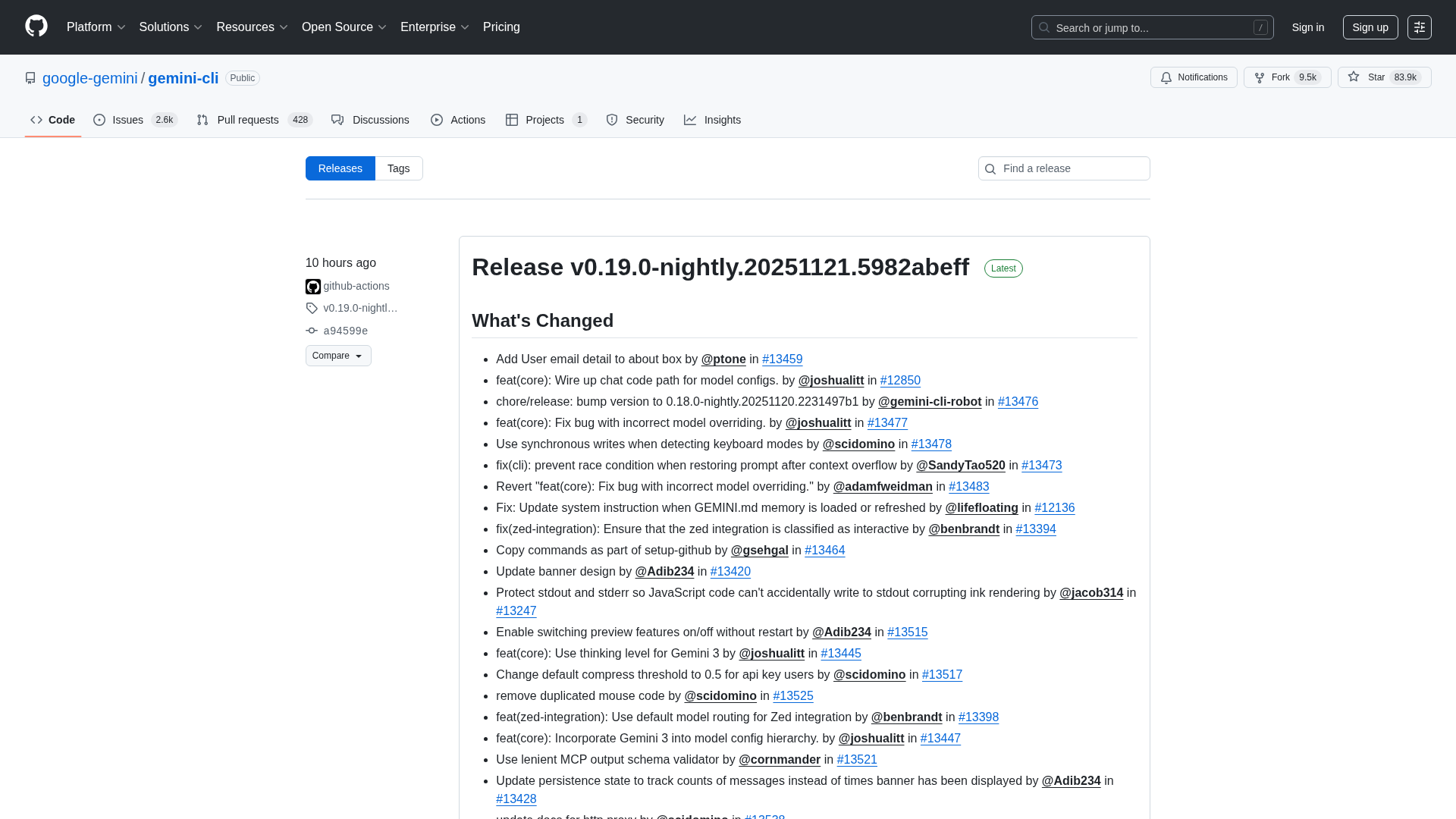
Overview of the Gemini CLI v0.36.0-preview release series, highlighting architectural, CLI, and UI changelogs across multiple pre-release versions.
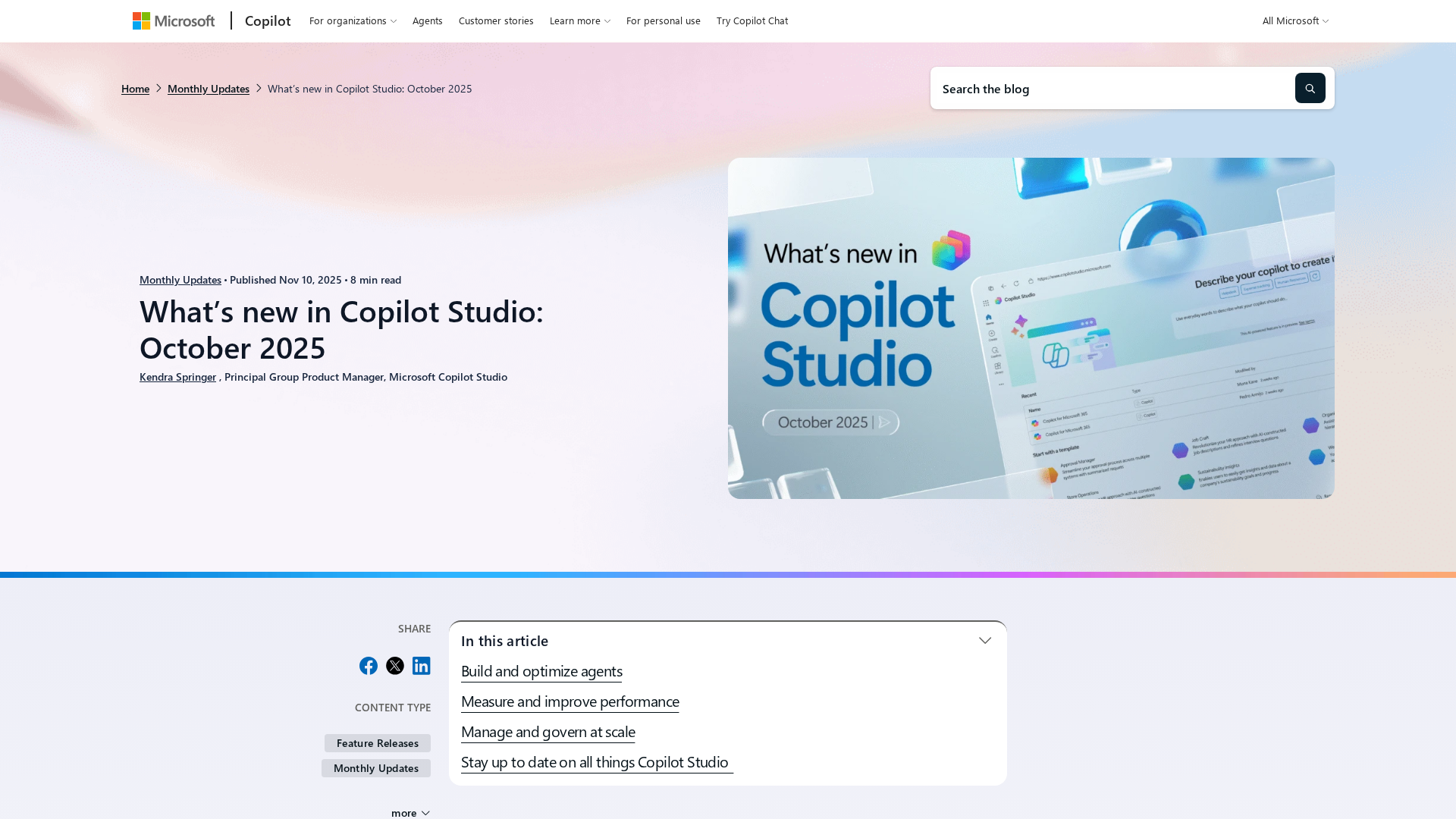
A comprehensive October 2025 roundup of Copilot Studio’s new testing, model, and governance features.
AI-powered platform that automates document and invoice workflows for faster, error-free operations.
多语言实时文档解析与数据提取平台,覆盖金融、医疗、政府等行业。