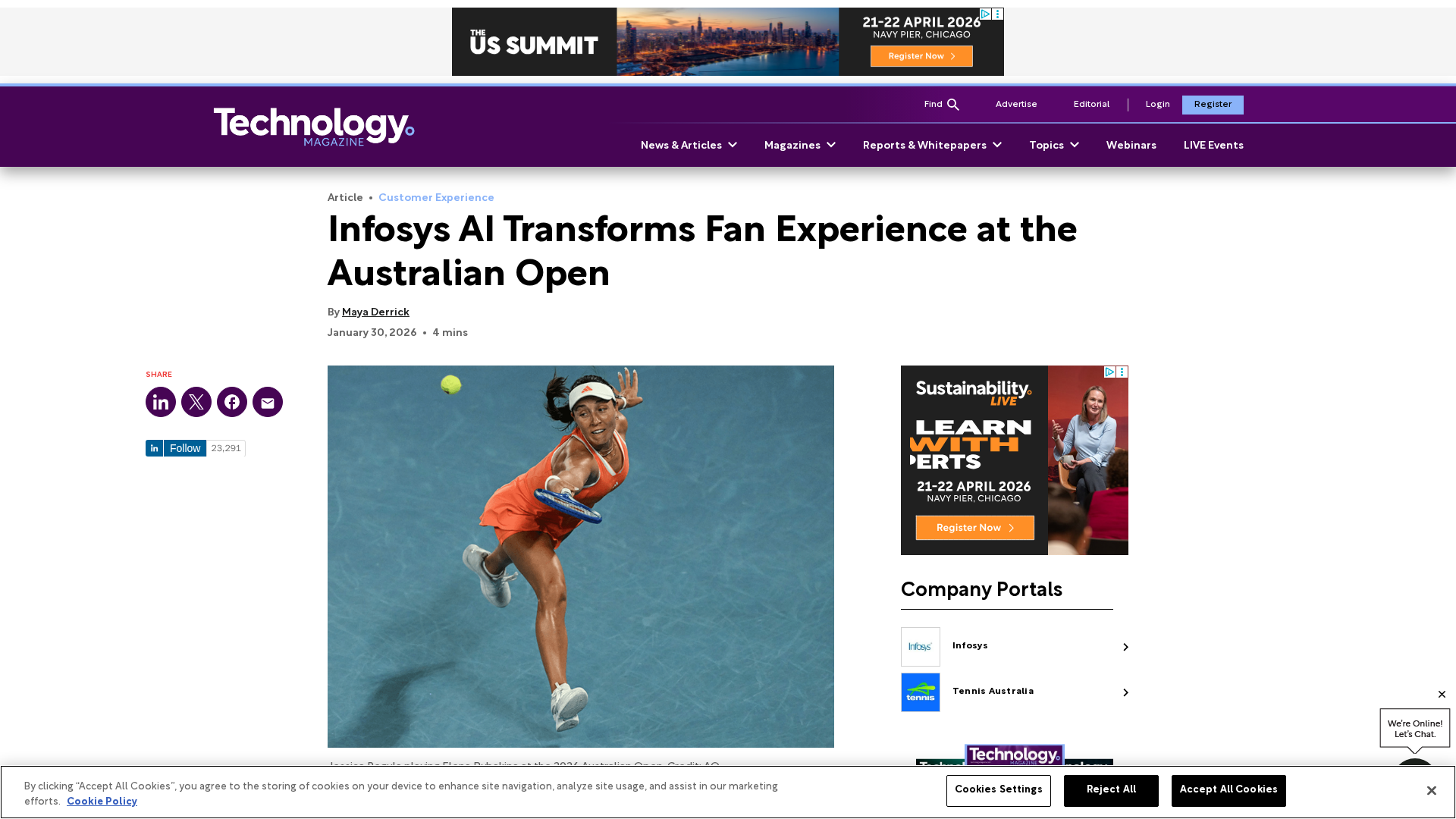
Topic Overview
Real‑Time Sports & Event Analytics Platforms bring together streaming telemetry, computer vision, audio processing and generative AI to deliver live insights for broadcasters, teams, venues, sponsors and betting operators. This topic examines how systems integrators (e.g., Infosys) and major cloud AI providers (AWS, Google Cloud) combine infrastructure, model services and integration tooling to meet stringent latency, reliability and compliance requirements. Advances in multimodal models and managed ML services have made it practical to extract play‑level intelligence, automated highlights, contextualized commentary and personalized fan experiences in near real time. Key components include high‑throughput data pipelines, low‑latency model inference at edge or cloud, model fine‑tuning for domain accuracy, and visualization/automation layers. Representative tools: Google Gemini (multimodal generative models via Google AI and Vertex AI) for contextual analysis; Domo for data integration, visualization and operational dashboards; IBM watsonx Assistant for enterprise virtual agents and orchestrated automation; Together AI for fast inference and scalable GPU training of open‑source models; and conversational assistants like Anthropic’s Claude for scripted analysis and narration. Infosys typically plays the role of systems integrator and managed‑services partner, combining cloud offerings, domain connectors and operational support to deploy end‑to‑end workflows. AWS and Google Cloud provide the core building blocks — streaming services, model hosting, edge deployment and compliance controls — that teams evaluate based on latency, model capability, operational maturity and cost. Current 2026 trends emphasize hybrid/multi‑cloud deployments, deployment‑side model tuning, provenance and privacy controls, and tighter integration with broadcast and betting ecosystems. Choosing an AI partner centers on matching latency SLAs, multimodal model needs, integration breadth (connectors and visualizations) and operational support for continuous model retraining and observability.
Tool Rankings – Top 5

Google’s multimodal family of generative AI models and APIs for developers and enterprises.

Domo's AI-powered data platform automates data prep, connects 1,000+ sources, and delivers real-time insights withGovern

Enterprise virtual agents and AI assistants built with watsonx LLMs for no-code and developer-driven automation.

A full-stack AI acceleration cloud for fast inference, fine-tuning, and scalable GPU training.
Anthropic's Claude family: conversational and developer AI assistants for research, writing, code, and analysis.
Latest Articles (64)
A vendor‑agnostic guide to the 14 best AI governance platforms in 2025, with criteria, comparisons, and practical buying guidance.
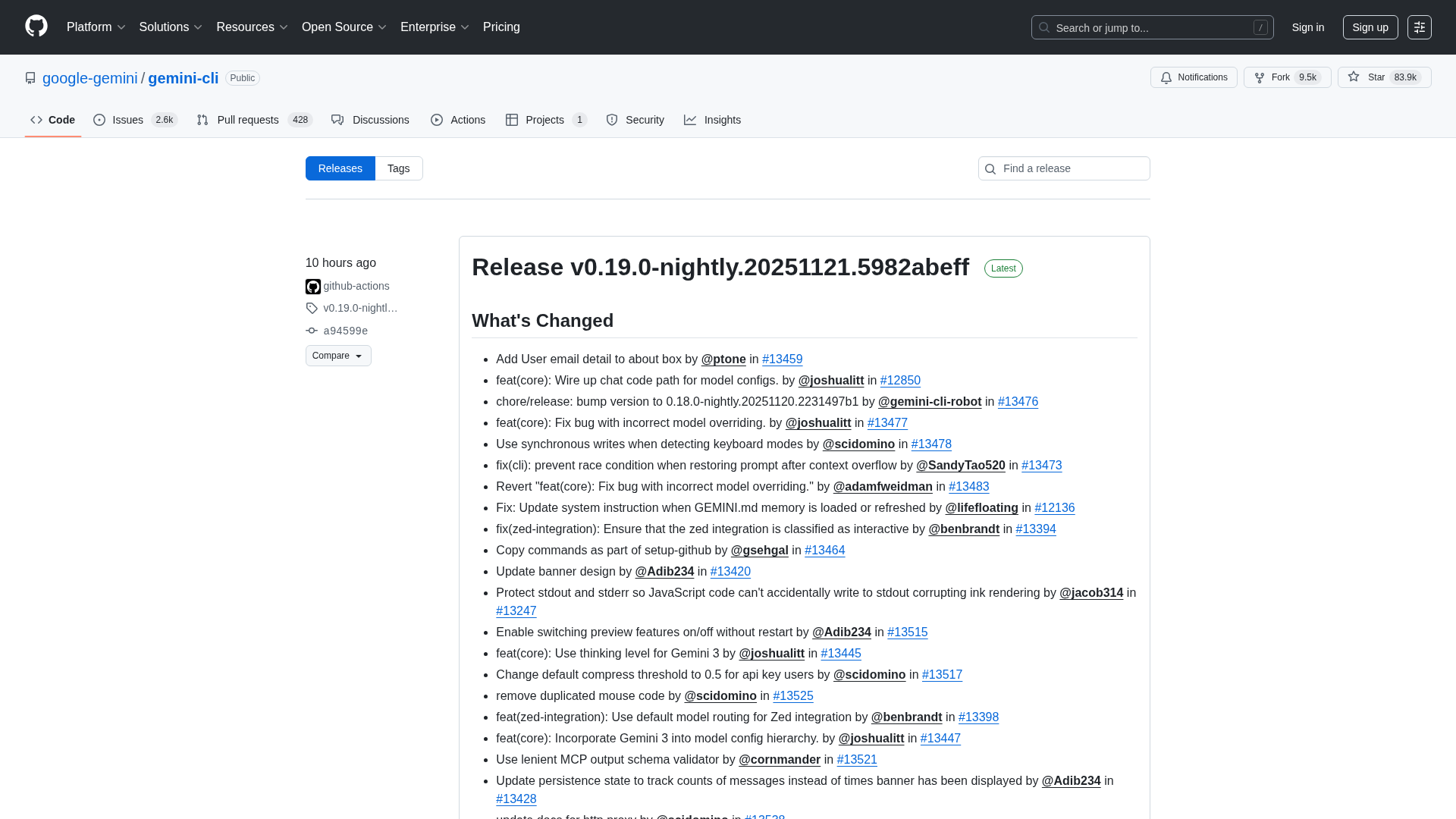
Overview of the Gemini CLI v0.36.0-preview release series, highlighting architectural, CLI, and UI changelogs across multiple pre-release versions.

Baseten launches an AI training platform to compete with hyperscalers, promising simpler, more transparent ML workflows.
Adobe nears a $19 billion deal to acquire Semrush, expanding its marketing software capabilities, according to WSJ reports.
Wolters Kluwer expands UpToDate Expert AI with UpToDate Lexidrug to bolster drug information and medication decision support.