Topic Overview
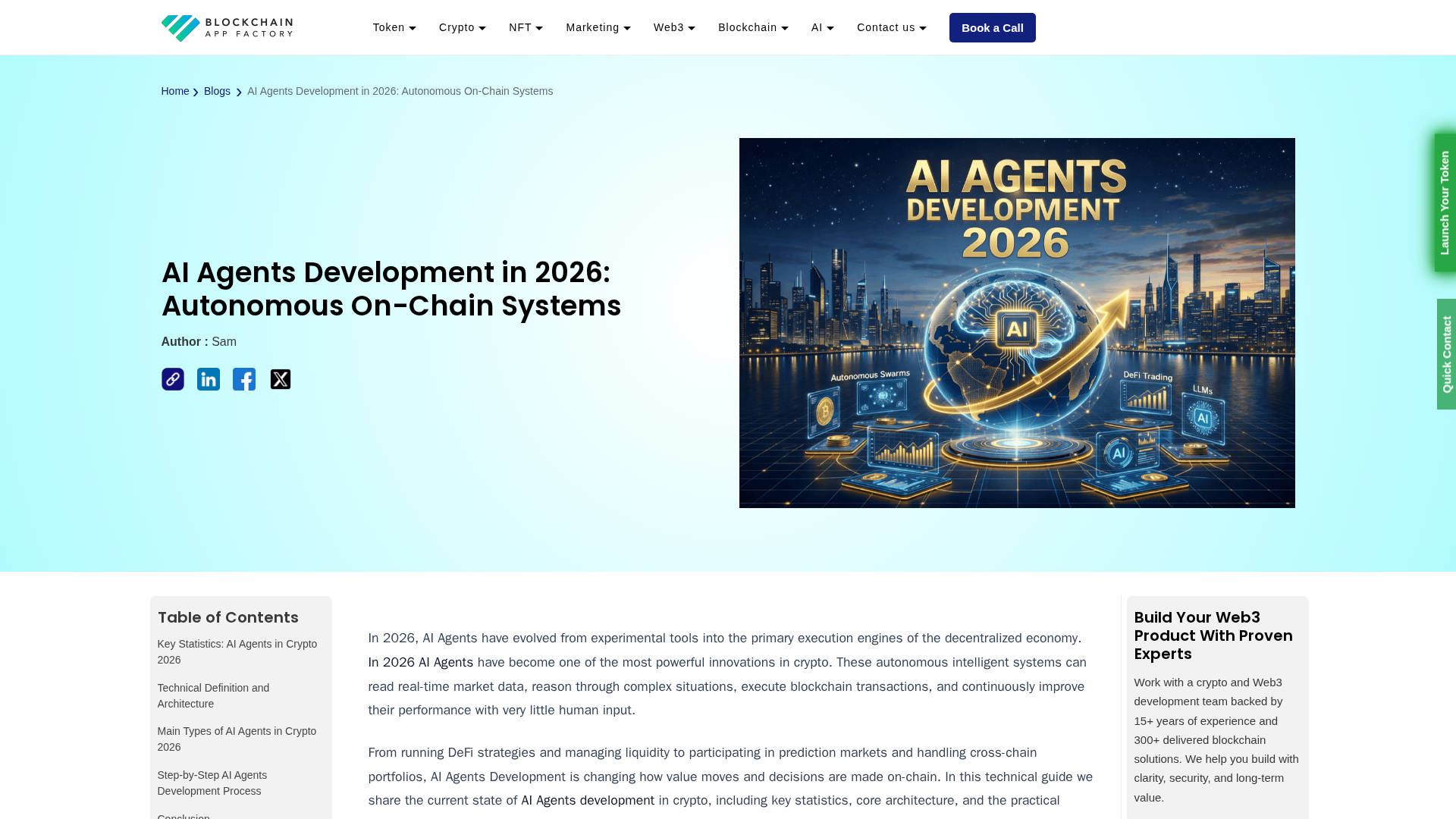
Secure Dev Sandboxes & Tooling for Smart Contracts and AI‑Enabled Blockchain Apps covers the platforms, workflows, and controls needed to develop and operate agentic AI and smart contracts in constrained, auditable environments. By 2026, teams increasingly combine stateful AI agents, multi-model stacks, and decentralized execution, creating new risks around uncontrolled agent actions, provenance of model outputs, and regulatory traceability. Secure dev sandboxes replicate ledger state, simulate on‑chain interactions, and isolate agentic behaviors so developers can fuzz, formally verify, and unit‑test contracts and agent orchestrations before deployment. Key tooling patterns include: observability and policy enforcement (Xilos’s enterprise visibility into agentic activity and connected services); engineering frameworks for stateful agents and orchestration (LangChain and its LangGraph for building, debugging, and deploying agentic LLM applications); no‑code/low‑code governance platforms (StackAI) that accelerate controlled agent deployment; enterprise private-model stacks (Mistral AI) for on‑prem or hosted models with governance controls; and developer‑centric assistants and IDE integrations (Tabby, Windsurf, JetBrains AI Assistant, IBM watsonx Assistant) that keep testing, code generation, and security checks inside developer workflows. Perplexity and similar research engines provide grounded, cited context for threat modeling, legal research, and compliance documentation. Operational priorities are reproducible test environments, comprehensive audit logs, model provenance, policy‑driven runtime controls, and integration with regulatory and compliance tools. These sandboxes bridge decentralized infrastructure and AI security governance by enabling iterative testing of cross‑chain interactions and agent behaviors while preserving the traceability required by auditors and regulators.
Tool Rankings – Top 6
Intelligent Agentic AI Infrastructure

Engineering platform and open-source frameworks to build, test, and deploy reliable AI agents.

End-to-end no-code/low-code enterprise platform for building, deploying, and governing AI agents that automate work onun

Enterprise-focused provider of open/efficient models and an AI production platform emphasizing privacy, governance, and
.avif)
Open-source, self-hosted AI coding assistant with IDE extensions, model serving, and local-first/cloud deployment.

Enterprise virtual agents and AI assistants built with watsonx LLMs for no-code and developer-driven automation.
Latest Articles (63)
A vendor‑agnostic guide to the 14 best AI governance platforms in 2025, with criteria, comparisons, and practical buying guidance.
OpenAI’s bypass moment underscores the need for governance that survives inevitable user bypass and hardens system controls.
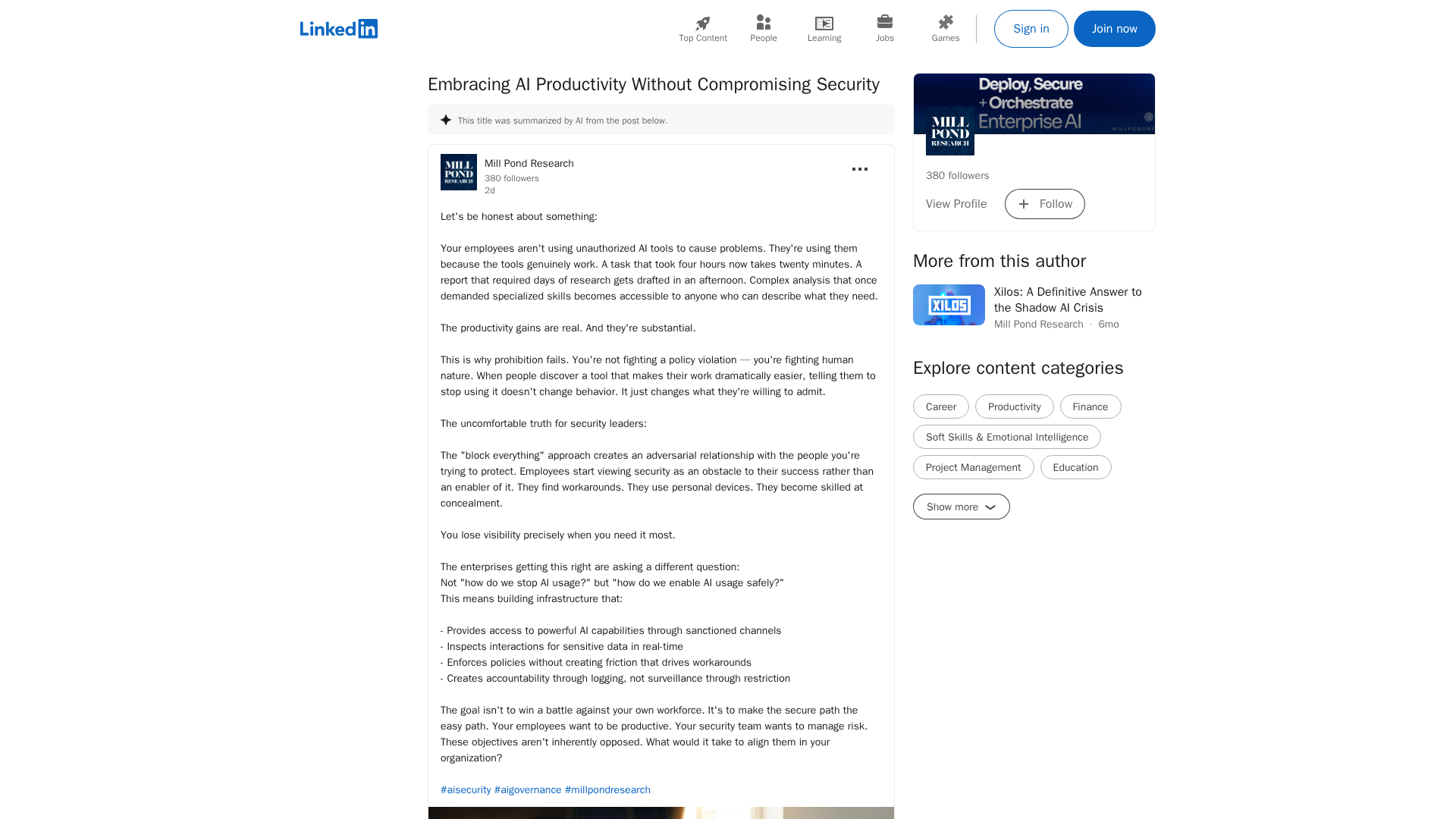
A call to enable safe AI use at work via sanctioned access, real-time data protections, and frictionless governance.
Explores the human role behind AI automation and how Bell Cyber tackles AI hallucinations in security operations.
A real-world look at AI in SOCs, debunking myths and highlighting the human role behind automation with Bell Cyber experts.