
Topic Overview
AI-enabled wallets and on‑chain agents are systems that allow autonomous software (agents) to hold credentials, sign transactions, and interact with decentralized ledgers and payment rails on behalf of users or enterprises. By 2026, mainstream moves such as Visa Intelligent Commerce (2025) to let AI agents discover and complete purchases, combined with enterprise agent platforms and model providers, have pushed these use cases from experimental to production‑grade, creating new security and governance needs. Effective security stacks for this space combine cryptographic key management (MPC, threshold signatures, hardware isolation), strong identity and attestation for agents, granular transaction policies and capability-based controls, real‑time monitoring and anomaly detection, transactional simulation/sandboxes, and insurance or risk‑transfer mechanisms. Tooling maps to these needs: Visa Intelligent Commerce connects agent flows to payment rails; Monitaur centralizes policy, monitoring, validation, and vendor governance for regulated industries; StackAI and Relevance AI provide no‑code/low‑code platforms to build, orchestrate, and govern autonomous agents; IBM watsonx Assistant and Microsoft 365 Copilot enable enterprise assistants and agent orchestration tied into corporate data; and infrastructure/model layers such as Vertex AI, Google Gemini, and Cohere supply the underlying models, embeddings, and APIs that agents use. Security and governance priorities include enforceable on‑chain policies, revocable capabilities, secure oracle and data integrity, SLA and vendor controls, continuous auditing, and insurance coverage models for operational losses. As regulators and enterprises integrate agentized commerce and automation, pragmatic defenses—combining cryptography, policy automation, monitoring, and commercial risk instruments—are becoming standard practice for deploying AI wallets and on‑chain agents at scale.
Tool Rankings – Top 6
Enabling AI agents to buy securely and seamlessly

Insurance-focused enterprise AI governance platform centralizing policy, monitoring, validation, vendor governance and证e

Enterprise virtual agents and AI assistants built with watsonx LLMs for no-code and developer-driven automation.
AI assistant integrated across Microsoft 365 apps to boost productivity, creativity, and data insights.

End-to-end no-code/low-code enterprise platform for building, deploying, and governing AI agents that automate work onun

Enterprise-grade no-code/low-code platform to build, deploy, and manage autonomous AI agents and workflows.
Latest Articles (80)
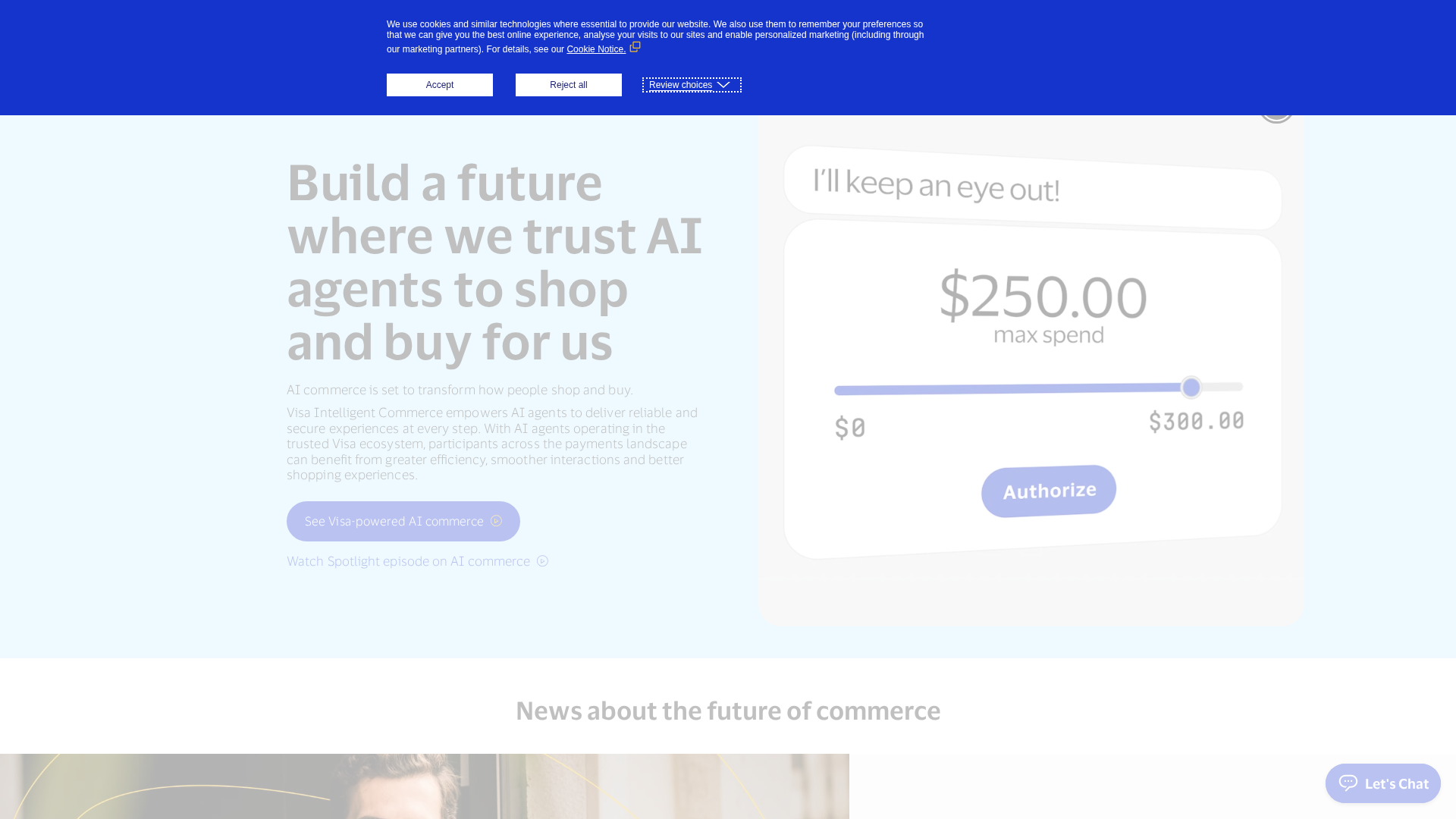
Visa Intelligent Commerce enables trusted, AI-powered agents to deliver secure, seamless, and personalized shopping at scale.
A vendor‑agnostic guide to the 14 best AI governance platforms in 2025, with criteria, comparisons, and practical buying guidance.
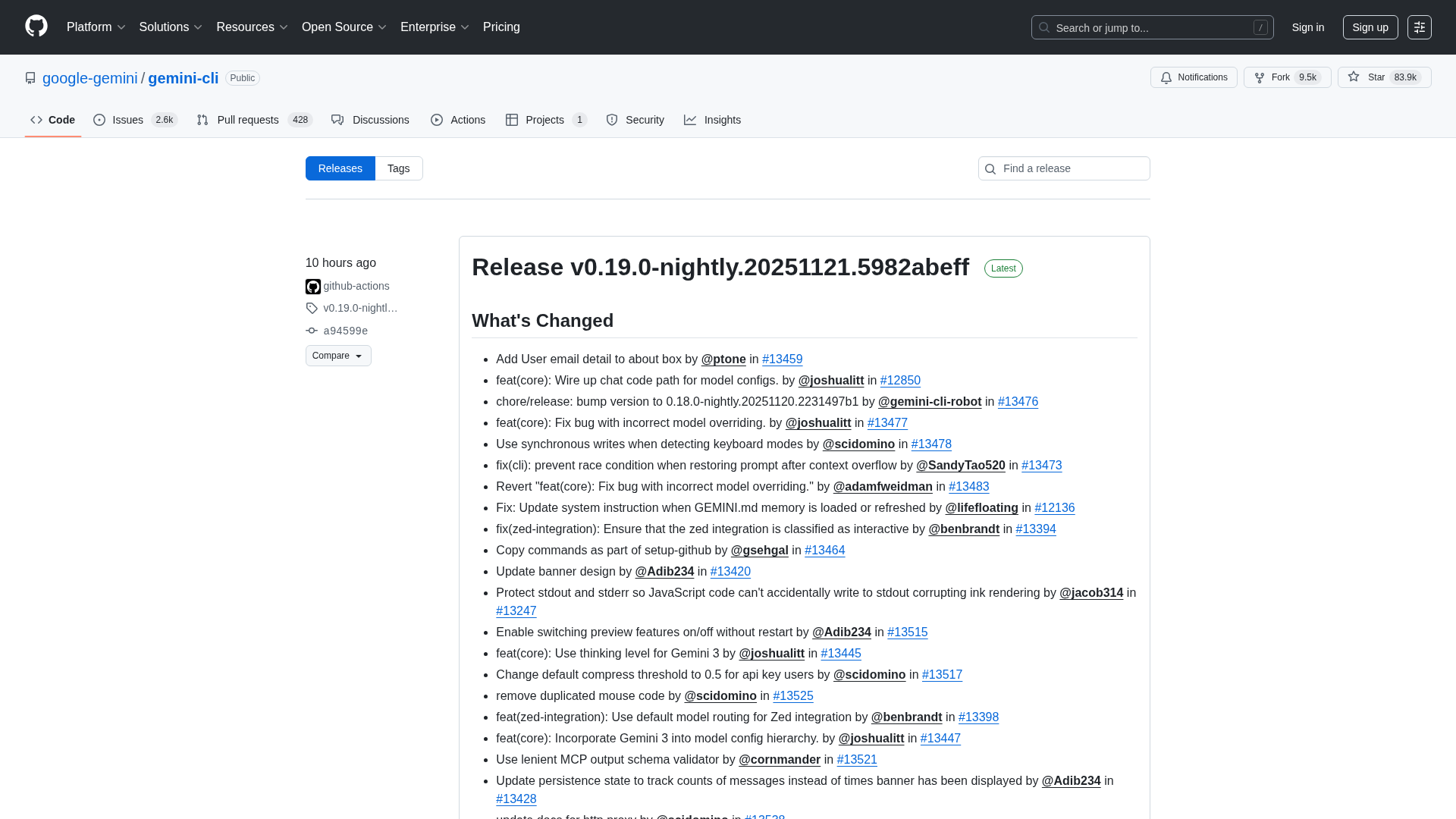
Overview of the Gemini CLI v0.36.0-preview release series, highlighting architectural, CLI, and UI changelogs across multiple pre-release versions.
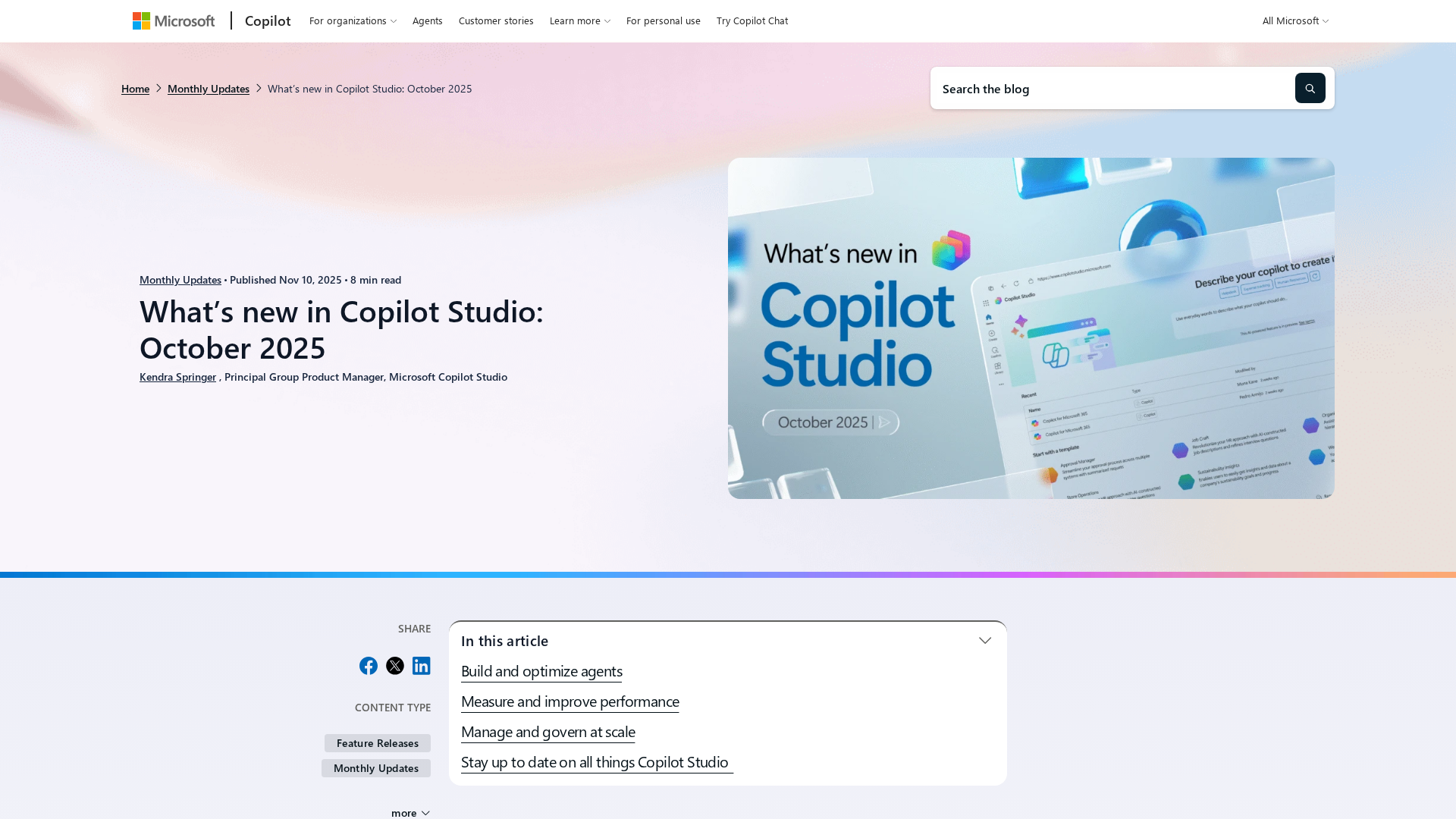
A comprehensive October 2025 roundup of Copilot Studio’s new testing, model, and governance features.
Visa explains how real-time prompts, tokenization, and proactive controls build trust at the moment of authorization.