Topic Overview
This topic examines the rise of agentic booking — autonomous, multi-step AI agents that assemble itineraries, compare options and execute bookings — alongside alternatives such as Google Search Canvas and traditional travel planning tools. As of 2025, improvements in multimodal LLMs, retrieval-augmented generation (RAG) and agent orchestration have made practical end-to-end travel agents and marketplace ecosystems viable for both consumers and enterprises. Key trends include increased use of model families (Google Gemini, Cohere), developer frameworks (LangChain, LlamaIndex) for document agents and RAG pipelines, and agent platforms that add governance, monitoring and workflows (Kore.ai, Agentverse, IBM watsonx Assistant). Microsoft 365 Copilot illustrates how embedded assistants can support planning within productivity apps, while DeepL supports localization and multilingual customer interactions for global bookings. Agent marketplaces and tool marketplaces are enabling discovery and commercial deployment of specialized travel agents, but adoption hinges on observable governance, secure API integrations, and human-in-the-loop controls to manage payments, cancellations and compliance. Compared with conventional itinerary builders, agentic booking systems promise automation, dynamic rebooking and richer personalization, yet introduce tradeoffs around data privacy, transaction security and vendor integrations. For organizations evaluating options, the practical stack often combines a large multimodal model (Gemini or Cohere), retrieval and document indexing (LlamaIndex), an orchestration/agent framework (LangChain), and deployment/observability via platforms like Kore.ai or Agentverse; enterprise virtual assistants such as watsonx Assistant or embedded copilots can layer on compliance and user-facing workflows. This comparison is relevant now because 2025 tooling has matured enough for production pilots, but careful selection of frameworks, marketplaces and governance remains essential to balance automation benefits with operational and regulatory risk.
Tool Rankings – Top 6

Enterprise AI agent platform for building, deploying and orchestrating multi-agent workflows with governance, observabil
Cloud platform and marketplace for building, deploying, listing and monitoring autonomous AI agents.
AI assistant integrated across Microsoft 365 apps to boost productivity, creativity, and data insights.

Enterprise virtual agents and AI assistants built with watsonx LLMs for no-code and developer-driven automation.

Google’s multimodal family of generative AI models and APIs for developers and enterprises.

Engineering platform and open-source frameworks to build, test, and deploy reliable AI agents.
Latest Articles (108)
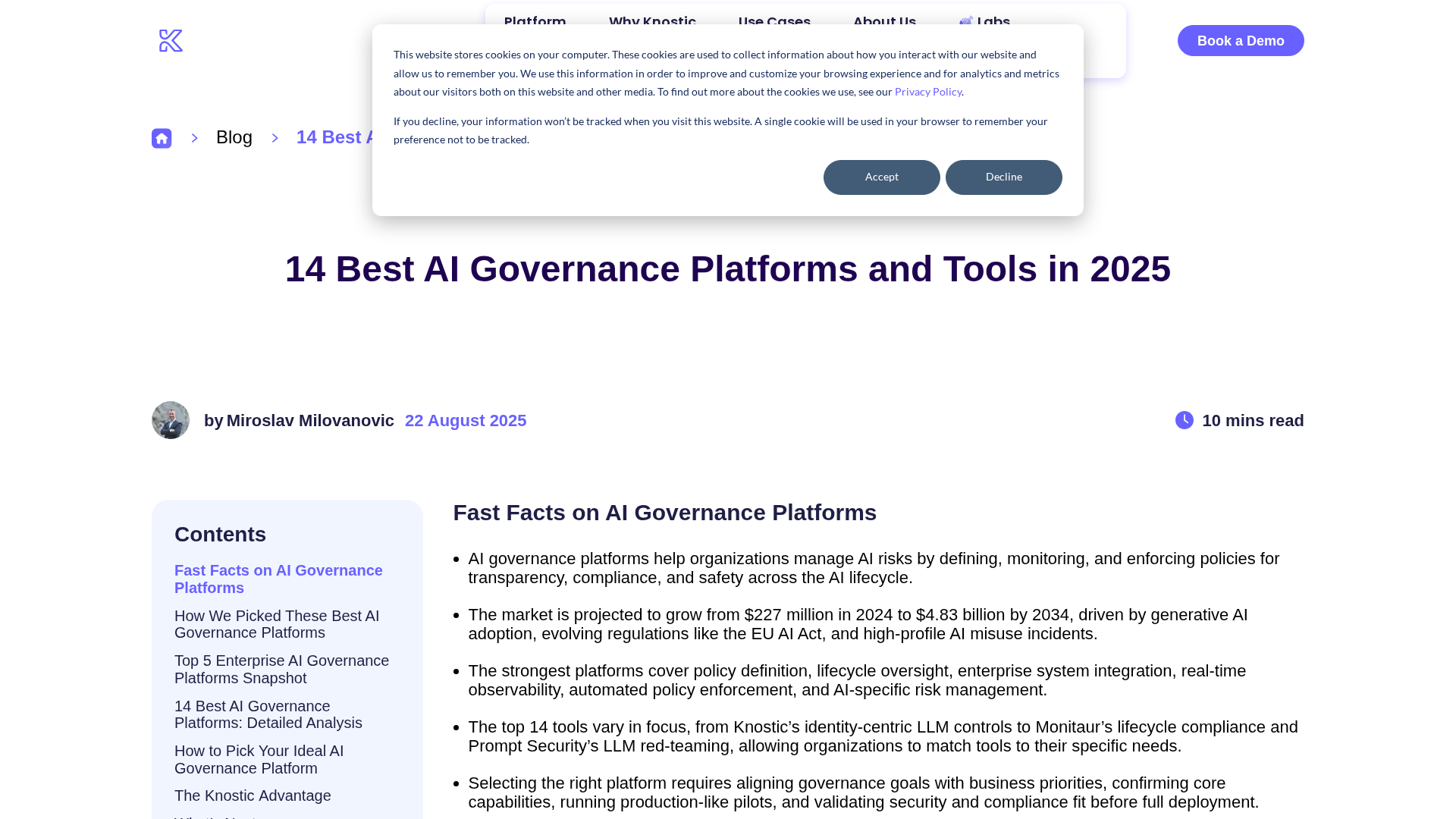
A vendor‑agnostic guide to the 14 best AI governance platforms in 2025, with criteria, comparisons, and practical buying guidance.
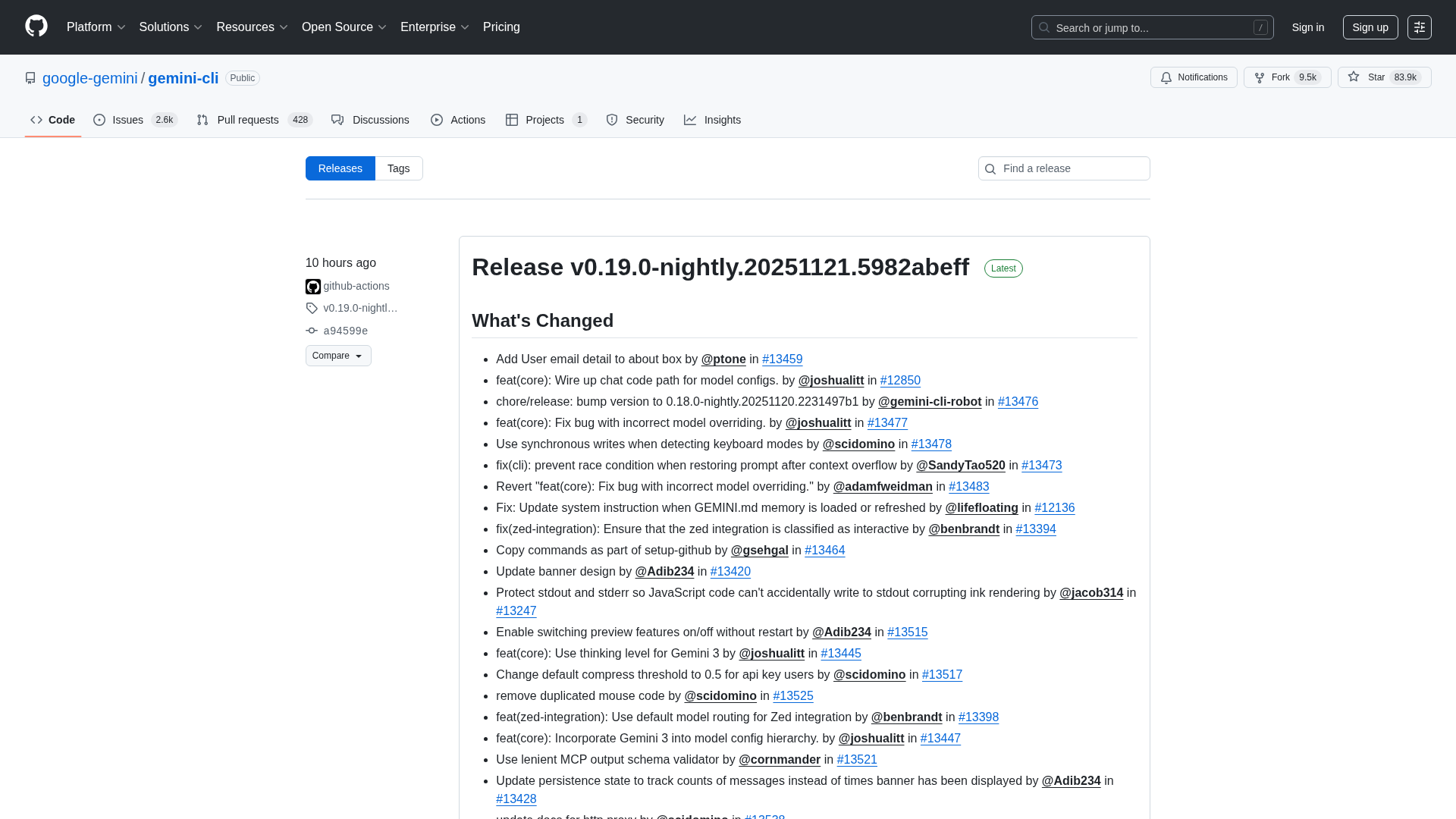
Overview of the Gemini CLI v0.36.0-preview release series, highlighting architectural, CLI, and UI changelogs across multiple pre-release versions.
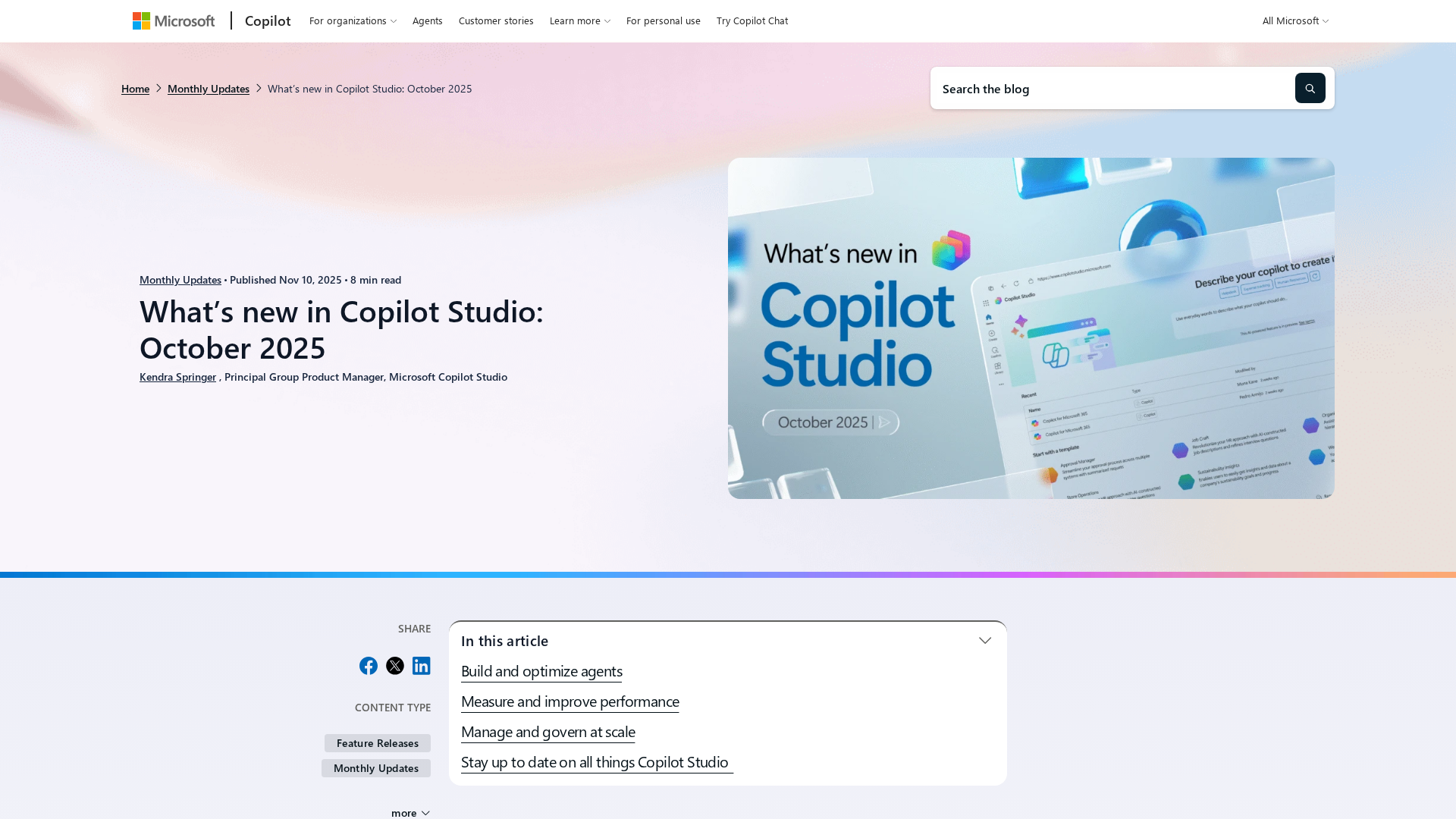
A comprehensive October 2025 roundup of Copilot Studio’s new testing, model, and governance features.
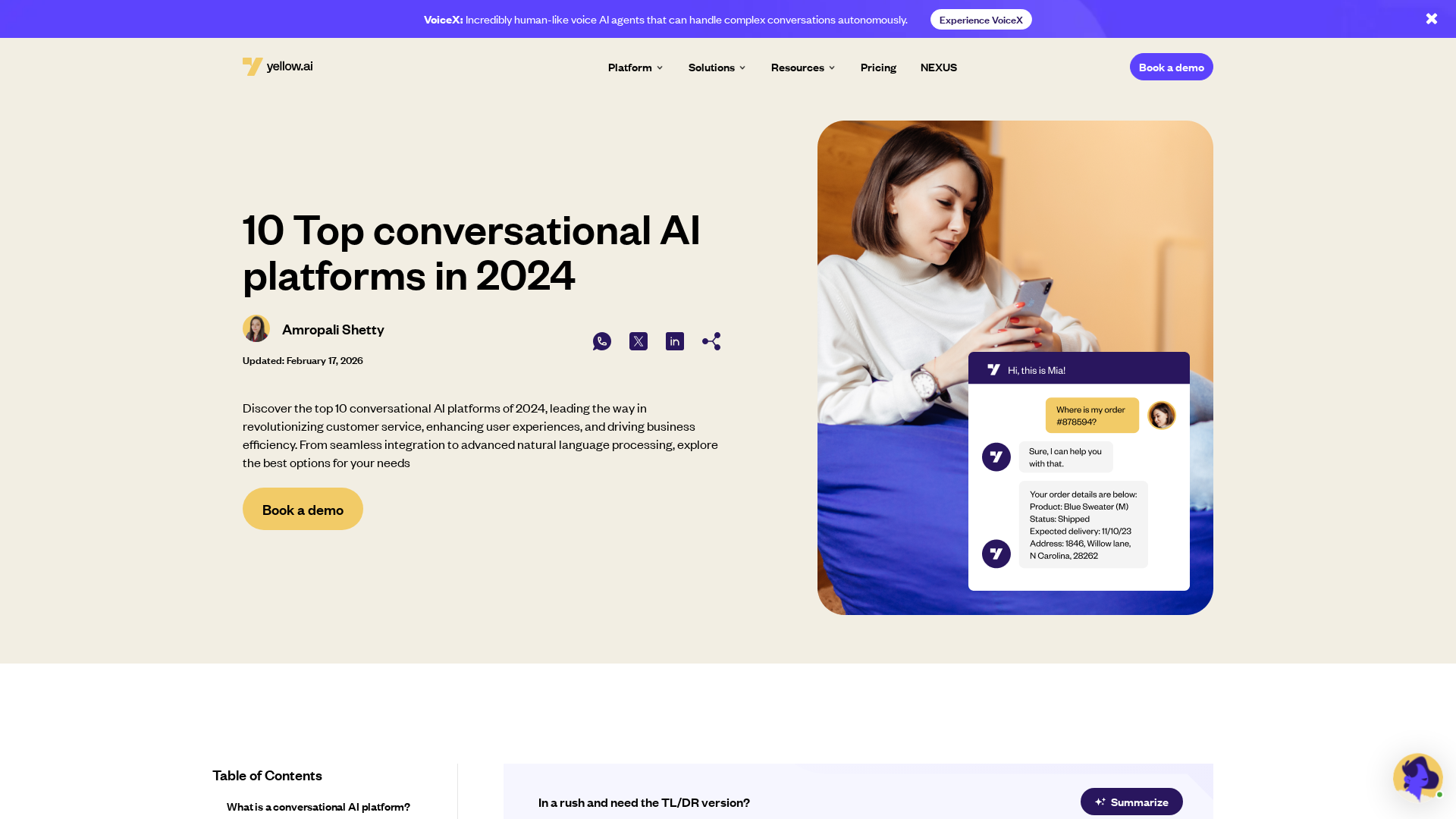
A concise guide to the top 10 conversational AI platforms in 2024, with features, benefits, and use cases.
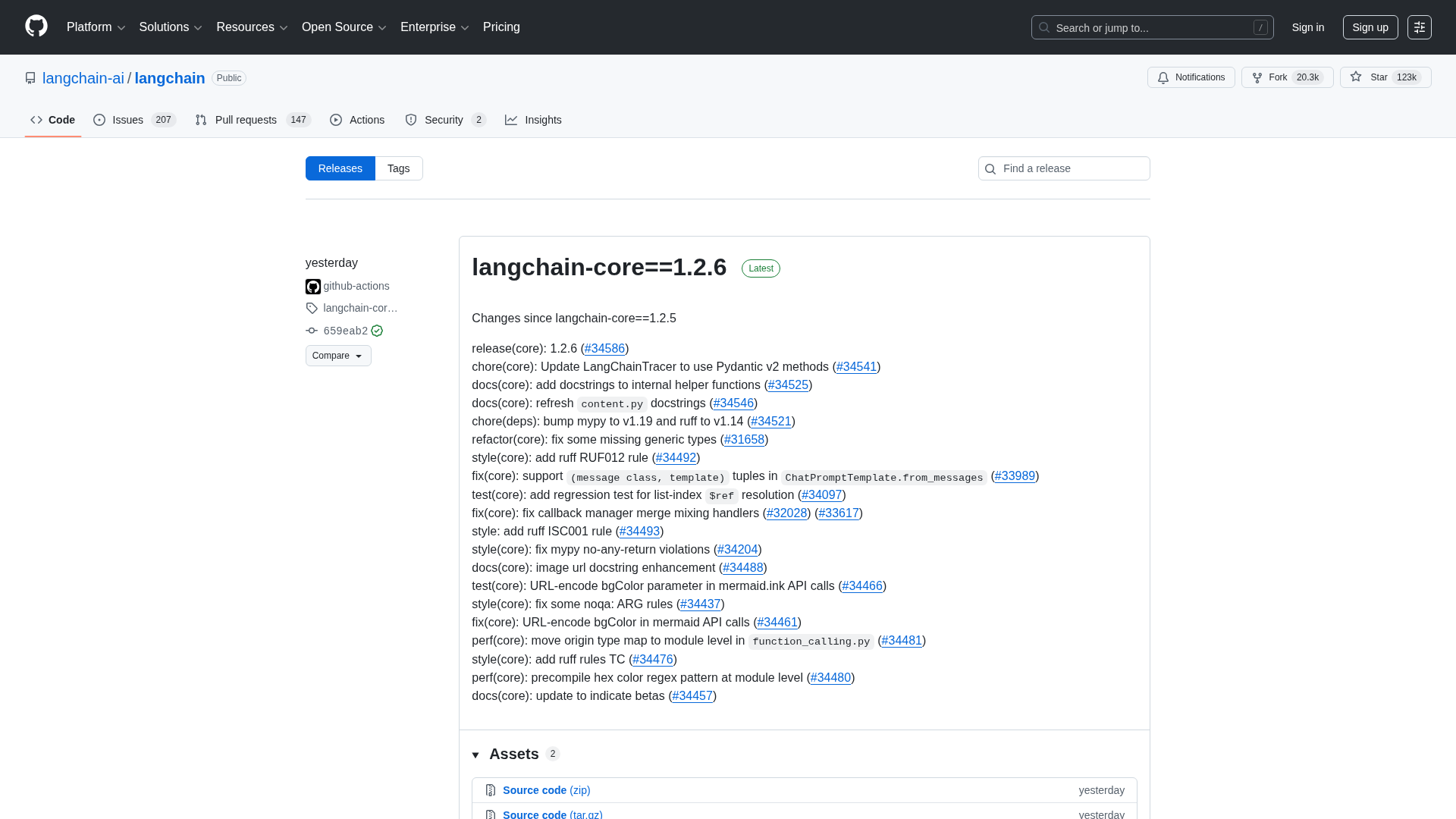
A comprehensive LangChain releases roundup detailing Core 1.2.6 and interconnected updates across XAI, OpenAI, Classic, and tests.