Topic Overview
This guide reviews modern vector databases and long-term memory patterns for LLM-powered applications as of 2025‑12‑31, focusing on operational tradeoffs and integration patterns. Vector DBs (Pinecone, Milvus, Weaviate, Qdrant) store embeddings and metadata to enable retrieval-augmented generation (RAG), semantic search, and persistent agent memory. Pinecone is a managed service with low-friction SDKs and multi-tenant capabilities; Milvus (open-source) emphasizes large-scale performance and hybrid search; Weaviate combines a vector store with schema/knowledge-graph features and modular ML bindings; Qdrant is a Rust-based option focused on payload filtering, efficient upserts, and self-hosting. Long-term memory for agents and assistants is implemented by combining chunking, timestamped embeddings, hierarchical indexes (short-term vs episodic vs semantic memory), and policies for retention, versioning, and privacy. Practical selection criteria include latency, index update speed, ANN algorithm support (HNSW/IVF/PQ), hybrid dense+lexical search, compression and quantization, multi-tenancy, governance controls, and on‑prem vs managed deployment options. Integration ecosystems matter: LangChain provides retrieval and agent frameworks and connectors across these stores; low-code platforms like MindStudio simplify designing, testing, and operating stateful agents; enterprise tools such as Tabnine illustrate private, context-aware use cases (code search and secure knowledge retrieval) that benefit from private vector stores and strict data controls. Trends to consider for 2026: stronger enterprise governance and private deployments, wider adoption of hybrid retrieval strategies, and increased use of quantized indexes to reduce cost. This guide helps teams map requirements (scale, privacy, update patterns, and tooling integration) to the right vector DB and memory architecture.
Tool Rankings – Top 3

Engineering platform and open-source frameworks to build, test, and deploy reliable AI agents.

No-code/low-code visual platform to design, test, deploy, and operate AI agents rapidly, with enterprise controls and a

Enterprise-focused AI coding assistant emphasizing private/self-hosted deployments, governance, and context-aware code.
Latest Articles (22)
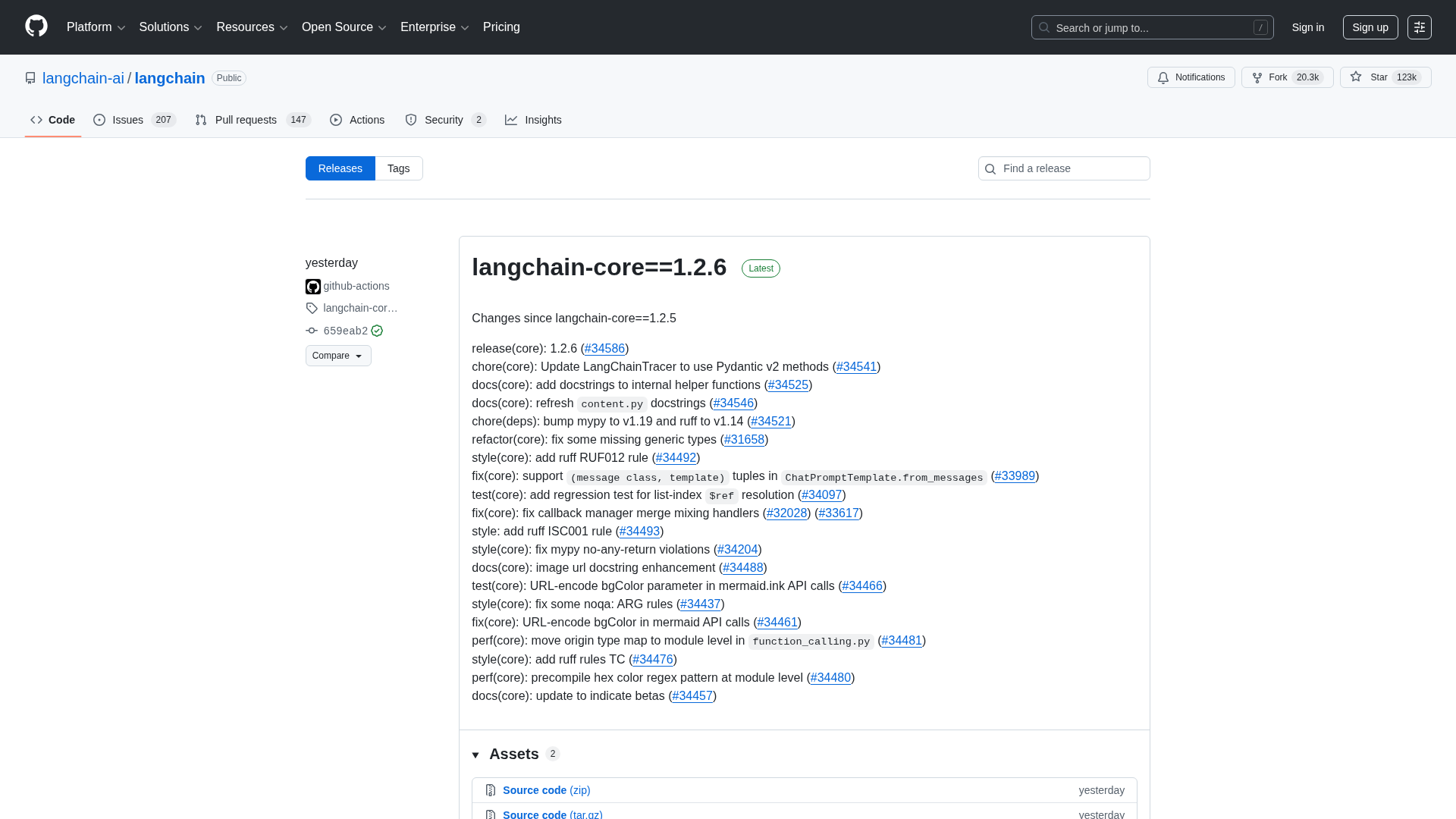
A comprehensive LangChain releases roundup detailing Core 1.2.6 and interconnected updates across XAI, OpenAI, Classic, and tests.

Cannot access the article content due to an access-denied error, preventing summarization.
A quick preview of POE-POE's pros and cons as seen in G2 reviews.
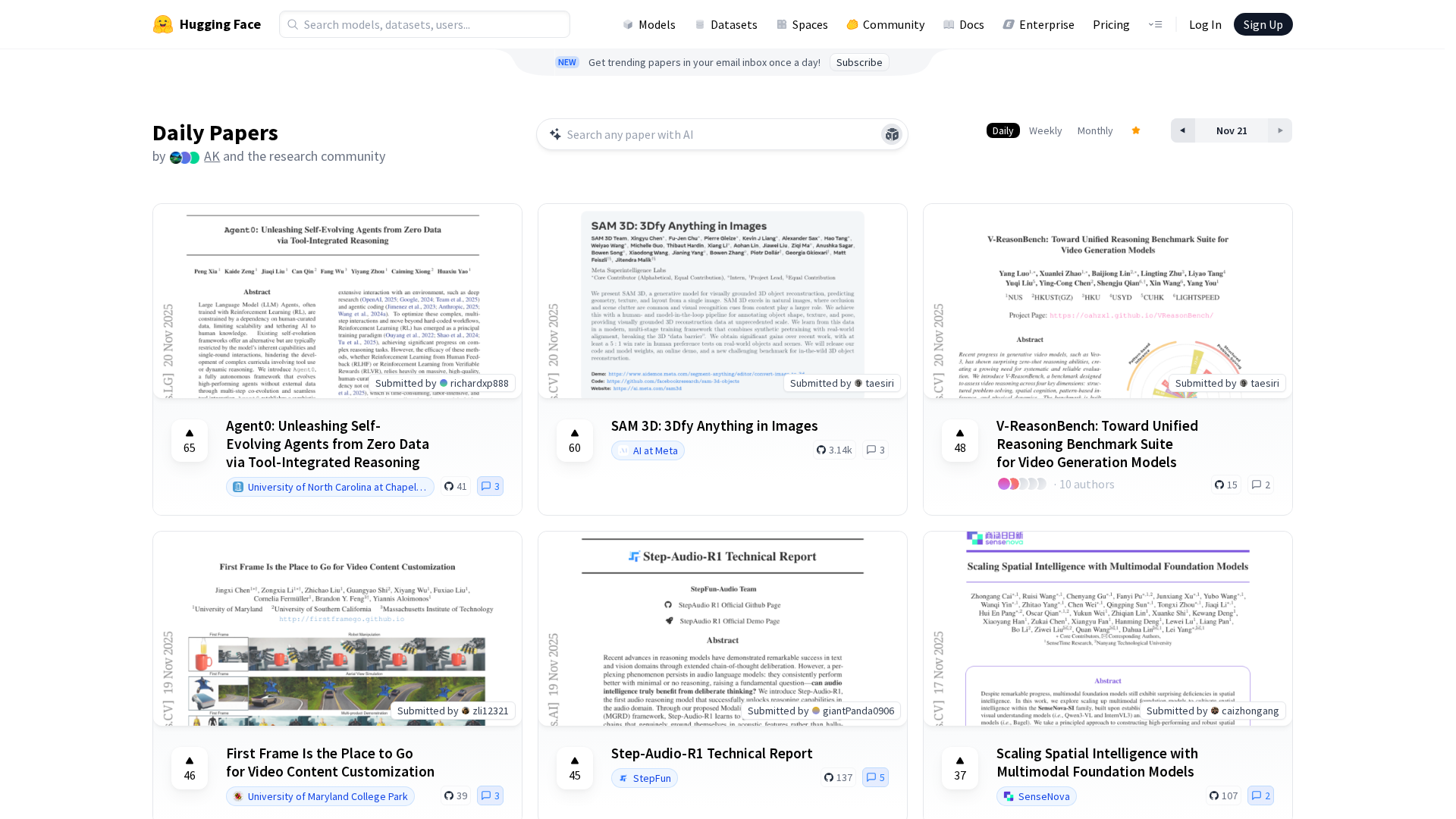
Get daily, curated trending ML papers delivered straight to your inbox.
Dell unveils 20+ advancements to its AI Factory at SC25, boosting automation, GPU-dense hardware, storage and services for faster, safer enterprise AI.