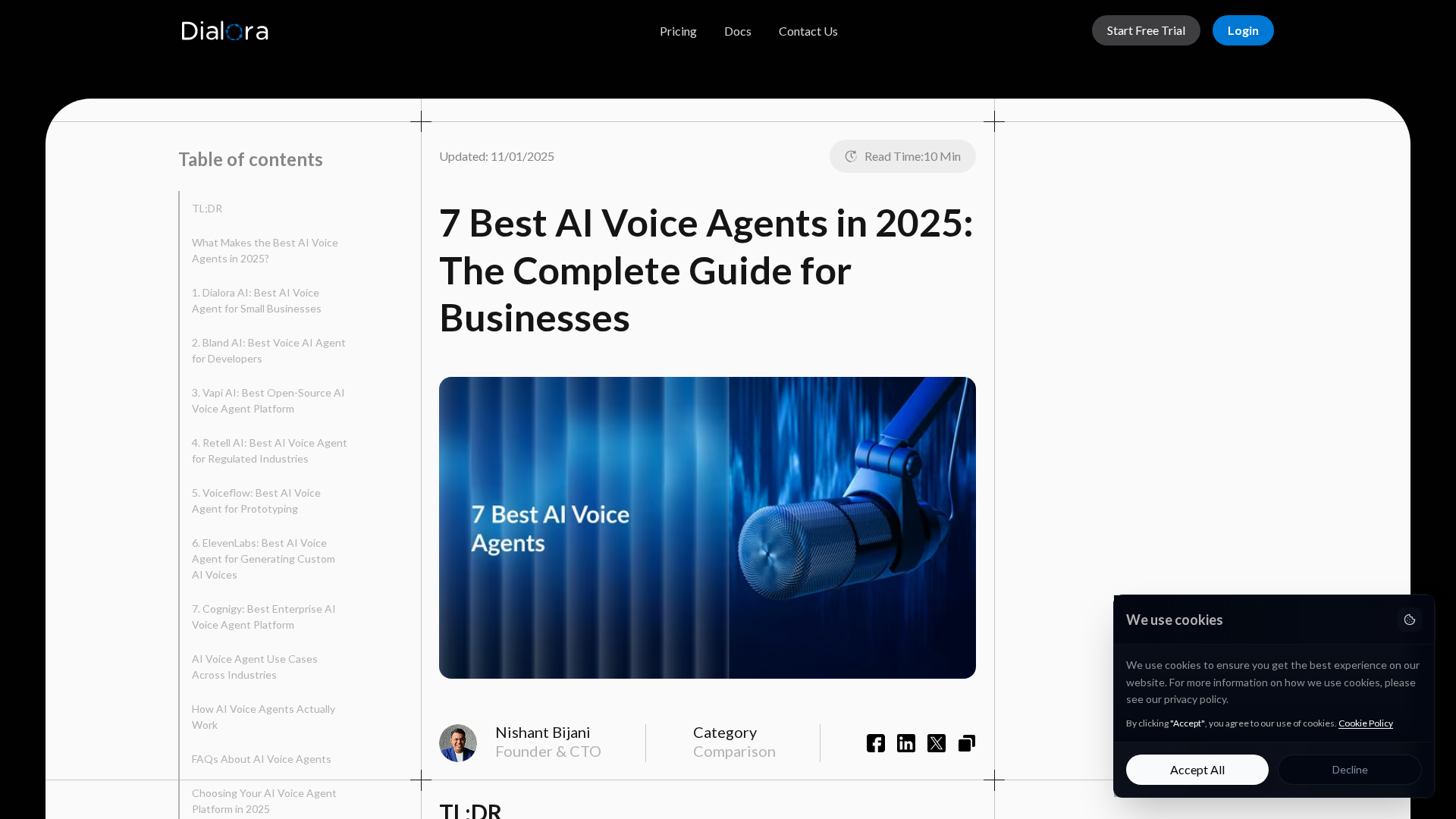
Topic Overview
This comparison examines the evolving landscape of voice and speech recognition platforms and virtual assistant frameworks used across contact centers, meetings, vertical workflows and personal assistants. By 2026 the category centers on three stacked capabilities: accurate real‑time transcription (STT) and conversation intelligence; expressive, low‑latency text‑to‑speech (TTS) and voice cloning; and LLM-driven dialog orchestration and agent workflows. Vendors span specialty voice providers (Vogent, VOICEplug, ZenCall.ai) that focus on ultra‑realistic TTS, real‑time phone agents and vertical ordering/drive‑thru use cases, to enterprise orchestration platforms (PolyAI, Kore.ai, Yellow.ai, IBM watsonx Assistant) that emphasize multilingual, omnichannel agents, governance, observability and no‑code/ pro‑code deployment options. Healthcare- and compliance-focused offerings such as OpenCall AI highlight HIPAA‑compliant voice automation for appointment booking and patient messaging. Foundational model families and multimodal backends (Google Gemini, Anthropic Claude) are commonly used to power NLU, summarization and multiagent reasoning, while edge/on‑prem options (Archetype AI — Newton) and no‑code marketplaces (Anakin.ai) address latency, privacy and rapid prototyping needs. Key tradeoffs include cloud vs on‑prem deployments, latency and voice quality vs cost, vertical specialization vs platform flexibility, and governance/compliance requirements. Adoption drivers include improved multilingual STT/TTS, tighter LLM integration for context and orchestration, and industry-specific compliance needs. Buyers should evaluate transcription accuracy, TTS latency/realism, orchestration and observability features, integration to contact center and CRM stacks, and vendor approaches to governance and data residency to match use cases from high-volume call automation to meeting assistants and personal AI agents.
Tool Rankings – Top 6

Voice-first conversational AI for enterprise contact centers, delivering lifelike multilingual agents across voice, chat

Google’s multimodal family of generative AI models and APIs for developers and enterprises.

AI-powered phone agents that answer, route, and manage calls in real time (speech-to-text + LLM + text-to-speech).
Voice-AI ordering and conversational AI for restaurants across phone, drive-thru, kiosks, web and mobile.
Anthropic's Claude family: conversational and developer AI assistants for research, writing, code, and analysis.

Enterprise virtual agents and AI assistants built with watsonx LLMs for no-code and developer-driven automation.
Latest Articles (129)
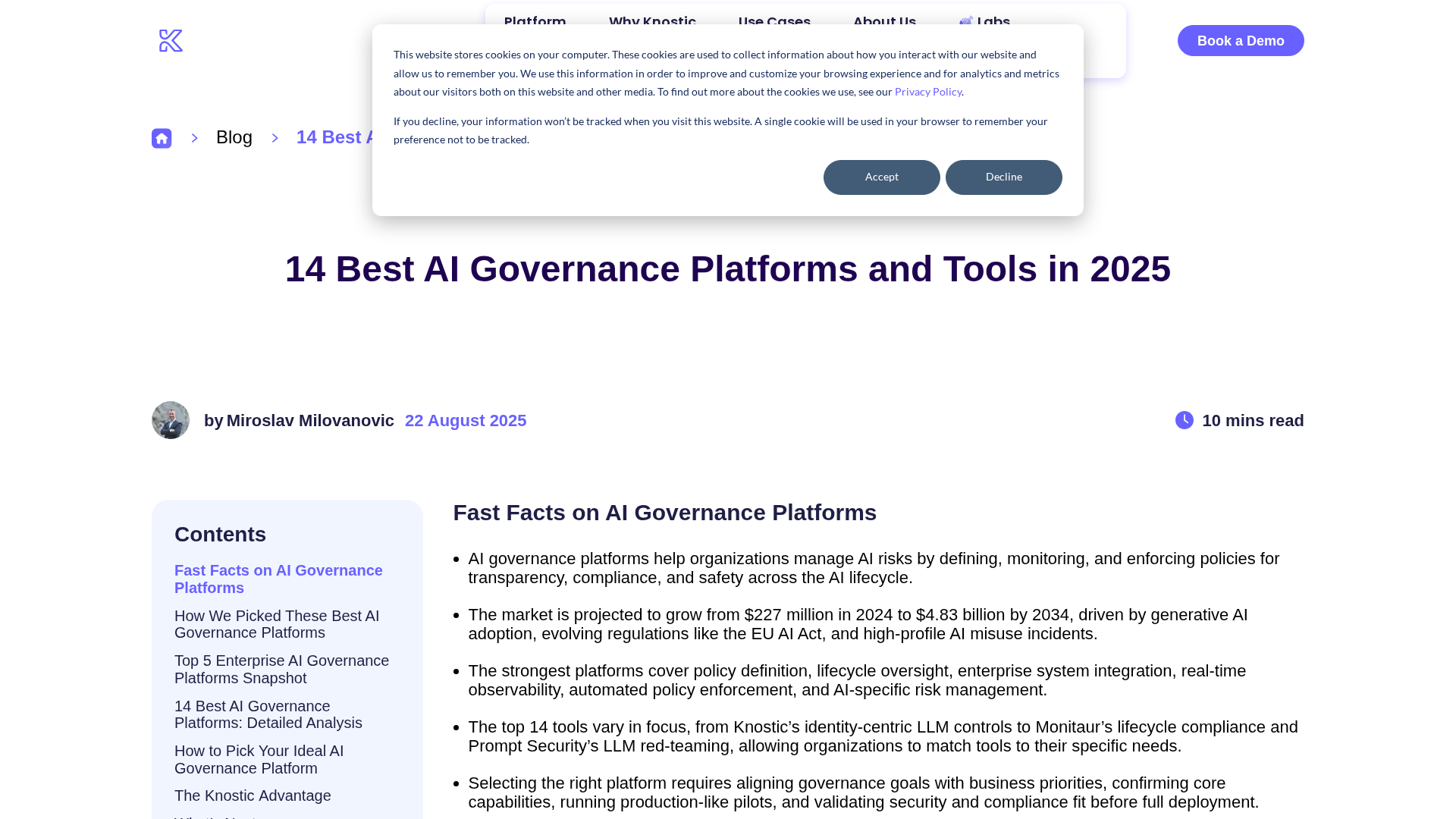
A vendor‑agnostic guide to the 14 best AI governance platforms in 2025, with criteria, comparisons, and practical buying guidance.
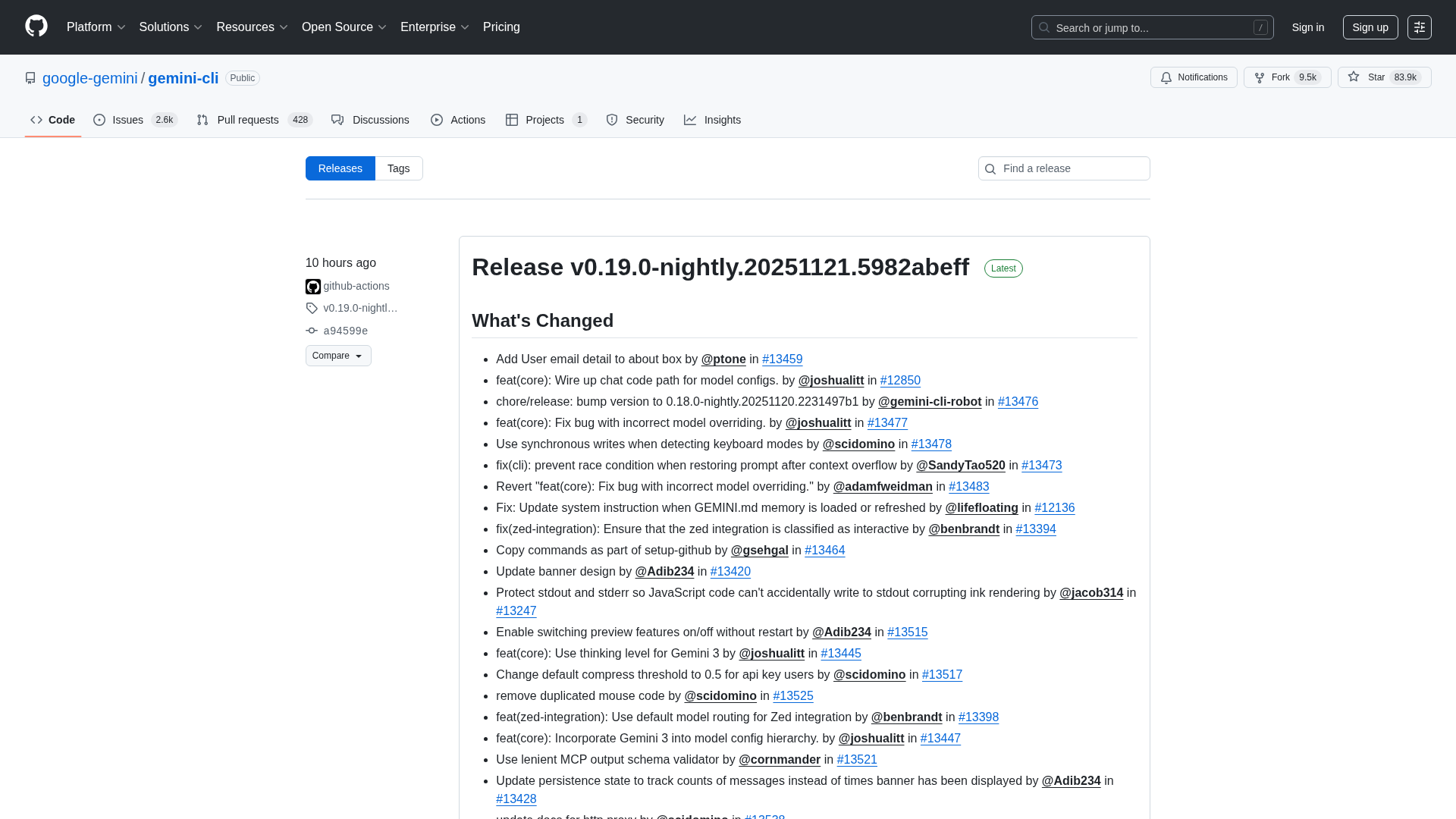
Overview of the Gemini CLI v0.36.0-preview release series, highlighting architectural, CLI, and UI changelogs across multiple pre-release versions.
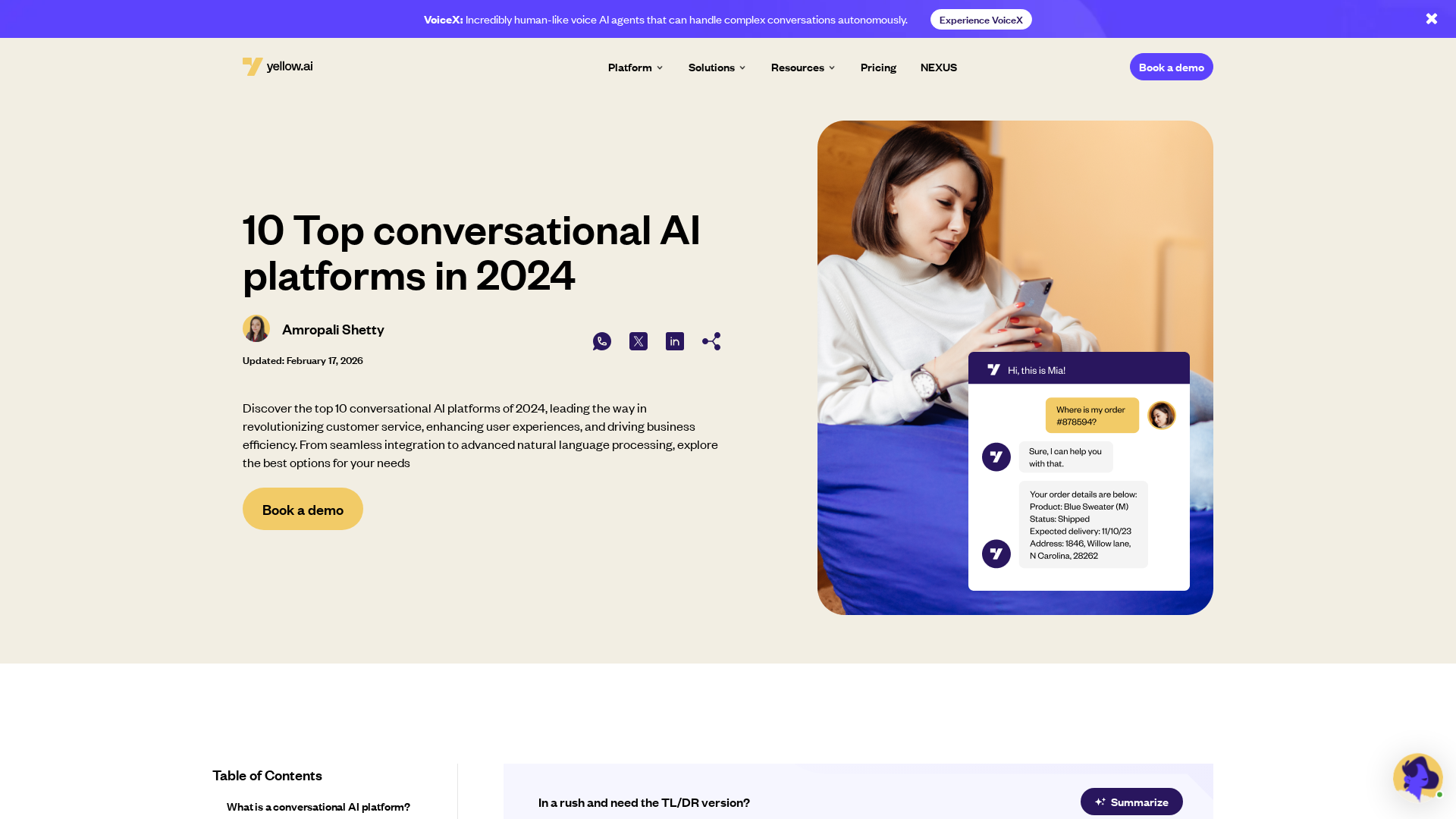
A concise guide to the top 10 conversational AI platforms in 2024, with features, benefits, and use cases.
In-depth look at Gemini 3 Pro benchmarks across reasoning, math, multimodal, and agentic capabilities with implications for building AI agents.
Adobe nears a $19 billion deal to acquire Semrush, expanding its marketing software capabilities, according to WSJ reports.