Topic Overview
Agent frameworks and multi-agent platforms assemble the software, runtime and marketplaces that let developers and organizations build, run and commercialize autonomous AI agents. As of late 2025 this space centers on three linked trends: richer developer tooling for stateful, multi-step agents; operational runtimes and marketplaces for deploying and monetizing agents; and enterprise features for privacy, governance and alignment. Key components include engineering frameworks (LangChain, with its LangGraph stateful graph abstractions), autonomous-agent runtimes (AutoGPT for self-hosted or cloud-hosted automation workflows), and enterprise orchestration products (IBM watsonx Assistant and Fujitsu Multi‑AI Agents) that combine no‑code flows with developer APIs. Developer-facing agentic environments and IDEs — Warp’s Agentic Development Environment, Windsurf (formerly Codeium), Replit — embed assistants and multi-model workflows to speed developer loops. Tooling for production agents spans SDKs and CLIs (GPTConsole), visual low-code platforms (MindStudio), and specialist coding assistants with governance options (Tabnine for enterprise, Tabby as an open-source local-first alternative). Marketplaces and registries are maturing: marketplaces make reusable agent components, payload connectors, and prebuilt orchestrations discoverable, while platform-level features address memory, evaluation, and lifecycle management. Safety- and alignment-focused toolsets (for example, Anthropic’s agent tools) and decentralized infrastructures (e.g., Fetch.ai’s agent network) influence design choices around incentives, robustness and distribution. Taken together, these frameworks and marketplaces reflect a move from isolated LLM prompts to composable, stateful agent systems that require runtime orchestration, governance controls, and distribution channels — making them a practical focus for engineering teams and enterprises evaluating how to operationalize autonomous AI in 2025.
Tool Rankings – Top 6

Engineering platform and open-source frameworks to build, test, and deploy reliable AI agents.

Platform to build, deploy and run autonomous AI agents and automation workflows (self-hosted or cloud-hosted).

Enterprise virtual agents and AI assistants built with watsonx LLMs for no-code and developer-driven automation.

Agentic Development Environment (ADE) — a modern terminal + IDE with built-in AI agents to accelerate developer flows.

AI-native IDE and agentic coding platform (Windsurf Editor) with Cascade agents, live previews, and multi-model support.

AI-powered online IDE and platform to build, host, and ship apps quickly.
Latest Articles (65)
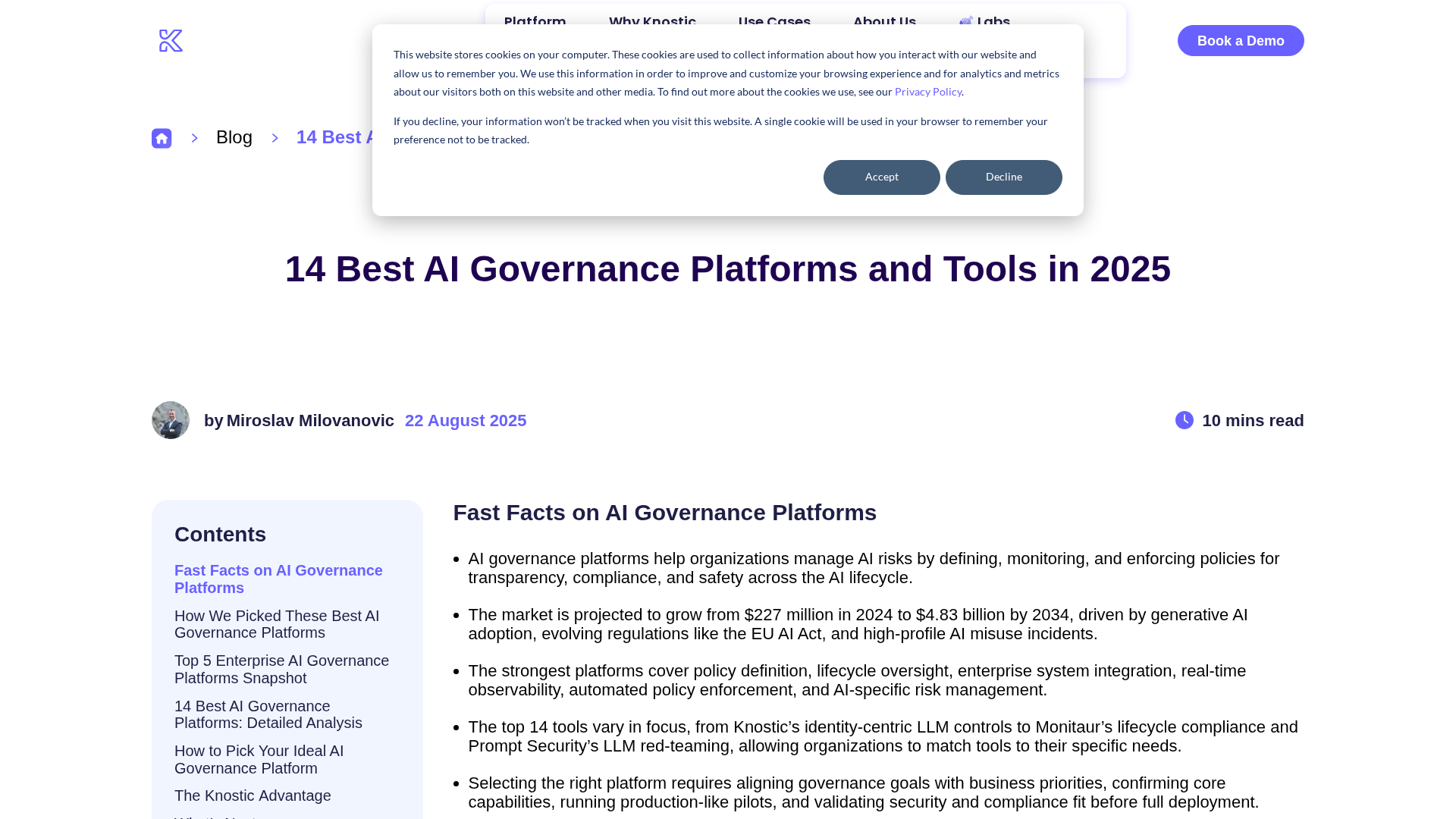
A vendor‑agnostic guide to the 14 best AI governance platforms in 2025, with criteria, comparisons, and practical buying guidance.
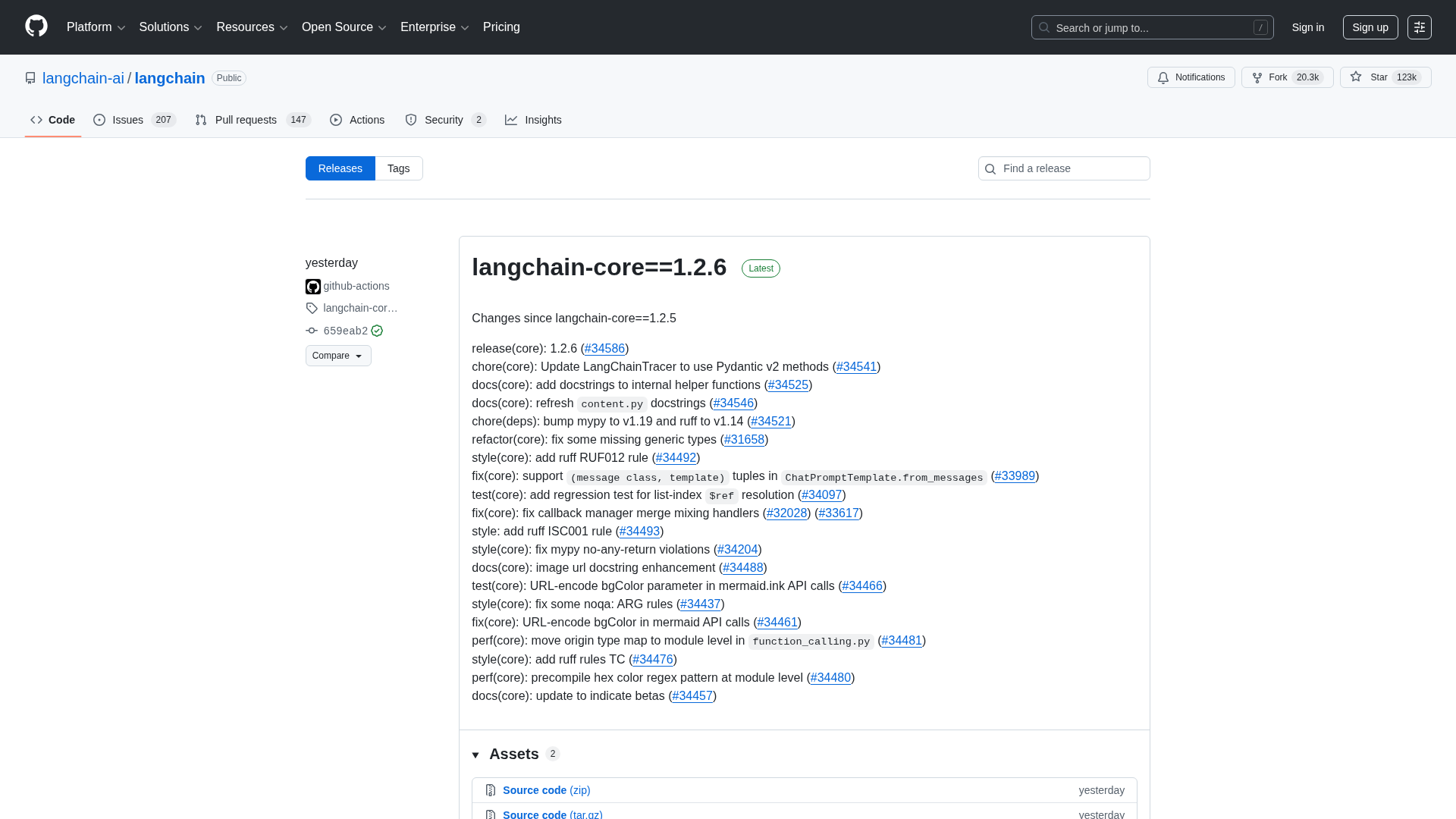
A comprehensive LangChain releases roundup detailing Core 1.2.6 and interconnected updates across XAI, OpenAI, Classic, and tests.

Cannot access the article content due to an access-denied error, preventing summarization.
Adobe nears a $19 billion deal to acquire Semrush, expanding its marketing software capabilities, according to WSJ reports.
Wolters Kluwer expands UpToDate Expert AI with UpToDate Lexidrug to bolster drug information and medication decision support.