Topic Overview
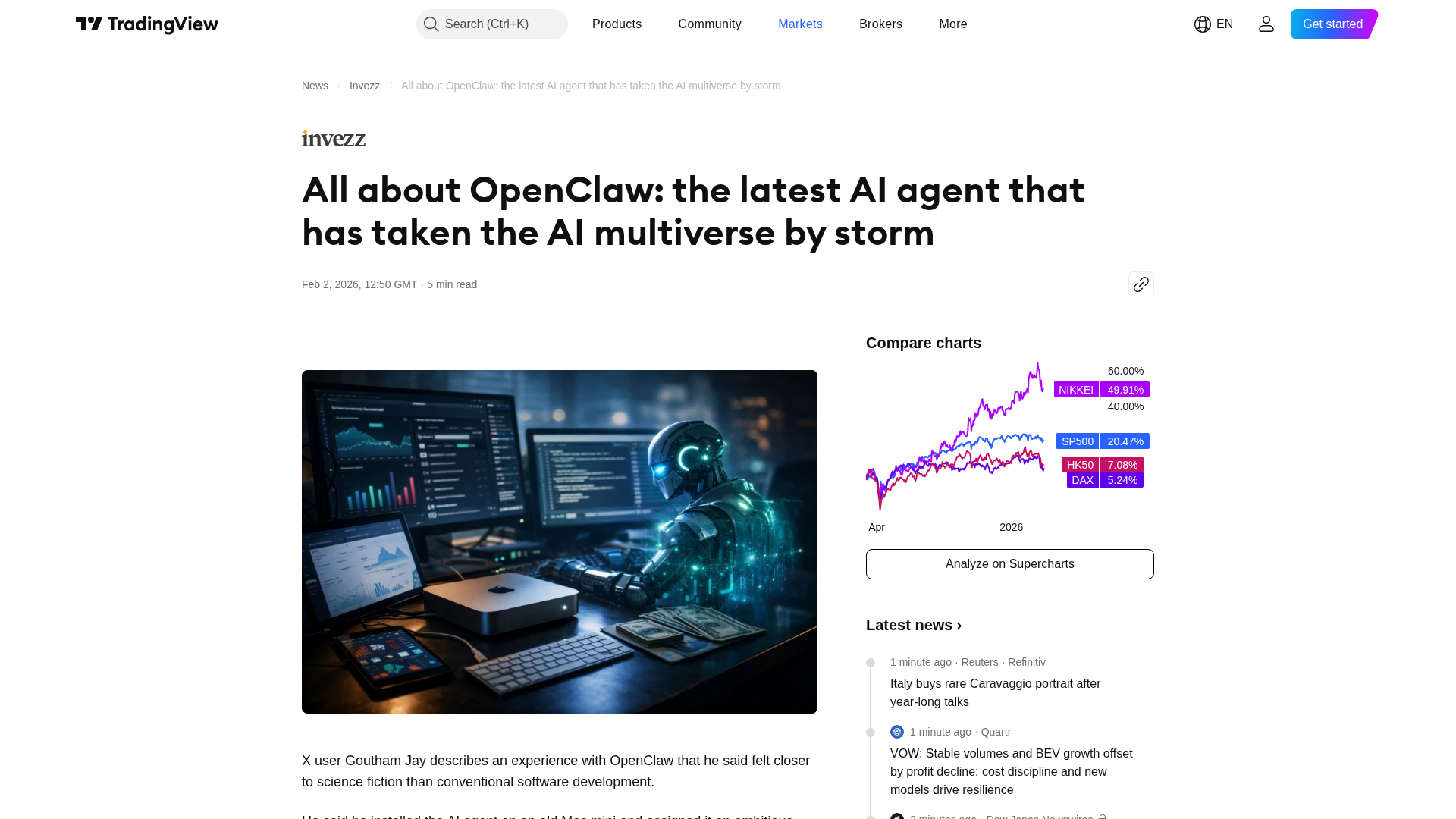
Agent hubs and trading agents for crypto bring together marketplaces, agent frameworks and deployment tools that let developers, traders and institutions create, distribute and operate autonomous trading strategies. Platforms such as Bitget’s Agent Hub and third‑party projects like OpenClaw typify two approaches: exchange‑linked marketplaces that integrate directly with exchange APIs and custody, and independent agent platforms that focus on flexible orchestration and framework support. This topic is timely as of 2026‑03‑10 because autonomous agents have moved from experimental scripts to production workflows, while regulatory scrutiny, capital efficiency pressures and the need for operational controls have risen in parallel. No‑code/low‑code builder platforms (Relevance AI, MindStudio) and in‑browser tools (AgentGPT, AutoGPT) accelerate prototyping and onboarding; developer‑focused toolchains (GPTConsole, Syth) provide SDKs, CLIs and observability for production agents. Specialized vendors such as Tektonic AI illustrate hybrid approaches that combine neural and symbolic reasoning for risk‑sensitive execution, and managed models like Crescendo.ai highlight human‑in‑the‑loop service patterns for high‑assurance use cases. Key considerations when comparing agent hubs and trading‑agent platforms include custody and API integration, backtesting and simulation fidelity, latency and execution risk, lifecycle management and memory, compliance and auditability, and monetization/discovery mechanisms in the marketplace. The ecosystem trend is toward multi‑agent orchestration, richer observability and enterprise controls—enabling reproducible strategies and safer rollouts. Evaluations should weigh an exchange’s operational integration and liquidity access against a framework’s flexibility, extendability and governance features to choose the right balance for algorithmic trading, arbitrage, market making and portfolio automation.
Tool Rankings – Top 6

Enterprise-grade no-code/low-code platform to build, deploy, and manage autonomous AI agents and workflows.
_logo%201.svg)
AI-native CX platform combining agentic AI with human experts in a managed service model (platform + per-resolution fees

Platform to build, deploy and run autonomous AI agents and automation workflows (self-hosted or cloud-hosted).

A browser-based platform to create and deploy autonomous AI agents with simple goals.

No-code/low-code visual platform to design, test, deploy, and operate AI agents rapidly, with enterprise controls and a

Developer-focused platform (SDK, API, CLI, web) to create, share and monetize production-ready AI agents.
Latest Articles (96)
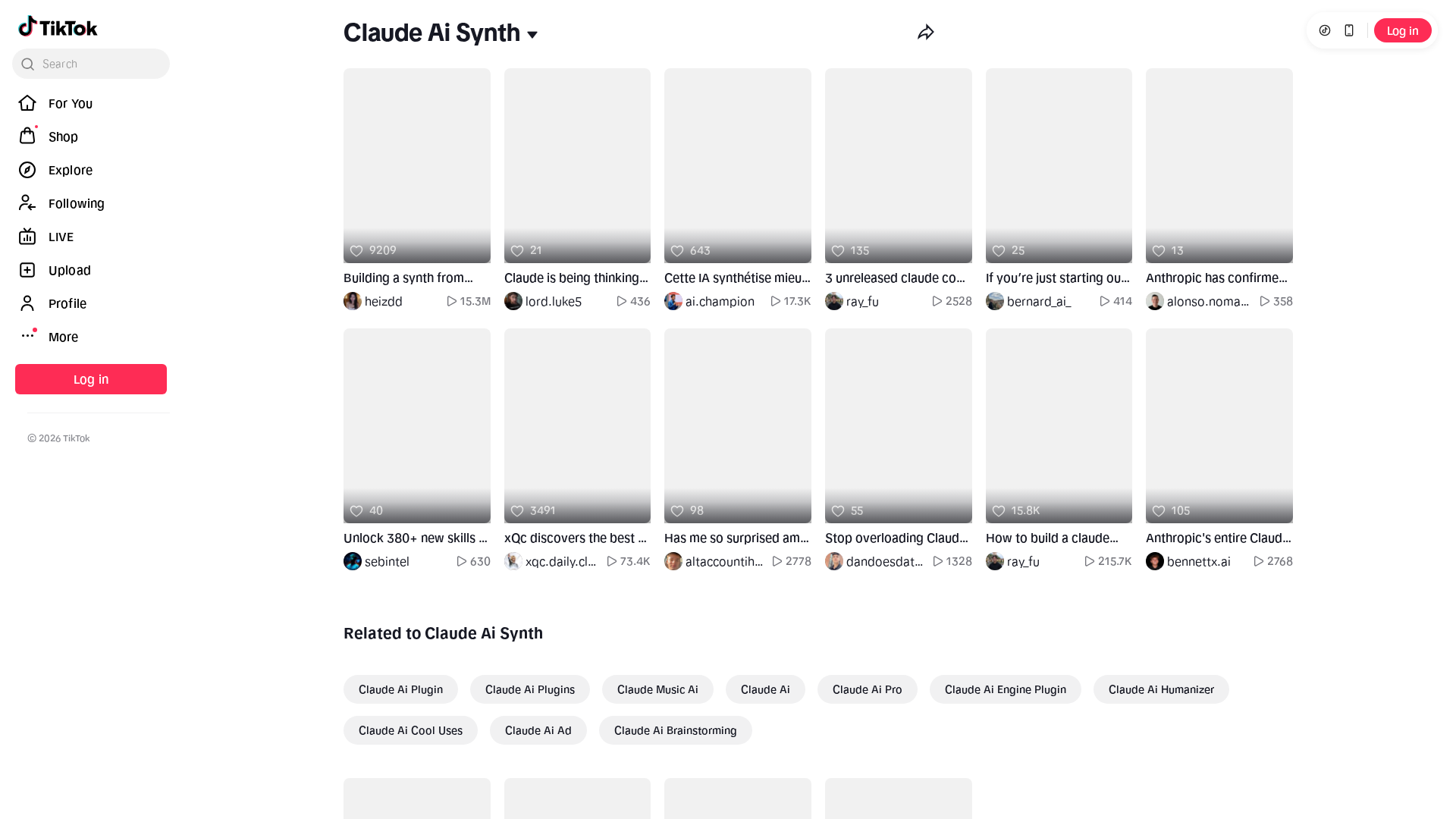
An analysis of Claude AI Synth on TikTok Discover and its impact on AI-powered short video.
Access to the article content is blocked by a JavaScript gate, preventing analysis.
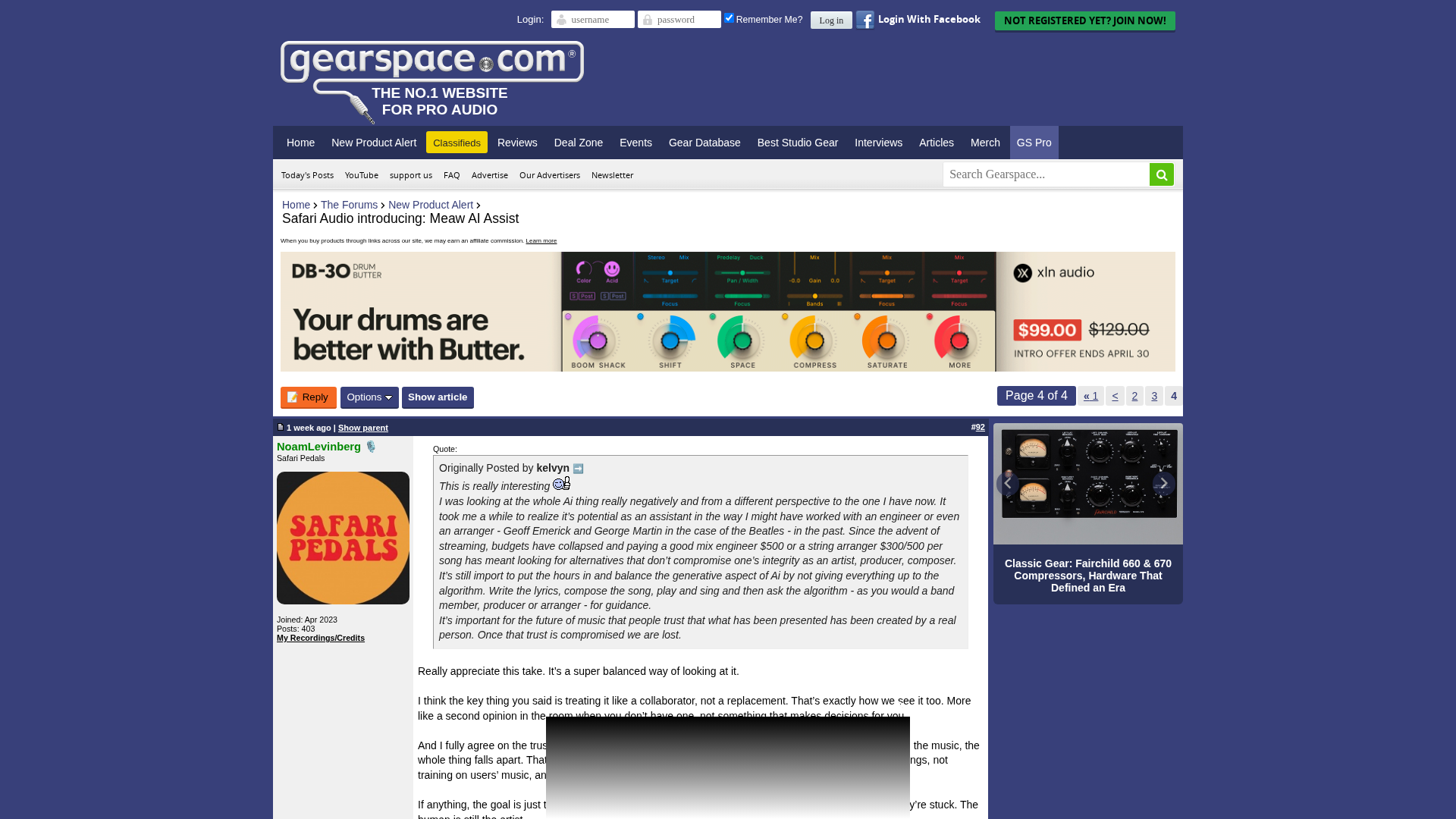
Safari Audio announces MeAW AI Assist 4, an AI-powered production assistant for audio workflows.
Article text is missing; share the content to enable an accurate analysis and preview.

No article content provided; unable to summarize specific points from the post.