Topic Overview
This topic examines how orchestration layers and payment integrations enable autonomous AI agents to perform real-world transactions, and compares three focal approaches: AgentCore (orchestration-focused platforms), Bedrock‑style agent payment primitives (payment features built for foundational LLM hosts), and general autonomous agent payment integrations (design patterns and connectors). Interest in agent payments has grown as organizations move agents from prototypes to production, raising requirements for governance, observability, security, and compliance. The comparison situates these payment capabilities against the landscape of agent frameworks and marketplaces. Enterprise platforms such as Kore.ai emphasize multi‑agent workflow orchestration, governance and observability for regulated deployments. Developer‑first frameworks like LangChain provide SDKs and runtime hooks that make it easier to attach payment APIs and monitoring. No‑code browser tools (AgentGPT) and developer platforms (GPTConsole) accelerate building and monetizing agents via templates, SDKs and event chaining. Productivity platforms such as Notion often act as integration surfaces where agents surface transactional workflows and records. Key considerations when comparing solutions include secure credential handling, authorization flows (user consent and KYC), transaction idempotency and reconciliation, observability across agent actions, and marketplace monetization hooks. Bedrock‑style primitives (payment SDKs integrated with foundational LLM hosts) lower integration friction for agents running on hosted LLM services, while AgentCore‑like orchestration systems centralize policy, routing and lifecycle controls. Autonomous agent payment integrations describe the patterns—API adapters, middleware for risk checks, audit trails and settlement connectors—that enable safe, auditable commerce by agents. By 2026, production adoption is driven less by raw capability and more by how platforms address governance, payment safety, and operational observability—making this comparison practical for teams choosing where to run, secure and monetize agent-driven transactions.
Tool Rankings – Top 5

Enterprise AI agent platform for building, deploying and orchestrating multi-agent workflows with governance, observabil

An open-source framework and platform to build, observe, and deploy reliable AI agents.

A browser-based platform to create and deploy autonomous AI agents with simple goals.

Developer-focused platform (SDK, API, CLI, web) to create, share and monetize production-ready AI agents.
A single, block-based AI-enabled workspace that combines docs, knowledge, databases, automation, and integrations to sup
Latest Articles (35)
A concise guide to the top 10 conversational AI platforms in 2024, with features, benefits, and use cases.
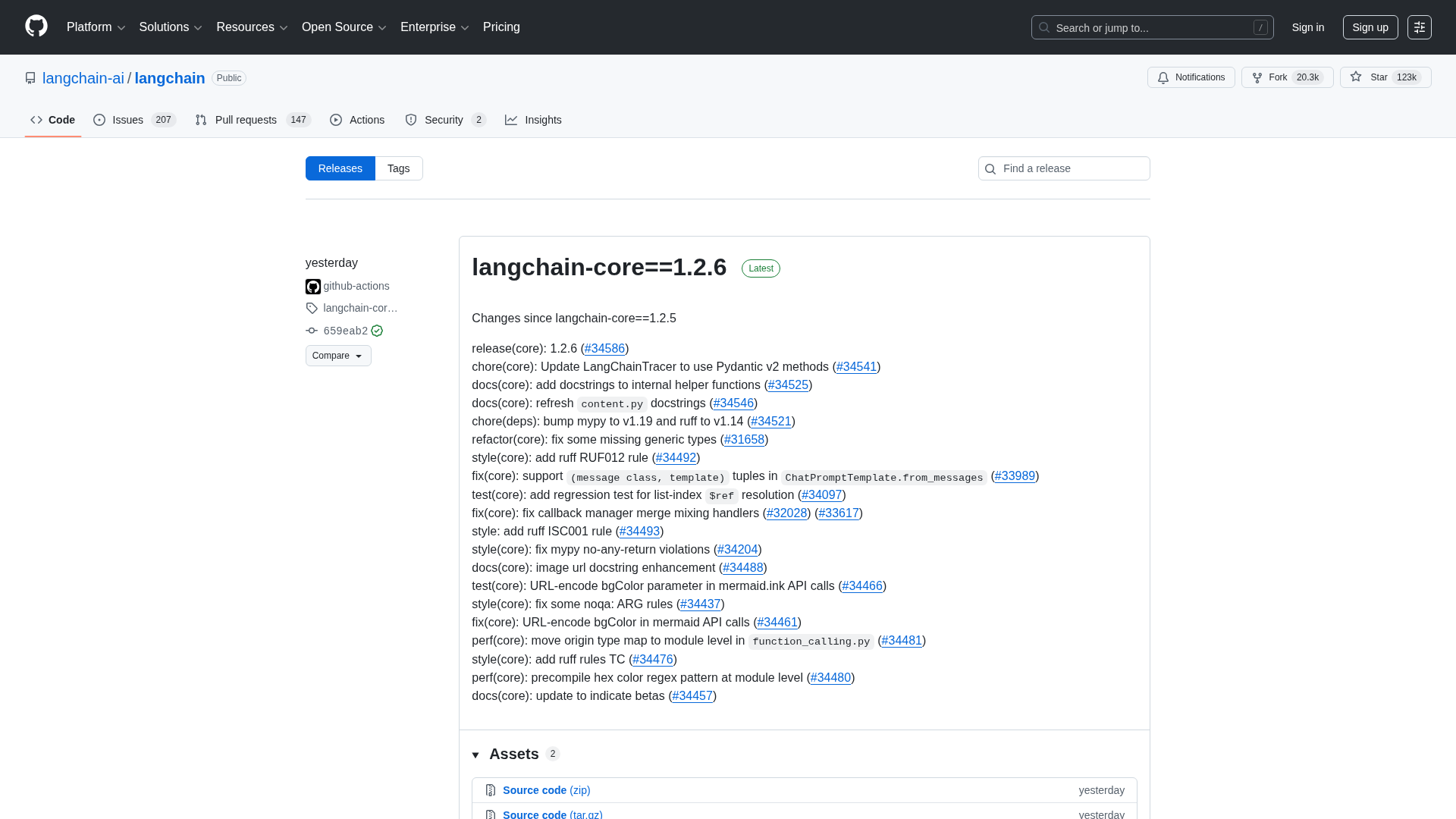
A comprehensive LangChain releases roundup detailing Core 1.2.6 and interconnected updates across XAI, OpenAI, Classic, and tests.
A reproducible bug where LangGraph with Gemini ignores tool results when a PDF is provided, even though the tool call succeeds.
A CLI tool to pull LangSmith traces and threads directly into your terminal for fast debugging and automation.
A practical guide to debugging deep agents with LangSmith using tracing, Polly AI analysis, and the LangSmith Fetch CLI.