Topic Overview
Agentic AI & autonomous QA platforms describe a new class of testing and automation tools that combine generative models, action-capable agents, and test automation to create, execute, and maintain real-world quality assurance at scale. Rather than only generating test code, these systems observe application interfaces, perform multistep workflows, produce end-to-end and visual tests, surface evidence (video, logs), and self-heal when UI or data changes break scenarios. The topic is timely in 2026 because software complexity and delivery cadence continue to increase, driving demand for continuous, low-friction QA that keeps pace with CI/CD. Key trends include agentic models that can act inside UIs (Adept/ACT-1 style), no-code/low-code agent builders for broader team adoption (StackAI, MindStudio), quality-first automation tied to the SDLC (Qodo/Codium), enterprise orchestration and governance for multi-agent workflows (Kore.ai), and domain-specific QA for contact centers and voice agents (Observe.AI). Bugster exemplifies the emergent QA-agent pattern by creating real-browser E2E and visual tests with self-healing and recorded evidence to reduce flakiness. Adoption considerations include integrating agents into existing pipelines, ensuring observability and auditability, managing model-driven errors (hallucinations), and applying governance for data and decision trails. For teams evaluating these platforms, important differentiators are interface-level action capability, test-maintenance automation, enterprise controls and observability, ease of authoring (no-code vs pro-code), and how well the platform ties automated tests back into development workflows. Together these capabilities represent a pragmatic shift from static test suites to continuously adaptive, agent-driven QA.
Tool Rankings – Top 6
Software testing agent
Agentic AI (ACT-1) that observes and acts inside software interfaces to automate multistep workflows for enterprises.

Enterprise AI agent platform for building, deploying and orchestrating multi-agent workflows with governance, observabil

Enterprise conversation-intelligence and GenAI platform for contact centers: voice agents, real-time assist, auto QA, &洞

End-to-end no-code/low-code enterprise platform for building, deploying, and governing AI agents that automate work onun

Quality-first AI coding platform for context-aware code review, test generation, and SDLC governance across multi-repo,팀
Latest Articles (62)
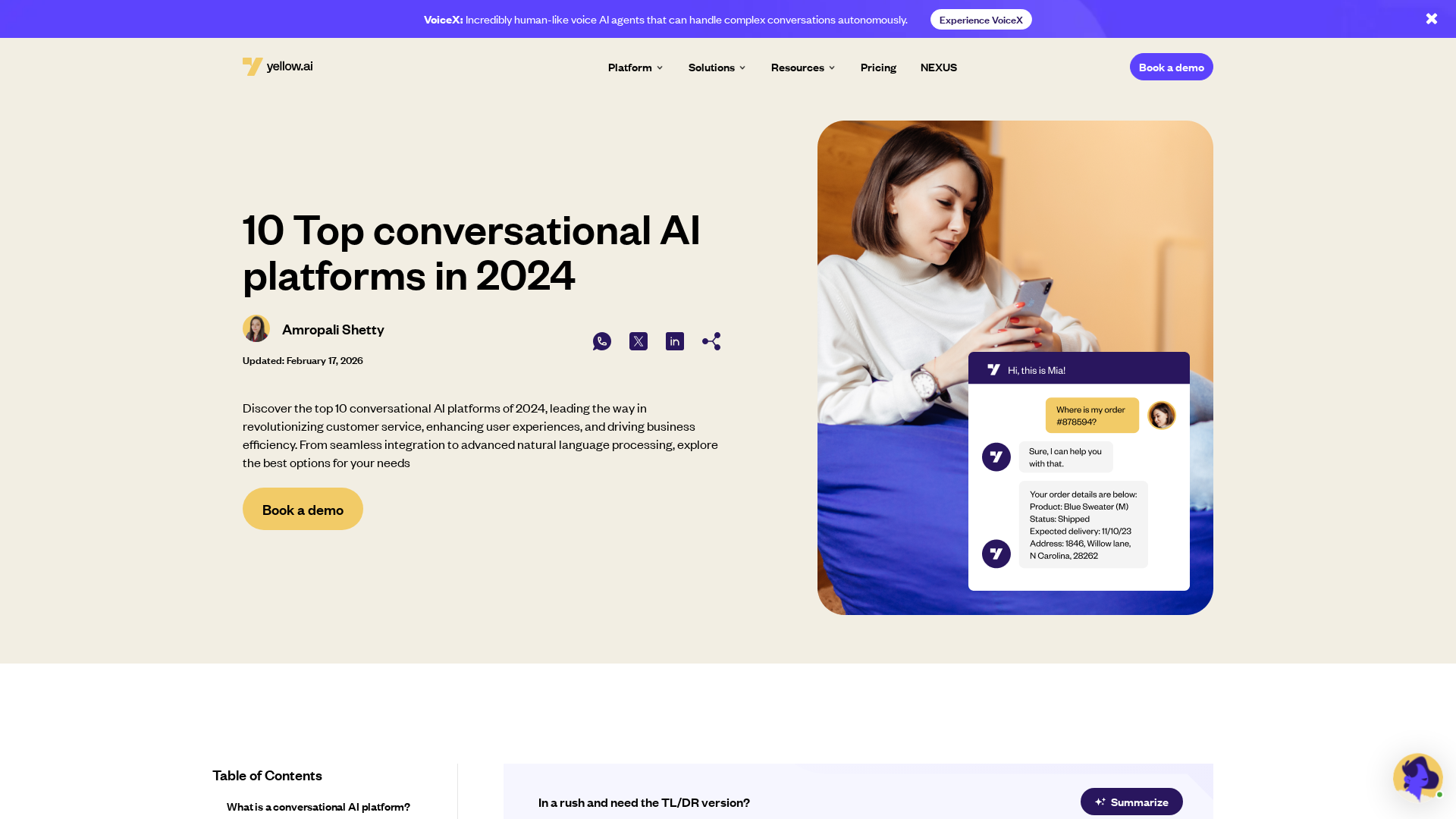
A concise guide to the top 10 conversational AI platforms in 2024, with features, benefits, and use cases.
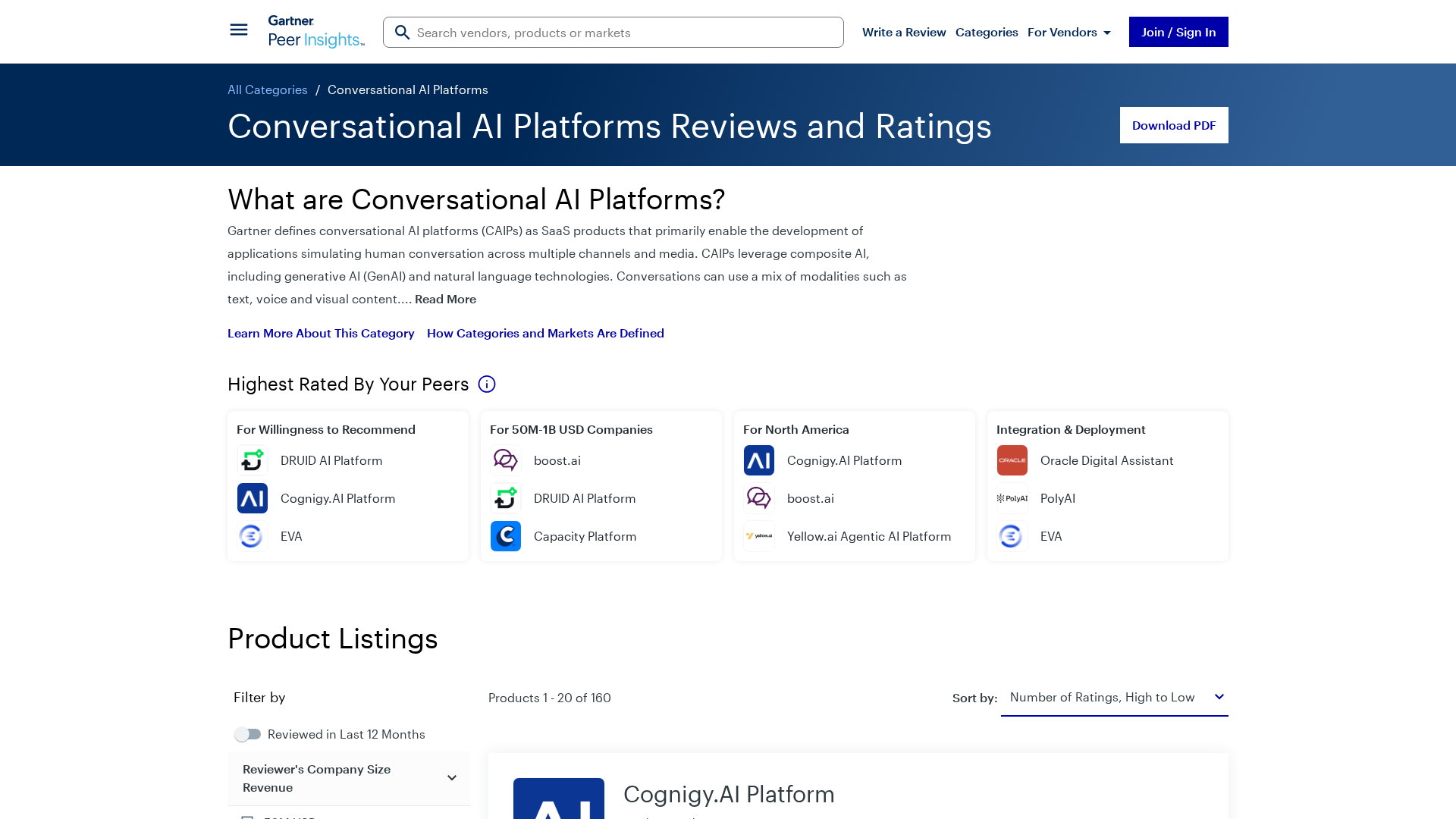
Gartner’s market view on conversational AI platforms, outlining trends, vendors, and buyer guidance.
Comprehensive release notes detailing new test-generation features, monorepo support, and CI/CD improvements across Bugster CLI.
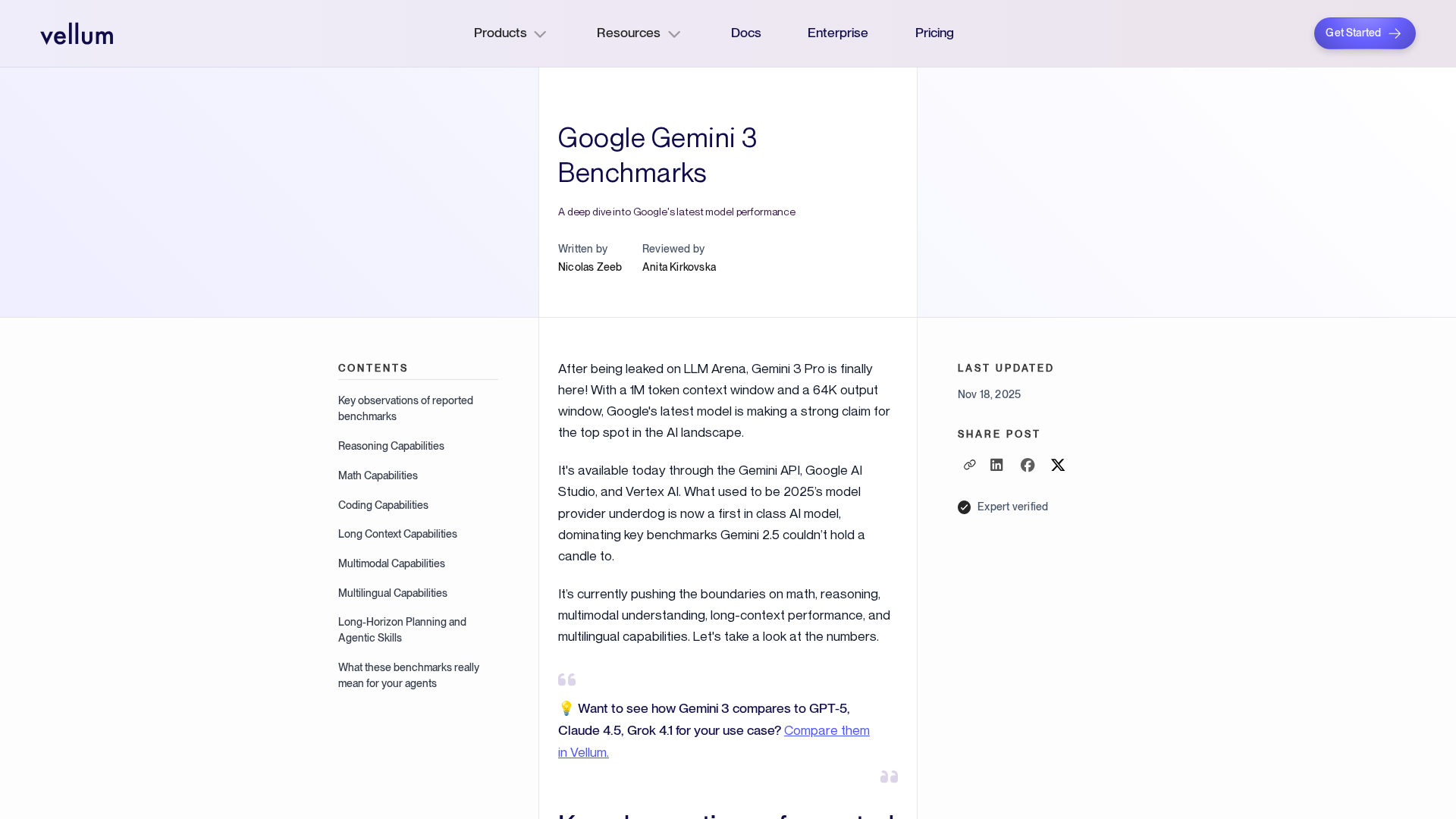
In-depth look at Gemini 3 Pro benchmarks across reasoning, math, multimodal, and agentic capabilities with implications for building AI agents.
A step-by-step guide to building an AI-powered Reliability Guardian that reviews code locally and in CI with Qodo Command.