Topic Overview
Agentic AI platforms bring autonomous, goal-directed software agents into enterprise workflows—handling tasks such as candidate screening and scheduling, payroll reconciliation, benefits administration, and multistep accounting fixes. By 2026 these platforms combine several patterns: low-code/no-code builders for business users, developer-focused agent frameworks for custom orchestration, UI-action models that interact with existing apps, and marketplaces or managed services that supply prebuilt agents and human-in-the-loop escalation. Key offerings illustrate that mix: IBM watsonx Assistant emphasizes enterprise virtual agents and multi-agent orchestrations with both no-code and developer paths; Yellow.ai focuses on customer and employee experience automation across chat/voice channels; StackAI targets end-to-end no-code/low-code construction, deployment and governance of AI agents; Adept provides agentic models (e.g., ACT-1) that observe and act inside software interfaces to automate multistep workflows; Crescendo.ai pairs agentic automation with managed human experts and outcome-based pricing. This topic is timely because organizations face pressure to reduce repetitive labor costs, accelerate time-to-hire, and improve accuracy in accounting while navigating stronger compliance and audit requirements. Agentic platforms address these needs by enabling orchestration across systems, offering governance and observability controls, and supporting human escalation where liability or complexity requires it. Practical considerations for enterprise adopters include integration with HRIS/ERP systems, data privacy and audit trails, change management for employee-facing automation, and clear fallback policies. Evaluations should weigh speed of deployment, low-code vs. developer flexibility, UI-action reliability, and the availability of managed services or marketplaces for domain-specific agents.
Tool Rankings – Top 5

Enterprise virtual agents and AI assistants built with watsonx LLMs for no-code and developer-driven automation.

Enterprise agentic AI platform for CX and EX automation, building autonomous, human-like agents across channels.
End-to-end no-code/low-code enterprise platform for building, deploying, and governing AI agents that automate work onun
Agentic AI (ACT-1) that observes and acts inside software interfaces to automate multistep workflows for enterprises.
_logo%201.svg)
AI-native CX platform combining agentic AI with human experts in a managed service model (platform + per-resolution fees
Latest Articles (74)
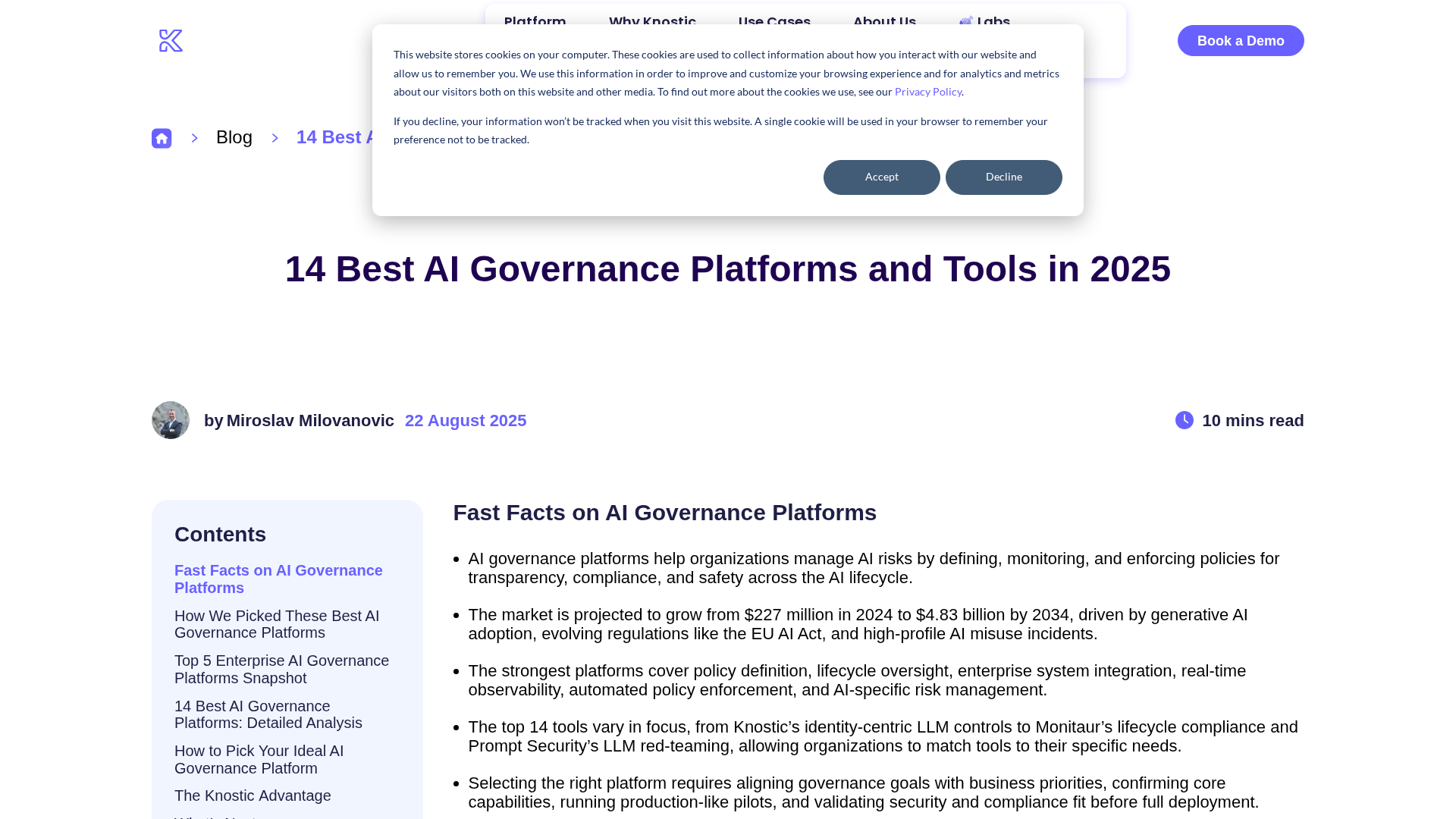
A vendor‑agnostic guide to the 14 best AI governance platforms in 2025, with criteria, comparisons, and practical buying guidance.

Adobe nears a $19 billion deal to acquire Semrush, expanding its marketing software capabilities, according to WSJ reports.
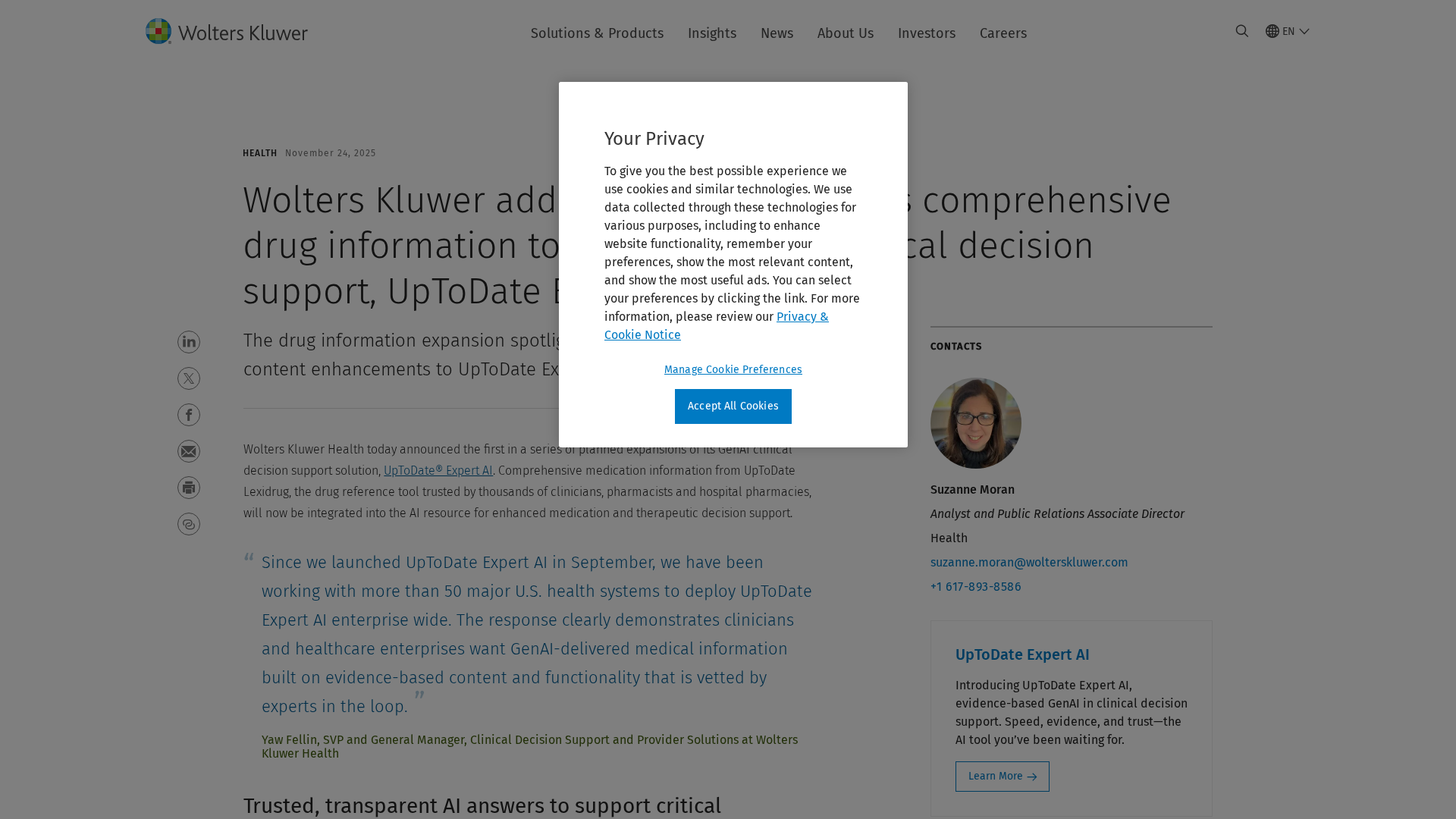
Wolters Kluwer expands UpToDate Expert AI with UpToDate Lexidrug to bolster drug information and medication decision support.

Humain teams with XAI to develop next-generation AI compute power, aiming to accelerate AI workloads.
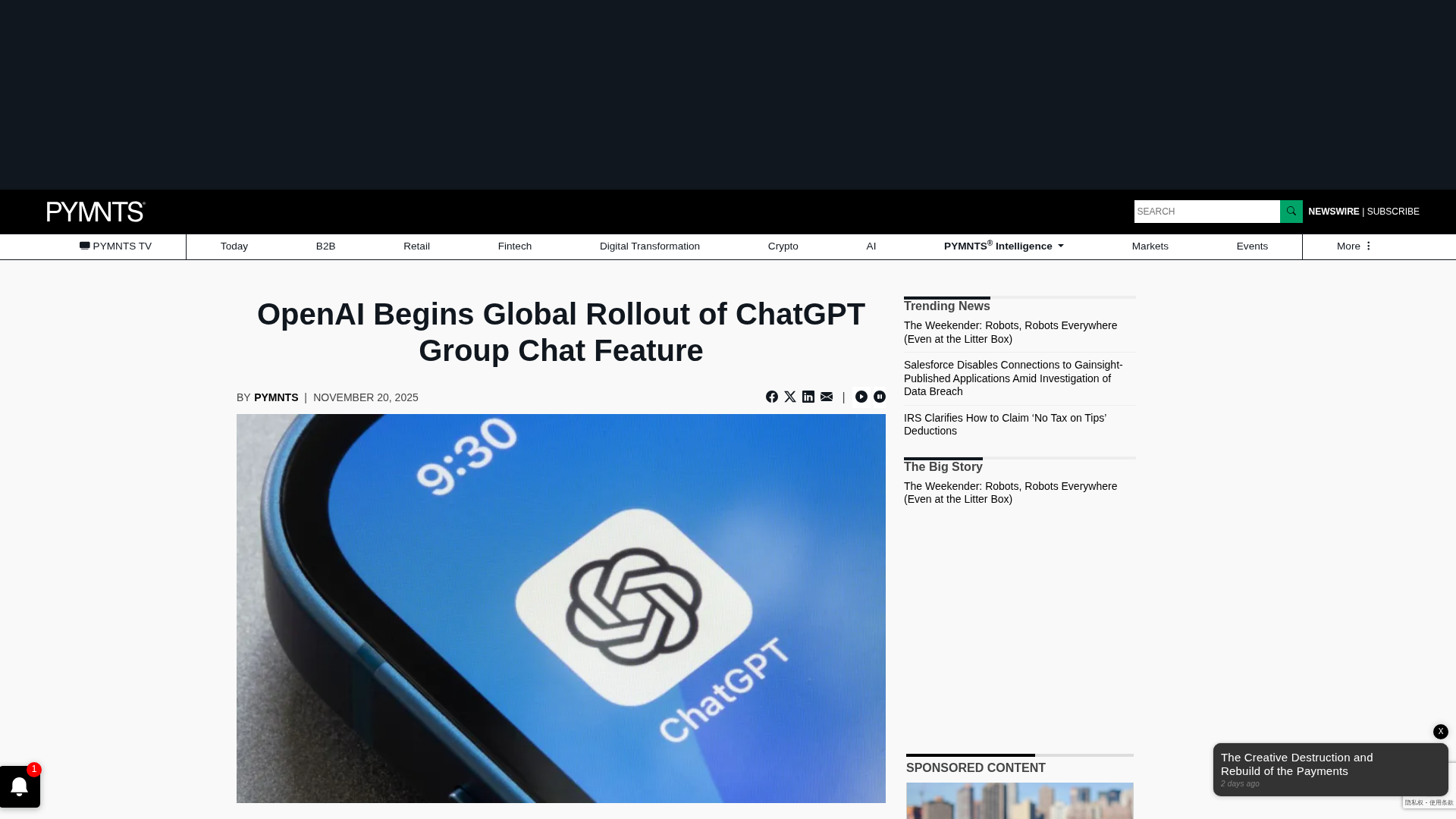
OpenAI expands ChatGPT group chats globally, enabling collaboration with up to 20 participants powered by GPT-5.1.