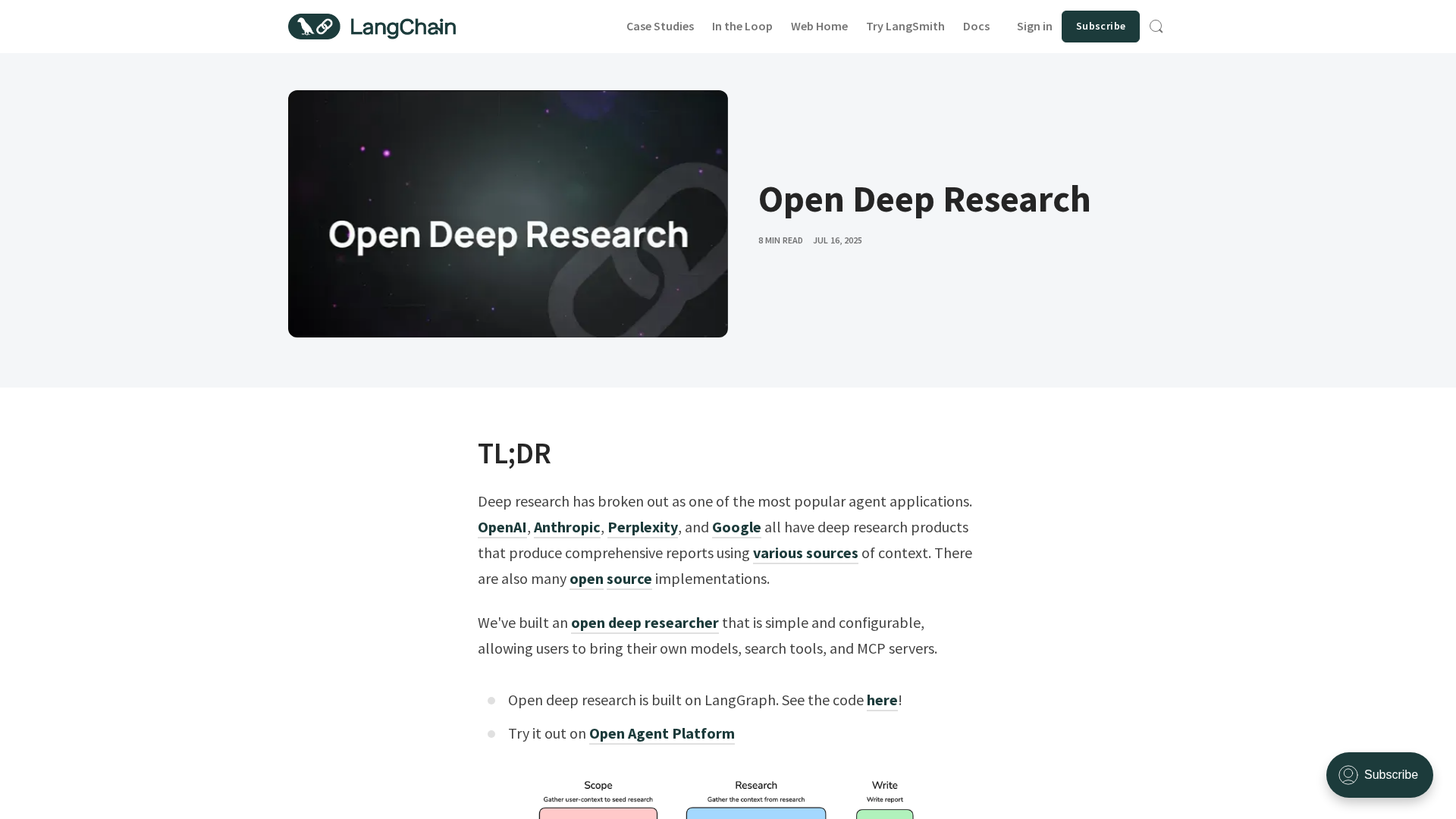
Topic Overview
This topic examines the practical landscape for building, deploying, and operating AI agents in 2025: from provider-level agent APIs (e.g., Google’s Deep Research Agent Interactions API and the agent/tooling ecosystems from OpenAI and Anthropic) to the open-source and commercial frameworks developers use to compose, test, and ship agentic applications. It’s timely because agent architectures have moved from experimental demos to production concerns—retrieval-augmented workflows, stateful orchestration, tool invocation, safety/guardrails, and observability are now central to engineering teams. Key tooling spans several layers: engineering frameworks (LangChain for agent orchestration and LangGraph state management; LlamaIndex for building document agents and RAG pipelines; AutoGPT and AgentGPT for autonomous agent prototypes), developer environments (Warp, Windsurf, JetBrains AI Assistant, Replit) and coding agents (Blackbox.ai, Tabby, Cline, Aider) that keep developer workflows in‑context. Infrastructure and governance pieces include Pezzo and OpenPipe for prompt/version control and data collection, RagaAI for testing and observability, and enterprise-focused platforms like Tabnine and Qodo for governance and quality enforcement. Model- and inference-focused projects (StarCoder, Salesforce CodeT5, Stable Code, Rebellions.ai) enable on-prem/self-hosted and edge deployments. Practical trade-offs center on integration model (provider-hosted agent APIs vs modular open-source stacks), observability and testing, governance and data residency, and cost/performance of multi-model or retrieval-heavy agents. Marketplaces and platforms (Agentverse, AgentGPT, Agent marketplaces) are emerging for discovery and reuse. For engineering teams, the choice increasingly depends on operational controls (privacy, monitoring, guardrails) and the maturity of orchestration and tool-invocation patterns rather than pure model quality.
Tool Rankings – Top 6

Engineering platform and open-source frameworks to build, test, and deploy reliable AI agents.

Developer-focused platform to build AI document agents, orchestrate workflows, and scale RAG across enterprises.

Platform to build, deploy and run autonomous AI agents and automation workflows (self-hosted or cloud-hosted).

Agentic Development Environment (ADE) — a modern terminal + IDE with built-in AI agents to accelerate developer flows.

AI-native IDE and agentic coding platform (Windsurf Editor) with Cascade agents, live previews, and multi-model support.
Open-source, client-side AI coding agent that plans, executes and audits multi-step coding tasks.
Latest Articles (202)
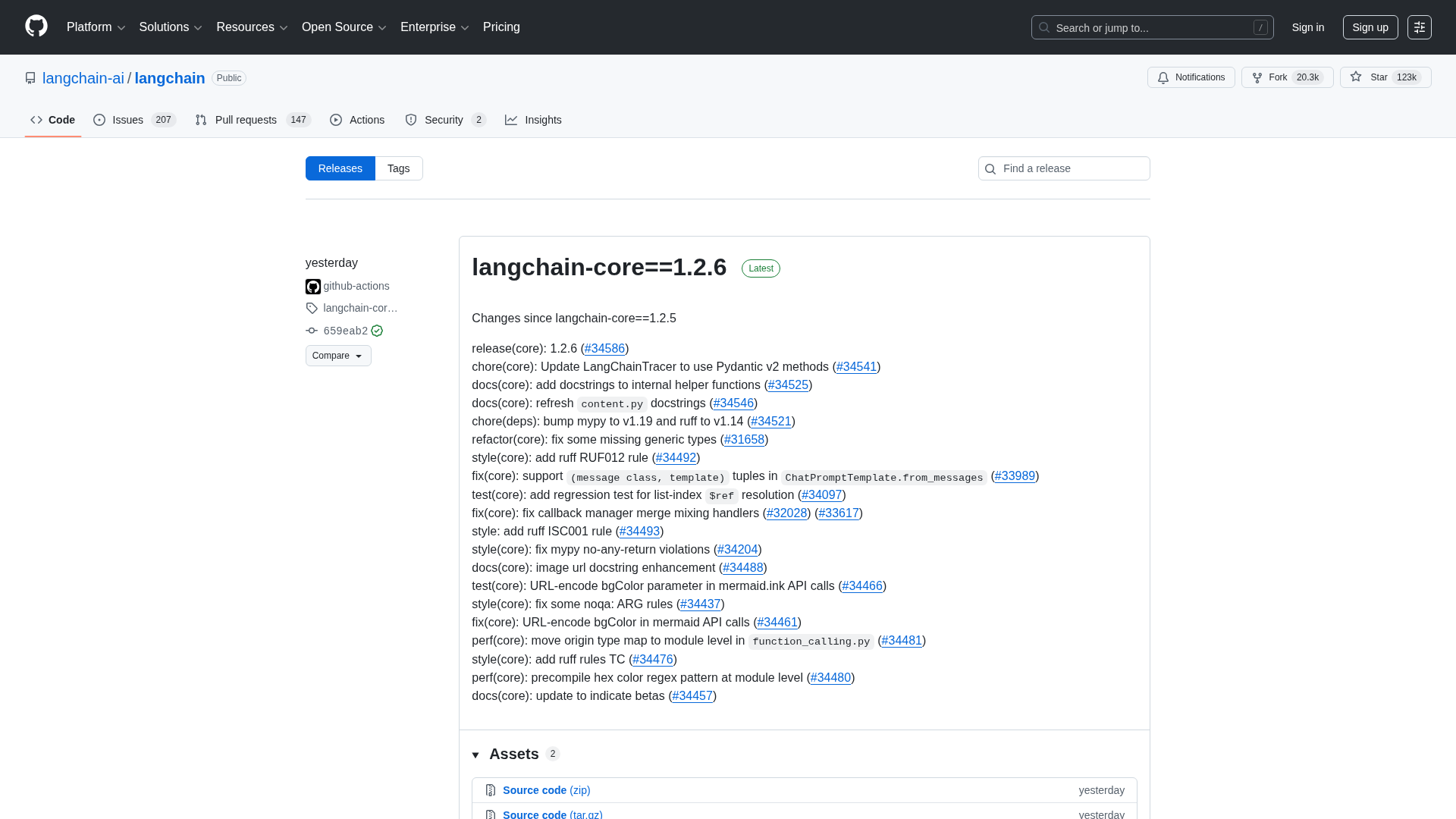
A comprehensive LangChain releases roundup detailing Core 1.2.6 and interconnected updates across XAI, OpenAI, Classic, and tests.
Content missing from the provided source; please supply the article text for full analysis.
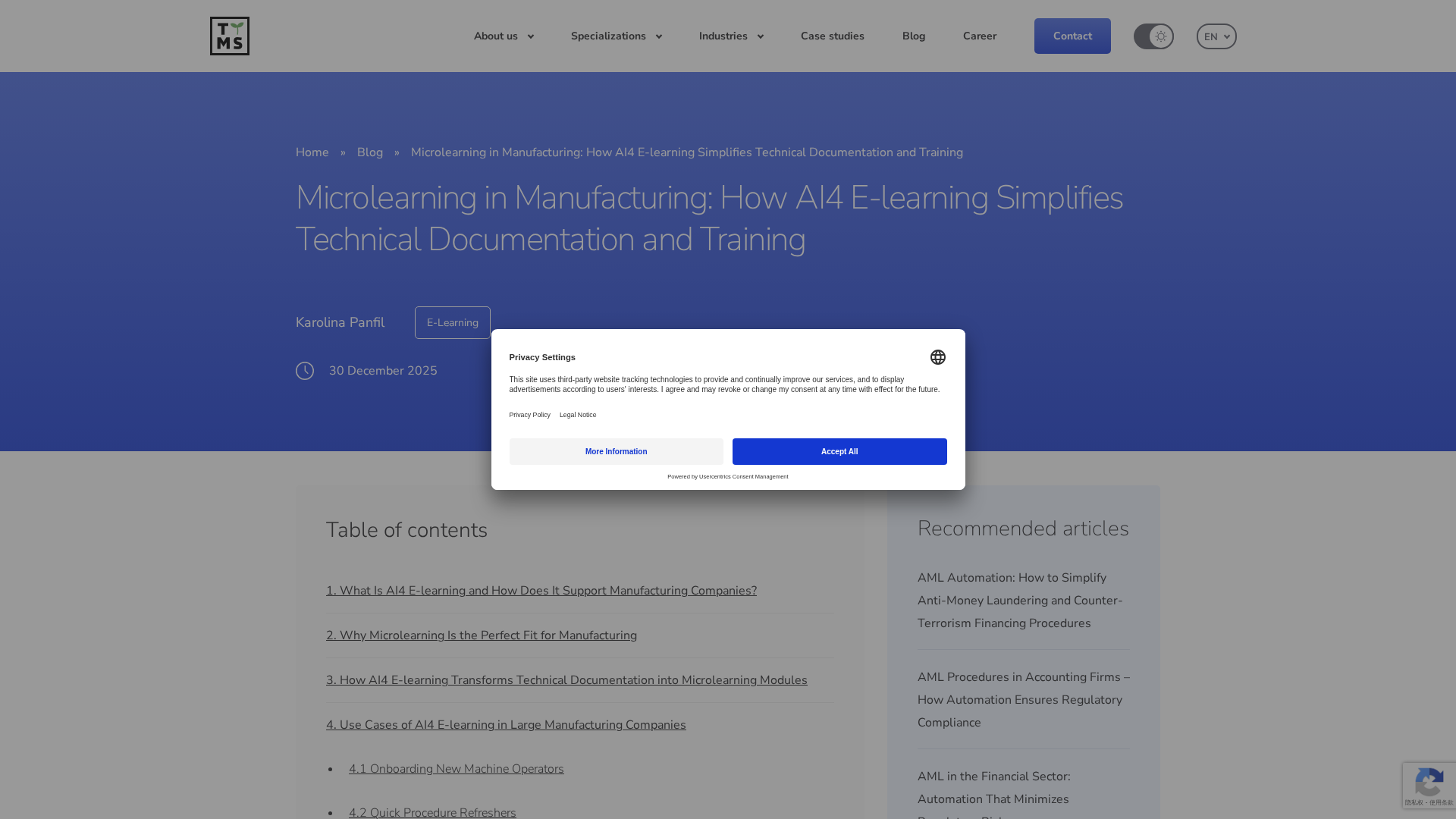
TTMS shows how AI4 E-learning turns complex manufacturing docs into fast, on-the-job microlearning with governance and ROI guidance.
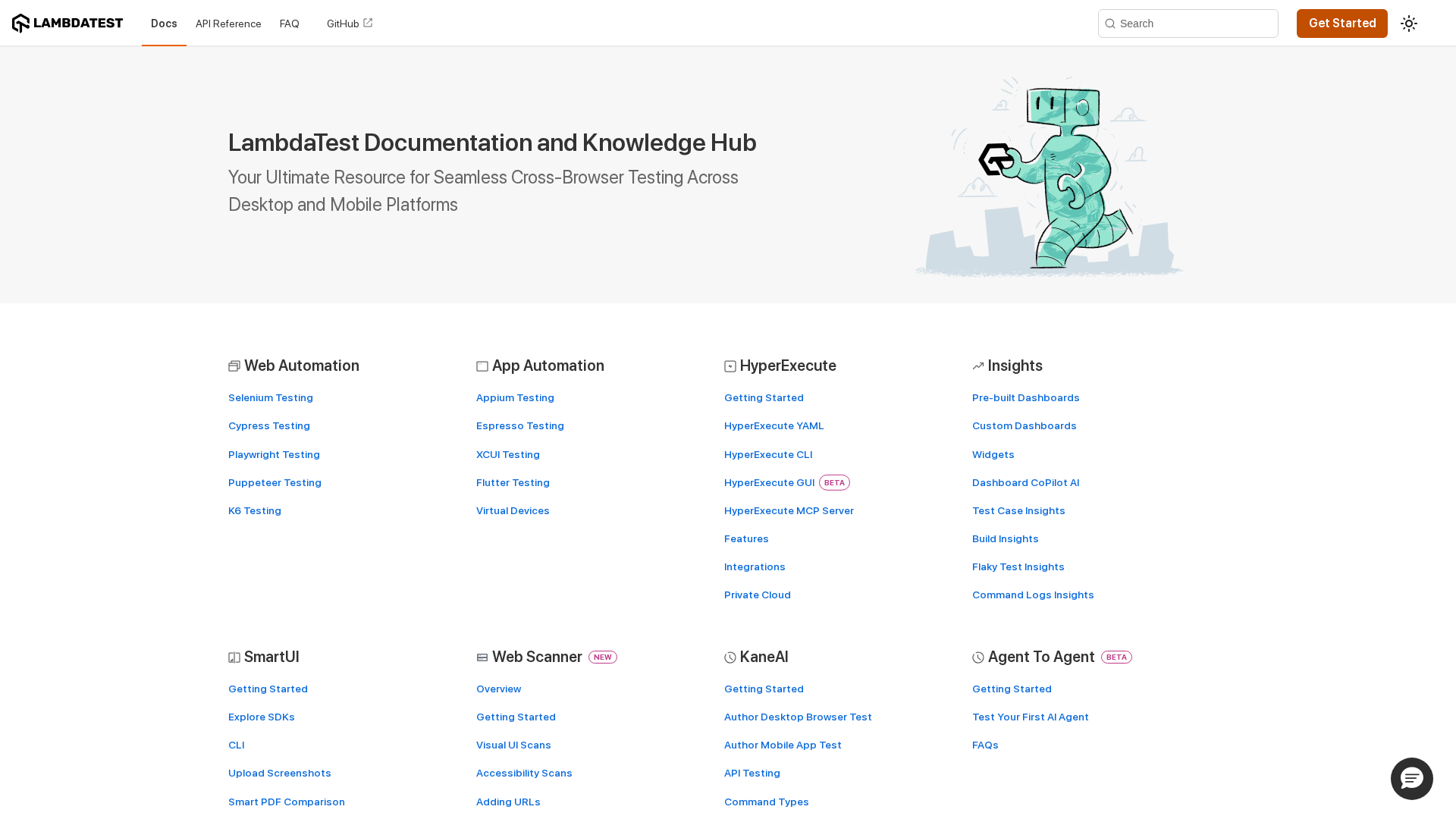
A centralized LambdaTest docs hub for cross-browser testing, automation, and AI-powered insights.
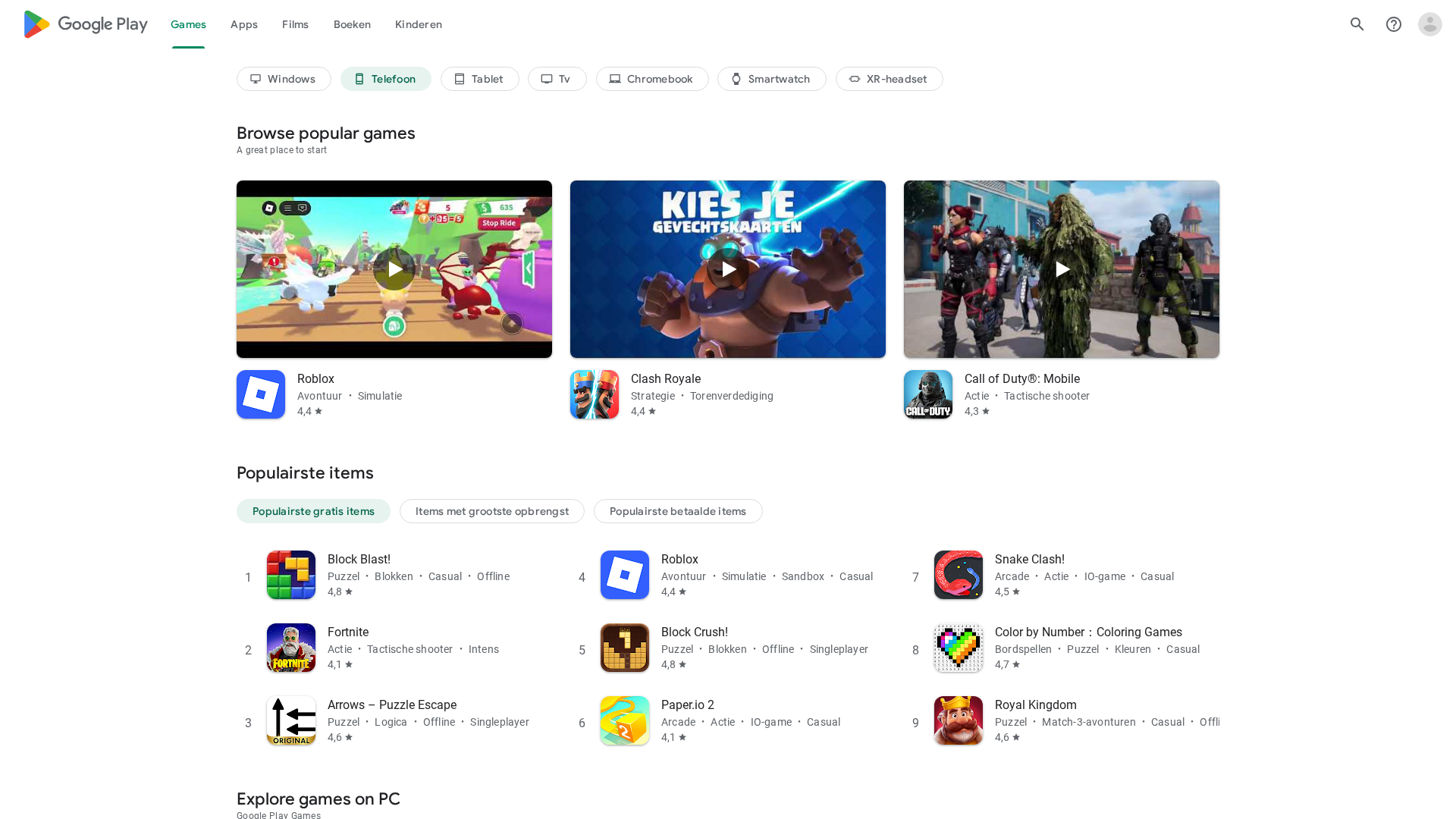
Een overzicht van de Nederlandse Google Play landingspagina voor Android-spellen met populaire titels en redactionele keuzes.