Topic Overview
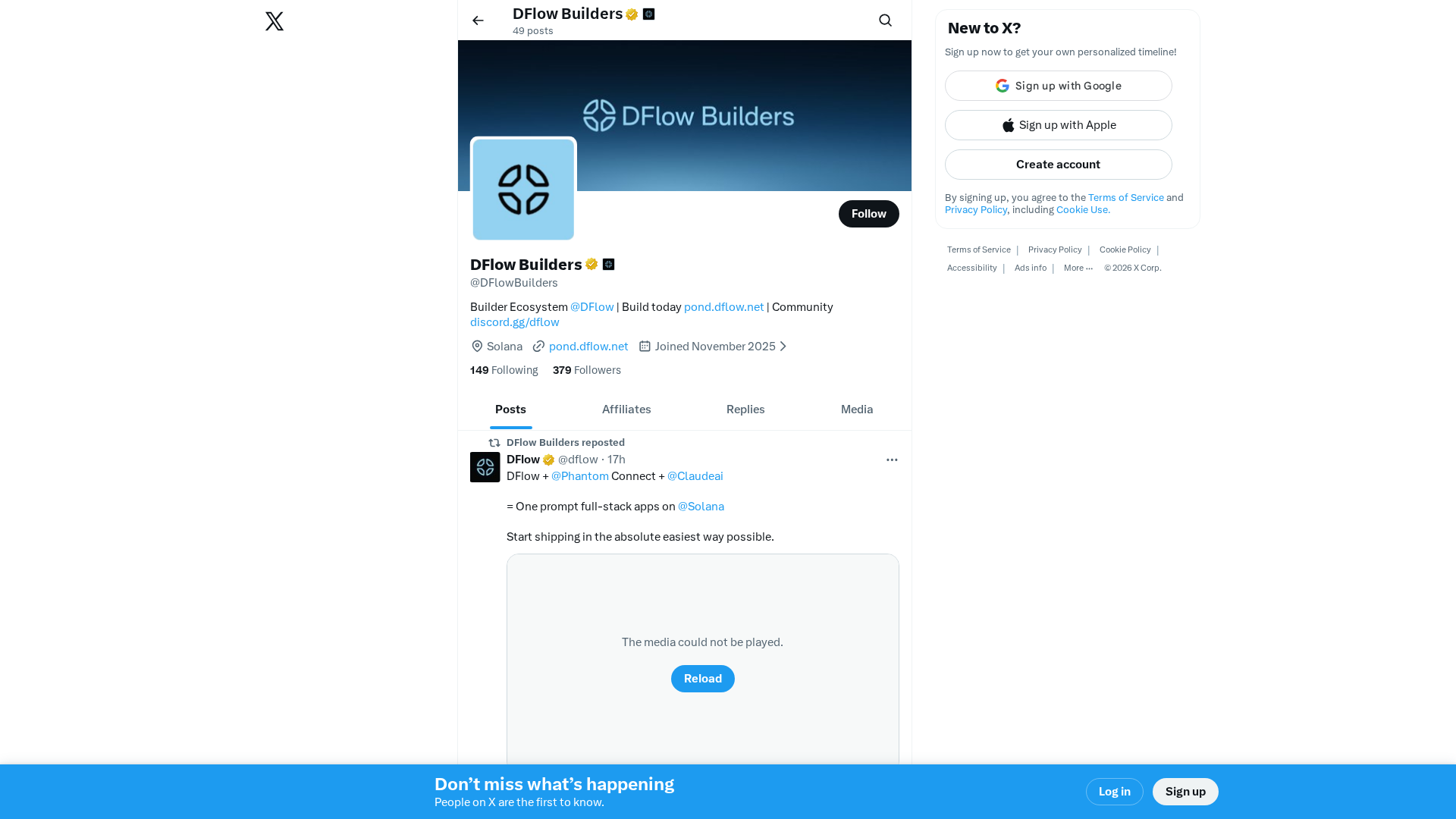
This topic covers the emerging stack and ecosystem for using AI agents to design, generate, test and operate full‑stack Solana dApps. Concretely it looks at how agent skills (for example Claude’s code‑oriented skillset), wallet integrations (Phantom), and on‑chain workflow tools (DFlow and similar orchestrators) combine with agent frameworks, marketplaces and code models to accelerate dApp development. Why it matters in early 2026: developers are increasingly composing multi‑step agent workflows that must produce runnable smart contract code, client UI, transaction sequences and wallet prompts while preserving security, state and developer control. That convergence makes agent frameworks (LangChain) and agent platforms (GPTConsole, Replit Agents) important for orchestration, lifecycle management and hosting. At the same time, code generation stacks range from enterprise assistants with governance (Tabnine) to open models optimized for code (Code Llama, StarCoder, Stable Code, CodeGeeX), enabling local or cloud workflows depending on privacy and latency needs. Key components and roles: agent frameworks (LangChain) provide state, chaining and tool integration; developer platforms (Replit, GPTConsole) supply IDE, hosting and deployment paths for agentic apps; AI code assistants and models (Tabnine, Code Llama, StarCoder, Stable Code, CodeGeeX) generate and review contract and client code; Phantom is the primary UX/signing integration for end‑user transactions; DFlow and similar workflow tools map multi‑transaction flows and user prompts to on‑chain actions. Practical trade‑offs include model selection (quality vs privacy), agent observability and testing, secure key/signing flows with Phantom, and orchestration reliability. This topic helps teams compare frameworks and tools to build production Solana dApps with agentic assistance while minimizing security and operational risk.
Tool Rankings – Top 6
Smart Marketing, Automated

Engineering platform and open-source frameworks to build, test, and deploy reliable AI agents.

AI-powered online IDE and platform to build, host, and ship apps quickly.

Enterprise-focused AI coding assistant emphasizing private/self-hosted deployments, governance, and context-aware code.

Developer-focused platform (SDK, API, CLI, web) to create, share and monetize production-ready AI agents.
AI-based coding assistant for code generation and completion (open-source model and VS Code extension).
Latest Articles (45)
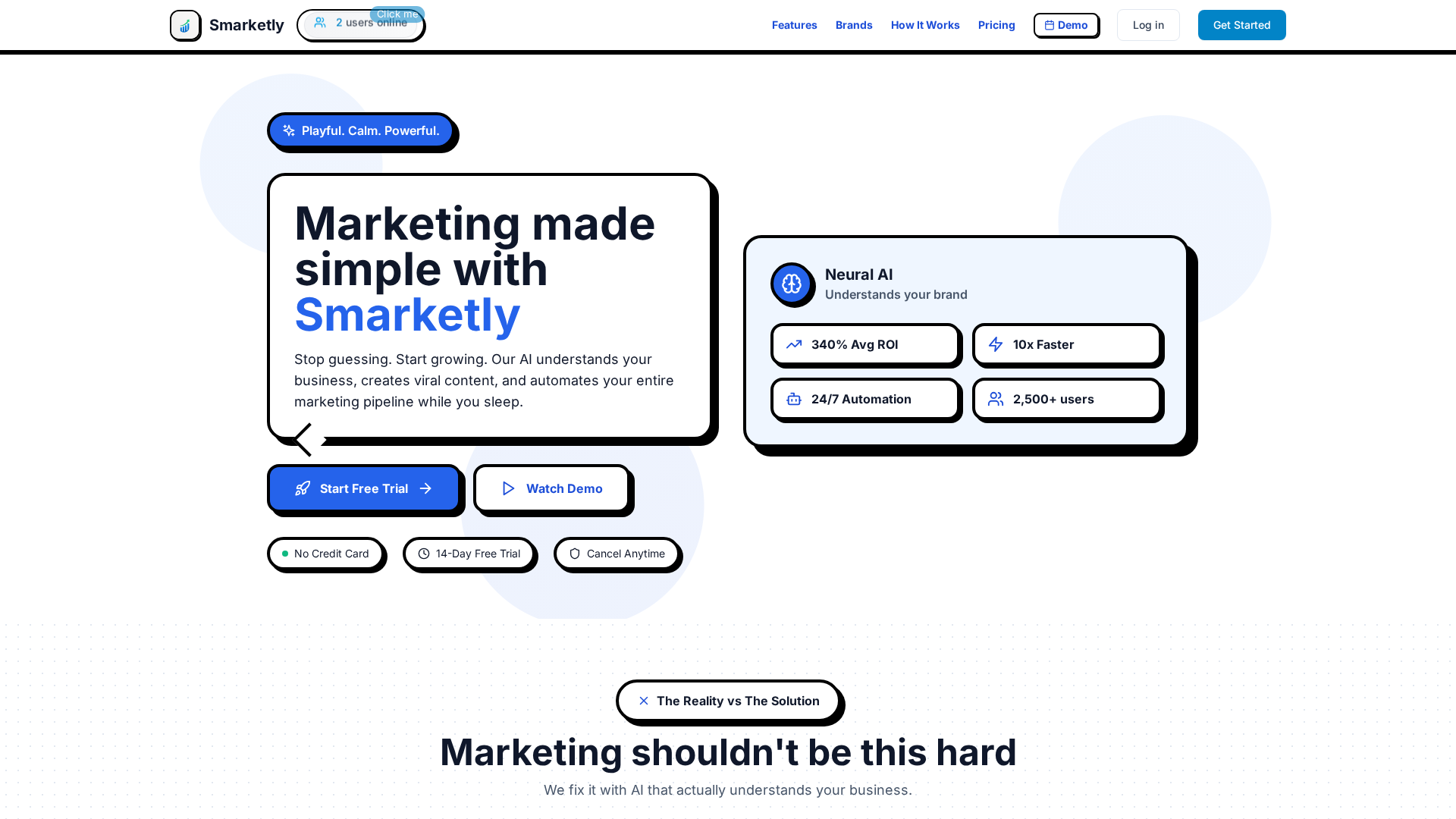
AI-powered marketing automation for startups to drive growth and measurable ROI.
Content is not provided in the prompt, preventing an actual analysis of the article.
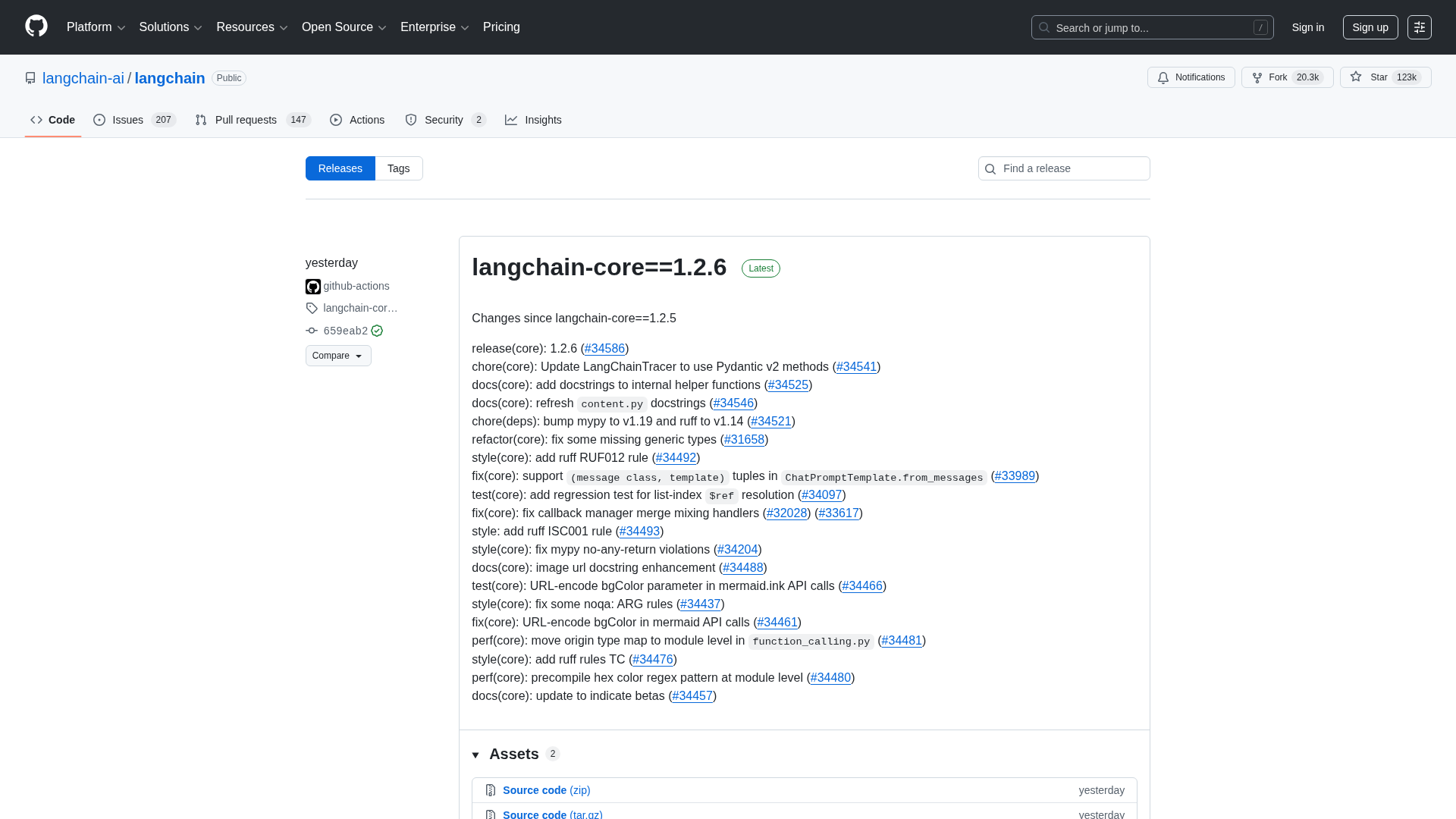
A comprehensive LangChain releases roundup detailing Core 1.2.6 and interconnected updates across XAI, OpenAI, Classic, and tests.

Cannot access the article content due to an access-denied error, preventing summarization.
A quick preview of POE-POE's pros and cons as seen in G2 reviews.