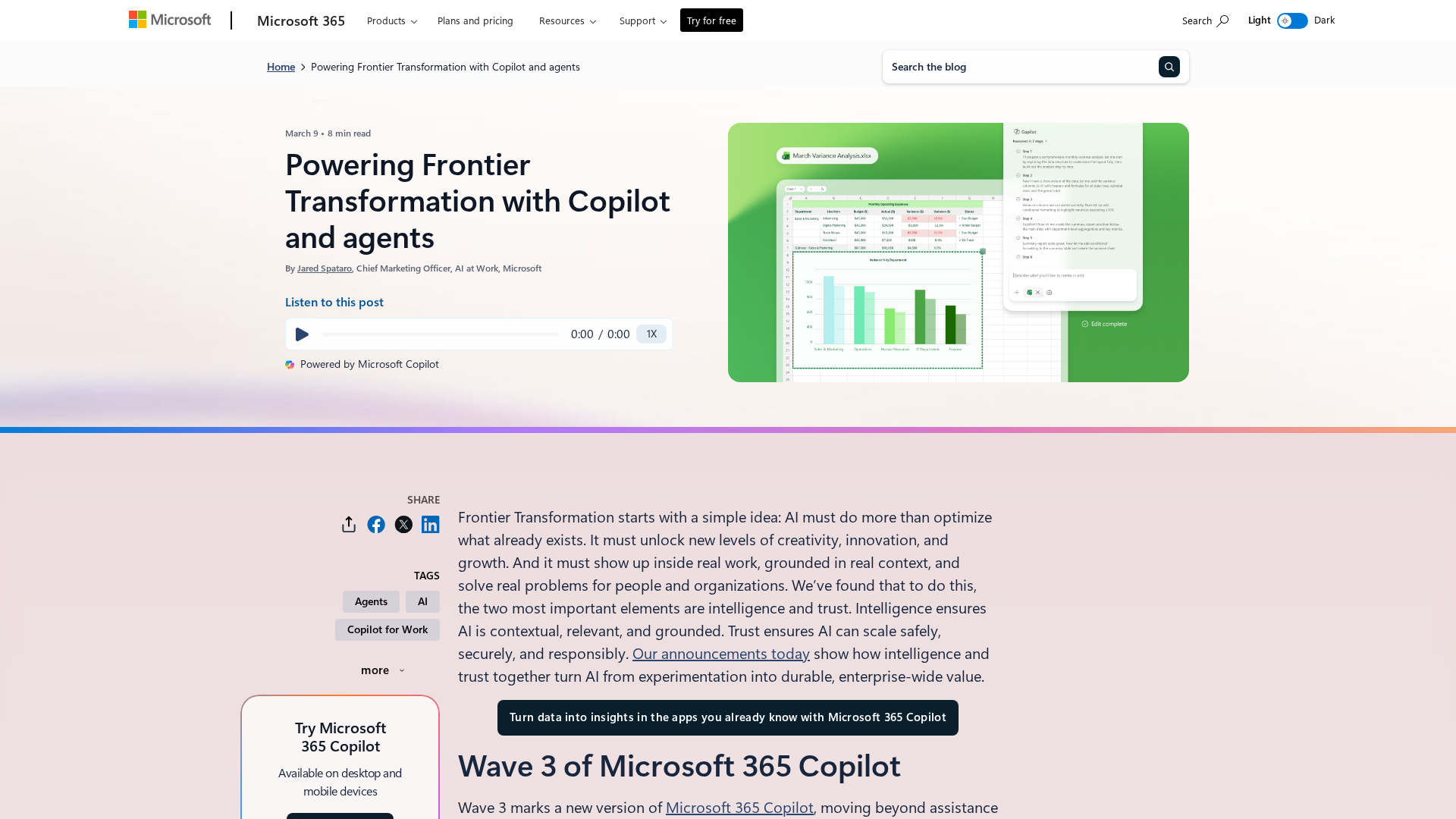
Topic Overview
This topic examines modern AI agent platforms that bridge web and desktop experiences—Microsoft’s agent investments, Amazon Bedrock’s agent tooling, and competing frameworks and marketplaces. The focus is on platforms and libraries that enable multi‑agent orchestration, stateful workflows, observability, governance, and both developer‑ and no‑code deployment models. Relevance in 2026: enterprises and developers increasingly embed agentic assistants into productivity apps, IDEs, and web apps, creating demand for cross‑surface integrations (browser, desktop, cloud) plus policy controls, auditability, and model selection. At the same time, model heterogeneity (cloud foundation models, self‑hosted models) and rising expectations for memory, tool use, and lifecycle management make agent platforms foundational infrastructure. Key players and roles: Microsoft’s agent stack ties agent primitives to Windows/Office ecosystems and Azure services; Amazon Bedrock provides managed model access and agent orchestration for AWS workloads. LangChain and similar engineering frameworks offer open, stateful primitives and testing tooling for building reliable agents. Kore.ai targets enterprise multi‑agent orchestration with governance and observability. GPTConsole and developer‑focused platforms (SDK, CLI, API) support production lifecycle, monetization, and event chaining. AgentGPT and no‑code builders provide rapid prototyping in the browser; Notion, Replit, and Windsurf/GitHub Copilot show how agents integrate into workspaces and IDEs. Tabby illustrates the local‑first, self‑hosted trend for privacy‑sensitive development tooling. Trends to watch: converging standards for agent observability and memory, marketplaces for agent components and templates, hybrid deployment patterns (cloud + local), and tighter integration of agents into desktop and web UX while maintaining enterprise governance and compliance.
Tool Rankings – Top 6

Enterprise AI agent platform for building, deploying and orchestrating multi-agent workflows with governance, observabil

Engineering platform and open-source frameworks to build, test, and deploy reliable AI agents.

A browser-based platform to create and deploy autonomous AI agents with simple goals.
A single, block-based AI-enabled workspace that combines docs, knowledge, databases, automation, and integrations to sup

Developer-focused platform (SDK, API, CLI, web) to create, share and monetize production-ready AI agents.
.avif)
Open-source, self-hosted AI coding assistant with IDE extensions, model serving, and local-first/cloud deployment.
Latest Articles (80)
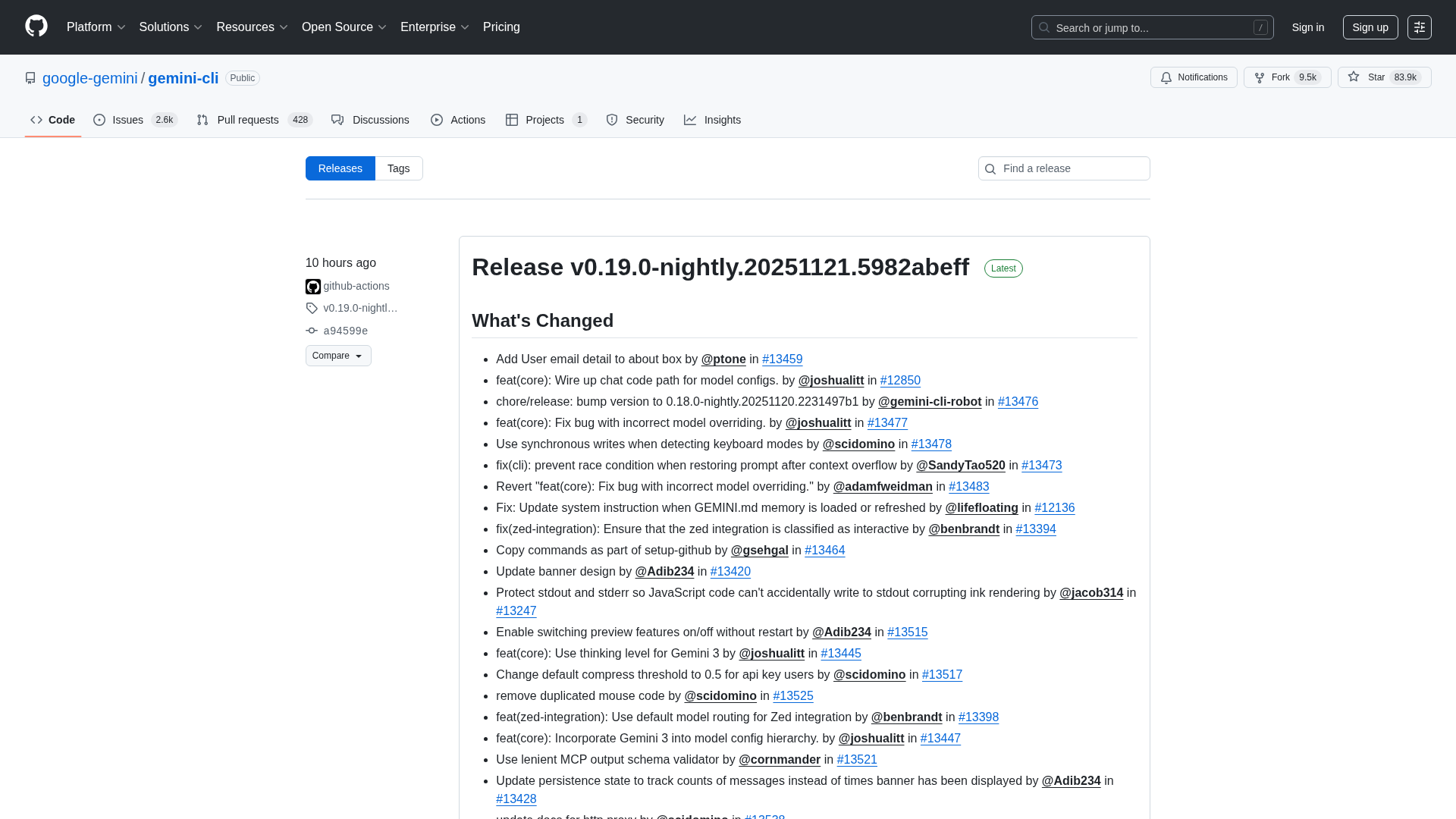
Overview of the Gemini CLI v0.36.0-preview release series, highlighting architectural, CLI, and UI changelogs across multiple pre-release versions.
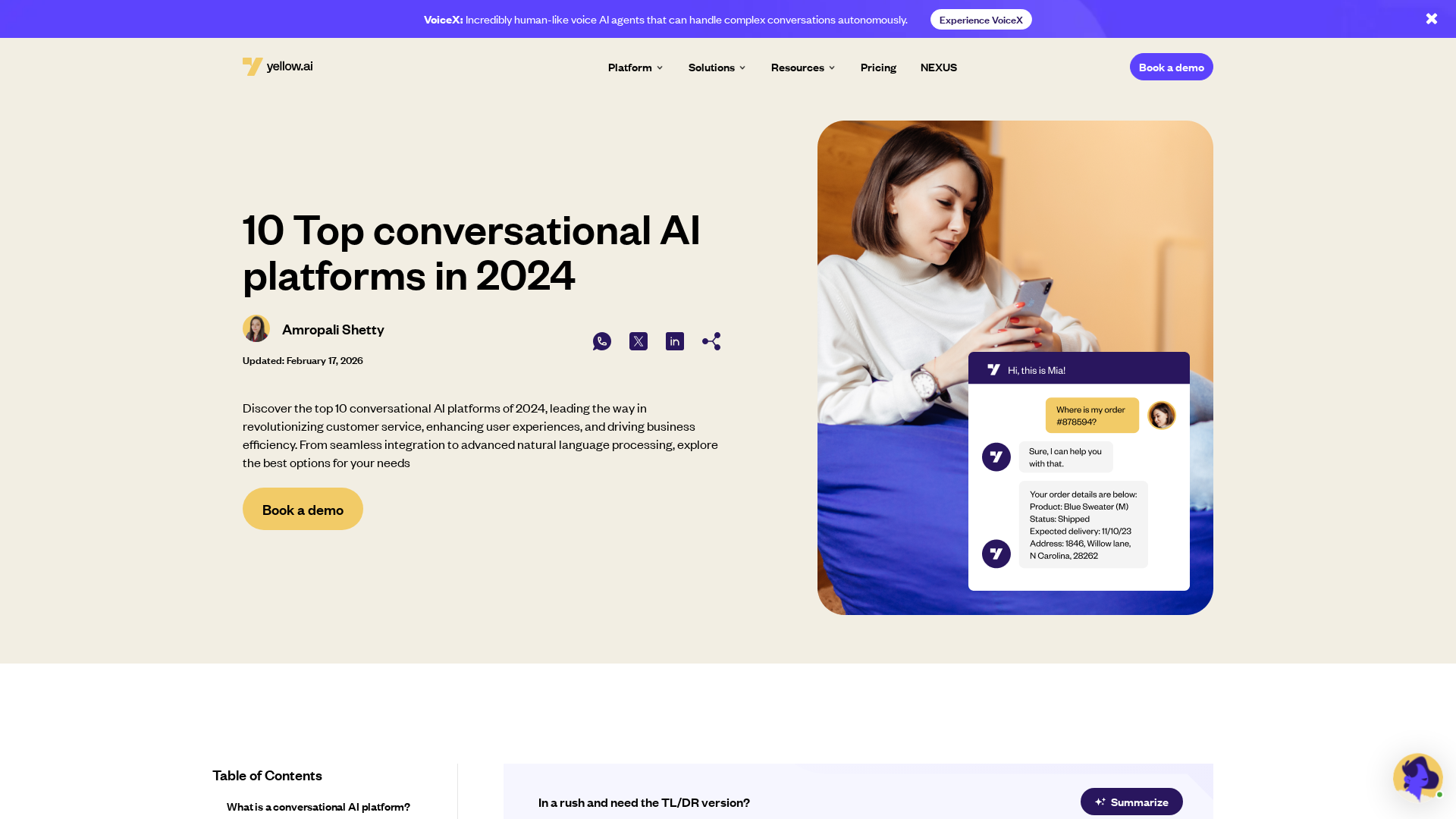
A concise guide to the top 10 conversational AI platforms in 2024, with features, benefits, and use cases.
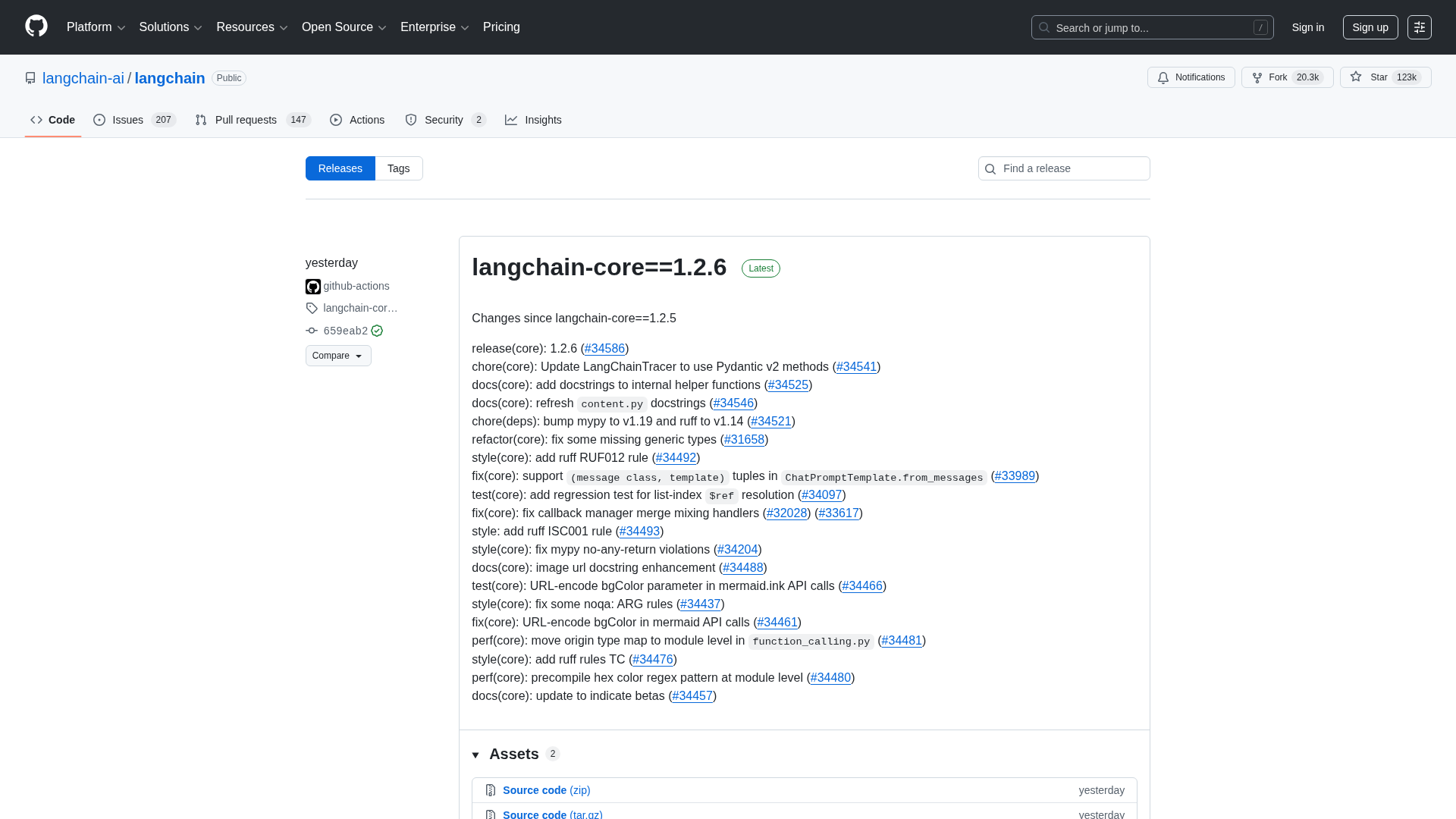
A comprehensive LangChain releases roundup detailing Core 1.2.6 and interconnected updates across XAI, OpenAI, Classic, and tests.
In-depth look at Gemini 3 Pro benchmarks across reasoning, math, multimodal, and agentic capabilities with implications for building AI agents.

Cannot access the article content due to an access-denied error, preventing summarization.