Topic Overview
This topic examines AI agent toolkits that enable autonomous or semi‑autonomous management of on‑chain treasuries, reputational records, and related governance processes—comparing Polygon‑aligned toolkits with no‑code, developer SDK, and managed alternatives. As of 2026‑03‑09, increased adoption of multi‑agent systems and on‑chain DAOs has made tooling for verifiable action logs, secure transaction signing, and reputation integration more relevant: teams need platforms that balance auditability, security, and operational autonomy. Tool categories split into no‑code/low‑code platforms (Relevance AI, Lindy, AgentGPT) that accelerate business adoption and agent orchestration; developer‑centric SDKs and CLIs (GPTConsole, AutoGPT forks) for production-grade lifecycle, memory, and event chaining; managed human+agent services (Crescendo.ai) for high‑assurance CX or treasury operations; and supporting AI developer tools (CodeGeeX) that speed integration. When comparing a Polygon toolkit to these competitors, practical evaluation criteria include on‑chain/off‑chain decomposition, smart‑contract modules for authorization and timelocks, verifiable telemetry and reputation stores, gas and cost efficiency, governance hooks, auditability, and developer ergonomics (no‑code vs SDK). The near‑term trend is convergence: decentralized AI infrastructure and marketplaces are adding cryptographic identity, verifiable credentials, and marketplace primitives so agents can transact and accrue on‑chain reputation with traceable provenance. Organizations choosing a stack should prioritize security audits, clear upgrade and governance pathways, and interoperability with wallet, oracle, and identity providers—selecting either rapid no‑code onboarding or flexible developer toolchains depending on risk profile and scale.
Tool Rankings – Top 6

Enterprise-grade no-code/low-code platform to build, deploy, and manage autonomous AI agents and workflows.

No-code/low-code AI agent platform to build, deploy, and govern autonomous AI agents.

Developer-focused platform (SDK, API, CLI, web) to create, share and monetize production-ready AI agents.

Platform to build, deploy and run autonomous AI agents and automation workflows (self-hosted or cloud-hosted).

A browser-based platform to create and deploy autonomous AI agents with simple goals.
_logo%201.svg)
AI-native CX platform combining agentic AI with human experts in a managed service model (platform + per-resolution fees
Latest Articles (51)
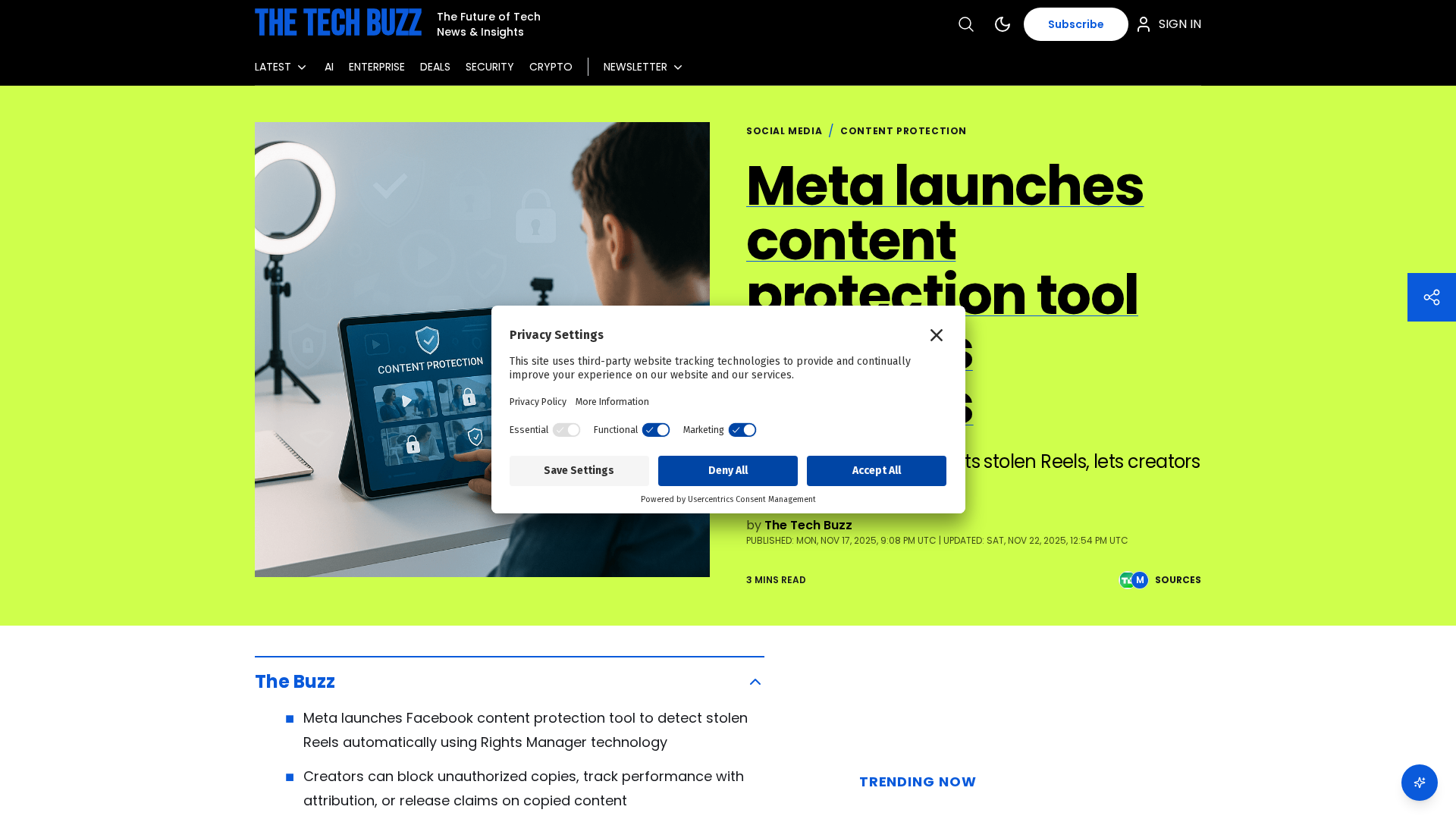
Meta rolls out Facebook Content Protection to detect stolen Reels and give creators options to block, track, or claim across Facebook and Instagram.
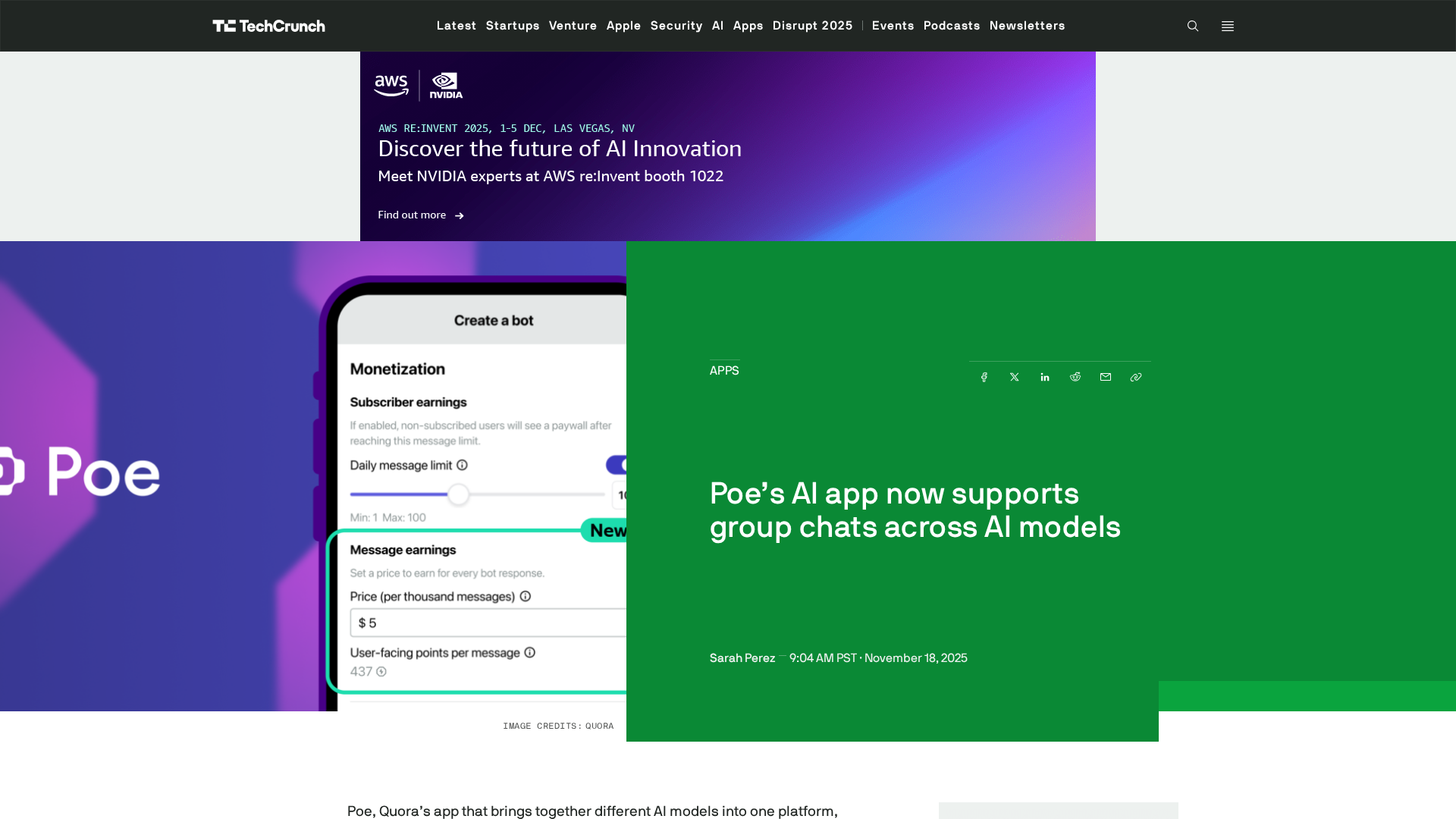
Poe launches cross-model group chats, letting up to 200 participants collaborate across 200+ AI models in a single conversation.

Explore how AI co-workers in marketing automate, personalize, and optimize campaigns to maximize ROI.
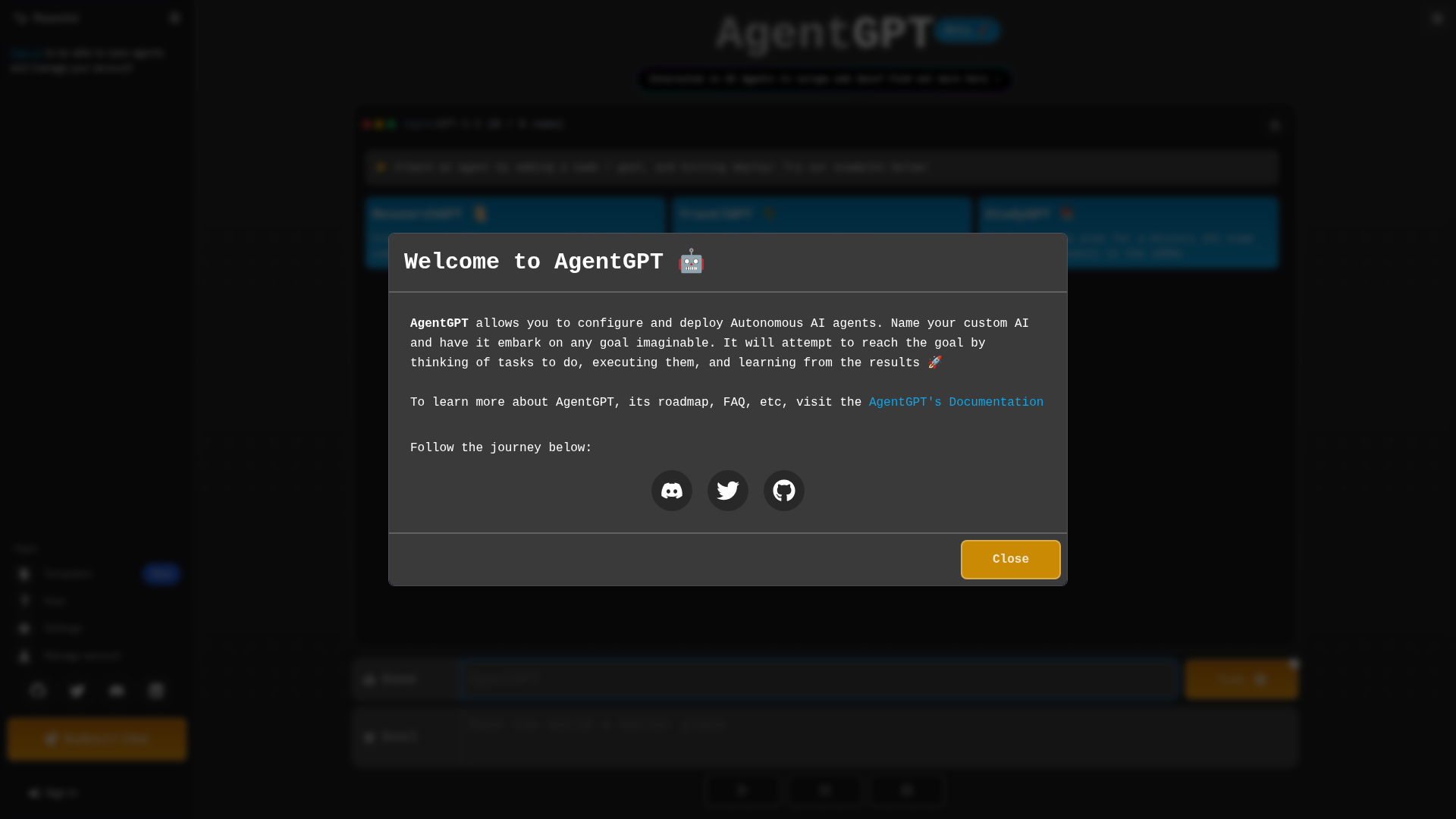
A browser-based platform to create and deploy autonomous AI agents with simple prompts.
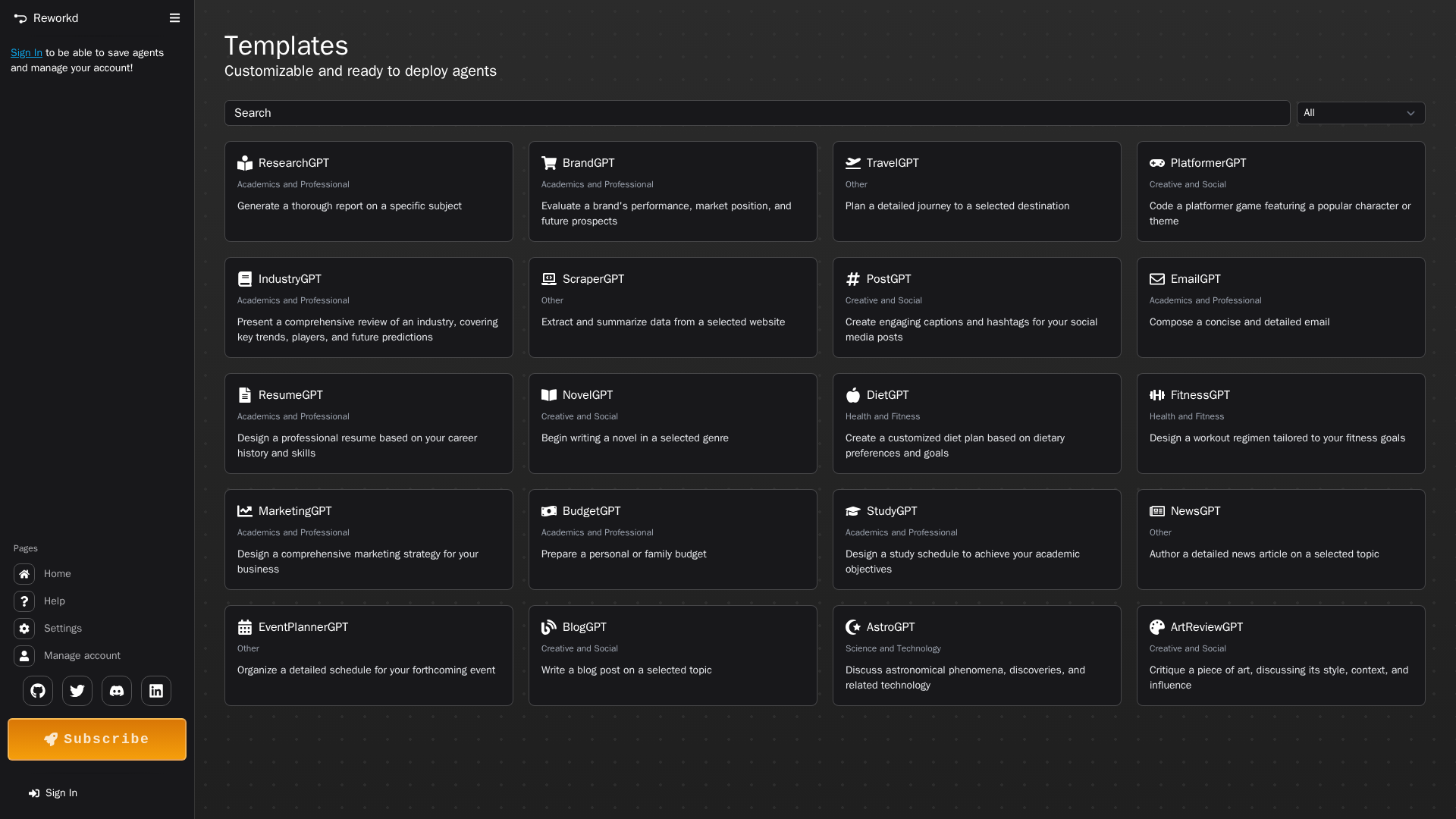
A catalog of customizable in-browser AI agents ready to deploy for research, planning, creativity, health, and more.