Topic Overview
AI coding assistants now sit at the intersection of large-code models, integrated IDE workflows, and autonomous agent tooling. This topic covers practical differences and trade-offs between chat- and completion‑centric services (e.g., GitHub Copilot), large-code LLMs (e.g., Code Llama), model-first assistants with broad context and reasoning (e.g., Claude Opus 4.5), and platforms that emphasize privacy, governance, or agentic automation (Tabnine, Windsurf, Warp, AutoGPT, Cline). Relevance in late 2025: organizations are balancing developer productivity gains against cost, security, and compliance. Adoption patterns favor multi-model stacks (cloud LLMs for heavy reasoning, code-specialized models for generation, and local/self-hosted options for sensitive code) and tighter IDE/terminal integration so suggestions, tests, and CI checks are part of the flow. Agentic approaches — embedded agents in Windsurf or Warp and autonomous workflows via AutoGPT — are increasingly used for multi-step tasks like refactors, dependency updates, and release automation, while tools like Tabnine and Cline emphasize private or client‑side execution for governance. Key considerations: accuracy on complex code, long-context reasoning, hallucination and vulnerability mitigation (RAG, static analysis, unit-test generation), cost and latency, and deployment model (cloud vs self-hosted). GitHub Copilot remains a turnkey pair‑programmer integrated across editors; Code Llama offers code-specialized model families for fine-tuning or on-prem use; Claude Opus 4.5 is positioned for higher-context reasoning across code and design prompts; Windsurf, Warp, AutoGPT and Cline enable agentic orchestration and automation; Tabnine targets enterprise governance and private deployments. Evaluating these tools requires testing on real repositories, security posture, and how they integrate with existing developer workflows.
Tool Rankings – Top 6

An AI pair programmer that gives code completions, chat help, and autonomous agent workflows across editors, theterminal
Code-specialized Llama family from Meta optimized for code generation, completion, and code-aware natural-language tasks

Enterprise-focused AI coding assistant emphasizing private/self-hosted deployments, governance, and context-aware code.

AI-native IDE and agentic coding platform (Windsurf Editor) with Cascade agents, live previews, and multi-model support.

Agentic Development Environment (ADE) — a modern terminal + IDE with built-in AI agents to accelerate developer flows.
Platform to build, deploy and run autonomous AI agents and automation workflows (self-hosted or cloud-hosted).
Latest Articles (39)
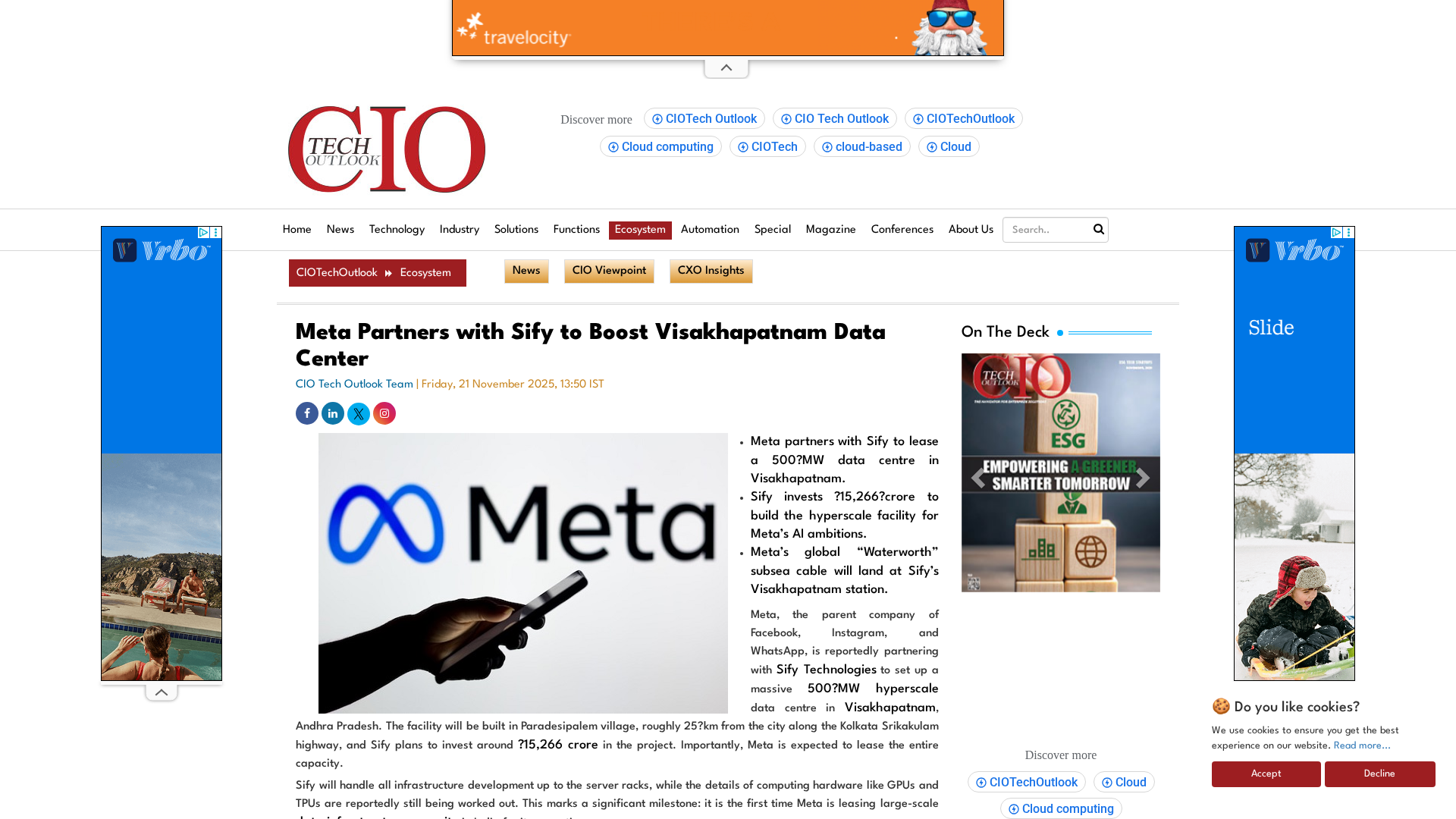
Meta and Sify plan a 500 MW hyperscale data center in Visakhapatnam with the Waterworth subsea cable landing.
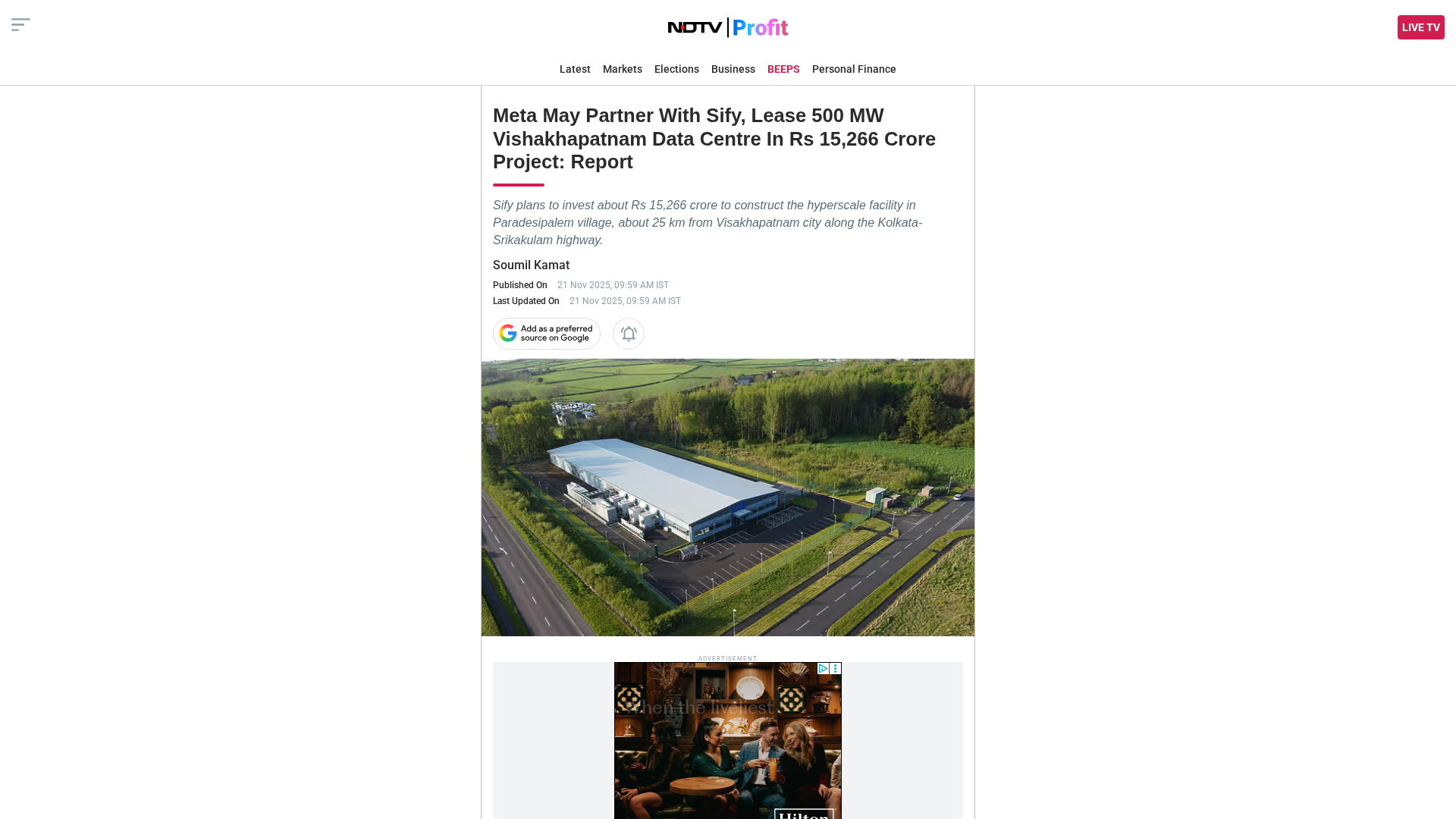
Meta may partner with Sify to lease a 500 MW Vishakhapatnam data center in a Rs 15,266 crore project linked to the Waterworth subsea cable.
Dell unveils 20+ advancements to its AI Factory at SC25, boosting automation, GPU-dense hardware, storage and services for faster, safer enterprise AI.
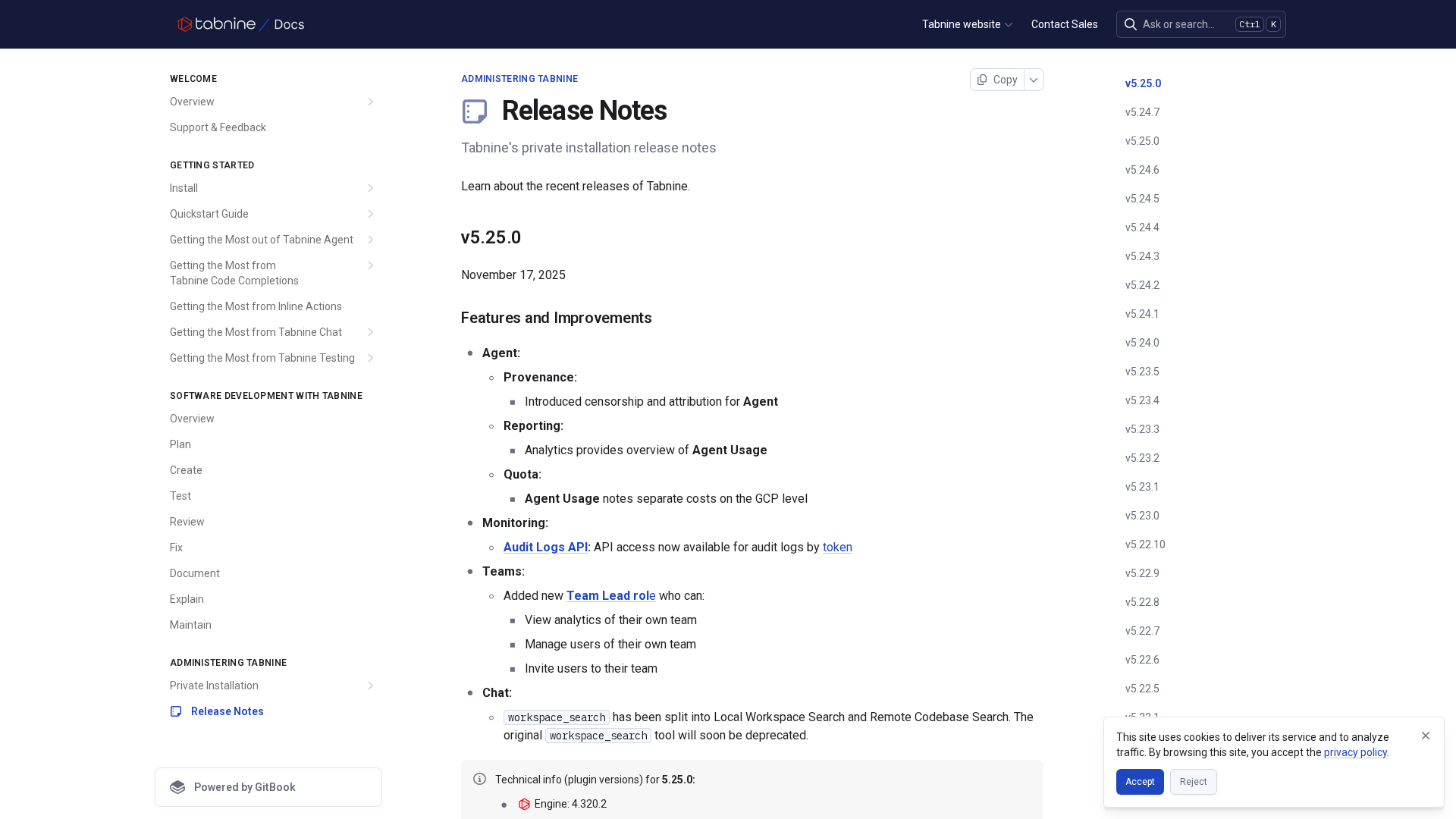
Comprehensive private-installation release notes detailing new features, improvements, and fixes across multiple Tabnine versions.
Dell expands the AI Factory with automated, end-to-end on-prem AI solutions, data management enhancements, and scalable hardware.