
Topic Overview
This topic covers the hardware and server platforms used to run large language and multimodal models in production: purpose‑built inference chips (ASICs, chiplets and SoCs), rack and edge servers, and the accompanying software stacks and runtimes that optimize throughput, latency, and power. Demand for inference‑optimized hardware has accelerated as organizations shift from cloud-only experimentation to sustained, cost‑sensitive deployments that require on‑prem, hybrid, or edge options for latency, privacy, and regulatory reasons. Vendors such as Groq, Meta, Tesla and Nvidia are prominent examples driving competition in inference silicon and server designs, while newer entrants and specialists focus on energy efficiency and hyperscale economics. Key categories and representative tools: Rebellions.ai builds energy‑efficient AI inference accelerators and a GPU‑class software stack aimed at hyperscale data centers; Windsurf (formerly Codeium) is an AI‑native IDE that relies on multi‑model, low‑latency inference for agentic coding workflows and live previews; Stable Code provides edge‑ready, instruction‑tuned code models optimized for private, fast completion; Qodo (formerly Codium) offers context‑aware code review, test generation, and governance across multi‑repo SDLCs; Tabnine emphasizes enterprise, private/self‑hosted code assistance and governance. Trends to consider when evaluating platforms include heterogenous and modular hardware (chiplets, ASICs + GPUs), compiler and runtime maturity, energy and cost per token, model quantization and pruning, orchestration for multi‑model pipelines, and governance/privacy controls for self‑hosted deployments. Choosing between hyperscale servers, on‑prem appliances, and edge devices depends on workload latency, throughput, power constraints, and operational governance requirements.
Tool Rankings – Top 5

Energy-efficient AI inference accelerators and software for hyperscale data centers.

AI-native IDE and agentic coding platform (Windsurf Editor) with Cascade agents, live previews, and multi-model support.

Edge-ready code language models for fast, private, and instruction‑tuned code completion.

Quality-first AI coding platform for context-aware code review, test generation, and SDLC governance across multi-repo,팀

Enterprise-focused AI coding assistant emphasizing private/self-hosted deployments, governance, and context-aware code.
Latest Articles (37)
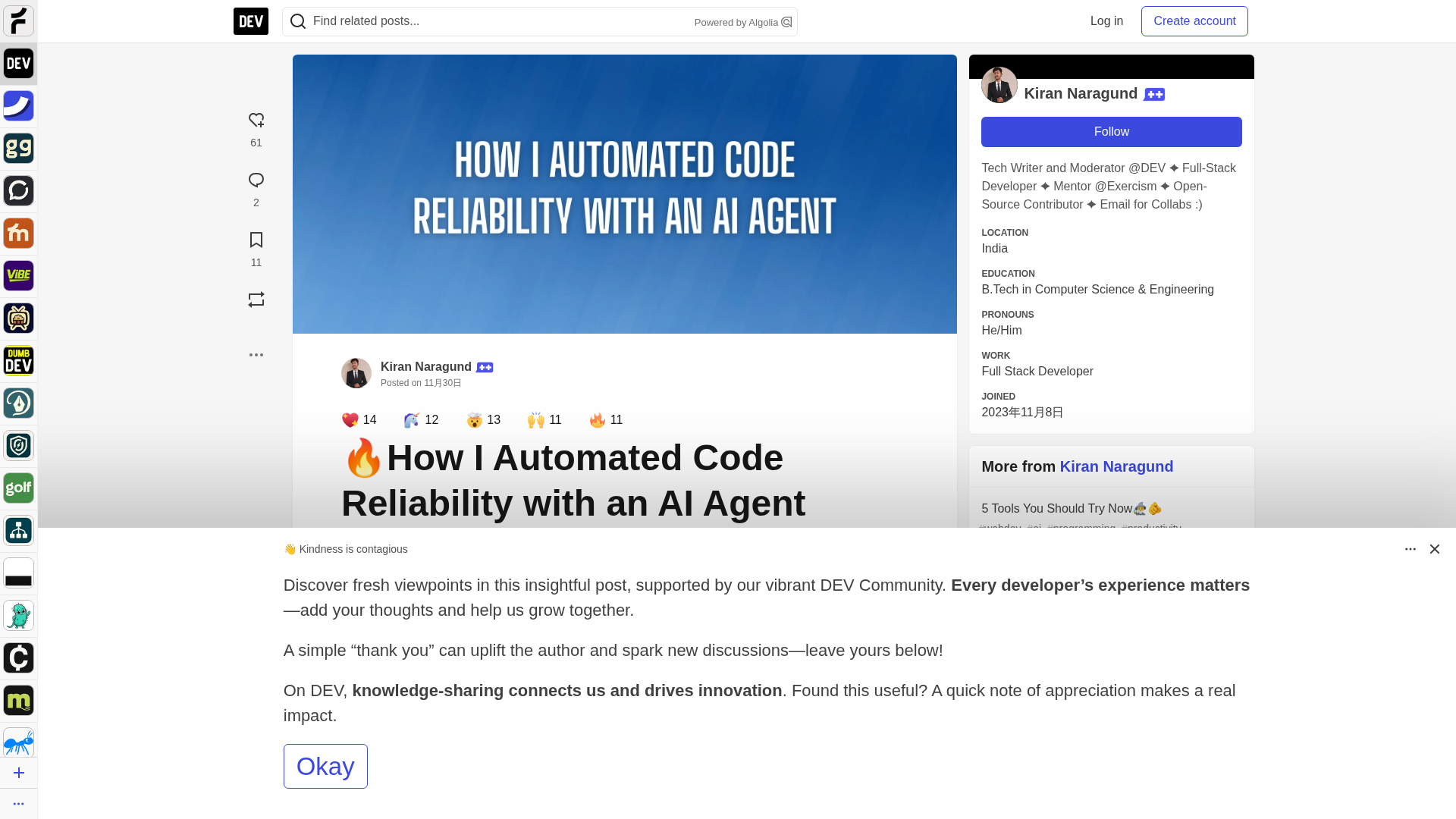
A step-by-step guide to building an AI-powered Reliability Guardian that reviews code locally and in CI with Qodo Command.

A developer chronicles switching to Zed on Linux, prototyping on a phone, and a late-night video correction.
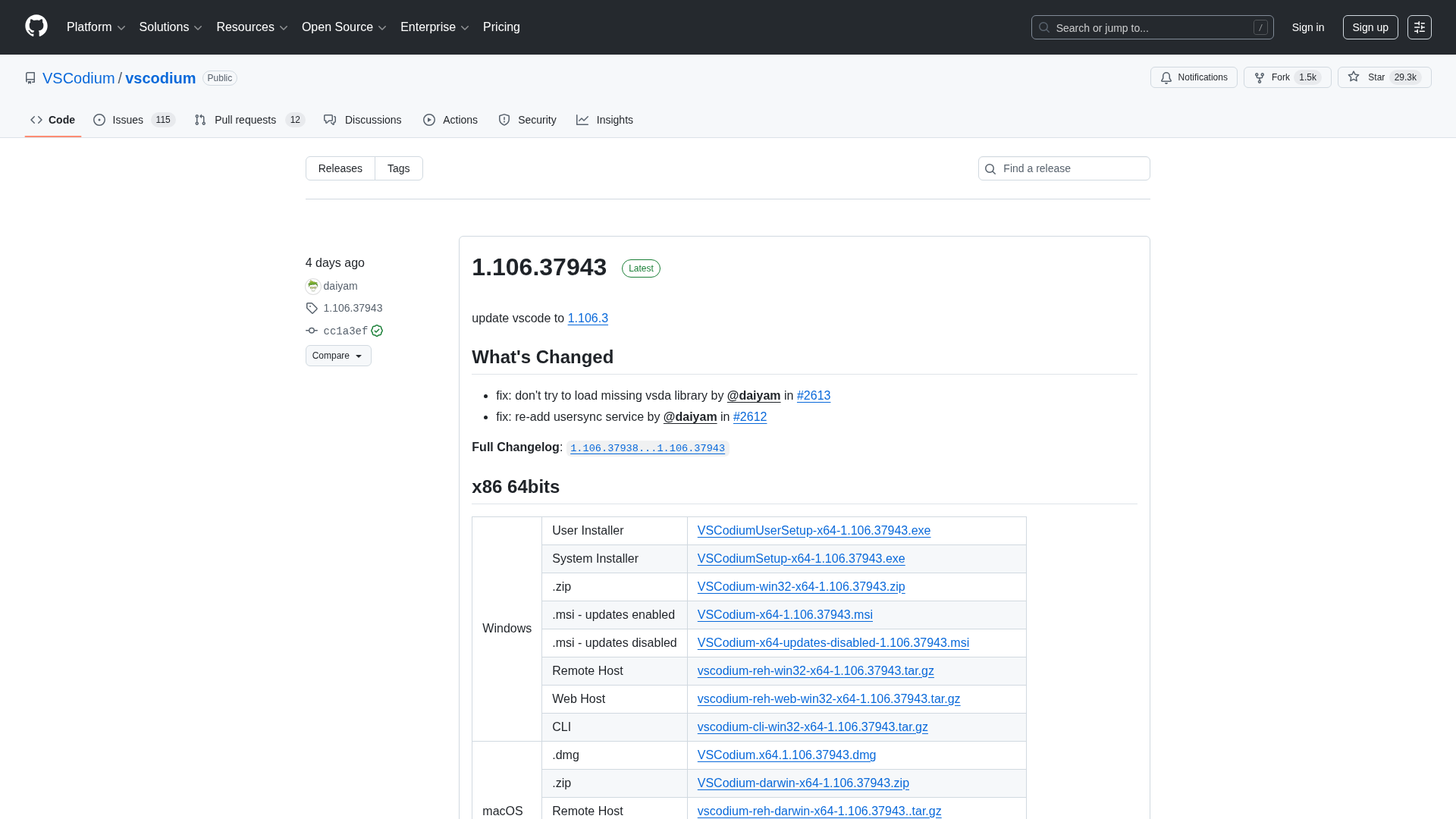
A comprehensive releases page for VSCodium with multi-arch downloads and versioned changelogs across 1.104–1.106 revisions.

Qodo ranks highest for Codebase Understanding by Gartner, highlighting cross-repo context as essential for scalable AI development.
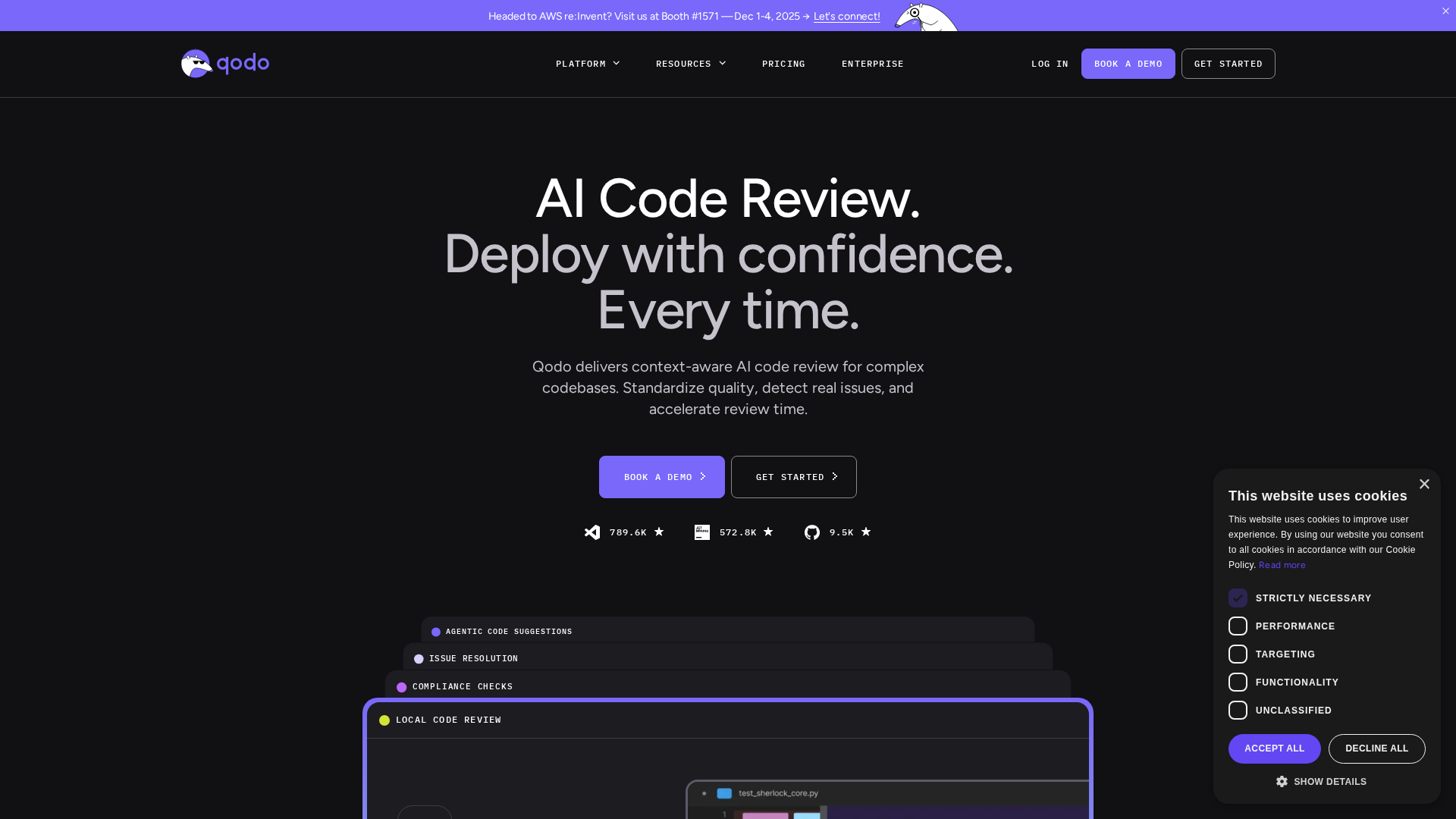
Context-aware, enterprise-grade AI code review that scales across multi-repo ecosystems and enforces policies.