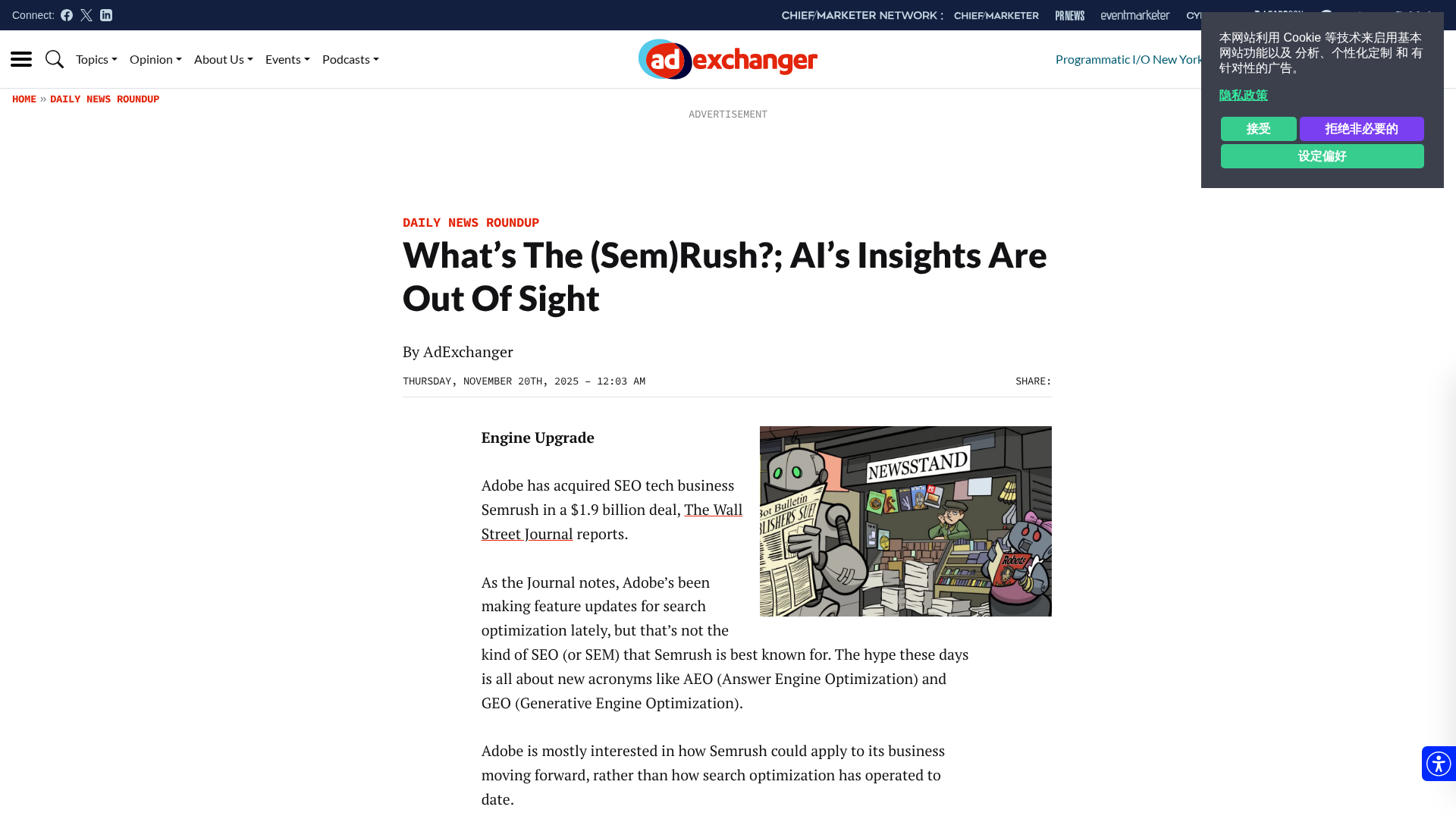
Topic Overview
The Adobe+Semrush M&A marks a turning point for AI marketing and SEO suites: search, content optimization and competitive intelligence are being folded into broader marketing clouds, forcing teams to reassess toolchains across Marketing Strategy, Attribution, Competitive Intelligence and Market Intelligence. That consolidation accelerates two clear trends — platform integration (SEO and CI embedded in campaign and attribution flows) and the operationalization of AI agents and retrieval‑augmented workflows for content and insights. Practitioners now balance integrated suites with specialist point solutions. Enterprise assistants and agent platforms (IBM watsonx Assistant, Yellow.ai, Tektonic AI, Automaited) are being used to automate cross‑channel tasks, orchestrate workflows and surface insights to marketers. Developer and RAG tooling (LlamaIndex) underpins custom document agents and secure knowledge retrieval, while governed brand agents (Firsthand, with Lakebed‑style governance) address consistency and compliance for distributed content. Language and content tools such as DeepL and CopyMonkey fill tactical roles — multilingual copy and e‑commerce listing optimization — that tie back into SEO and attribution signals. For teams evaluating stacks post‑M&A, priorities have shifted toward: 1) tight attribution linkages between content/SEO activity and revenue, 2) real‑time competitive and market intelligence feeding creative and bidding decisions, and 3) governance and auditability of AI‑generated content. The near‑term competitive landscape will be defined by how well vendors integrate intelligence, provide transparent model governance, and enable plug‑and‑play agents within enterprise workflows. Organizations should map use cases to categories (strategy, attribution, CI, market intelligence) and pick combinations of integrated suites and specialist AI tools that meet their data, compliance and automation requirements.
Tool Rankings – Top 6

Enterprise virtual agents and AI assistants built with watsonx LLMs for no-code and developer-driven automation.

Enterprise agentic AI platform for CX and EX automation, building autonomous, human-like agents across channels.

AI-powered Brand Agent platform with a governance layer (Lakebed) for brands to deliver personalized, cross-site brand体验

Machine translation, writing assistant, APIs and voice/desktop products with Pro subscriptions and API pricing.

AI agents and a service layer blending neural and symbolic reasoning to automate enterprise processes; flagship PrepMe:
Enterprise platform of AI Agents for agentic automation: workflow automation, document processing and integrations.
Latest Articles (108)
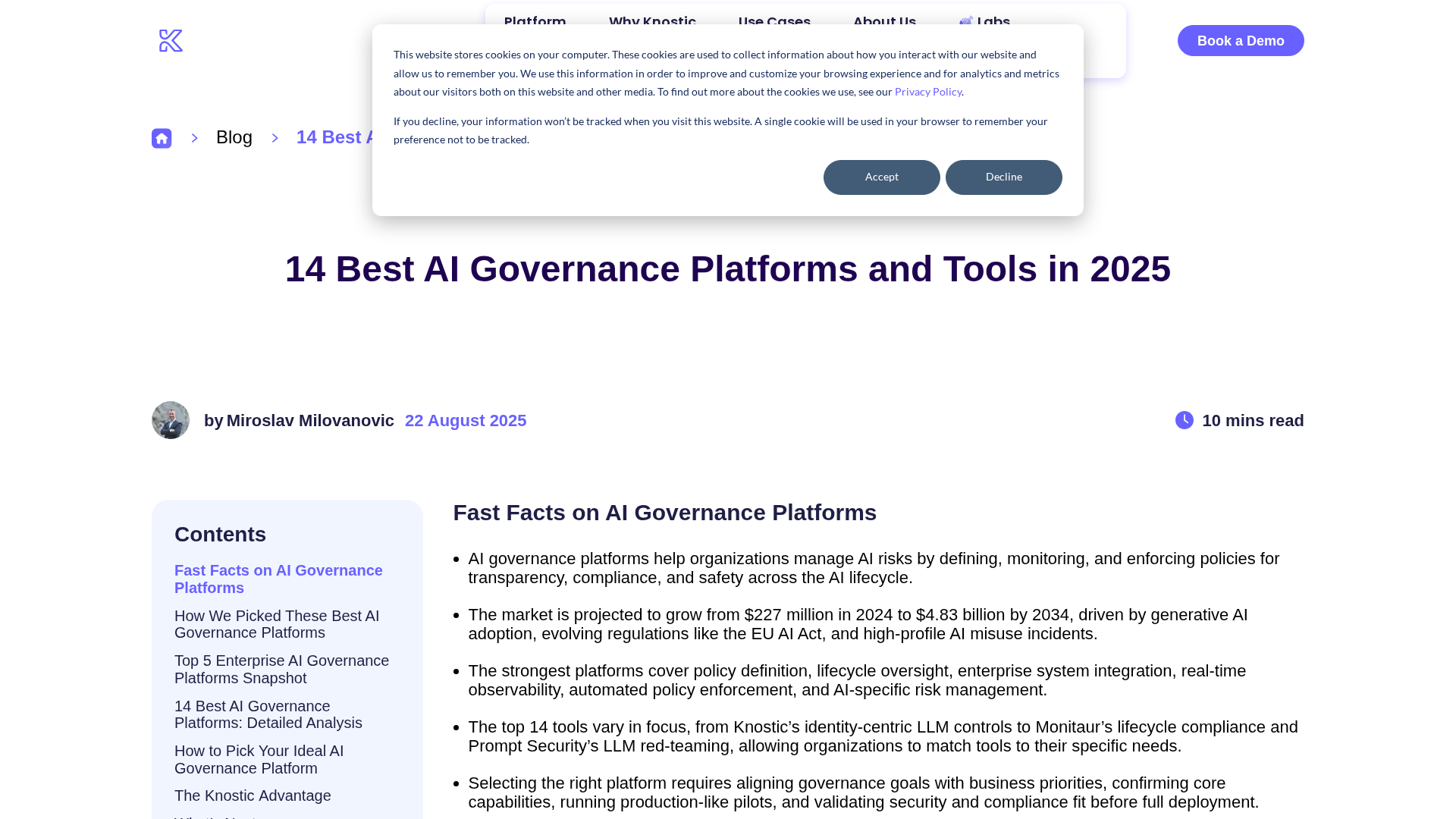
A vendor‑agnostic guide to the 14 best AI governance platforms in 2025, with criteria, comparisons, and practical buying guidance.
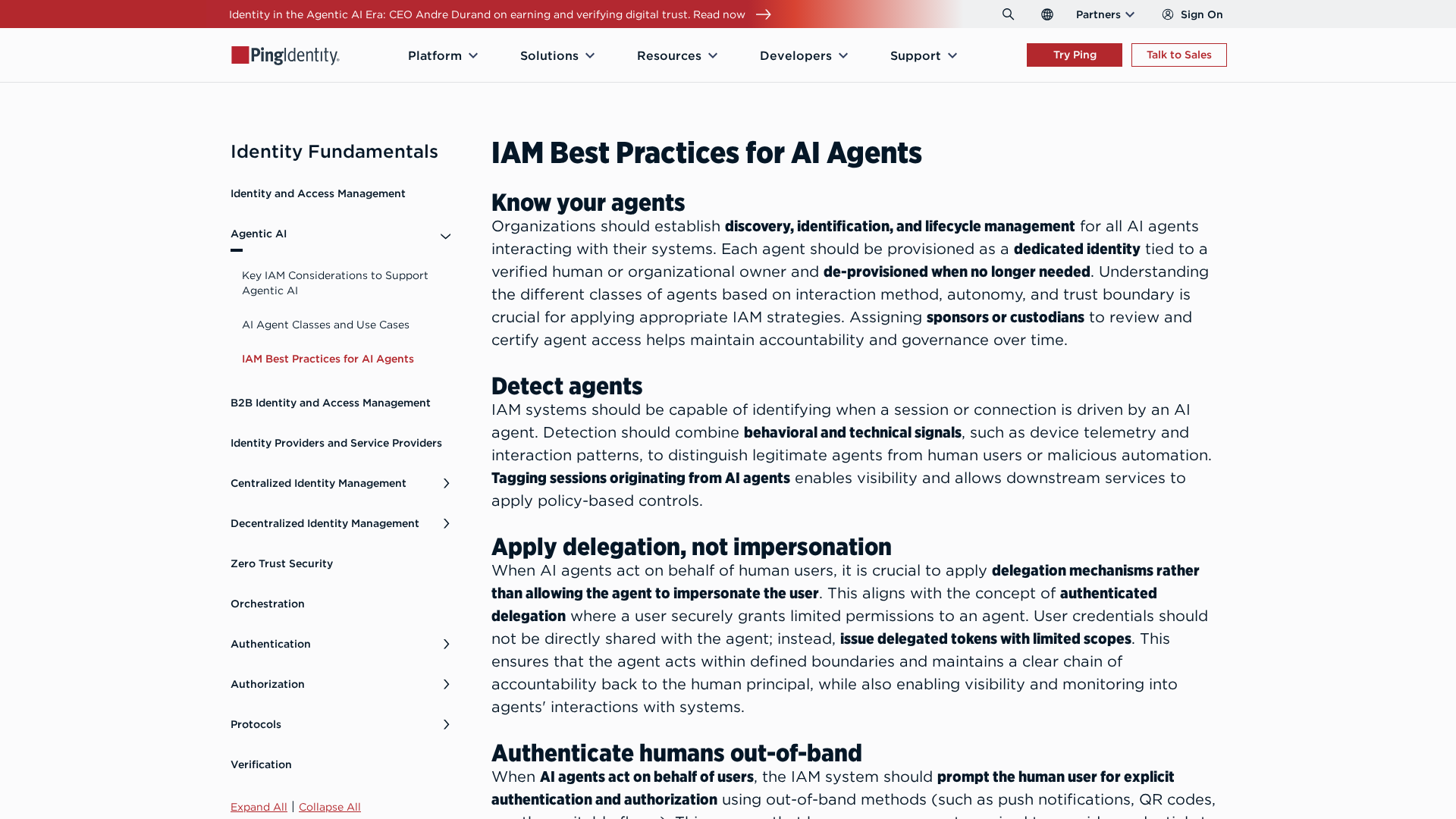
Best-practices for securing AI agents with identity management, delegated access, least privilege, and human oversight.
Adobe nears a $19 billion deal to acquire Semrush, expanding its marketing software capabilities, according to WSJ reports.
A practical guide to auditing AI in hiring for bias, legality, and governance.
Wolters Kluwer expands UpToDate Expert AI with UpToDate Lexidrug to bolster drug information and medication decision support.