Topic Overview
This topic covers the ecosystem of AI APIs and platforms used to analyze, synthesize and act on visual and audio signals: from edge vision runtimes that process camera data on devices to cloud and hybrid services that transcribe speech, generate natural‑sounding voices, and orchestrate multimodal agents. It’s framed around two practical categories—Edge AI Vision Platforms and Voice Synthesis & Transcription—and the tool types organizations use to build, fine‑tune, deploy and govern them. Relevance in 2026 stems from continued demand for low‑latency, privacy‑sensitive inference (on device or at the network edge), higher‑fidelity speech capabilities for accessibility and UX, and production readiness (scaling, governance, compliance). Developers increasingly combine large multimodal models with specialized edge runtimes and managed inference to meet latency, cost and data‑control requirements. Representative platforms: Google Gemini provides multimodal developer APIs and cloud services (Vertex AI/AI Studio) that serve as conversational and generative backends; Anthropic’s Claude family supplies conversational and analysis capabilities as a developer service; Together AI focuses on training, fine‑tuning and serverless inference for custom and open models; StackAI offers no‑/low‑code enterprise tooling to build, deploy and govern AI agents that integrate vision and voice flows; Adept (ACT‑1) emphasizes agentic automation that can observe and act inside software interfaces to close loops across multimodal inputs. Practitioners should evaluate tradeoffs—on‑device vs cloud inference, model quality vs cost, privacy and regulatory constraints, and integration ease—when selecting APIs and platforms for production image and voice applications.
Tool Rankings – Top 5

Google’s multimodal family of generative AI models and APIs for developers and enterprises.
Anthropic's Claude family: conversational and developer AI assistants for research, writing, code, and analysis.
End-to-end no-code/low-code enterprise platform for building, deploying, and governing AI agents that automate work onun
Agentic AI (ACT-1) that observes and acts inside software interfaces to automate multistep workflows for enterprises.

A full-stack AI acceleration cloud for fast inference, fine-tuning, and scalable GPU training.
Latest Articles (66)
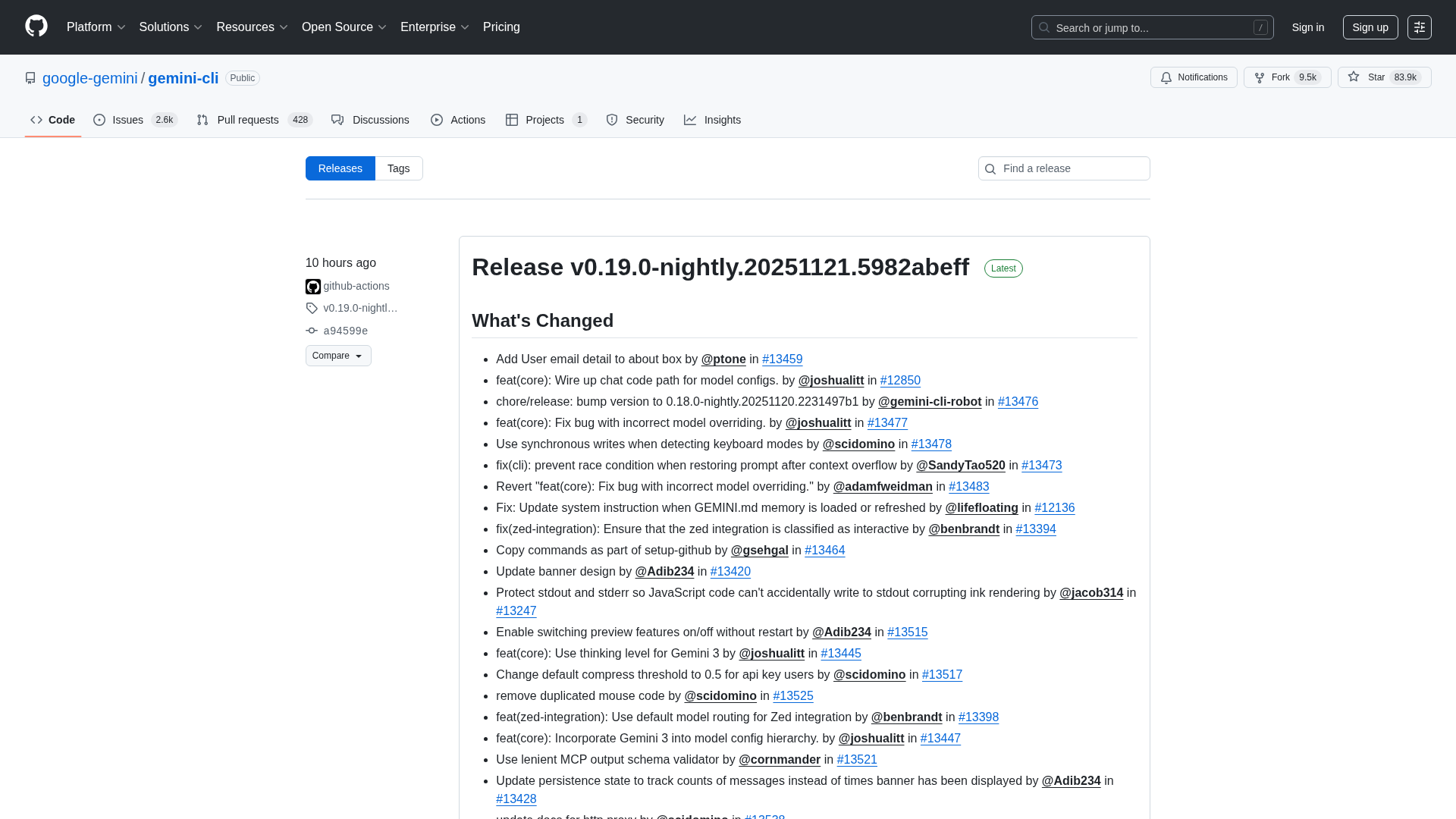
Overview of the Gemini CLI v0.36.0-preview release series, highlighting architectural, CLI, and UI changelogs across multiple pre-release versions.

Baseten launches an AI training platform to compete with hyperscalers, promising simpler, more transparent ML workflows.
A practical, step-by-step guide to fine-tuning large language models with open-source NLP tools.

Humain teams with XAI to develop next-generation AI compute power, aiming to accelerate AI workloads.
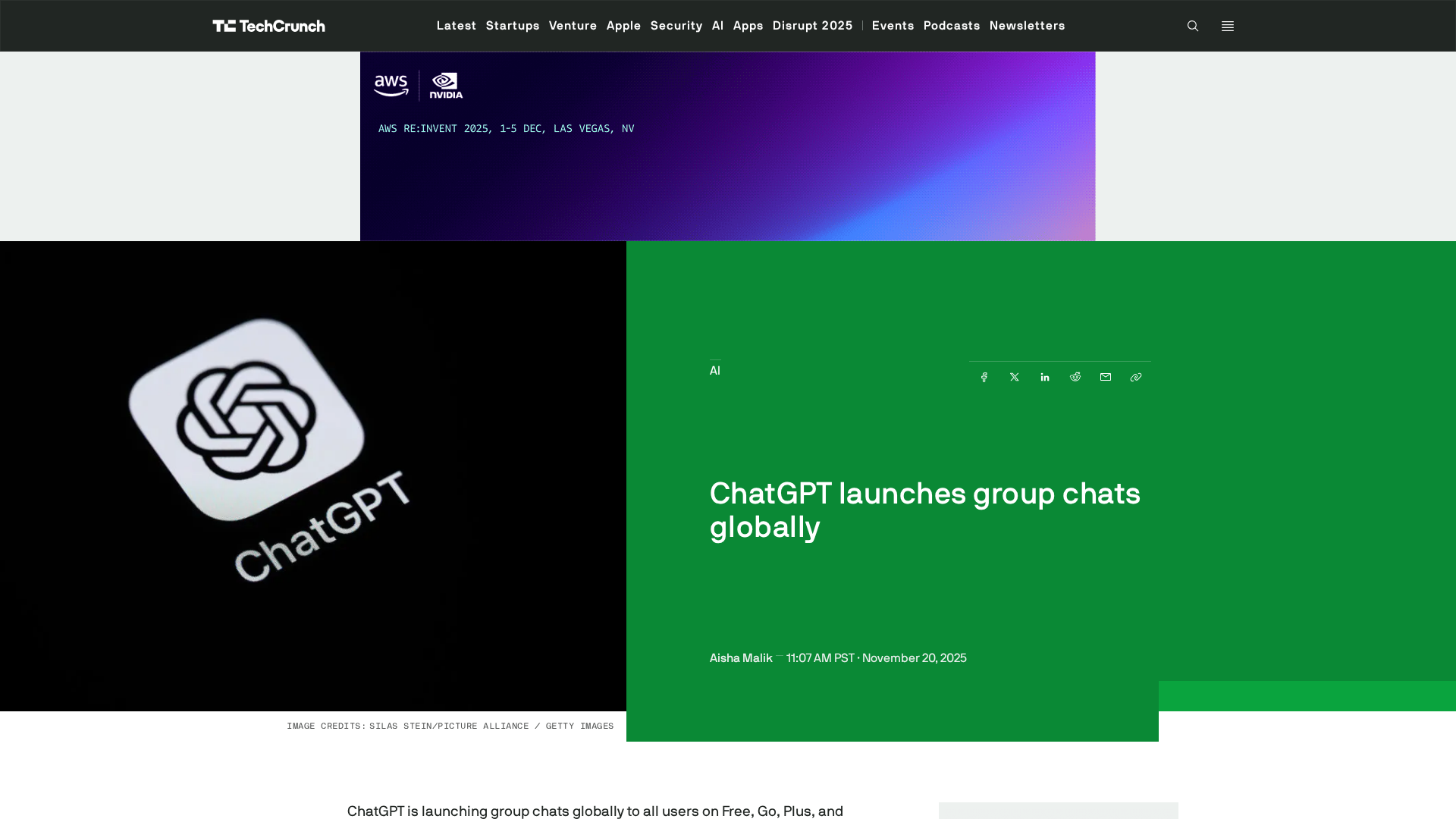
OpenAI rolls out global group chats in ChatGPT, supporting up to 20 participants in shared AI-powered conversations.